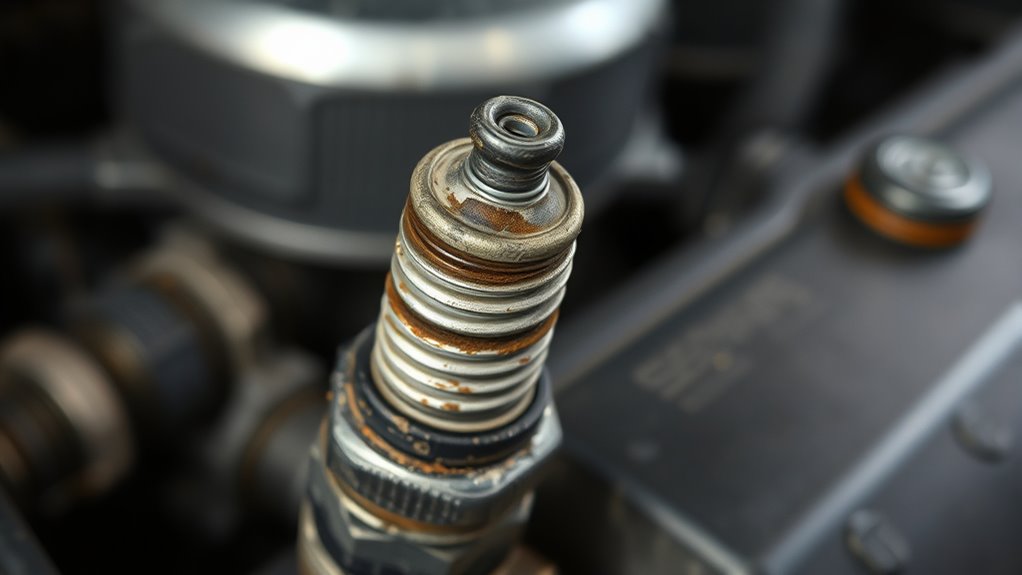
How to Determine if You Can Drive With Bad Spark Plugs
Many drivers have experienced the frustration of engine issues or rough driving, often caused by something as simple as bad spark plugs. If you’re wondering whether your vehicle is still safe to drive, you’re not alone—this is a common concern.
If your spark plugs show mild signs like slight misfires, rough idling, or reduced fuel economy, you might be able to continue driving for a short while. However, it’s important to check their condition visually or with diagnostic tools.
If you notice cracks, fouling, or significant wear, it’s safer to replace them soon. Keep in mind, ignoring issues can lead to engine damage—learn more to *guarantee* safe driving and proper maintenance.
Key Takeaways
- Keep an eye out for engine misfires, rough idle, or hesitation, as these signs can point to spark plug problems before you hit the road.
- Notice if the car has trouble starting or if there’s a sudden drop in power when you turn the key—that could be a sign of bad spark plugs.
- Use tools like an OBD-II scanner or spark tester to check the condition of your spark plugs and see how your engine is running.
- If you do notice minor misfires or rough running, try to limit your driving. Usually, it’s best not to go beyond 150-300 miles until you get it checked.
- If symptoms stick around or you think the spark plugs are dirty or damaged, it’s a good idea to get a professional inspection as soon as possible.
How Do Bad Spark Plugs Affect Your Car’s Performance?
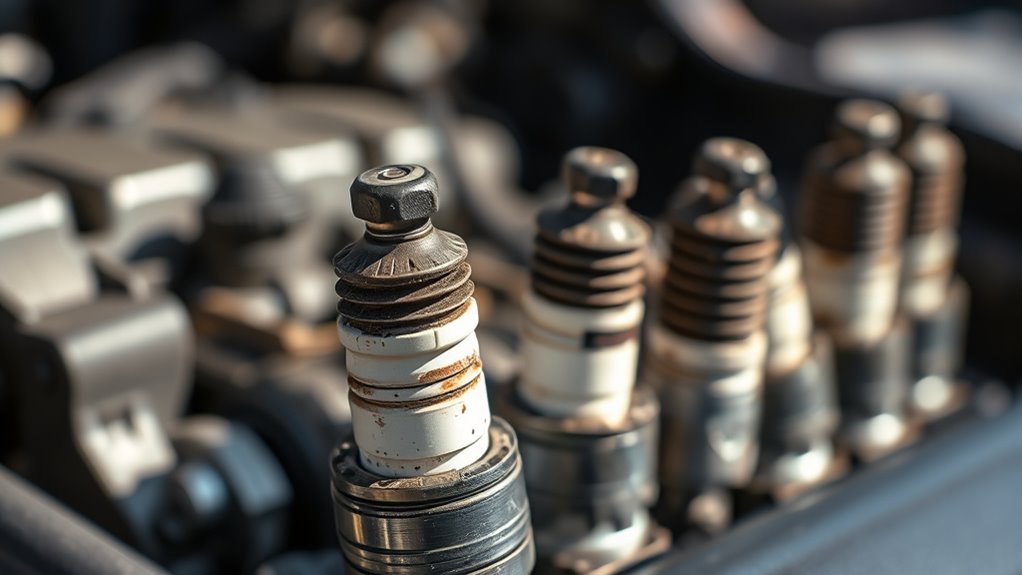
Bad spark plugs can seriously impact your car’s performance by causing misfires, rough idling, and sluggish acceleration. The materials used in spark plugs, like platinum or iridium, determine how well they deliver consistent sparks and handle high heat. When these wear out or get fouled, they struggle to produce reliable ignition.
Your vehicle’s ignition relies on spark plugs to ignite the fuel-air mixture properly. Faulty plugs lead to incomplete combustion, which causes engine misfires and rough running. This results in poor acceleration, lower fuel economy, and higher emissions. Over time, worn-out spark plugs put extra strain on the ignition system, making it work harder and increasing the risk of further damage.
Basically, when the spark plug materials break down or the ignition isn’t working right, your car’s overall performance drops. It can start to feel sluggish or all over the place on the road.
What Are the Common Signs of Failing Spark Plugs?
You might find your engine misfiring more often or idling roughly—that’s a pretty common sign your spark plugs could be on the fritz. If your car’s suddenly gulping down more fuel than usual, it might be because the combustion isn’t happening as efficiently as it should, thanks to worn-out plugs. And if you’re having a hard time starting your car or keep having to try a few times before it kicks engine, those are definitely red flags pointing to spark plug issues.
Engine Misfires Occur Frequently
Frequent engine misfires are a clear sign that your spark plugs may be failing. If your engine stutters or jerks during acceleration, it’s probably related to your spark plug types or the ignition system.
Worn or damaged spark plugs can cause inconsistent sparks, which lead to misfires. These can happen randomly or repeatedly, especially when idling or at low speeds.
The ignition system depends on spark plugs to ignite the fuel-air mixture efficiently. When they’re faulty, the whole system struggles to do its job.
If you notice rough idling or a noticeable shake in your vehicle, those are signs your spark plugs aren’t firing correctly. Addressing this quickly can prevent more damage and keep your engine running smoothly.
Reduced Fuel Efficiency
Have you noticed your vehicle consuming more fuel lately? Reduced fuel efficiency is a common sign of failing spark plugs. When spark plugs wear out or misfire, your engine doesn’t run as smoothly, which can lower your gas mileage.
You might find yourself filling up more often or seeing a drop in miles per gallon. Poor spark plug performance disrupts combustion, leading to incomplete fuel burning and increased fuel use.
As spark plugs age, the risk of misfires and rough idling rises, further hurting efficiency. Regularly checking your spark plugs can help prevent these problems.
Fixing worn or dirty plugs quickly not only restores good fuel economy but also helps extend their lifespan. Keeping your spark plugs in good shape ensures your engine runs smoothly and efficiently for longer.
Difficulty Starting Vehicle
When spark plugs start to fail, starting your vehicle can become noticeably more difficult. You might notice it takes longer for the engine to turn over or that your car struggles to start altogether.
Different spark plug types, like copper, platinum, or iridium, can influence how quickly these signs appear, but a common issue across all is poor ignition system performance.
Faulty spark plugs can cause incomplete combustion, leading to difficulty firing the engine initially. You may also experience rough idling or misfires right after starting, which can further indicate spark plug trouble.
If your engine is hesitant or stalls soon after starting, it’s a strong sign of failing spark plugs affecting the ignition system’s efficiency.
This difficulty is a clear warning that you should inspect or replace your spark plugs promptly.
How Can You Safely Check Your Spark Plug Condition?
To check your spark plugs safely, the first thing you want to do is do a quick visual check. Look for any signs of wear or damage, like cracks, corrosion, or if there’s a lot of carbon buildup on them. Sometimes, a simple inspection can tell you a lot about their condition.
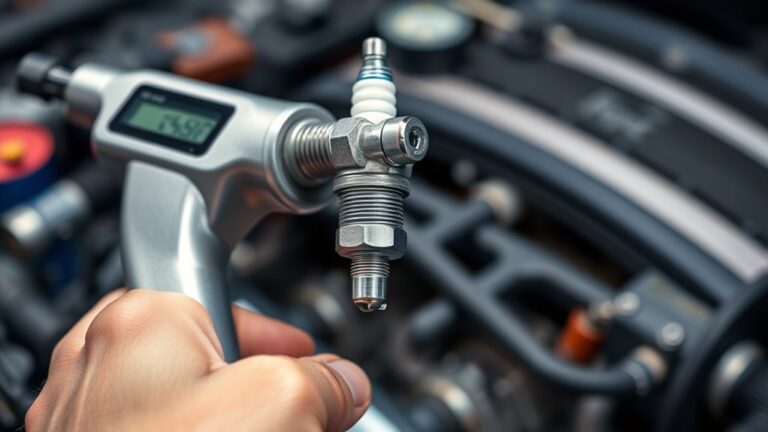
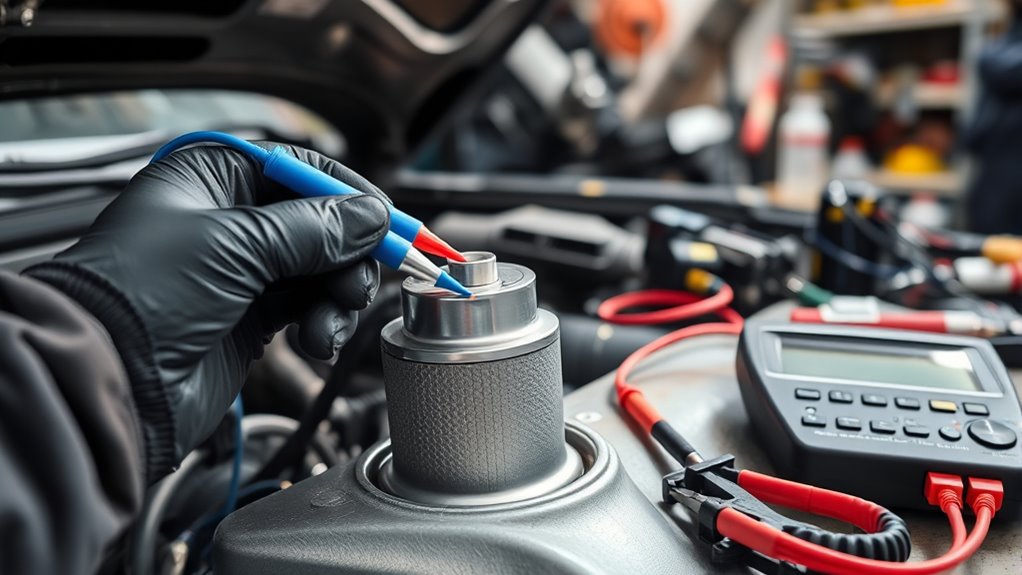
If you want to be thorough, you can also use diagnostic tools like a spark tester or an OBD-II scanner. These can give you a better idea of how well your spark plugs are firing and whether they might need replacing. Using these methods helps ensure you’re making an accurate assessment before hitting the road again.
Visual Inspection Techniques
Performing a visual inspection of your spark plugs is simple and effective, but safety always comes first. Carefully remove the spark plugs using insulated tools to avoid electrical shocks.
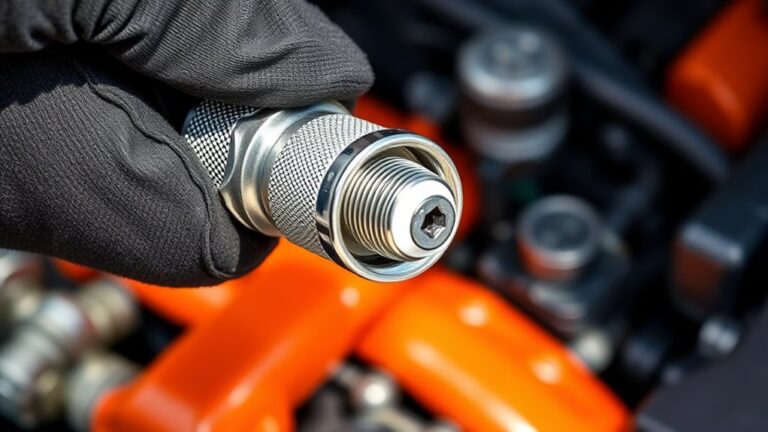
Look at the spark plug design and check for signs of wear, corrosion, or deposits that could mean misfiring or poor combustion. Examine the electrode for erosion or buildup, which can affect ignition timing and spark quality.
A healthy spark plug usually has a clean, light tan or gray insulator tip. If it’s charcoal-black or oily, that suggests fouling. Also, look for a widened or uneven gap between the electrodes.
These visual clues help you determine if your spark plug is working properly and if it might need replacing to ensure the best ignition timing and engine performance.
Diagnostic Testing Methods
Safely checking your spark plugs involves simple diagnostic tests that don’t require specialized tools or procedures. Start your engine and listen for rough idling, misfires, or a loss of power, which can indicate spark plug issues affecting your engine’s performance.
Remove a spark plug and examine its condition—wear, fouling, or damage can signal a problem. Using a spark plug tester can help you see if your current plugs, including aftermarket options, are working properly.
Checking for a consistent spark output and proper firing can reveal whether your spark plugs are still effective or nearing the end of their lifespan. Regular diagnostic tests give you a better idea of your spark plug’s condition.
This way, you can decide if they’re safe to keep using or if they need replacing to keep your engine running smoothly.
Is It Safe to Drive With Bad Spark Plugs?
Driving with bad spark plugs isn’t just a minor inconvenience; it can also be a safety risk. A worn or fouled ignition system can cause engine misfires, rough idling, or even stalling.
Spark plugs are essential for igniting the fuel-air mixture efficiently. When they malfunction, the ignition system struggles to deliver consistent sparks, which hurts engine performance.
This can lead to sudden power loss or hesitation while you’re driving, increasing the chance of accidents. Plus, faulty spark plugs can cause higher emissions, harming the environment.
If you notice frequent misfires, difficulty accelerating, or lower fuel economy, it’s unsafe to keep driving without fixing the issue.
For your safety, get your ignition system inspected and replace your spark plugs promptly. This helps prevent further damage and keeps your vehicle running reliably.
What Are the Risks of Driving on Faulty Spark Plugs?
Driving with faulty spark plugs can cause your engine to misfire, and that can lead to uneven running or even stalling while you’re on the road. Not only is that frustrating, but it also means your car isn’t running smoothly. Plus, when your spark plugs aren’t working right, your fuel efficiency drops, so you’ll end up spending more at the pump. And let’s be honest, nobody wants to fork out extra money for gas or repairs.
If you ignore these warning signs for too long, it can actually do some serious damage to your engine. Over time, faulty spark plugs can cause rough running or even lead to more costly repairs down the line. So, it’s definitely worth checking them out sooner rather than later to keep your car running smoothly and avoid those hefty repair bills.
Increased Engine Misfires
Have you noticed your engine sputtering or hesitating during acceleration? Increased engine misfires are a common sign of bad spark plugs.
Faulty spark plugs, with worn or incompatible materials, can disrupt the spark needed for proper combustion. If the ignition timing isn’t firing correctly, misfires become more frequent, causing rough running and poor acceleration.
These misfires throw off the engine’s rhythm and can harm other parts like your catalytic converter. Over time, persistent misfires lower your engine’s efficiency, risking further damage.
Ignoring these symptoms can lead to more costly repairs. Understanding that bad spark plugs cause misfires shows why quick inspection and replacement are so important for smooth operation and your vehicle’s health.
Reduced Fuel Efficiency
Are your fuel costs higher than usual? Faulty spark plugs can directly impact your fuel economy, making your vehicle less efficient. As spark plugs age and fail, combustion becomes uneven, which wastes fuel.
Driving on bad spark plugs can significantly reduce their lifespan, meaning you’ll need to replace them more often. Keep an eye on a few key points:
- Poor combustion leads to higher fuel consumption.
- Misfiring spark plugs lower your overall fuel efficiency.
- You’ll spend more at the pump due to increased fuel needs.
- Reduced fuel economy shortens the life of your spark plugs.
Ignoring this issue can cause ongoing fuel waste and cost you more money in the long run. Regularly checking and replacing spark plugs helps maintain good fuel economy and extends their lifespan, saving you both money and hassle.
Potential Engine Damage
Ignoring faulty spark plugs can lead to serious engine damage over time. Different types—like copper, platinum, or iridium—are made for specific ignition needs.
When spark plugs malfunction, misfires happen often, causing incomplete combustion. This reduces engine efficiency and puts extra stress on components like valves and pistons.
Continuous misfiring can damage pistons, warp valves, or cause carbon buildup, leading to costly repairs. Driving on bad spark plugs also makes the ignition system work harder, which can wear out parts like ignition coils.
Over time, these problems might cause the engine to overheat or even fail. Catching faulty spark plugs early helps prevent major damage and keeps your engine running reliably and efficiently.
When Should You Visit a Mechanic for Spark Plug Replacement?
Knowing when to visit a mechanic for spark plug replacement is key to keeping your vehicle running smoothly. If you notice symptoms like misfiring, rough idling, lower fuel efficiency, or trouble starting, it’s time to get professional help.
Recognize symptoms like misfiring or rough idling to know when to visit a mechanic for spark plug replacement.
Worn or damaged spark plugs, especially if they’re made from older materials, can cause issues that impact your ignition coil’s performance. So paying attention to these signs is important for your engine’s health.
You should visit a mechanic for spark plug replacement if:
- Your spark plugs are over 30,000 miles old, depending on the material used.
- You keep experiencing misfires or rough idling.
- Your vehicle’s fuel economy drops noticeably.
- You have trouble starting the engine or hear unusual sounds.
Replacing spark plugs promptly helps prevent damage to the ignition coil and ensures your engine runs at its best. Regular inspections can catch problems early and save you from expensive repairs later on.
Should You Repair Temporarily or Replace Spark Plugs?
When your engine misfires or runs roughly, you might wonder whether a quick fix will do or if you should replace the spark plugs entirely. Conducting spark plug testing can help gauge how serious the issue is.
If the problem is minor, a temporary repair—like cleaning or regapping the spark plugs—might boost performance. But keep in mind, this isn’t a long-term fix; it might stall or get worse over time.
If testing shows the spark plugs are fouled, worn, or damaged, replacing them is really your best bet. Relying on a quick fix may seem easier, but it can lead to more engine problems later on.
Carefully consider the results of your spark plug testing. When you’re unsure, replacing the spark plugs ensures reliable operation and helps avoid costly repairs down the road.
Common Mistakes to Avoid With Worn Spark Plugs
Even when you think your spark plugs just need a quick clean or regap, it’s easy to fall into common pitfalls that can do more harm than good. Mistakes during spark plug maintenance can actually hurt engine performance and lead to costly repairs.
First, skipping proper diagnosis before replacing or cleaning spark plugs can result in unnecessary work or missing the real issue. It’s always best to identify the actual problem first.
Using the wrong tools or applying too much force when working on the ignition system can damage threads or electrodes. Be gentle and use the right tools to avoid costly repairs.
Neglecting to check engine tuning and related components might cause spark plugs to wear out faster. Make sure everything is properly tuned to extend the life of your plugs.
Finally, ignoring the manufacturer’s recommendations for spark plug gaps or replacement intervals can reduce engine efficiency and smoothness. Follow those guidelines for optimal performance.
How Long Can You Drive With Minor Spark Plug Issues?
Minor spark plug issues, like slight misfires or corrosion, might not seem urgent, but ignoring them can still affect your vehicle’s performance. Small problems can disrupt spark plug function and lead to inefficient combustion and ignition timing problems.
How long you can drive depends on how severe the issue is. Usually, minor problems are manageable for a few hundred miles. Check this table for guidance:
| Issue Type | Potential Impact | Approximate Mileage Allowed |
|---|---|---|
| Slight Misfires | Reduced fuel efficiency | 200-300 miles |
| Mild Corrosion | Harder ignition spark | 150-250 miles |
| Slight Wear or Loosen | Ignition timing disturbance | 200-300 miles |
Prompt action helps prevent bigger problems, especially with modern engines that depend on spark plug performance for optimal ignition timing. If you notice symptoms, it’s best to get your vehicle checked before the issue worsens.
Signs It’s Time to Replace Your Spark Plugs
Spark plugs need replacement when they show clear signs of wear or damage that can’t be fixed by simple cleaning. You’ll notice signs like misfiring, rough idling, decreased fuel efficiency, and difficulty starting your engine. Understanding the spark plug materials and styles helps you know when it’s time to replace them, as different designs wear differently.
Here are some key signs to watch for:
- Engine misfires or rough running – this suggests worn electrodes or degraded insulator tips.
- Poor acceleration or reduced fuel economy – usually caused by weakened spark delivery.
- Visible wear or damage – such as cracks or fouling on spark plug styles.
- Excessive electrode gap – an expanding gap signals erosion of materials, impacting performance.
Recognizing these signs helps you replace your spark plugs before they cause more serious engine problems. Keep in mind, different spark plug materials and styles influence how long they last and how well they perform.
Frequently Asked Questions
Can Bad Spark Plugs Cause Long-Term Engine Damage?
Yes, bad spark plugs can cause long-term engine damage. When spark plugs suffer from corrosion, they can lead to misfire symptoms like rough idling and poor acceleration.
If you ignore these issues, they put extra strain on your engine, potentially damaging the valves, pistons, or catalytic converter. Regularly inspecting and replacing worn spark plugs helps prevent corrosion and reduces misfire symptoms.
Keeping up with spark plug maintenance keeps your engine running smoothly and helps avoid costly repairs down the line.
How Often Should Spark Plugs Be Inspected or Replaced?
You should inspect your spark plugs every 30,000 miles or so, but always check your vehicle’s manufacturer recommendations. Spark plugs made of materials like platinum or iridium tend to last longer, sometimes up to 100,000 miles.
Regular inspections help catch wear or fouling early, keeping your engine running smoothly. Replace spark plugs when they show damage, excessive wear, or aren’t firing properly. Doing this can prevent engine misfires and help maintain efficiency.
Are There Any Warning Lights for Faulty Spark Plugs?
Yes, your vehicle’s warning light can indicate faulty spark plugs during warning light diagnosis. Usually, the check engine light will turn on if there’s an issue with spark plug replacement or ignition system problems.
Pay attention to rough idling or misfires, as these also signal spark plug trouble. Addressing these signs promptly can help prevent further engine damage and keep things running smoothly.
Regular maintenance and diagnostics are key to keeping your vehicle running efficiently and avoiding unexpected issues.
Does Driving With Bad Spark Plugs Affect Fuel Economy?
Driving with bad spark plugs is like running a marathon with a limp. Your fuel efficiency drops, and your engine struggles.
When spark plugs misfire, your vehicle burns more fuel and emits more pollutants. This impacts both fuel economy and emissions.
You might notice sluggish performance or reduced mileage, making it clear that faulty spark plugs hurt your car’s efficiency and the environment.
It’s best to replace them promptly.
Can Bad Spark Plugs Cause the Engine to Stall?
Yes, bad spark plugs can cause your engine to stall, especially if you notice engine hesitation or misfire symptoms. When spark plugs are worn or dirty, they struggle to ignite the fuel mixture consistently.
This can lead to irregular engine performance, resulting in stalls or rough idling. If you experience these signs, it’s important to replace the spark plugs promptly.
Doing so helps prevent further damage and keeps your engine running smoothly.
Conclusion
So, next time your car starts acting up, remember—driving with bad spark plugs might seem harmless. But it’s pretty much a ticking time bomb for your engine.
Irony’s on your side here: ignoring those warning signs could save you money or land you on the roadside. Honestly, a smooth ride starts with a simple spark check.
Don’t wait until you’re stuck—check your spark plugs early. Your engine will thank you for catching problems with bad spark plugs before they get worse.