How to Reset the Check Engine Light on Your Jeep Wrangler in 5 Easy Steps
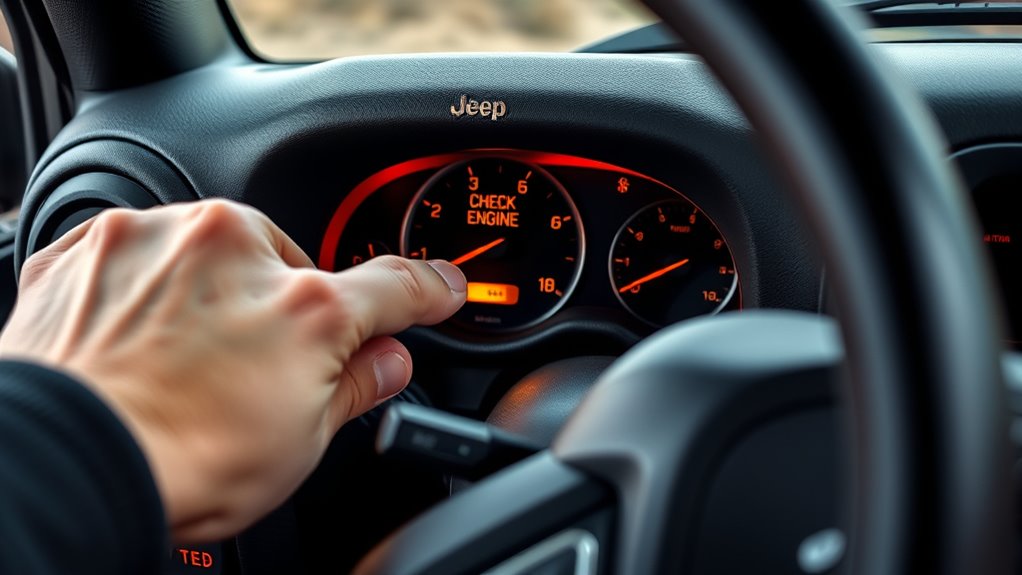
Many Jeep Wrangler owners know the frustration of seeing the check engine light pop up unexpectedly. You’re not alone—this common issue can be nerve-wracking, especially if you’re unsure how to reset it.
To reset the check engine light on your Jeep Wrangler, start by preparing your vehicle—check tire pressure, tighten the gas cap, and make sure there’s enough fuel.
If the light remains on, use an OBD-II scanner or disconnect the battery cables after turning off the ignition.
Wait about 10 minutes before reconnecting everything, then restart your vehicle.
If the warning pops up again, there are simple troubleshooting steps to try next. Keep reading to learn more.
Key Takeaways
- Check and tighten the gas cap to make sure there are no leaks that might be triggering the warning light.
- Use an OBD-II scanner to read and clear any trouble codes from your Jeep Wrangler.
- Disconnect the negative battery cable for about 10 minutes to manually reset the system.
- Reconnect the battery cables securely, positive first, then negative, before restarting the engine.
- Take your vehicle for a few miles of driving to see if the warning light doesn’t come back.
How to Prepare Your Jeep Wrangler for the Check Engine Light Reset
Before resetting the check engine light, it’s a good idea to make sure your Jeep Wrangler is properly prepared. Start by checking your tire pressure; underinflated or overinflated tires can affect fuel efficiency and cause warning lights to come on.
Make sure all tires are inflated to the manufacturer’s recommended pressure, which you can find on the driver’s side door frame. Poor tire pressure can make your engine work harder, impacting fuel economy and possibly triggering the check engine light.
Also, check that your fuel tank isn’t nearly empty. Low fuel levels can sometimes cause sensor errors. Lastly, ensure your gas cap is tight and in good condition because a loose or damaged cap can turn on the warning light.
Taking these simple steps helps ensure that once you reset the light, the underlying issues aren’t still there. It also helps your Jeep run smoothly with better fuel efficiency.
Proper preparation can prevent false alerts and improve overall vehicle performance.
Diagnosing Common Causes of the Check Engine Light on Your Jeep Wrangler
Once you’ve prepared your Jeep Wrangler by checking tire pressure, fuel level, and the gas cap, it’s good to understand what might be causing the check engine light to come on. Common reasons include:
Faulty sensors like oxygen sensors or mass airflow sensors can turn on the warning light. These sensors affect fuel efficiency and emissions.
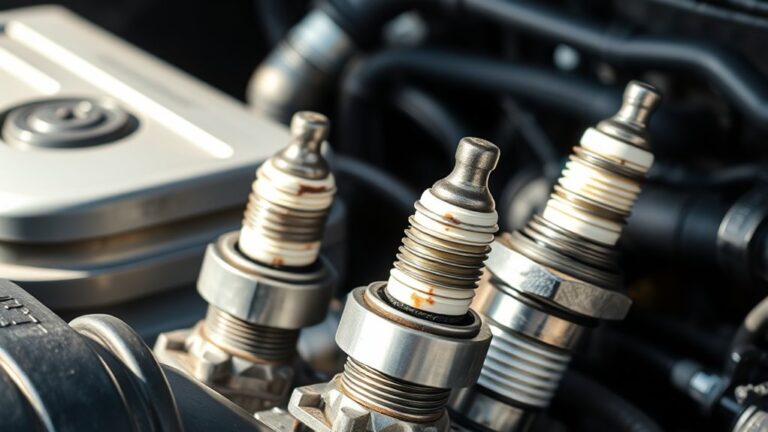
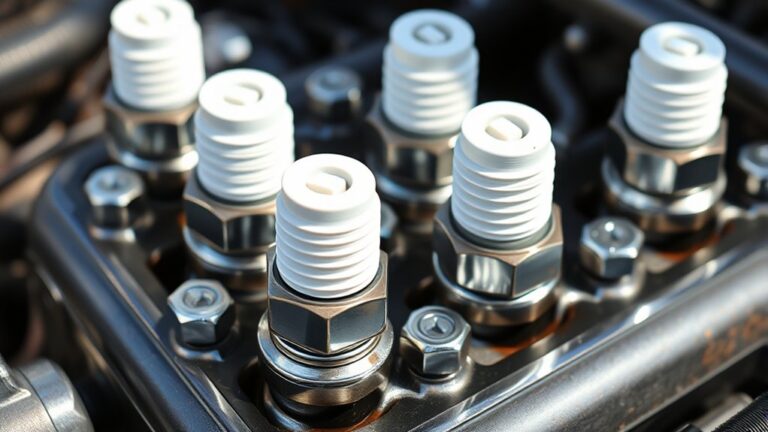
Engine misfires are also common. They can happen from worn spark plugs, ignition coils, or fuel injectors, causing rough running sounds and less power.
Issues with your exhaust system, such as a damaged catalytic converter or leaks in the exhaust, can trigger the light too.
Vacuum leaks from cracks or disconnections in vacuum hoses can lead to improper air intake, making the engine run inefficiently.
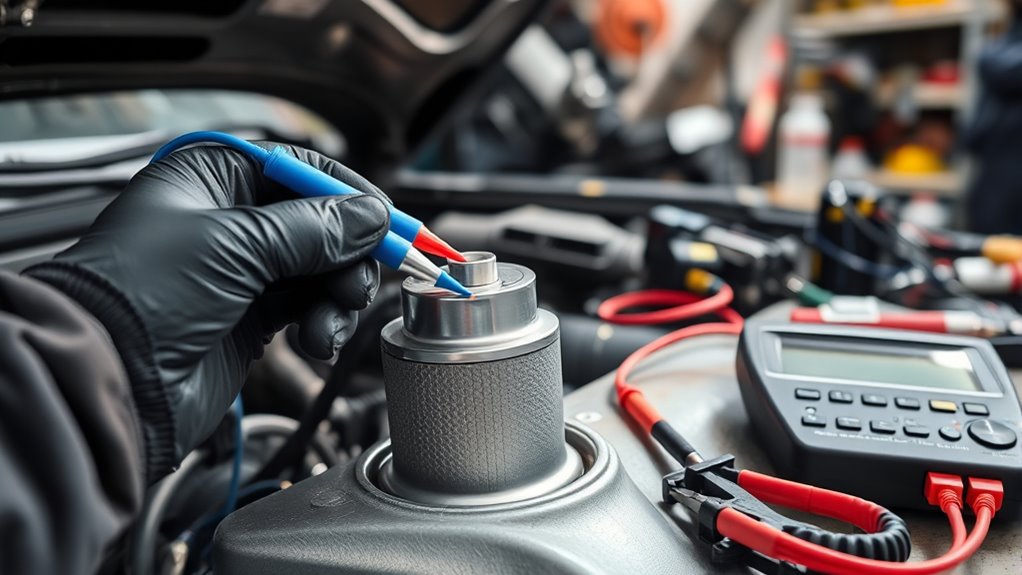
Using an OBD-II scanner to diagnose these problems will help you identify the cause. Fixing faulty sensors and engine misfires early can prevent more serious damage and keep your Jeep running smoothly.
How to Reset the Check Engine Light on Your Jeep Wrangler Manually
If the check engine light has turned off after you’ve fixed the issue, you might want to reset it manually to clear the warning on your Jeep Wrangler’s dashboard.
One simple way is by disconnecting the vehicle’s battery terminals, which resets the vehicle’s electronic system. Before doing this, turn off your ignition and use a wrench to disconnect the negative cable first, then the positive.
Disconnect the negative cable first, then the positive, to safely reset your Jeep’s electronic system.
Leave the cables disconnected for about 10 minutes to let the vehicle’s emission system reset. Reconnect the cables and start your engine.
Some Jeep models have a dedicated reset button or use the ignition switch. Turn it to the “on” position, then off, and repeat this cycle a few times.
Keep in mind that while manual resets can clear the warning, they don’t fix the underlying emission system issues. If the warning pops up again, it’s best to use diagnostic tools or get help from a professional.
Using an OBD-II Scanner to Clear the Check Engine Light on Your Jeep Wrangler
Using an OBD-II scanner is one of the easiest and most effective ways to clear the check engine light on your Jeep Wrangler. First, connect the scanner to the vehicle’s OBD-II port, usually located under the dashboard. Turn on your ignition without starting the engine.
Then, follow these steps: Select the “Read Codes” option to identify any issues, such as sensor calibration problems. Review the stored trouble codes related to engine tuning or sensors that may be causing the warning.
Next, choose the “Clear Codes” or “Reset” function to erase the trouble codes from the system. Finally, drive your Jeep for a few miles to make sure no new codes appear, confirming that the sensor calibration and engine tuning are working properly.
This method resets the check engine light without manual effort and helps keep your engine running smoothly.
What to Do If the Check Engine Light Comes Back on After Reset
After resetting the check engine light with your OBD-II scanner, you might notice it coming back on shortly after. If that happens, the first step is to reconnect your scanner and read the check engine codes. These codes tell you what’s causing the issue.
Ignoring the warning can lead to problems during emissions inspection or, worse, cause damage to your Jeep Wrangler’s engine. If the codes point to minor issues, you might fix them yourself. But persistent codes usually mean a more serious problem that needs professional diagnosis.
Ignoring the warning can cause engine damage or failed emissions tests. Address issues promptly for smooth driving.
Be sure to address these problems promptly. Driving with ongoing issues can affect your vehicle’s performance and emissions. Some issues might only make the light come back on temporarily if the problem isn’t fully resolved.
Regularly check the code history and make sure the problem is truly fixed before clearing the light again. This helps avoid unnecessary trips to the mechanic and keeps your vehicle running smoothly.
Frequently Asked Questions
Is It Safe to Drive With the Check Engine Light On?
Driving with the check engine light on can be risky because it indicates a potential issue with your engine or emissions system. Ignoring the dashboard warning might lead to decreased engine performance or further damage.
If the light is steady, it’s usually safe for short trips. But if it’s blinking, stop driving immediately and have a mechanic inspect your Jeep.
Always prioritize safety and proper engine maintenance to prevent costly repairs.
How Long Does It Take for the Light to Reset?
The check engine light can reset almost instantly after fixing the issue, like flipping a switch.
Or, it might take several drives for the system to clear sensor warnings. Usually, it takes about 10-15 engine cycles, which is roughly a few days.
To speed up the process, make sure you’re following proper maintenance tips and clearing any error codes with a scanner.
Can I Reset the Light Without Tools or Scanners?
Yes, you can try resetting the check engine light without tools or scanners. First, turn off your Jeep and disconnect the negative terminal of the battery for about 15 minutes. This can temporarily clear error codes.
Keep in mind that without diagnostic tools, you won’t be able to read or clear error codes accurately. For a more reliable reset, using diagnostic tools is recommended to ensure all issues are addressed properly before resetting.
Will Resetting the Light Fix Underlying Engine Issues?
Resetting the dashboard warning doesn’t fix underlying engine issues. It just clears the engine diagnostics memory, which temporarily turns off the warning light.
If the check engine light comes back, it means there’s still a problem that needs fixing.
It’s a good idea to run engine diagnostics or see a mechanic to find out what’s really going on.
Ignoring a persistent warning light can lead to more serious engine damage and costlier repairs later on.
Are There Risks in Disconnecting the Battery to Reset the Light?
You might think disconnecting the battery is a quick fix, but it’s not without risks. The reset dangers include potential electrical issues or losing stored settings.
When you perform a battery disconnect, you risk triggering other warning lights or confusing your Jeep Wrangler’s sensors.
Ironically, you may end up creating more problems than you solve. Always consider safer, more precise methods before opting for a battery reset.
Conclusion
By following these simple steps, you can easily reset your Jeep Wrangler’s check engine light. Just take your time and handle things carefully along the way.
If the light stays on or comes back, it’s a gentle nudge to check your vehicle’s health more closely. Staying attentive helps keep your Jeep running smoothly.
With a little bit of patience and care, you’ll have that check engine light reset in no time. Remember, knowing how to reset the check engine light on your Jeep Wrangler keeps it in great shape and your mind at ease.