How Do You Determine How Long Your Fuel Pump Lasts
Are you tired of unexpected car troubles and sudden breakdowns? Many drivers worry about keeping their vehicles running smoothly and want to avoid costly repairs. One common concern is knowing how long your fuel pump will last and when it might need replacement. You’re not alone in this—fuel pump issues are a frequent headache for many car owners.
To figure out how long your fuel pump will last, monitor signs like engine sputtering, difficulty starting, or loss of power, which indicate wear. Keep track of your mileage, as most pumps last between 100,000 and 150,000 miles. But driving habits and maintenance play a big role in how long it actually lasts.
Regularly check your fuel system, listen for unusual noises, and ensure proper electrical connections. If you want to learn more about extending your fuel pump’s lifespan, check out the details below.
Key Takeaways
- Keep an eye on your engine’s performance. If it sputters, stalls, or is hard to start, these could be signs of a failing fuel pump.
- Check the fuel pressure regularly and make sure the readings match your vehicle’s manufacturer specifications. This helps catch problems early.
- Listen for weird noises like whining or sputtering near the fuel tank. Strange sounds can indicate your pump might be going bad.
- Notice if your car accelerates slowly, loses power, or if your fuel efficiency drops. These are common signs your fuel pump isn’t working well.
- Think about how your driving habits, the engine’s temperature, and the number of use days can affect your pump’s lifespan. Keeping these in check can help extend its life.
How Fuel Pumps Work and Why Their Lifespan Matters
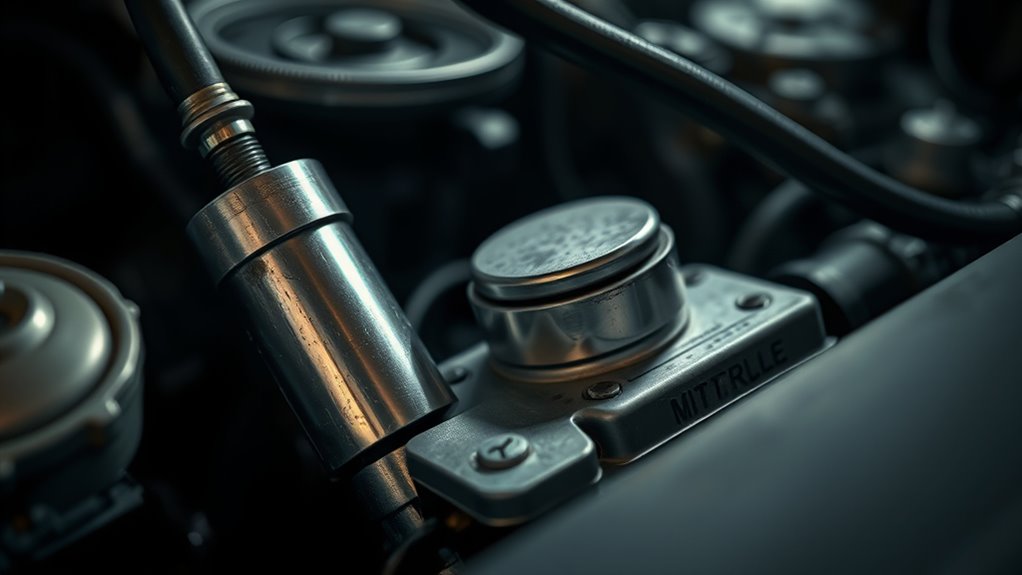
Understanding how fuel pumps work is important because they play a key role in your vehicle’s engine performance. The fuel pump supplies gasoline from the tank to the engine, making sure there’s enough fuel for proper combustion.
It also maintains the right pressure for fuel delivery, which impacts your vehicle’s fuel efficiency. If the pump starts to malfunction or wears out, your engine might struggle to get a steady flow of fuel, leading to poor performance and higher fuel consumption.
The pump works closely with piston mechanics—these pistons move up and down to ignite the fuel-air mixture efficiently. When the pump runs smoothly, it helps support ideal piston movement and combustion cycles.
Over time, the internal components of the fuel pump can wear down, affecting its ability to regulate pressure and deliver fuel properly. Understanding this connection shows why a reliable fuel pump is vital for keeping your vehicle’s efficiency.
Keeping your fuel pump in good condition ensures your engine runs smoothly, saves fuel, and helps you avoid costly repairs later on.
Signs Your Fuel Pump Is Wearing Out
If your car starts to sputter or suddenly stalls, it might be a sign that your fuel pump is giving out. Sometimes, you might even find it hard to get the engine to start, or notice that the performance isn’t quite right—like the engine feels inconsistent or sluggish.
It’s a good idea to pay attention to these signs early on. Catching issues with your fuel pump early can save you from bigger, more expensive problems later on.
Engine Sputtering Or Stalling
When your engine starts to sputter or stall unexpectedly, it’s usually a sign that your fuel pump isn’t delivering fuel properly. This can cause your engine to misfire, which leads to lower fuel efficiency and higher emissions because the engine isn’t running smoothly.
You might notice hesitation during acceleration or irregular engine performance, especially when under load. As the fuel pump wears out, it struggles to provide a steady fuel flow, which can cause it to stall more often.
If you ignore these signs, it could lead to more damage to your vehicle’s components. Recognizing these issues early helps keep your emissions in check and makes sure your engine runs reliably.
Fixing sputtering or stalling sooner rather than later can often prevent bigger problems and help your fuel pump last longer.
Difficulty Starting Vehicle
A vehicle that’s getting harder and harder to start might be showing signs of a failing fuel pump. When your engine cranks but doesn’t turn over smoothly, it could mean the fuel pump isn’t delivering enough fuel.
During diagnostics, you might notice that it takes longer to start or you have to turn the key repeatedly. If you think the fuel pump might be worn out, a professional installation can confirm the issue. Mechanics will often check fuel pressure to get to the bottom of it.
Difficulty starting isn’t always due to the battery, but it often points to the fuel pump needing a closer look. Addressing this early can stop a complete failure and save you money on more complex repairs down the line.
Changes In Engine Performance
As your fuel pump starts to wear out, you might notice some changes in how your engine runs. You could experience slower acceleration, stalling, or even trouble starting the engine.
Your vehicle may run roughly or lose power, especially when you’re climbing hills or trying to accelerate quickly. These signs usually point to a failing fuel pump that isn’t supplying enough fuel.
Ignoring these symptoms can lead to bigger problems, which might mean costly repairs or a new fuel pump. If you think your fuel pump is acting up, don’t wait—get it checked out quickly.
Addressing the issue early can help keep your engine running smoothly and prevent more damage. Proper diagnosis and replacing the fuel pump on time will keep your vehicle reliable.
Average Fuel Pump Lifespan: What to Expect
Typically, fuel pumps last between 100,000 and 150,000 miles, but many factors can influence this range. If your vehicle stays fuel-efficient, it can help extend your pump’s lifespan by reducing strain.
Proper care includes regular maintenance and avoiding running your fuel tank consistently on empty. Understanding fuel tank basics can also help; for example, driving with a full tank prevents overheating and reduces debris buildup.
While age and mileage are important indicators, how often and well you care for your vehicle also plays a role. If you notice engine stalling or sputtering, it might mean your fuel pump is nearing the end of its life.
Knowing the average lifespan helps you plan maintenance and replacements so your vehicle runs smoothly longer. Taking care of your fuel system properly maximizes your fuel pump’s longevity and helps prevent unexpected breakdowns.
Factors That Influence Your Fuel Pump’s Durability
Several key factors directly impact how long your fuel pump lasts, with driving habits and maintenance playing essential roles. Pushing for ideal fuel efficiency means your engine runs smoothly, which reduces strain on the pump.
Aggressive acceleration, sudden stops, and high-speed driving increase wear and tear, shortening its lifespan. Proper maintenance, including regular fuel filter replacements, helps keep debris from clogging the pump and extends its durability.
Environmental conditions also matter—extreme heat or cold can make the pump work harder or become more vulnerable. Maintaining emission control systems ensures the engine runs efficiently and prevents excess stress on the fuel pump.
Neglecting these factors can cause premature failure and costly repairs. By practicing good driving habits and sticking to regular maintenance routines, you help keep your fuel pump healthy.
Ultimately, this can maximize its lifespan and ensure your vehicle stays reliable.
How to Diagnose Fuel Pump Problems
When your fuel pump starts acting up, diagnosing the problem quickly can save you money and prevent further damage. Start by listening for unusual noises, like whining or sputtering, which can indicate a failing pump.
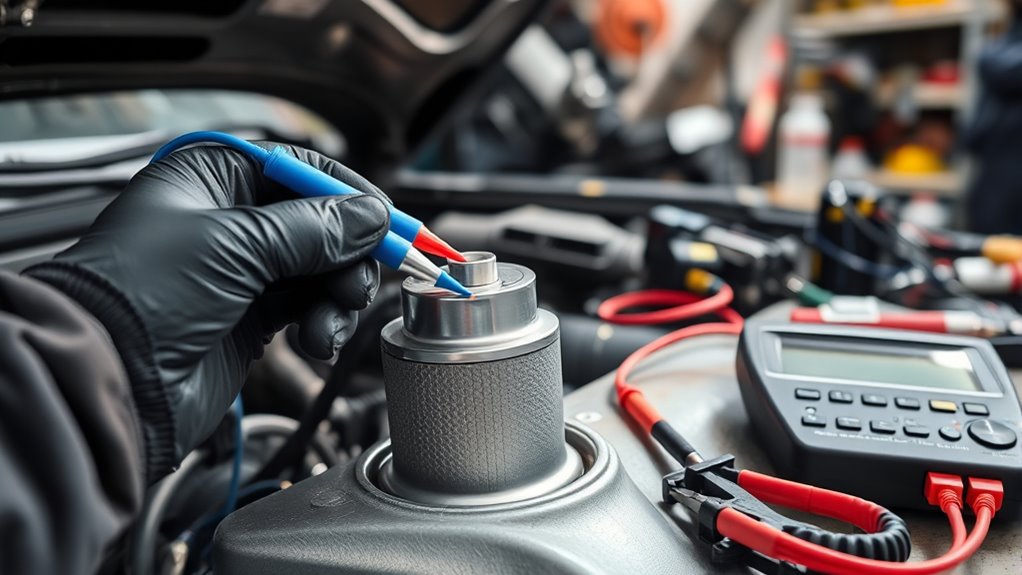
Check the fuel pressure with a gauge to see if it falls below the manufacturer’s specs. Inconsistent pressure often points to calibration issues or wear and tear.
Inspect the fuel filter and lines for clogs or leaks. If you’ve added aftermarket upgrades, make sure they’re compatible because incorrect modifications can cause problems.
Sometimes, a faulty relay or wiring issues can mimic fuel pump failure, so testing electrical connections is important. If you notice a long crank time or loss of power during acceleration, it could mean the pump isn’t delivering enough fuel.
Proper diagnosis involves combining these checks to figure out whether the pump itself is the problem or if something else is causing the symptoms.
Tips to Extend Your Fuel Pump’s Life
To keep your fuel pump going strong for a longer time, it’s a good idea to do regular fuel system checks. Catching problems early can save you a lot of headaches down the road. Also, always go for top-quality fuel because low-grade options can actually cause unnecessary wear and tear over time.
Regular Fuel System Checks
Ever wondered how regular fuel system checks can help extend your fuel pump’s lifespan? Routine inspections make sure your fuel system runs smoothly, which directly affects fuel efficiency and emissions.
During these checks, you can spot potential issues like clogged filters or old fuel lines that put extra strain on the pump. Keeping the fuel system clean prevents the pump from working too hard, reducing wear and tear.
A well-maintained system also ensures proper fuel delivery, boosting your mileage and helping your vehicle meet emission standards. Regular inspections of fuel filters and injectors can save you from costly repairs and extend your fuel pump’s life.
Use Quality Fuel
Using high-quality fuel is one of the simplest and most effective ways to extend your fuel pump’s lifespan. Premium fuel burns more completely, helping improve your vehicle’s fuel economy and keeping your fuel system cleaner.
When you’re gearing up for a road trip, choosing top-tier fuel ensures your pump isn’t working harder than necessary. This reduces wear over time and keeps everything running smoothly.
Lower-quality fuels often have impurities or contaminants that can clog your fuel filter and strain your pump. Regularly refilling with reputable brands helps prevent these issues and saves you from costly repairs later on.
Maintaining good fuel quality helps your pump operate efficiently, last longer, and keep your vehicle running smoothly—whether you’re commuting daily or heading out on a longer adventure.
When to Consider Replacing Your Fuel Pump
Knowing when to replace your fuel pump can save you from unexpected breakdowns and costly repairs.
If you notice sluggish acceleration, difficulty starting, or engine stalling, it might be time to consider replacing it. Over time, wear can reduce its ability to maintain the right fuel flow, affecting fuel efficiency.
Unusual noises like whining or sputtering often signal a failing pump. Regular inspections can help catch these issues early before they turn into bigger problems.
Here’s a quick guide:
| Symptoms | Causes | Suggested Action |
|---|---|---|
| Engine stalling or loss of power | Fuel pump wear or clogging | Test and replace if needed |
| Decreased fuel efficiency | Decline in fuel pump performance | Have a mechanic evaluate |
| Noises from the tank | Failing pump components | Consider replacement |
| Difficulty starting | Insufficient fuel delivery | Get a professional checkup |
Act early to keep your vehicle running smoothly and efficiently.
How Voltage and Fuel Quality Affect Fuel Pump Longevity
Voltage stability and fuel quality are key factors in how long your fuel pump lasts. Fluctuating voltage makes the pump work harder or cycle more often, which speeds up wear and can cause it to fail early. Keep your vehicle’s electrical system in good shape by regularly checking wiring and connections.
Consistent voltage helps the pump get steady power, making it run more efficiently and last longer. Fuel quality also matters. Contaminated or poor-quality fuel with too many additives can clog or damage internal parts of the pump. Using reputable fuel brands and avoiding unnecessary additives can help prevent deposits and corrosion.
Properly maintained fuel filters protect the pump from debris too. This results in smoother operation and a longer lifespan. By keeping voltage stable and choosing high-quality fuel, you can significantly boost your fuel pump’s durability and reduce the risk of quick failure.
Troubleshooting Fuel Pump Failures Early
You want to keep an eye out for any warning signs that might pop up. Things like your vehicle sputtering, having a tough time starting, or feeling a sudden loss of power — these little clues can often point to an early fuel pump problem. It’s a good idea to do regular maintenance checks, just to catch any issues before they turn into something bigger.
Being able to recognize these signals early on can make a huge difference. It means you can get the problem fixed sooner, which helps you avoid those expensive repairs down the line. Staying proactive really pays off when it comes to fuel pump troubles.
Recognizing Warning Signs
Have you noticed your vehicle struggling to start or suddenly stalling? These are clear warning signs that your fuel pump might be failing. Keep an eye out for these indicators:
- Decreased fuel efficiency, making every tank run out faster than usual
- Unusual engine noises like whining or sputtering sounds
- Trouble maintaining steady acceleration or experiencing power loss
- Intermittent engine stalling or hesitation while driving
These signs often show up before the fuel pump completely fails. You might notice engine noise increasing as the pump strains, and your fuel efficiency could get worse.
Consistent Maintenance Checks
Regular maintenance checks are the best way to spot fuel pump issues early before they cause a breakdown. By inspecting parts and monitoring fuel consumption regularly, you can catch problems like inconsistent pressure or strange noises early.
This proactive approach helps prevent sudden failures that lead to inefficient fuel use, saving you money and reducing environmental impact. Paying attention to changes in fuel efficiency can also reveal underlying issues with the pump or related systems.
Keeping your fuel pump in good condition not only extends its lifespan but also ensures your vehicle runs smoothly, reducing unnecessary emissions. Consistent maintenance checks empower you to address minor issues before they escalate, ultimately benefiting both your wallet and the environment.
Expert Tips for Maintaining Your Fuel System
Maintaining your fuel system is key to keeping your vehicle running smoothly and lasting longer. When you take care of it, you’ll see better fuel efficiency and fewer emissions, saving you money and helping the environment.
Make sure to replace your fuel filter regularly to keep clogs at bay and ensure clean fuel gets to your engine. Using high-quality fuel also helps prevent deposits that can mess with your pump and injectors.
Keep your fuel tank clean and full to avoid moisture buildup that can cause rust. And don’t forget to schedule regular inspections with a professional so they can spot potential problems early.
Frequently Asked Questions
Can Extreme Temperatures Shorten Fuel Pump Lifespan?
Extreme temperatures can indeed shorten your fuel pump’s lifespan. Thermal stress from excessive heat or cold strains the pump’s components, speeding up wear.
Poor cooling systems make this worse because they can’t keep temperatures in check. It’s important to ensure your vehicle’s cooling system is working properly.
Try to avoid exposing your car to extreme weather for long periods. Doing so helps prevent thermal stress and keeps your fuel pump going longer.
Does Driving Style Impact Fuel Pump Durability?
Driving style impacts fuel pump durability much like a steady heartbeat keeps things running smoothly.
Aggressive driving, like sudden stops and rapid acceleration, puts extra strain on your fuel pump and causes wear over time.
Smarter driving habits can improve fuel efficiency and help extend your pump’s lifespan.
How Often Should I Have My Fuel Pump Inspected?
You should have your fuel pump inspected regularly, ideally every 30,000 to 40,000 miles, or when you notice symptoms like engine stalling or a whining noise.
Inspection schedules can vary depending on your vehicle’s make and model, so it’s a good idea to check your owner’s manual.
If you see signs of wear, consider replacing the fuel pump quickly to avoid breakdowns.
Regular inspections help keep your fuel pump reliable and catch issues early before they get worse.
Does Vehicle Make and Model Affect Fuel Pump Longevity?
Yes, your vehicle make and model affect fuel pump longevity. Some cars have costly fuel pump replacements, and complex procedures can take longer and cost more.
Knowing the specific make and model helps you understand the potential fuel pump cost and how difficult the replacement might be.
Regular maintenance can prevent premature failure, keeping your vehicle reliable and your repair costs manageable.
Are Aftermarket Fuel Pumps as Reliable as OEM?
Aftermarket fuel pumps can be just as reliable as OEM, but it really depends on their quality.
If you pick an aftermarket pump with high-quality components that meet OEM standards, you’re likely to get similar durability and performance.
But, cheaper aftermarket options might not follow those standards, which could mean a shorter lifespan or potential failures.
Always do some research on the brand reputation and make sure the pump meets OEM quality standards before you install it.
Conclusion
Knowing how long your fuel pump lasts keeps you prepared and confident on the road. While a failing pump can leave you stranded unexpectedly, proactive maintenance and awareness can prevent those frustrating moments. Think of it like preserving a cherished memory—regular care extends its life, but neglect can erase it in an instant.
Stay attentive and act early to prevent breakdowns. Regularly checking your fuel pump’s performance helps spot issues before they become major problems.
By understanding your fuel pump’s lifespan, you can plan for replacements and keep your vehicle running smoothly. Staying proactive with maintenance ensures your fuel pump lasts as long as possible.
Knowing how long your fuel pump lasts is key to avoiding surprises and keeping your journey reliable.