How to Fix Oil in Spark Plugs in 10 Easy Steps
Many vehicle owners face the frustrating issue of oil fouling their spark plugs. You’re not alone—this common problem can affect your engine’s performance and fuel efficiency.
Luckily, fixing oil in your spark plugs isn’t as complicated as it seems, and with a few simple steps, you can get your engine running smoothly again.
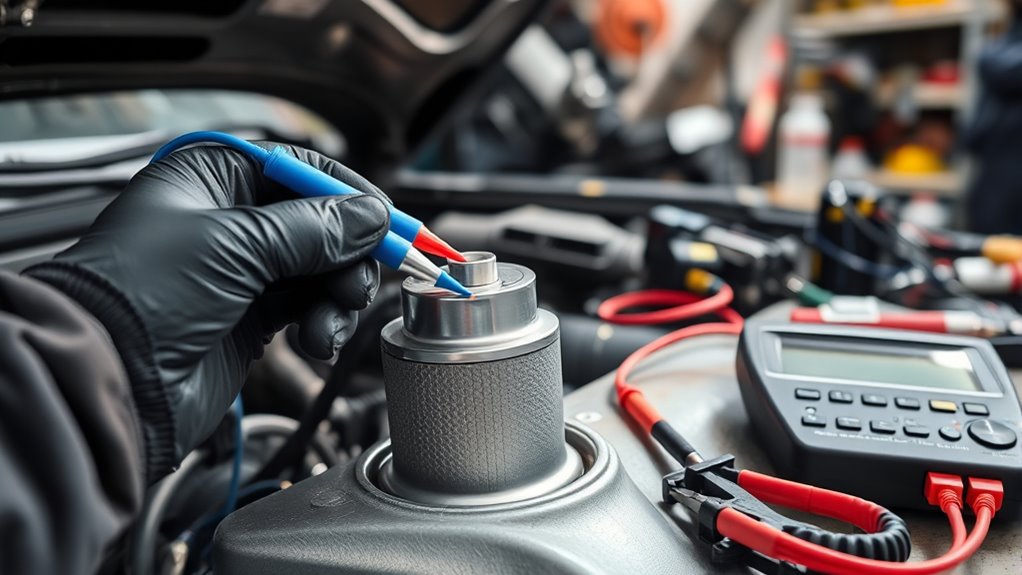
To fix oil in your spark plugs, start by diagnosing the issue with a visual inspection and compression test to identify leaks or worn components.
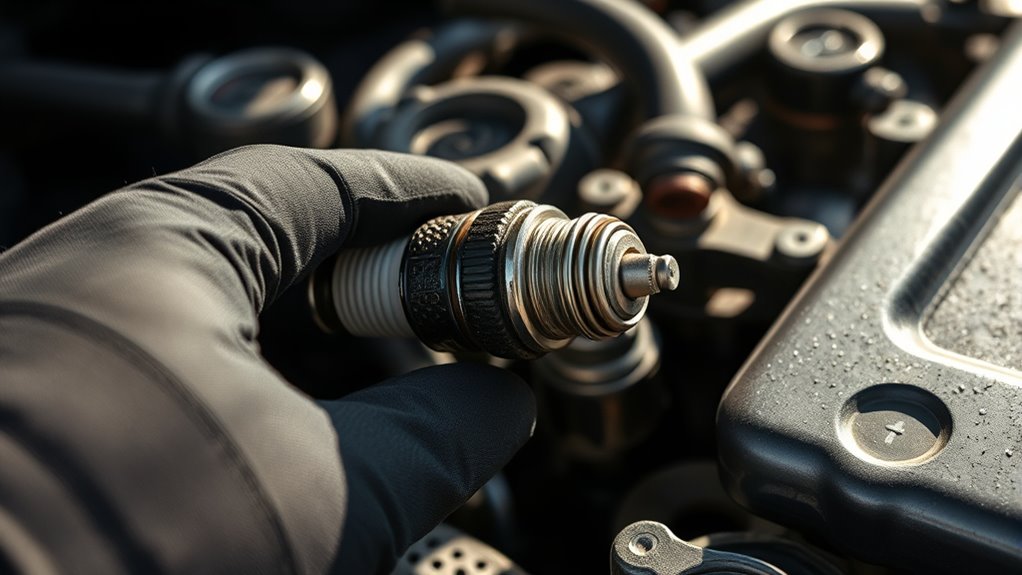
Next, carefully remove your spark plugs, clean them thoroughly with a wire brush, and check for damage or wear.
If cleaning doesn’t fix the problem, replace the plugs with the correct type and torque them properly.
To prevent future fouling, address engine oil leaks by replacing gaskets or seals.
Keep exploring for more tips on proper maintenance and prevention.
Key Takeaways
- First, find where the oil leak is coming from, like the valve cover gasket or piston rings, before you start removing the spark plugs.
- Carefully take out any damaged or fouled spark plugs using the right socket and tools.
- If the spark plugs are worn out or covered in oil deposits, clean them thoroughly or replace them.
- Check and fix any engine seals or gaskets that might be causing the oil leak to prevent the problem from happening again.
- When reinstalling the spark plugs, make sure to tighten them to the correct torque and set the right gap for proper sealing and performance.
What Causes Oil to Leak Onto Spark Plugs?
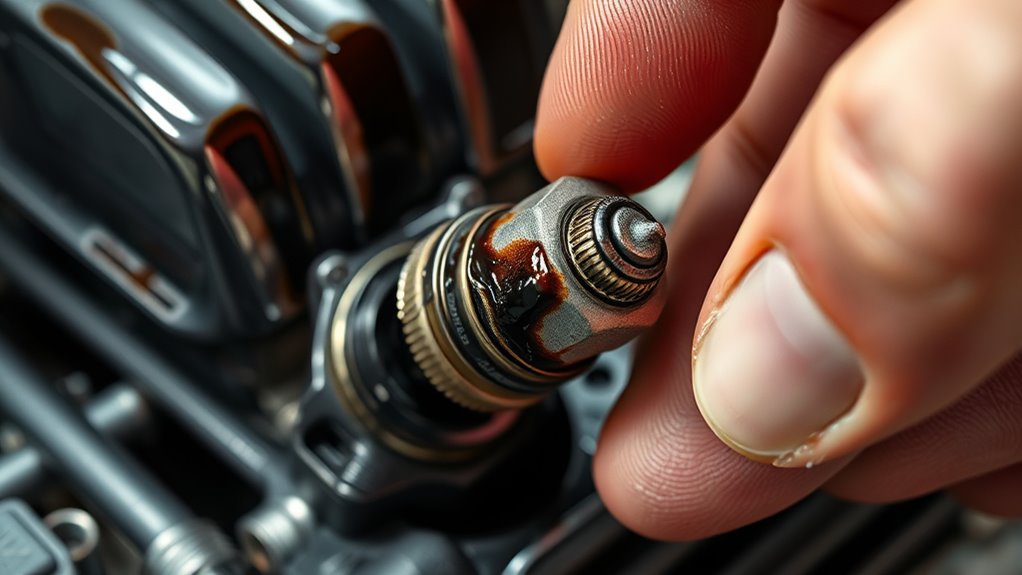
Have you ever wondered why oil leaks onto your spark plugs?
One common cause is worn or damaged valve cover gaskets that don’t seal properly. This lets oil seep into the cylinder head and accumulate around the spark plugs.
Worn valve cover gaskets can allow oil to seep and gather around your spark plugs, affecting engine performance.
When this happens, it can affect engine performance, making it harder for your engine to run smoothly.
Oil buildup around the spark plugs can also reduce fuel efficiency since the engine struggles to maintain proper combustion.
Worn piston rings or valve seals can allow oil to enter the combustion chamber, causing fouled spark plugs too.
Poor engine maintenance, like skipping oil changes, speeds up this process by letting sludge build up and degrading seals.
Knowing these causes helps you catch issues early and avoid more serious engine problems.
Regularly inspecting and repairing valve cover gaskets and seals is really important.
Keeping your engine well-maintained ensures it runs smoothly, uses fuel efficiently, and minimizes oil leaks onto your spark plugs.
Signs Your Spark Plugs Are Fouled With Oil
Recognizing the signs that your spark plugs are fouled with oil can save you from more serious engine issues later on. One key sign is misfiring or rough idling, which happens when oil leaks into the spark plug gap.
You might also notice a loss of power or decreased fuel efficiency. When inspecting the spark plug design, look for oil residue coating the insulator or electrode, which indicates fouling.
Another sign is oily deposits on the spark plugs, often with a foul burnt oil smell. Changes in oil viscosity, like using thicker oils, can make oil fouling worse and these symptoms more noticeable.
Watch out for persistent popping sounds or trouble starting your engine, as these can also be signs of oil-coated spark plugs.
Recognizing these signs early can help you address oil fouling before it causes more serious engine damage.
How to Diagnose Oil on Your Spark Plugs
To check if your spark plugs have oil on them, the first step is to do a quick visual check. Just pull them out and see if there’s any shiny, oily stuff sitting on the electrodes—that’s usually a sign of oil getting involved.
After that, it’s a good idea to run a compression test. If the numbers come back pretty low, it might mean your piston rings or valve seals are worn out and letting oil slip into the combustion chamber. These simple tests can really help you figure out if it’s a minor fix or if there’s a bigger engine problem.
Visual Inspection Method
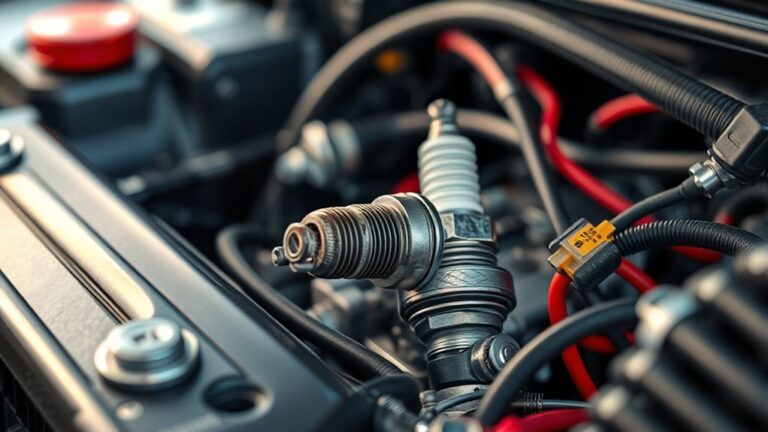
A straightforward way to diagnose oil on your spark plugs is to perform a visual inspection. Remove the spark plugs carefully and examine their tips. Look for a shiny, oily residue or dark, burned deposits—signs of oil fouling.
Pay attention to the spark plug materials; some metals show wear more clearly, which can help with diagnosis. An oily plug might mean issues with piston rings or valve seals.
Also, check the ignition timing. Improper timing can cause incomplete combustion, leading to oil buildup. Look for fouling on multiple plugs, which suggests a broader engine problem.
Keep in mind, a clean, dry spark plug usually indicates no oil issues. Visual inspection is simple but effective for an initial diagnosis before moving on to more detailed tests.
Compression Test Results
Performing a compression test is a key step in diagnosing oil fouling on your spark plugs. Your compression results can reveal if oil leaks into the combustion chamber, which indicates engine issues.
Low compression numbers may signal worn piston rings, valve seals, or cylinder walls. For accurate oil analysis, compare your compression results to the manufacturer’s specifications.
Here’s a quick guide:
| Compression Range | Possible Issue | Recommended Action |
|---|---|---|
| Within normal range | Healthy engine | No repair needed |
| Slightly low | Minor valve or ring wear | Monitor and re-test if needed |
| Substantially low | Major sealing problem | Seek professional inspection |
| Very low or no | Severe damage | Consider engine rebuild |
Preparing Your Vehicle for Spark Plug Removal and Cleaning
Before removing and cleaning your spark plugs, make sure the engine is off and has cooled down completely. This is important to prevent burns or any damage since hot engine parts can cause injuries.
Next, gather all the tools you’ll need, like a spark plug socket and ratchet. Check what material your spark plugs are made of—copper, platinum, or iridium—to understand how durable they are and what cleaning needs they might have.
Think about your engine oil viscosity too. Thick oil can cause deposits around the spark plugs, so keeping the engine cool and clean helps a lot. This also prevents fragile ceramic insulators from breaking.
Before you start, take a quick look at your spark plug wires and coil boots for any signs of wear. It’s also a good idea to clean the area around the engine to stop debris from falling into the cylinders during removal.
Getting everything ready and knowing these basics makes the removal and cleaning process easier, safer, and more successful.
Safely Removing and Accessing Your Spark Plugs
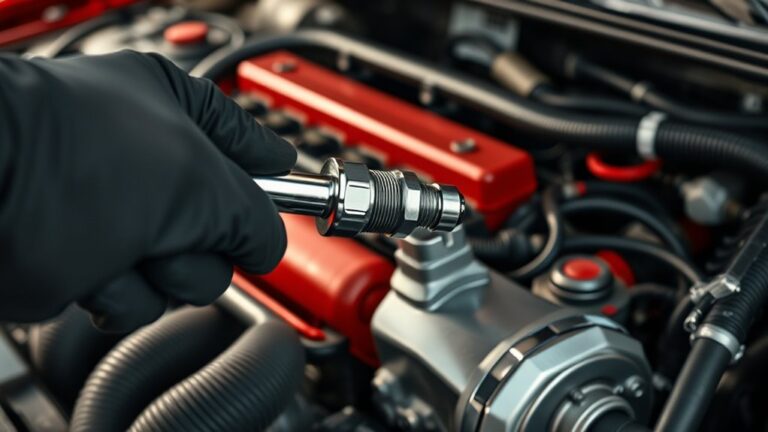
Start by disconnecting the spark plug wires or coil boots from the spark plugs, taking care not to pull on the wires themselves to avoid damage. Once disconnected, carefully remove the spark plugs using a socket wrench fitted with the correct size.
Be mindful of the spark plug materials, like aluminum or copper, as they can be more fragile. When accessing the plugs, check the ignition timing because faulty timing can cause oil fouling and affect performance.
Here’s a quick reference:
| Step | Tip | Caution |
|---|---|---|
| Disconnect wires or coil boots | Pull firmly but gently | Avoid pulling on wires |
| Remove spark plugs | Use the correct socket size | Handle carefully, especially with fragile materials |
| Inspect spark plugs | Look for oil fouling | Ensure ignition timing is set properly |
| Store and organize | Keep in a safe place | Prevent damage or loss |
This approach helps you access your spark plugs safely while keeping key factors like materials and ignition timing in mind.
How to Clean Oil-Fouled Spark Plugs Step-by-Step
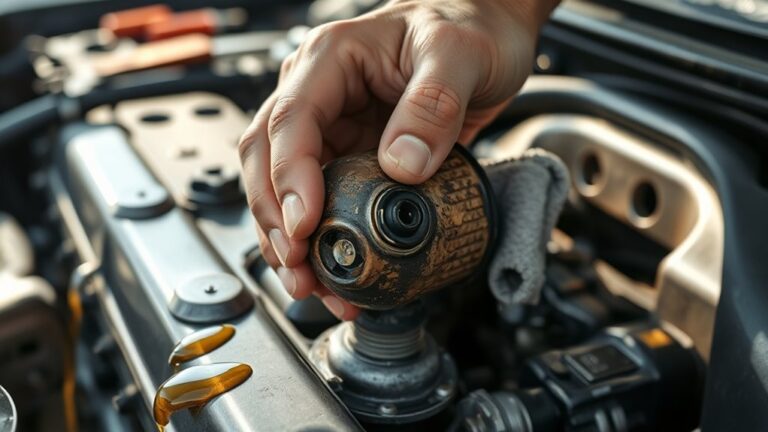
Have oil-fouled spark plugs become a persistent problem? To clean them effectively, start by carefully removing the plugs and inspecting their parts—metal sides, ceramic insulator, and electrodes. Be careful not to damage the ceramic, which can be scratched easily.
Next, use a wire brush or a fine abrasive pad to scrub away oil and grime from the metal areas. For stubborn deposits, soak the plugs in a mixture of degreaser or carburetor cleaner for about 15-20 minutes, then scrub again.
Be gentle around the electrodes to avoid changing the ignition timing, which can impact spark performance. Once cleaned, make sure to dry the plugs thoroughly to prevent moisture from causing misfires.
Avoid applying any abrasive directly to the ceramic insulator, as it’s sensitive. Remember, clean spark plugs can help improve ignition, but improper cleaning might damage the materials or affect timing. So, take your time and proceed carefully.
Proper cleaning can boost your engine’s performance and help your spark plugs last longer.
When Should You Replace Your Spark Plugs Instead of Cleaning Them?
If your spark plugs are looking pretty worn out—like they have eroded electrodes or a lot of heavy carbon buildup—it’s usually better to replace them rather than try to clean them. Sometimes, cleaning just isn’t enough to fix the problem.
Also, if you’re still experiencing engine issues like misfires or rough idling, that’s a sign you might need to swap them out. It’s often more effective than just cleaning, especially if the plugs are already showing signs of wear.
And don’t forget about how many miles are on them. If they’ve hit around 100,000 miles or more, it’s generally a good idea to replace them. It can help avoid bigger, more expensive engine damage down the line.
Signs of Severe Wear
How can you tell when your spark plugs have worn out beyond cleaning? Signs of severe wear include visible damage to the spark plug materials and declining ignition system performance. If you notice:
- Excessive carbon buildup or ash that cleaning can’t remove
- Worn or eroded electrodes, reducing spark quality
- Cracks or chips in the insulator or electrode tip
- Persistent misfires or difficulty starting despite cleaning
These signs mean it’s time to replace your plugs. When the electrode or insulator materials degrade, cleaning won’t restore maximum performance. Worn spark plugs strain your ignition system, leading to poor fuel efficiency and engine trouble.
Recognizing these signs helps you decide when it’s time for new plugs. Replacing them ensures smooth operation and helps you avoid further engine issues.
Persistent Engine Issues
Check the spark plug gap to make sure it matches the manufacturer’s specs. An incorrect gap can mess up ignition timing and cause performance problems. If the plugs have heavy carbon build-up, oil fouling, or electrode wear, cleaning won’t fix those issues.
In that case, replacing the spark plugs is essential for proper ignition and smooth engine operation. Ignoring this can lead to higher fuel consumption, less power, or even more engine damage.
Keep your engine running efficiently by replacing spark plugs promptly when needed.
High Mileage Thresholds
Most experts suggest replacing your spark plugs every 30,000 to 50,000 miles, depending on your vehicle and driving conditions. When thinking about high mileage thresholds, it’s better to replace rather than clean if:
- The spark plugs have significant wear on the electrodes or are covered with oil deposits.
- Oil viscosity issues cause persistent leaks that contaminate the spark plugs.
- You notice your engine isn’t performing as well or you experience misfires.
- Spark plug materials like platinum or iridium no longer resist wear after a long time.
If you see any of these signs beyond the recommended mileage, replacing your spark plugs will keep your engine running smoothly and help avoid damage. High mileage can cause oil fouling, making cleaning ineffective—especially if the spark plug materials are outdated or not compatible.
Installing Spark Plugs Correctly to Prevent Oil Leaks
To prevent oil leaks around your spark plugs, proper installation is key. First, choose the right spark plug materials, like iridium or platinum, since they resist corrosion and help create a tight seal.
Always check the manufacturer’s specs for the correct plug type and gap setting. When installing, put a small amount of anti-seize compound on the threads to avoid cross-threading and damage, but don’t overdo it.
Make sure the spark plug is seated properly; tighten it to the recommended torque without forcing it. Proper ignition timing is also important—if it’s off, it can cause excess pressure and oil leaks. Adjust the timing according to your vehicle’s manual before installing the plug.
Following these steps helps ensure a tight fit, prevents oil from seeping in around the plug, and keeps your engine running smoothly.
Fixing Engine Oil Leaks That Cause Spark Plug Fouling
To fix engine oil leaks that are causing spark plug fouling, the first thing you want to do is figure out exactly where the oil is coming from. It’s pretty common for worn valve seals or damaged piston rings to be the culprits. Once you’ve pinpointed the source, you can go ahead and fix those parts.
When you’re inspecting, make sure to look closely at the seals and check for any signs of wear or damage. Replacing any faulty components, like worn valve seals or piston rings, will make a big difference. Doing this not only helps stop the oil leaks but also keeps your spark plugs cleaner and the engine running smoothly in the long run.
Identifying Oil Leak Sources
When oil starts leaking into your engine cylinders, it often causes spark plug fouling and poor engine performance. To fix this, you need to identify where the leak is coming from.
First, check the valve cover gasket for cracks or damage since it’s a common place for leaks. Next, examine the piston rings for wear, which can let oil seep into the cylinders.
Then, look at the oil control seals around the valve guides, especially if you’ve recently upgraded your engine with new parts. Also, inspect the crankshaft oil seals, as they can leak if damaged.
Sometimes, using the wrong oil additives or neglecting proper upgrades can make leaks worse. Pinpointing the leak source helps you fix the problem directly, saving time and avoiding unnecessary replacements.
Common Causes of Fouling
Oil fouling of spark plugs often results from underlying engine issues that allow excess oil to reach the combustion chamber. One common cause is worn valve guides or seals, which let oil seep into the cylinder.
Using synthetic oils, which are more viscous, can sometimes increase the risk of fouling if old coatings or deposits build up. Damaged piston rings can also allow oil to bypass into the combustion chamber more easily.
Another factor is degraded spark plug coatings, which normally repel oil and fuel. When these coatings are compromised, oil can start to accumulate on the plugs. Poor engine maintenance or incorrect oil levels can also contribute, leading to excess oil reaching the spark plugs and causing fouling.
Effective Repair Techniques
Addressing engine oil leaks that cause spark plug fouling requires a systematic approach to identify and repair the root causes.
First, check the oil filter to make sure it’s properly installed and not over-tightened, as a loose filter can leak oil onto the plugs.
Next, examine the spark plug gap. If it’s too wide, it can allow excess oil to get in and cause fouling.
Then, inspect the valve cover gaskets for cracks or leaks that could let oil reach the spark plugs.
Finally, clean or replace the spark plugs once the leak is fixed.
To prevent future issues, ensure the oil filter is securely fitted and the spark plug gap matches the manufacturer’s specifications.
These steps will help eliminate oil leaks and restore your engine’s performance.
Tips to Prevent Oil on Your Spark Plugs in the Future
To keep oil from reaching your spark plugs, regular maintenance and mindful driving are key. Check your automatic transmission fluid and valve cover gasket seals often because leaks can let oil seep into the combustion chamber.
Keeping your engine tuned helps improve fuel efficiency and keeps emissions in check. Also, try to avoid aggressive driving that puts extra stress on engine parts, which can lead to oil leaks.
Use the right oil type and check its level regularly. Make sure to schedule timely oil changes to prevent oil buildup. Keeping engine components clean makes it easier to spot leaks and smoke early.
Remember to replace valve cover gaskets regularly and drive smoothly without sudden acceleration. Monitoring these parts and habits will help keep your spark plugs oil-free and your engine running efficiently.
Frequently Asked Questions
Can Using Fuel Additives Help Reduce Oil Fouling on Spark Plugs?
Yes, using fuel additives can help reduce oil fouling on spark plugs.
These additives are designed to clean the spark plugs by burning off oil residue and preventing buildup. This keeps the firing cleaner and improves engine performance.
Regularly adding fuel additives supports piston and ring health by reducing oil leaks that can cause fouling.
However, for severe cases, mechanical cleaning or replacing the spark plugs might still be necessary to get the best engine performance.
How Often Should I Check for Oil Leaks Around My Spark Plugs?
Think of your engine as a diligent guardian looking out for your ride. You should check for oil leaks around your spark plugs once a month, especially if you notice misfires or rough idling.
Use a spark plug wrench to inspect the area, focusing on the engine gasket that seals the spark plug wells. Catching leaks early helps prevent oil from seeping into your spark plugs.
This way, you can keep your engine running smoothly and stay confident that it’s in good shape.
Is It Safe to Drive With Oil-Fouled Spark Plugs Temporarily?
Driving with oil-fouled spark plugs isn’t safe long-term, as it can cause engine misfires and damage. However, if it’s a short trip, you might be okay with it, but make sure to address the issue soon.
Prioritize preventing oil contamination and get your spark plugs checked regularly. Inspect your engine for oil leaks and replace spark plugs promptly.
Doing these maintenance steps helps keep your engine running smoothly and prevents further damage. It’s all about keeping your vehicle performing at its best.
What Tools Are Recommended for Cleaning Spark Plugs With Oil Deposits?
For effective spark plug cleaning and oil deposit removal, you’ll want a set of fine wire brushes, a soft wire brush, and a spark plug socket wrench.
A carburetor cleaner or degreaser helps loosen stubborn oil residues, making the cleaning easier. Use the wire brushes to carefully scrub away deposits, being careful not to damage the electrode.
Make sure you handle your tools with precision and patience. Always wear proper protective gear to keep yourself safe and to preserve the spark plug’s health and performance.
Will Replacing Spark Plugs Fix Underlying Engine Oil Leaks?
Replacing spark plugs won’t fix underlying engine oil leaks because these leaks are caused by worn seals or gaskets, not the spark plugs themselves.
However, oil in the spark plugs can negatively impact engine compression and ignition timing, leading to misfires or performance issues.
To fix the problem, you need to identify and repair the source of the oil leak while making sure your engine’s compression and ignition timing are properly maintained for peak performance.
Conclusion
Keeping your spark plugs clean and dry is like tending a delicate garden; it requires your care and attention. Regular checks and timely fixes will help your engine breathe easier, ensuring smooth runs and fewer surprises.
Remember, addressing small concerns early on prevents more significant hassles down the road. By maintaining this gentle vigilance, you’ll keep your vehicle humming along happily.
Fixing oil issues in your spark plugs is essential. Keeping them dry not only prolongs their life but also boosts your engine’s performance. So, stay proactive and pay close attention to your spark plugs.