How to Tell If My Spark Plugs Are Old or New
Feeling unsure about whether your spark plugs are still in good shape? You’re not alone—many car owners struggle with knowing when to replace them. Properly maintaining your spark plugs is key for smooth engine performance and fuel efficiency. But how do you tell if your spark plugs are old or new? Let’s break it down.
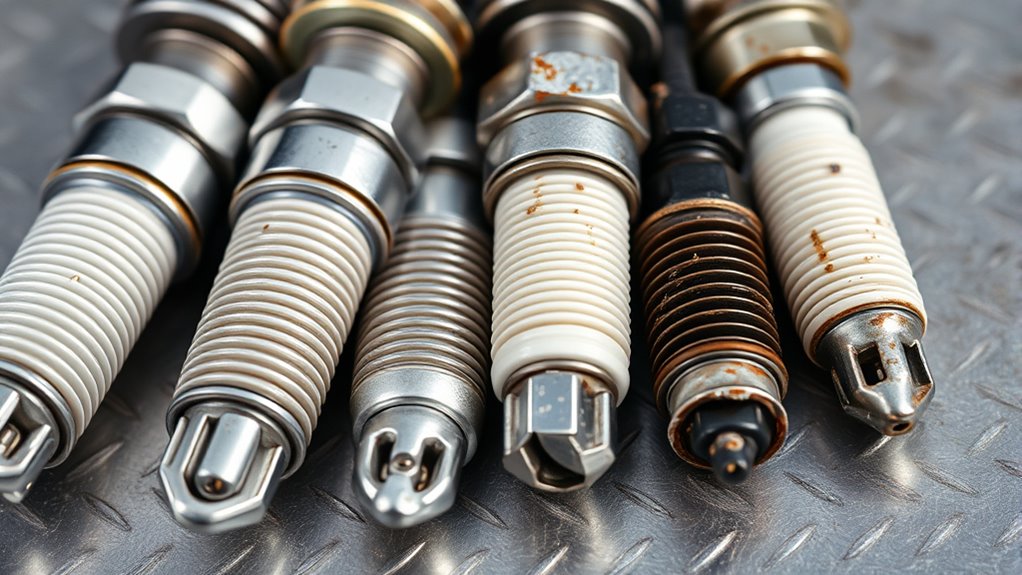
To tell if your spark plugs are old or new, inspect their physical condition. Look for signs like eroded electrodes, carbon deposits, corrosion, or discoloration—all signals of wear.
New spark plugs should have shiny, clean surfaces with smooth electrodes and bright insulators.
Checking the gap and resistance can also help determine if they’re still good.
Want to find out more about what to look for and how to test them properly? Keep going for detailed tips.
Key Takeaways
- Visually check the spark plug for signs of wear such as eroded electrodes, deposits, corrosion, or discoloration.
- Use a multimeter to measure the resistance; a normal reading falls between 4,000 and 20,000 ohms.
- Examine the electrode gap; if it’s widened or uneven, that’s a sign of wear.
- Look for deposits like black soot, which suggests fouling, or white ash that indicates overheating.
- Lastly, compare the overall look: shiny and clean means new, while dull and corroded points to being old.
How Do I Know If My Spark Plugs Are Worn Out?
If your vehicle isn’t running smoothly, it might be a sign that your spark plugs are worn out. The materials used in spark plugs, like platinum or iridium, influence their durability and performance in your ignition system.
When spark plugs age, their electrodes can wear down or become fouled, impairing spark production. You might notice a rough idle, misfires, or difficulty starting your car.
Worn or fouled spark plugs cause rough idles, misfires, and hard starts.
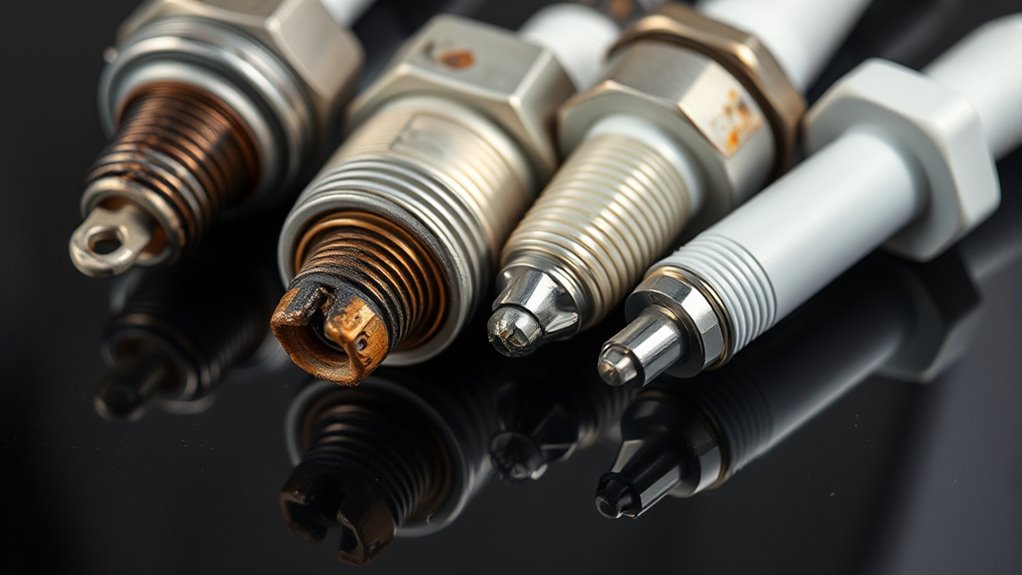
The electrode’s condition becomes visible when inspecting the metal tip. A worn spark plug shows rounded or eroded electrodes instead of sharp edges. Excessive carbon buildup or deposits can also indicate misuse or wear.
These signs point to the need for a replacement to keep your ignition system firing efficiently. Regularly checking your spark plugs and understanding their materials helps you determine if they’re approaching the end of their lifespan.
This way, you can ensure smooth engine performance and avoid unexpected breakdowns.
Signs That Your Spark Plugs Are Failing
When your spark plugs start to fail, you’ll notice a few common signs that can affect how your car runs. Worn or damaged coatings on the plugs can cause misfires and poor combustion.
Here are four key signs to watch for:
- Difficulty Starting: If your engine has trouble turning over, it might be because the sparks are weak or the coatings are worn out.
- Rough Idling: You might feel vibrations or shakiness when the engine is idling, which often means the spark delivery is inconsistent.
- Reduced Fuel Efficiency: If your car starts gulping more fuel, it could be due to failing plugs leading to incomplete combustion.
- Engine Misfires or Hesitation: Feeling hesitation during acceleration or experiencing occasional misfires can point to spark plug wear.
Since coatings on spark plugs vary by manufacturer, worn coatings show that the plugs are degrading over time. Recognizing these signs helps you know when it’s time for a replacement.
Regular inspections by trusted spark plug brands can keep your ignition system performing at its best.
How to Visually Inspect Your Spark Plugs for Wear
To effectively determine whether your spark plugs are worn or still in good shape, visual inspection is a key step. First, remove the spark plugs and take a close look at their electrodes, which are usually made from copper, platinum, or iridium.
Worn electrodes might look rounded or eroded, showing they’ve been used for some time. Check the insulator for any deposits or discoloration caused by high engine temps. A clean, white ceramic insulator is a good sign, while soot or carbon buildup suggests fuel issues or wear.
Look for signs of excessive wear, like a widened gap or corrosion on the metal parts. Different spark plug materials handle heat differently, so knowing what to look for helps you judge their condition. Visual inspection is quick and helpful, but also consider engine temperature and overall performance for a complete picture.
What Do New Spark Plugs Look Like?
Ever wonder how a brand-new spark plug looks? It has a shiny, clean appearance with smooth surfaces, free of carbon build-up or deposits. New spark plugs also show specific signs of quality based on how they’re made and the materials used.
Here are key points to identify a fresh spark plug:
- The center and ground electrodes are crisp and polished, with no signs of wear or erosion.
- The insulator is bright white or light tan, indicating good manufacturing quality.
- The whole metal shell is free of rust, corrosion, or discoloration, which shows it’s new.
- The spark plug shell threads are sharp and clean, with no signs of use or damage.
Knowing how they’re made helps you recognize a new spark plug, especially if it’s made from high-quality materials like iridium or platinum. These improve durability and performance.
A new spark plug’s pristine appearance helps ensure your engine runs smoothly and efficiently.
How to Check and Adjust Spark Plug Gaps
Checking and adjusting your spark plug gap is a simple process that can significantly boost your engine’s performance. The gap affects how well the spark plug ignites the air-fuel mixture and impacts your ignition system’s efficiency.
Start by finding the right gap measurement for your vehicle. This varies depending on the spark plug materials and your engine specs. Use a spark plug gap tool or feeler gauges to carefully measure the gap between the center and ground electrodes.
Find the correct gap for your vehicle and use a gauge to measure between the electrodes carefully.
If the gap is too narrow or too wide, gently bend the ground electrode to adjust it. Make sure it matches the manufacturer’s recommended setting. Properly gapped spark plugs ensure consistent firing, improving power and fuel economy.
Regularly checking and adjusting the gap helps keep your ignition system working reliably. It also helps prevent misfires, engine hesitation, or poor performance.
What Do Deposits and Color Indicate About Spark Plug Wear?
When you take a look at your spark plugs, it’s helpful to check their color and any deposits on them. These little clues can tell you a lot about their condition. If you notice a dark or blackened insulator, it usually means they’re worn out or there might be some issues under the hood. On the other hand, white or grayish deposits could be a sign of engine problems that you might want to diagnose further.
Getting familiar with what these signs mean makes it easier to figure out whether your spark plugs are still in good shape or if it’s time for a replacement. Watching for these visual cues can save you from bigger engine troubles down the line.
Color Changes Indicate Wear
Color changes on your spark plugs can tell you a lot about their condition and if they need replacing. When you inspect them, look at the color and deposits to gauge wear.
Here are some signs to watch for:
- Light Tan or Gray – This usually means everything’s normal and the spark plug is healthy. It’s common for most brands and materials.
- Black or Sooty – This points to a rich fuel mixture or oil fouling. It’s a sign the plug might be worn out and needs checking.
- White or Ashy – These colors could mean the spark plug is overheating or the material is breaking down.
- Oil or Wetness – If you see oil on the plug, it shows contamination and that it’s time to replace it quickly.
The color of your spark plug relates directly to the engine’s conditions and how the plug material responds. Use these signs to decide if a new spark plug is needed.
Deposits Signal Engine Issues
Deposits on your spark plugs can reveal underlying engine problems, as their composition and appearance provide clues about the vehicle’s condition. Different spark plug materials like nickel, platinum, or iridium react differently to the engine’s environment.
For example, a white or ash-gray deposit suggests the engine is overheating. This is caused by high engine temperatures, which burn oil or create combustion byproducts that stick to the plug.
Black, oily deposits often indicate oil leaks or rich fuel mixtures. These signs point to potential engine issues that need attention. Reddish or rust-colored deposits may signal corrosion or contamination within the engine.
Recognizing these deposit patterns helps you spot problems early and prevent further damage. Regular inspection ensures you catch issues linked to improper spark plug performance, which are often visible through deposit colors and build-up.
Spark Plug Condition Significance
The condition of your spark plugs gives you a lot of clues about their wear and your engine’s overall health. The deposits and color on your plugs can show if they’re working properly or need replacing.
White or light gray deposits usually mean proper combustion—just compare with what your manufacturer recommends. If you see black, sooty deposits, it suggests your engine is running too rich, and adjustments might be needed.
An ash-gray or milky coating often points to moisture or coolant leaks, hinting at potential engine issues. Heavy carbon buildup or oil deposits indicate worn piston rings or valve seals and should be checked soon.
Always look at the spark plug materials and follow the manufacturer’s specs. This ensures good performance and helps you accurately assess wear.
How to Test Spark Plug Resistance and Conduct Spark Tests
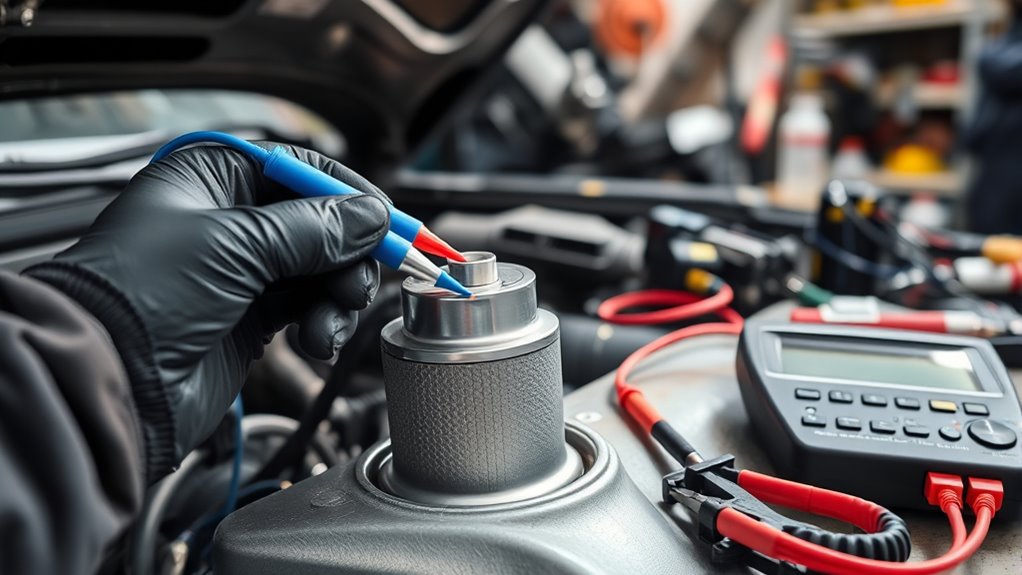
To determine if your spark plug functions properly, start by testing its resistance with a multimeter. Set your multimeter to the ohms (Ω) setting, then place the probes on the spark plug’s terminal and against the metal shell.
A good resistance reading generally falls between 4,000 and 20,000 ohms, depending on spark plug materials and vehicle specifications. If resistance is too high or low, the spark plug may be faulty.
Also, conduct a spark test by connecting the plug to the ignition coil and grounding it to the engine. Crank the engine and observe the spark. A strong, blue spark indicates proper operation.
Here’s a quick overview:
| Parameter | Good Reading | Fault Indicator |
|---|---|---|
| Resistance (Ω) | 4,000 – 20,000 | Too high or low |
| Spark color | Bright blue | Weak or no spark |
| Resistance consistency | Stable across tests | Intermittent or inconsistent |
| Proper installation torque | Guarantees good contact | Loose or overtightened |
| Spark plug materials | Copper, iridium, platinum | Worn or damaged |
When Is It Time to Replace Your Spark Plugs?
Knowing when to replace your spark plugs is key to keeping your engine running smoothly. Over time, wear on the spark plug materials can cause misfires, poor acceleration, and lower fuel efficiency. Recognizing these signs helps you know when it’s time for a change.
Here are four main signs:
- Increased fuel consumption – If your engine starts using more fuel, it could mean your spark plugs aren’t firing properly anymore.
- Difficulty starting – If your engine takes longer to start or needs extended cranking, worn spark plugs might be the culprit.
- Engine misfires or rough idling – Worn spark plugs can cause uneven combustion, leading to misfires or shaky idling.
- Appearance of the spark plugs – Deposits, corrosion, or eroded electrodes on the spark plugs are clear signs you should replace them.
If your spark plugs are over 30,000 miles old or show any of these signs, replacing them can restore optimal engine performance. Regular checks help keep your spark plugs in good condition, ensuring your vehicle runs smoothly.
DIY Tips for Testing Spark Plugs at Home
Sure! Here’s a more conversational version of the text:
First off, take a good look at your spark plugs. Check for any signs of wear, like a lot of carbon buildup or if the electrode looks eroded. It’s a quick way to get an idea if they might need changing.
Next, you can do a spark jump test. Just ground the spark plug and see if it gives off a strong, steady spark. If it’s weak or inconsistent, that’s a sign the plug might be ready for a replacement. These simple checks are handy for figuring out whether your spark plugs are still in good shape or if it’s time to swap them out.
Visual Inspection Techniques
When inspecting your spark plugs at home, start by carefully removing them from your engine and examining their condition visually. This quick check can reveal how well your ignition system and battery are performing.
Look at the color and deposits on the spark plug. A healthy plug should be light tan or gray. If it’s dark, oily, or black, it could signal oil or fuel problems.
Check the electrode for wear. Worn electrodes mean the plug is old and should probably be replaced. Also, look for cracks, chips, or erosion, which indicate deterioration.
Finally, inspect for corrosion on the metal parts. Any signs of corrosion might point to ignition issues or moisture problems. Visual cues like these help you decide if your spark plug still has life or needs replacing.
Spark Jump Test
After inspecting your spark plugs, doing a spark jump test can help see if they’re making a strong enough spark. First, make sure the engine is at its proper temperature since cold engines can skew the results.
To do the test, disconnect the spark plug wire and connect a spark plug tester or a grounding wire with a spark gap. Then, crank the engine and watch for the spark.
A bright blue spark means the plug is working well, but a weak or no spark could mean it’s worn out. If your spark plugs look dirty or buildup is present, consider cleaning or replacing them.
This test is useful for figuring out if old or dirty plugs are affecting your engine’s performance and whether they need to be swapped out.
Professional Checks: What to Expect During a Spark Plug Inspection
During a professional spark plug inspection, a mechanic will carefully remove each plug to check its condition. They’ll look at the materials to see how much wear has occurred and if there’s any corrosion.
The inspection also involves assessing the manufacturing quality, which affects durability and performance. Keep an eye out for these key points:
- Electrode Wear: Check the gap and erosion to see if the spark plug is old or needs replacing.
- Carbon Buildup: Excess deposits often mean there’s inconsistent combustion or sealing issues.
- Cracks or Damage: Visual checks can reveal fractures caused by manufacturing flaws or thermal stress.
- Surface Condition: Look for corrosion or discoloration, which shows exposure to moisture or heat extremes.
Frequently Asked Questions
Can Old Spark Plugs Cause Engine Misfires?
Yes, old spark plugs can cause engine misfires. Worn plugs don’t fire properly, which can mess up the ignition timing and lead to misfires.
This can make your engine less efficient, causing it to work harder and burn more fuel. Over time, dirt and carbon buildup on the plugs can make this worse.
Replacing old spark plugs helps restore proper ignition timing, boosts fuel efficiency, and stops misfires. This keeps your engine running smoothly and efficiently.
How Often Should I Replace Spark Plugs?
You should replace your spark plugs every 30,000 to 100,000 miles, depending on your vehicle and spark plug type.
Visualize your engine running smoothly, thanks to fresh spark plugs. The lifespan of spark plugs varies, so be sure to check your owner’s manual for the recommended replacement interval.
Ignoring this maintenance can lead to poor fuel economy and misfires. But timely replacements keep your engine firing on all cylinders.
Do Different Engine Types Require Different Spark Plugs?
Yes, different engine types often need specific spark plugs because of engine compatibility and the materials used in the spark plugs.
High-performance engines might require specialty spark plugs designed for better heat resistance or durability.
Always check your vehicle’s manual to make sure you choose the right spark plug that matches your engine’s specifications.
Using incompatible spark plugs can affect your car’s performance, fuel efficiency, and how long the spark plugs last. So, pick them carefully based on what your engine needs.
Are Platinum or Iridium Spark Plugs More Durable?
Platinum and iridium spark plugs are both durable, but iridium generally lasts longer because of its harder, more heat-resistant tip. During inspections, iridium plugs tend to keep their shape better and perform consistently over time.
In a platinum versus iridium comparison, iridium beats out in longevity. It’s your best choice if you’re looking for long-term durability. Both types improve performance, but iridium’s longer lifespan gives you added value for your engine.
Can I Mix New and Old Spark Plugs in One Engine?
You shouldn’t mix new and old spark plugs in your engine because it can affect spark plug compatibility and overall performance.
Older plugs may not fire as efficiently, which can strain your electronic ignition system.
It’s best to replace all spark plugs at once to guarantee even firing and ideal engine operation.
Mixing them might cause misfires, rough idling, or decreased fuel efficiency.
Conclusion
Keeping an eye on your spark plugs is key to a smooth ride. Regular inspections and noticing signs of wear will save you hassle and money down the road.
Don’t let small issues snowball. Address them before they become big problems. A quick check or professional tune-up can keep your engine running like clockwork.
Remember, a stitch in time saves nine, so stay proactive about your spark plugs and how to tell if they’re old or new.