Does Diesel Fuel Evaporate and How to Determine It
Are you trying to keep your diesel fuel fresh and prevent unexpected loss or performance issues? Many people struggle with wondering if their diesel is evaporating or just disappearing over time.
Diesel fuel doesn’t evaporate easily under normal storage conditions because of its high boiling point and density.
Factors like temperature, fuel composition, and storage type influence if and how much it evaporates.
You can notice signs like fuel level drops, strong odors, or changes in fuel consistency.
To learn more about how evaporation impacts diesel storage, engine performance, and how to detect or prevent fuel loss, keep exploring the details ahead.
Key Takeaways
- Diesel fuel has high boiling points, so it evaporates more slowly than gasoline, especially under normal conditions.
- When temperatures go up, diesel evaporation speeds up, but cold weather can slow it down quite a bit.
- You can spot evaporation issues by checking fuel levels, noticing odors, looking for residue, or observing engine performance problems.
- Lab tests like thermogravimetric analysis (TGA) or field vapor analyzers can help measure how much diesel evaporates.
- Keeping diesel in sealed containers and using vapor recovery systems are great ways to reduce evaporation and avoid fuel losses.
Does Diesel Fuel Vaporize at Typical Storage Temperatures?
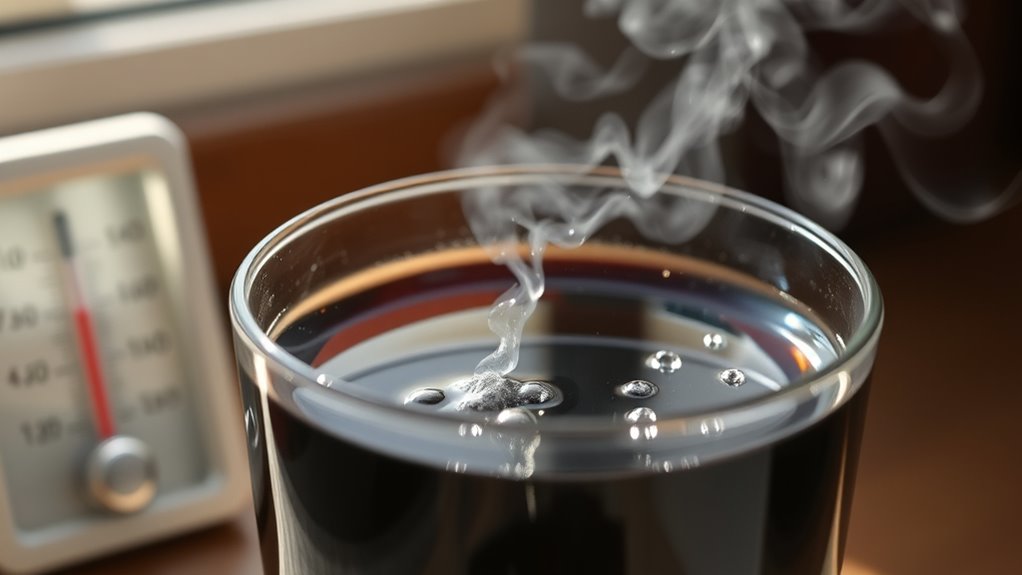
Diesel fuel generally does not evaporate easily at typical storage temperatures because it has a relatively high boiling point. Its diesel density is also higher than that of gasoline, which contributes to its low volatility.
Because of this, diesel remains stable and less likely to vaporize in storage tanks, especially when kept at standard ambient temperatures. Fuel stability is essential for long-term storage because evaporation losses can reduce fuel volume and quality over time.
Diesel’s stability in storage prevents evaporation and maintains fuel quality over time.
The high boiling point means fewer molecules escape into the air, ensuring the diesel stays in liquid form. This characteristic is beneficial for maintaining the fuel’s efficiency and preventing issues like fuel degradation or contamination.
However, temperature fluctuations can affect this stability, potentially increasing vapor pressure. Still, under typical storage conditions, diesel fuel’s density and chemical composition work together to keep it from vaporizing readily, making it a reliable choice for long-term storage without significant evaporation.
What Factors Affect How Diesel Evaporates?
Several factors influence how quickly and readily diesel evaporates, with temperature being the most crucial. As temperatures rise, diesel’s evaporation rate increases because higher heat provides the energy needed for molecules to escape into the air.
Historical trends show that ambient conditions, like seasonal changes, have substantially affected evaporation rates over time. Other factors include the fuel’s composition; lighter, more volatile components evaporate faster, while heavier ones linger longer.
Containers and storage conditions also matter. Vented tanks promote more evaporation compared to sealed reservoirs. Environmental impacts are linked to these factors, as more evaporation releases emissions into the atmosphere, contributing to pollution.
Understanding these influences helps manage diesel storage better, reduce emissions, and comply with environmental regulations. Being aware of how temperature, chemical makeup, and storage play roles allows you to minimize environmental impacts and optimize fuel handling practices.
How Fast Does Diesel Fuel Evaporate Compared to Gasoline?
Basically, gasoline tends to evaporate a lot faster than diesel because it’s lighter and more volatile. That means it turns into fumes more easily when exposed to heat or air. Diesel, on the other hand, is heavier and sticks around longer without evaporating as quickly.
The way these fuels are made and the temperature they’re in can really change how quickly they evaporate. For example, on a hot day, both will evaporate faster, but gasoline will still do so more rapidly. Knowing this can help you get a good idea of how these fuels behave in different situations.
Evaporation Rate Differences
Compared to gasoline, diesel fuel evaporates at a much slower rate because of differences in their chemical makeup and physical traits. Diesel’s higher boiling point and viscosity mean it doesn’t vaporize as quickly, making it less likely to evaporate away.
This slower evaporation affects how you handle and store fuel. It highlights the importance of using diesel cleaning products and fuel additives to keep the fuel quality high. Adding these additives can improve combustion and help prevent issues like gelling or buildup caused by evaporation.
Knowing these evaporation differences helps you maximize fuel efficiency and keep your storage safe. If you’re worried about evaporative loss or cleaning diesel systems, look for products made for slow-evaporating fuels. They’ll help keep your fuel stable and your engine running smoothly.
Fuel Composition Impact
Fuel composition plays a key role in how quickly diesel and gasoline evaporate. Gasoline contains more volatile compounds, so it evaporates faster than diesel, which is more stable.
Fuel additives can influence evaporation rates by altering fuel properties, either increasing or decreasing volatility. The type of storage containers also impacts evaporation; sealed containers limit vapor loss, while open or poorly sealed ones allow more fuel to evaporate.
The chemical makeup of diesel, with higher boiling points, makes it less prone to quick evaporation than gasoline. By understanding how fuel additives affect volatility and choosing proper storage containers, you can better control evaporation rates, prolong fuel shelf life, and reduce waste.
These factors directly influence how fast diesel and gasoline lose their volatile components.
Temperature Effects on Evaporation
Have you ever wondered how temperature influences the evaporation rates of diesel and gasoline? Higher temperatures speed up evaporation for both fuels, but gasoline evaporates much faster because it has a lower boiling point.
This quick evaporation impacts engine start-up and emissions, which are key considerations for alternative fuels aiming to lower environmental impact. Diesel’s higher boiling point means it evaporates more slowly, especially at moderate temperatures, making cold starts harder.
Understanding these temperature effects helps you evaluate fuel efficiency and pollution levels, especially in different climates. By choosing fuels suited to your area’s temperature range, you can reduce environmental impact and improve performance.
Temperature control is essential in managing evaporation rates and supporting cleaner, more sustainable transportation options.
How Can You Tell If Diesel Is Evaporating?
Wondering how to tell if your diesel is evaporating? One sign is a noticeable drop in fuel level over time, even if you’re not driving the vehicle.
Check your storage containers regularly for signs of evaporation. If the fuel line or container looks thinner, evaporation could be happening. You might also notice changes in fuel consistency or a stronger smell—evaporating diesel often leaves residues or an unmistakable odor.
Using certain fuel additives can help slow down evaporation, making your diesel last longer in storage. Also, keep an eye on the seals and caps on your containers—leaks or improper sealing can speed up evaporation.
Monitoring your stored fuel regularly is key to catching signs early. That way, you can prevent issues like poor engine performance or possible damage.
Staying vigilant about fuel levels and container condition is the best way to tell if your diesel is evaporating.
Why Is It Important to Know Diesel’s Evaporation Rate for Storage?
Knowing how fast diesel evaporates is pretty important because it helps you keep the fuel fresh and avoid any contamination. When you understand the evaporation rate, you can make sure the storage conditions are just right.
It also helps keep your storage area safe since fewer vapors build up, which means a lower risk of fire. By measuring how quickly diesel evaporates accurately, you can better manage the storage environment and make sure everything stays in good shape.
Impact on Fuel Quality
Understanding diesel’s evaporation rate is essential because it directly impacts fuel quality during storage. If unused diesel evaporates quickly, volatile compounds escape and leave residues that clog filters and injectors.
Knowing the evaporation rate helps you set proper storage protocols, preventing fuel degradation and inconsistent performance. When evaporation is underestimated, it can cause fuel smells, gelling, or a loss of combustibility over time.
Proper monitoring ensures your stored diesel maintains its quality and combustive properties. This reduces the need for frequent refueling or treatment.
Ultimately, understanding evaporation helps preserve diesel’s efficiency, avoid costly equipment problems, and extend the fuel’s shelf life.
Storage Safety Concerns
Accurate knowledge of diesel’s evaporation rate is vital for storage safety because it directly influences the risk of fire or explosion. If diesel evaporates too easily, vapors can build up, creating hazardous conditions, especially during fuel blending or diesel combustion processes. Knowing this rate helps you choose proper storage tanks and ventilation, reducing ignition risks.
| Factor | Impact |
|---|---|
| Evaporation Rate | Affects vapor buildup and safety measures |
| Fuel Blending | Ensures blend stability and prevents hazards |
| Diesel Combustion | Impacts ignition and safety protocols |
Storing diesel without understanding its evaporation behavior risks dangerous vapor accumulation. Proper knowledge ensures safer storage practices, protecting personnel and infrastructure.
Evaporation Measurement Methods
Measuring diesel’s evaporation rate accurately is essential because it helps assess vapor risks associated with storage tanks and handling practices. Precise testing methods include laboratory techniques such as thermogravimetric analysis (TGA) and evaporative emissions testing, which simulate real-world conditions.
These tests reveal how quickly diesel releases vapors, impacting safety and environmental concerns. Adding fuel additives can change evaporation rates, so measuring them helps verify their effectiveness. Monitoring evaporation also guides the design of storage systems to reduce vapor emissions that can harm air quality.
How Can You Measure Diesel Vapor Loss in the Field?
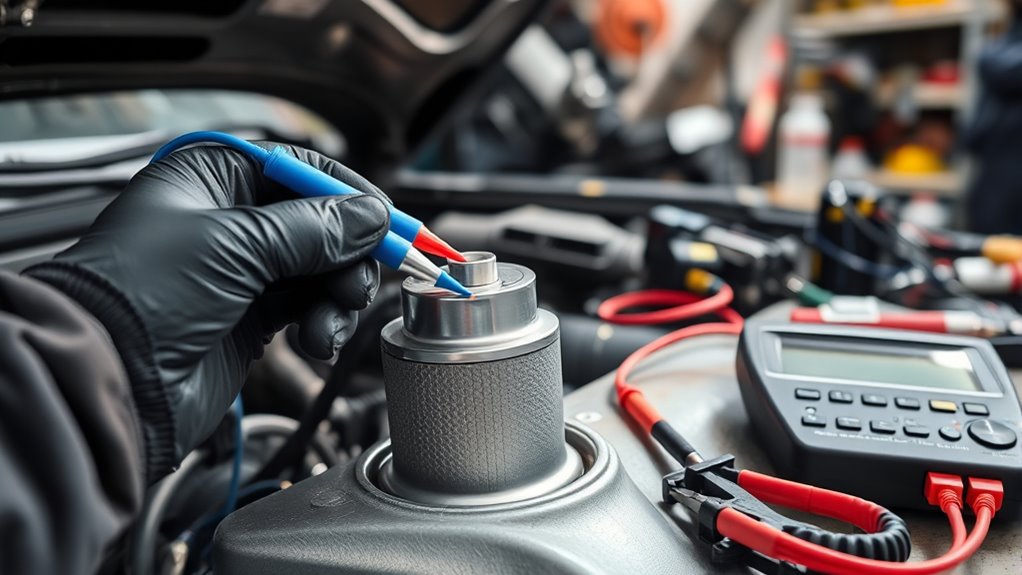
To determine diesel vapor loss in the field, you need practical and reliable methods that give quick, on-site results. One effective way is to use portable test kits that measure vapor emissions directly from storage tanks or fuel samples.
These kits can detect volatile compounds, providing immediate insight into vapor loss. Incorporating fuel stabilizers can help slow evaporation and indirectly indicate vapor loss by preserving the fuel’s shelf life.
You can also assess fuel quality visually and with simple handheld sensors that detect vapor concentrations. Conducting repeated measurements under different conditions improves accuracy.
Consider using tools like portable vapor analyzers, gas detection tubes for rapid testing, or temperature and pressure sensors. Visual inspection of fuel for phase separation can also be helpful.
Using fuel stabilizers to maintain consistent conditions and regular testing ensures effective management of fuel quality on-site. These methods make it easier to monitor vapor loss quickly and accurately.
How Can You Prevent Diesel Fuel Loss Due to Evaporation?
Preventing diesel fuel loss due to evaporation starts with proper storage and handling practices. First, store diesel in tightly sealed, appropriate containers or tanks to minimize air exposure. Using tanks with vapor recovery systems helps reduce evaporation and prevent fuel loss.
Regularly inspect storage units for leaks or damage that could lead to contamination or evaporation. Maintaining clean fuel filtration systems is vital; clogged filters can cause diesel contamination, which can accelerate evaporation and degrade fuel quality.
Implementing a strict fueling protocol, such as avoiding overfilling and sealing tanks immediately after fueling, also helps limit evaporation. Proper fuel filtration preserves fuel integrity and prevents contaminants from entering the fuel system, which could increase volatility and evaporation.
Signs That Diesel Has Evaporated or Degraded
If your diesel fuel has evaporated or degraded, you’ll probably notice some changes in its color and smell. For example, the fuel might become darker or develop a strange, sour odor. These signs are telltale clues that something’s not right.
When diesel starts to break down or evaporate, it can cause issues with your engine’s performance. You might experience rough idling, smoke from the exhaust, or even difficulty starting the vehicle. Catching these signs early can save you a lot of trouble and prevent more serious damage down the road.
Changes in Color and Odor
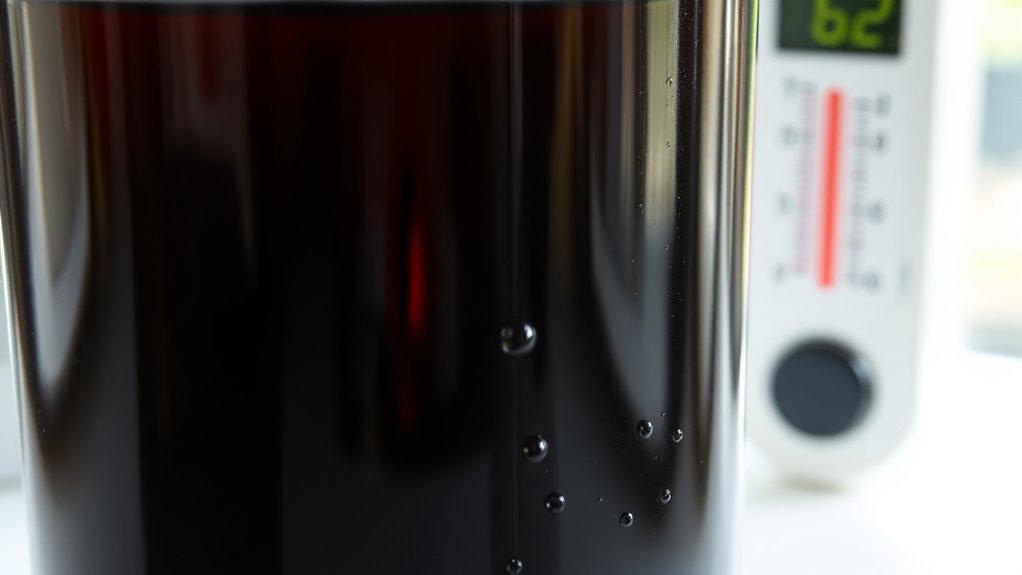
How can you tell if diesel has evaporated or degraded? Changes in color and odor are good clues. Long-stored marine diesel might turn darker or become cloudy, signaling that chemical changes are happening.
Similarly, in agricultural storage, a sour or musty smell can mean contamination or breakdown. These visual and smell cues help you assess if the fuel is still good before using it.
Look for signs like darkening or discoloration of the fuel, cloudiness, or sediment. An unusual, foul, or sour smell also indicates potential problems.
You might notice a smoky or burnt odor, or changes in foaminess and viscosity. If you see these signs, especially in stored marine or agricultural fuel, it could mean evaporation or degradation has occurred.
Addressing these issues early helps prevent engine damage and keeps your equipment running smoothly.
Noticeable Engine Performance Issues
When diesel fuel breaks down or evaporates, engine performance often shows clear signs of trouble. You might notice difficulty starting the engine, rough idling, or decreased power during acceleration.
Ice formation in fuel lines can happen if the fuel’s moisture content increases, leading to clogged injectors and stalling. Microbial contamination also speeds up fuel degradation, producing sludge that hampers fuel flow and reduces combustion efficiency.
These issues may cause increased fuel consumption and smoke from the exhaust. If you notice these symptoms, it’s a sign that your diesel may have evaporated or degraded, possibly due to microbial growth or moisture buildup.
Addressing these problems quickly can prevent more severe engine damage and help your vehicle run smoothly again.
How Evaporation Affects Diesel Engine Performance
Evaporation plays a significant role in diesel engine performance because it directly impacts fuel quality and combustion efficiency. When diesel fuel’s composition leads to uneven or incomplete evaporation during engine operation, it can cause misfires, rough idling, and increased emissions.
The evaporation process determines how well the fuel vaporizes before combustion, affecting overall power output. Variations in diesel fuel composition, such as volatile components, can change how quickly and completely it evaporates.
Poor evaporation means less efficient combustion, which results in reduced fuel economy and higher pollutant levels. To optimize performance, consider these factors:
- Fuel volatility levels influence evaporation speed
- Temperature affects the rate of evaporation
- Fuel storage conditions impact vapor loss
- Fuel quality variations cause uneven combustion
- Proper handling minimizes evaporation-related issues
Understanding how evaporation impacts your diesel engine can help you keep it running smoother and more efficiently.
How Do Diesel Additives Influence Fuel Evaporation
Diesel additives influence fuel evaporation rates by changing the chemical makeup of the fuel. They can make the fuel evaporate more slowly or quickly, depending on the formulation.
Some additives reduce evaporation at lower temperatures, which helps with cold starts and keeps the fuel stable. Others boost evaporation to clean injectors and improve combustion efficiency.
These additives also stabilize fuel against oxidation and microbial growth, extending storage life and keeping the fuel quality high over time. They play a role in controlling emissions by ensuring more complete combustion.
Frequently Asked Questions
Can Diesel Fuel Evaporate at Temperatures Below Freezing?
Yes, diesel fuel can evaporate at temperatures below freezing, depending on how volatile it is. Diesel volatility affects how quickly the fuel evaporates, and this rate changes with temperature.
At sub-zero temperatures, evaporation slows down a lot, but some lighter components in diesel may still vaporize a bit. Cold conditions do reduce the evaporation rate, but they don’t stop it completely.
Understanding this helps with handling and storing diesel fuel in cold climates. Even in freezing temperatures, some evaporation can occur, so it’s good to keep that in mind.
How Does Humidity Impact Diesel Fuel Evaporation?
Humidity effects can influence diesel fuel evaporation by increasing moisture absorption, which can lead to fuel contamination.
Higher humidity levels cause more water to mix with the diesel, potentially making it easier for lighter components to evaporate while leaving behind water and heavier deposits.
You should monitor humidity effects carefully and store diesel in sealed containers. This helps minimize moisture absorption, preserving fuel quality and preventing engine issues or damage.
Is There a Way to Slow Down Diesel Evaporation During Storage?
Think of diesel like a delicate flower; you want to protect it from withering away. To slow evaporation during storage, make sure your container is tightly sealed, much like sealing a jar to keep moisture in.
Keep the storage temperature low because heat accelerates evaporation. Proper sealing and maintaining a cool temperature help preserve diesel’s quality.
This extends its shelf life and keeps it ready when you need it most.
Does Diesel Evaporation Contribute to Vehicle Exhaust Emissions?
Yes, diesel evaporation can contribute to vehicle emissions, especially if the fuel isn’t stable. When diesel evaporates, lighter compounds get released into the air, which can increase emissions.
Storing diesel properly and using stabilizers helps keep the fuel stable. This reduces evaporation and minimizes evaporative emissions.
Plus, keeping the fuel stable also helps your engine run better. Properly managed diesel promotes cleaner emissions and makes your vehicle more efficient.
Are Certain Types of Diesel Fuel More Prone to Evaporation Loss?
Yes, some diesel fuels are more prone to evaporation loss because of their properties. For example, diesel with higher volatility or lower boiling points tends to evaporate more quickly.
To help reduce evaporation loss, use proper storage methods like sealed containers and keeping fuel in cool environments. These practices help keep the fuel stable and lessen vaporization.
Understanding these factors can lead to better fuel management and improved efficiency.
Conclusion
Just like Icarus soared too close to the sun, understanding diesel’s evaporation helps you avoid losing essential fuel. By knowing how and when diesel evaporates, you keep your engine running smoothly and prevent costly issues.
Keeping an eye on evaporation factors is your key to mastering the art of fuel preservation. Stay vigilant, and you’ll navigate the fuel landscape wisely—you’re truly the Daedalus of your engine’s destiny.