How to Diagnose if Bad Spark Plugs Cause White Smoke
If you’re noticing white smoke coming from your exhaust, you’re probably wondering what’s going wrong. Many drivers face this issue and worry it’s a big problem.
Diagnosing whether bad spark plugs are to blame can help you figure out the next steps.
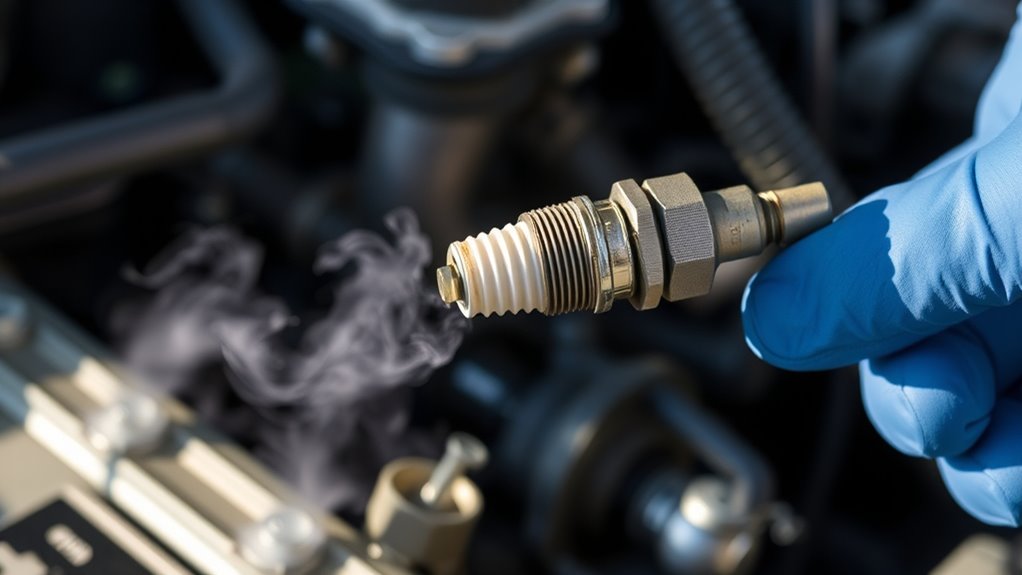
To diagnose if bad spark plugs cause white smoke, start by inspecting your plugs for cracks, worn electrodes, or deposits like oil or fuel buildup.
Perform a compression test to see if cylinders have low or uneven pressure, which indicates internal issues.
Also, check for misfires, rough idling, or engine overheating. If these symptoms match, your spark plugs might be the culprit.
Keep exploring to uncover more about diagnosing and fixing the problem effectively.
Key Takeaways
- Check for visible signs of spark plug damage, like cracked insulators or excessive electrode wear. These issues can cause misfires and contribute to white smoke.
- Perform a spark test to see if the plugs produce steady, bright sparks during engine startup. If the sparks are weak or inconsistent, it could be a sign of faulty plugs.
- Look at the spark plugs for fouling, oil, or fuel deposits. These can indicate improper combustion, which might be causing white smoke.
- Conduct a compression test to spot internal engine problems that could lead to misfires and white smoke. Low compression may point to more serious issues.
- Watch how the engine performs. Misfires, rough idling, and white smoke are often signs that the spark plugs are not working properly.
What Are the Signs of White Smoke From Your Exhaust?
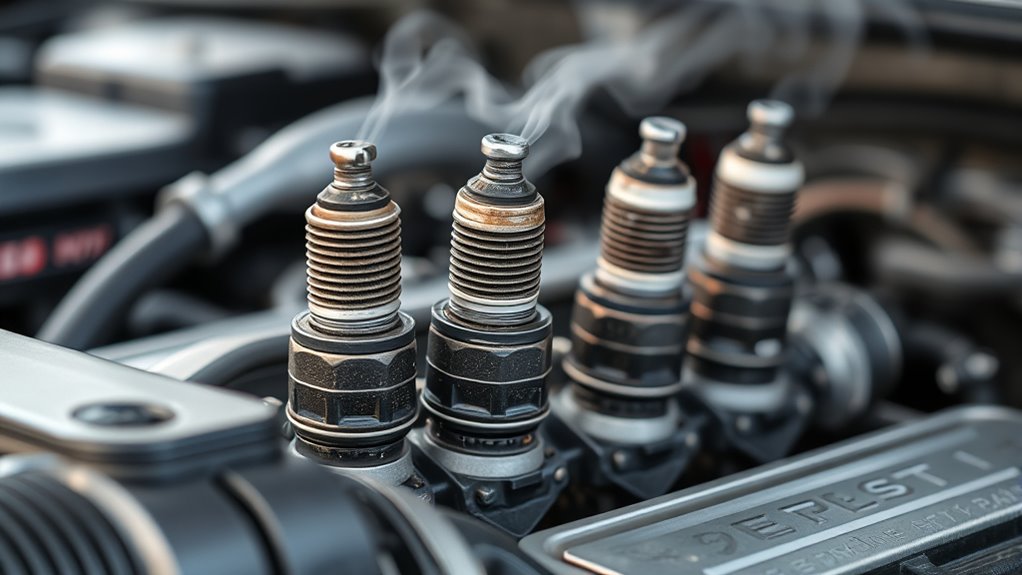
White smoke coming from your exhaust is a clear sign that something isn’t right with your engine. When you see this, it usually points to abnormal exhaust emissions, which can hurt your vehicle’s performance.
White smoke from your exhaust signals potential engine issues affecting performance.
You might notice white smoke during startup or while driving, especially when the engine is cold. This smoke can cause a noticeable drop in fuel efficiency because your engine isn’t running as smoothly as it should.
Over time, persistent white smoke emissions can lead to increased fuel consumption and more pollution. If you see white smoke regularly, it’s a sign to pay attention since it often indicates issues with your spark plugs or other engine parts.
Recognizing these signs early helps you avoid further damage, improve fuel efficiency, and cut down on harmful exhaust emissions.
What Causes White Smoke in a Vehicle? Coolant Leaks or Spark Plugs?
When your vehicle emits white smoke, it’s often a sign that either coolant is leaking into the engine or there’s an issue with the spark plugs.
White smoke caused by coolant leaks usually comes from a blown head gasket, which allows coolant to burn alongside fuel. This produces visible white exhaust.
On the other hand, faulty spark plugs, especially those with worn or damaged materials like porcelain insulators, can also cause white smoke. These plugs may misfire, leading to incomplete combustion and white smoke emissions.
An inefficient ignition coil can make the problem worse by failing to fire the spark plugs correctly. This further fuels incomplete combustion and smoke.
Understanding the role of spark plug materials helps diagnose the issue. Ceramic insulators and electrode materials influence performance.
If your ignition coil isn’t delivering consistent sparks, it can lead to white smoke. This signals that you should check your spark plug materials and ignition coil health to find the cause.
How to Visually Inspect Spark Plugs for Damage
First off, take a good look at the spark plug’s ceramic insulator. You’re checking for any cracks or damage there, because that can lead to misfires. After that, move on to the electrode, and see if there’s any excessive wear or erosion — it all affects how well your engine runs. Lastly, keep an eye out for fouling, like carbon build-up, oil, or fuel deposits. If you notice any of that, it might be a sign there’s a bigger issue to address.
Check for Cracks
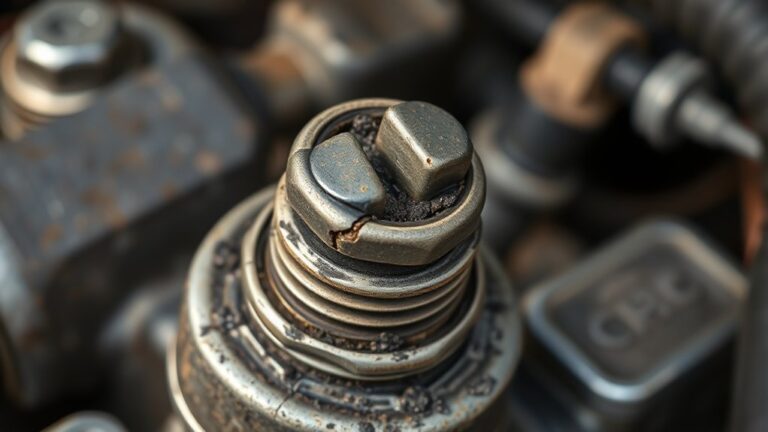
Have you inspected your spark plugs carefully for cracks or visible damage? Cracks can form in the ceramic insulator or around the metal shell, which can cause misfires and white smoke emissions.
Check the materials of the spark plug too. Ceramic is brittle and prone to cracking, especially after exposure to excessive heat or if installed improperly. Cracks often look like fine lines or fractures, mainly near the tip or insulator.
A damaged spark plug can mess with ignition timing, leading to poor combustion and white smoke. Use a bright light and a magnifying glass if needed, and examine everything thoroughly. Replacing cracked or damaged plugs is key to restoring your engine’s performance and avoiding further issues.
Inspect Electrode Wear
After checking for cracks, it’s important to examine the electrode area for signs of wear or damage. Look closely at the electrode tip; excessive wear can enlarge the spark gap, which may lead to misfires.
If the electrode appears flattened, rounded, or eroded, it won’t generate a strong spark. This can affect ignition timing and engine performance. Measure the spark gap and compare it to the manufacturer’s specs.
If the gap is too large, the spark will weaken, and you might experience white smoke and rough running. A worn electrode can cause inefficient combustion. Replacing worn spark plugs helps restore proper ignition timing.
This ensures a strong, consistent spark, reducing white smoke and improving engine health. Regular inspections catch electrode wear early before more serious problems develop.
Look for Fouling
Fouling happens when deposits build up on the spark plug’s tip, making it harder for the plug to produce a strong, steady spark. To spot fouling, you should carefully inspect your spark plugs.
Look for signs like black, oily deposits, which suggest a fuel mixture that’s too rich or incorrect ignition timing. These issues can cause incomplete combustion. You might also see white, ash-like buildup that could mean coolant or oil is leaking and fouling the plug.
Another telltale sign is a wet, carbon-coated tip, indicating excess fuel or improper ignition timing. This reduces the spark’s effectiveness and can lead to engine trouble.
How to Perform a Spark Plug Compression Test
Performing a spark plug compression test is key to diagnosing engine problems like misfires or loss of power. It helps you check the condition of your engine’s cylinders, which can affect fuel efficiency and emissions.
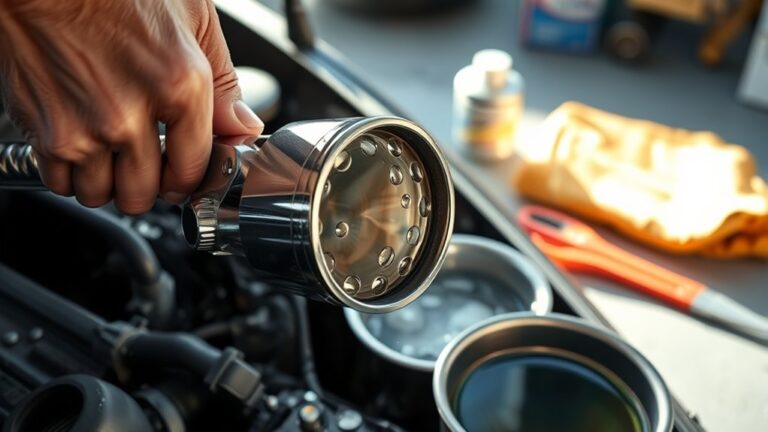
Start by making sure the engine is cool. Then, disconnect the fuel injectors or fuel pump to stop the engine from starting. Remove the spark plug wires and spark plugs.
Attach a compression gauge to each cylinder’s spark plug hole. With the throttle wide open, crank the engine for about 4-6 seconds and record the pressure reading. Repeat this for all cylinders and compare the results.
Uneven or low compression points to internal engine issues. These problems can cause rough idling, poor fuel economy, and higher emissions.
Regularly performing this test helps catch issues early. It supports better engine performance, cleaner emissions, and keeps your fuel economy at its best.
How to Tell If Faulty Spark Plugs Are Causing White Smoke
White smoke from the exhaust often signals issues with your spark plugs, especially if they’re faulty or misfiring. To tell if your spark plugs are causing the white smoke, look for these signs:
- Persistent white smoke during startup and idle. Faulty spark plugs can cause incomplete combustion, leading to excess moisture in the exhaust system that appears as white smoke.
- Poor fuel efficiency and misfires. Worn or fouled spark plugs may fail to ignite fuel properly, contributing to white smoke as unburned fuel escapes into the exhaust.
- Need for frequent spark plug replacement. If you notice your spark plugs foul quickly or show signs of damage, it’s a strong indicator they’re impacting your exhaust system.
Addressing these signs involves inspecting and replacing the spark plugs. Regular spark plug maintenance can prevent white smoke and help prolong your exhaust system’s life.
How to Use a Spark Tester to Check Ignition Problems
To accurately diagnose ignition problems, using a spark tester is a great way to do it. First, make sure the spark plug matches your vehicle’s specs.
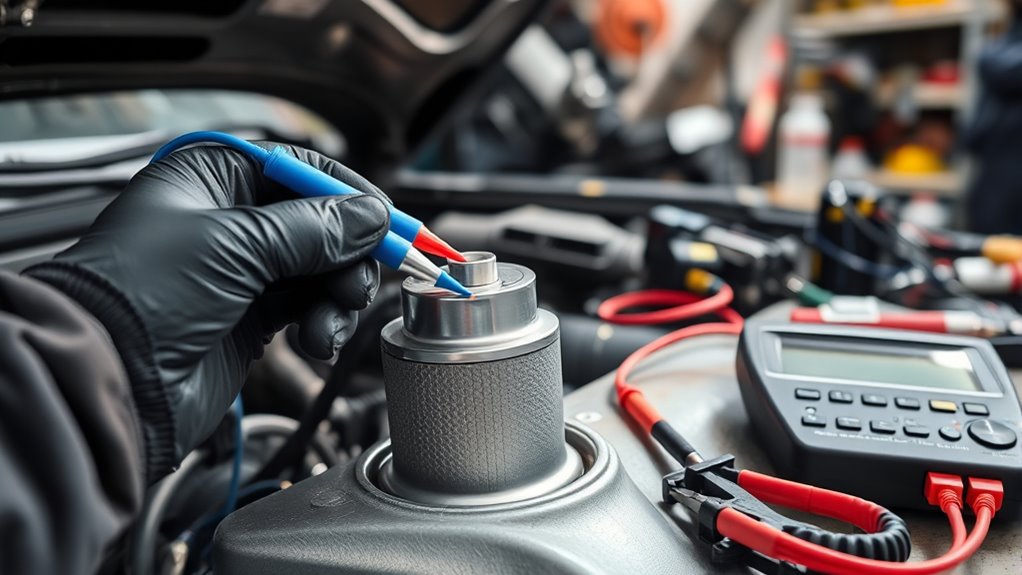
Remove one spark plug and connect the tester between the plug and ignition wire. Crank the engine and watch the tester’s light. A steady, bright spark means good ignition performance.
If the spark is inconsistent or weak, it suggests there might be issues. Check if your ignition coil is compatible with your system, because incompatible coils can cause weak sparks.
If the spark is weak or not there at all, it could point to problems with the coil or wiring rather than the spark plug itself. Always verify the spark plug gap matches the manufacturer’s specs.
Test different cylinders if needed. Using a spark tester helps you quickly figure out if the ignition system is working properly and makes it easier to spot problems like faulty spark plugs or ignition coil issues.
How to Differentiate Between Coolant Leaks and Spark Plug Issues
Not all white smoke coming from your exhaust is a sign of the same problem, so it’s important to pay attention to its color and consistency. If you notice white smoke that’s thick and steady, it could be linked to a coolant leak, especially if you also smell a sweet odor or see your engine running hotter than usual. Those are clues that coolant might be escaping into the combustion chamber.
On the other hand, if your engine feels rough, misfires, or runs inconsistently, it’s more likely to be a spark plug issue. Spark plugs help ignite the fuel-air mixture, so problems there can cause your engine to stumble or run poorly, without necessarily producing the same kind of white smoke you’d see with a coolant leak. Keep an eye on these symptoms to help figure out what’s really going on under the hood.
Smoke Color Differences
When you see white smoke coming from your exhaust, it’s important to figure out what’s causing it. Different smoke colors can point to different issues, like a coolant leak or spark plug problems.
- Thin, bluish-white smoke usually means coolant is getting into the combustion chamber. This can hurt fuel efficiency and make your engine noisier.
- Thick, fluffy white smoke often comes from unburned fuel because of spark plug issues. It can also affect how well your engine runs.
- Clear, odorless vapor during startup is normal, but if it keeps happening, it might mean coolant is burning.
Pay attention to the smoke’s appearance and how your engine responds. This can help you identify the problem faster.
Coolant Loss Signs
Detecting whether your white smoke indicates a coolant leak or spark plug problem starts with paying close attention to certain signs. One important clue is the condition of your cooling system—if the engine coolant level drops quickly or the radiator seems less full, it could mean you have a coolant leak.
You might also notice a sweet smell inside or outside the vehicle. Keep an eye on your tire pressure too; if it’s losing pressure unevenly or quickly, that can sometimes be related to engine issues or coolant leaks affecting the system.
Unlike a simple coolant leak, white smoke caused by coolant loss may come with overheating or steam coming from the exhaust. Monitoring these signs can help you figure out if your problem is from a coolant leak instead of spark plug issues.
Engine Performance Changes
You might also notice a drop in turbo boost, making the engine feel sluggish. Rough idling or misfires often point to worn spark plugs that aren’t firing properly and affecting combustion.
On the other hand, coolant leaks usually cause steady white smoke without greatly affecting turbo performance. If you see a decrease in engine power or hesitation, it may be linked to bad spark plugs, especially if fuel injection seems fine.
Pay attention to these signs to figure out whether the issue is spark plug wear or a coolant leak.
When Should You Replace Spark Plugs to Avoid White Smoke?
Replacing spark plugs on time can help you avoid white smoke from your vehicle. You should think about changing them when they show signs of wear, like erosion or fouling, or if your engine starts misfiring. The material of your spark plugs also matters—platinum or iridium last longer than copper.
Getting the ignition timing right is crucial because improper timing can cause unburned fuel and white smoke.
Here’s a quick guide:
| When to Replace | Reason |
|---|---|
| Every 30,000 to 50,000 miles | Standard maintenance for copper plugs |
| Signs of misfiring or rough idle | Worn or faulty plugs |
| Visible erosion or fouling | Reduces firing efficiency |
| Poor engine performance | Leads to white smoke and incomplete combustion |
| Using the wrong spark plug material | Can cause early failure or improper ignition |
Replacing spark plugs on schedule keeps the ignition timing correct and the engine running smoothly, which reduces the chances of white smoke caused by faulty spark plugs.
Other Common Causes of White Smoke in Vehicles
White smoke in your vehicle isn’t always caused by faulty spark plugs; several other issues can produce the same visible sign. One common cause is problems with the ignition system, like a failing coil or distributor. These issues can lead to incomplete combustion and white smoke.
White smoke may indicate ignition problems, fuel mixture issues, or a blown head gasket—not just faulty spark plugs.
Another factor is an incorrect fuel mixture. If your engine runs too rich or too lean, it can produce white smoke because of unburned fuel or improper combustion. Finally, a blown head gasket can let coolant into the combustion chamber, resulting in white smoke from the exhaust.
To summarize:
- Ignition system issues causing incomplete combustion
- Incorrect fuel mixture, either too rich or too lean
- Blown head gasket allowing coolant into the combustion chamber
Understanding these causes can help you diagnose the root problem without prematurely blaming the spark plugs.
What Next? Steps to Take If You Find Bad Spark Plugs
If you notice that your spark plugs are bad, the first thing you want to do is replace them as soon as possible. This will help get your engine running smoothly again. Once you’ve swapped out the old plugs, take a moment to inspect your engine for any signs of damage or wear that might have been caused by those faulty ignition parts. Catching these early can save you from more costly repairs down the line. Doing these simple steps keeps your vehicle in good shape and ensures it runs reliably.
Replace Worn Spark Plugs
When you spot worn or damaged spark plugs, it’s best to replace them quickly to keep your engine running smoothly. Here’s what to do next:
Check spark plug materials—look for signs of excessive wear, corrosion, or broken insulators. While materials like platinum or iridium can last longer, they still need replacement if damaged.
Make sure the ignition timing is correct during installation so the new plugs fire at the right time. This prevents misfires that could cause white smoke.
Carefully remove the old plugs, inspect the gap, and set it according to your vehicle’s specs before installing the new ones. Replacing spark plugs helps restore your engine’s peak performance and reduces the chance of other issues caused by faulty ignition.
Check for Engine Damage
Finding bad spark plugs isn’t the end. It’s important to check for any underlying engine damage that might have happened.
Faulty spark plugs can cause misfires, which may damage your engine or affect the fuel system, leading to poor performance.
Inspect for signs of worn or damaged parts, like piston scoring or valve issues. These could point to more serious problems that need an engine rebuild.
If you notice persistent white smoke or strange engine behavior, have a mechanic evaluate the damage.
Addressing issues early helps prevent further problems and costly repairs.
Be sure to check your fuel system too, as it could be affected by incomplete combustion from bad spark plugs.
Taking these steps will help keep your engine running smoothly and prevent long-term damage.
Frequently Asked Questions
Can Bad Spark Plugs Cause Engine Misfires Besides White Smoke?
Yes, bad spark plugs can cause engine misfires beyond white smoke. When spark plugs misfire, your engine runs rough, stalls, or has reduced power. You should consider spark plug replacement to restore proper ignition and prevent further damage.
Furthermore, an engine cleaning can help remove deposits caused by incomplete combustion. Addressing these issues promptly improves engine performance, fuel efficiency, and prevents potential damage from ongoing misfires.
How Long Can a Vehicle Run With Faulty Spark Plugs Producing White Smoke?
You can run your vehicle with faulty spark plugs producing white smoke for quite a while—if you’re okay with a smoky, inefficient mess. But beware: faulty spark plugs misfire, messing up the fuel mixture and increasing exhaust emissions.
This ongoing issue damages your engine, wastes fuel, and pollutes the environment. So, if you want to avoid costly repairs and a stinky car, get those spark plugs checked today!
Are There Specific Spark Plug Types More Prone to Causing White Smoke?
Certain spark plug materials, like those with poor heat resistance or incorrect gap settings, are more likely to cause white smoke. Poorly manufactured or incompatible spark plugs can lead to incomplete combustion, which produces white smoke.
Additionally, the drive cycle can impact spark plug wear. Short trips may not fully burn the fuel, increasing the chances of issues. Always pick spark plugs that are suitable for your vehicle, especially based on your driving habits.
What Safety Precautions Should I Take When Inspecting Spark Plugs?
You should treat inspecting spark plugs like handling a nuclear reactor—seriously, safety first! Always wear proper gear like gloves and eye protection to shield against hot parts and debris.
Use only the proper tools to remove and inspect the plugs, avoiding slips or damage. Make sure the engine is off and cooled down before you start.
Keep your workspace well-ventilated because hot engines can emit dangerous fumes. Safety isn’t optional; it’s absolutely essential.
Can Synthetic Fuels Affect Spark Plug Performance and White Smoke Production?
Synthetic fuels can impact your spark plug performance through chemical reactions that cause corrosion, which may lead to misfires and white smoke.
These fuels usually burn cleaner but might cause deposit buildup or delayed ignitions, both of which can increase white smoke production.
If you notice any issues, it’s a good idea to check your spark plugs for corrosion or deposits. Regular maintenance helps ensure your spark plugs work properly and can prevent problems caused by synthetic fuel reactions.
Conclusion
When you notice white smoke, it’s easy to jump to conclusions, but sometimes a simple spark plug issue is the cause, not a costly coolant leak.
Regularly inspecting your spark plugs and understanding their signs can save you time and money — even on days when everything else seems fine.
A quick check of your spark plugs can help diagnose if bad spark plugs are causing the white smoke, giving you confidence before heading to the mechanic.
After all, a little maintenance now can prevent bigger surprises later, especially if bad spark plugs are the culprit behind white smoke.