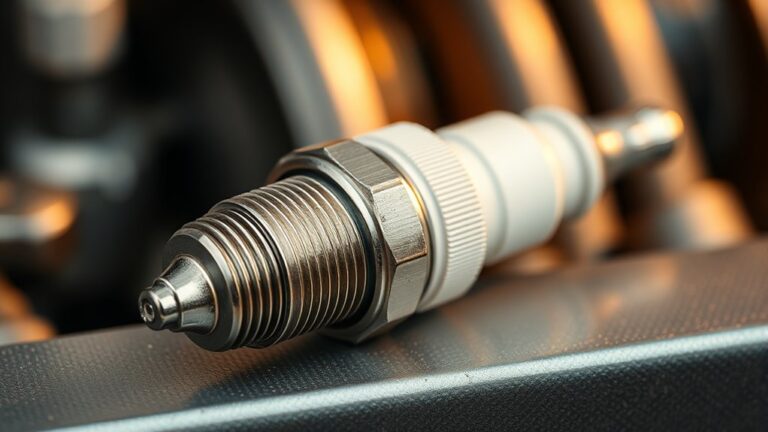
How Many Spark Plugs Does Your Car Need
Feeling unsure about how many spark plugs your car needs? You’re not alone—many drivers struggle with knowing the right parts for their vehicle.
Your car needs a specific number of spark plugs depending on its engine design and cylinder count. Most vehicles have four, six, or eight spark plugs, matching the number of cylinders.
To find out exactly what your car requires, check the owner’s manual or look under the hood to count them yourself.
If you want to learn how to verify or replace your spark plugs properly, keep exploring for helpful tips.
Key Takeaways
- Check your vehicle manual or manufacturer’s specs to find out exactly how many spark plugs your car needs.
- When you do maintenance, count the visible spark plugs to make sure you have the right number for your engine.
- Usually, cars with 4, 6, or 8 cylinders need one spark plug per cylinder.
- The type of engine, like V6, V8, or rotary, also affects how many spark plugs you should have.
- If you’re unsure, it’s a good idea to ask a mechanic or check with the manufacturer for the correct number for your specific model.
Why Knowing Your Car’s Spark Plug Count Matters
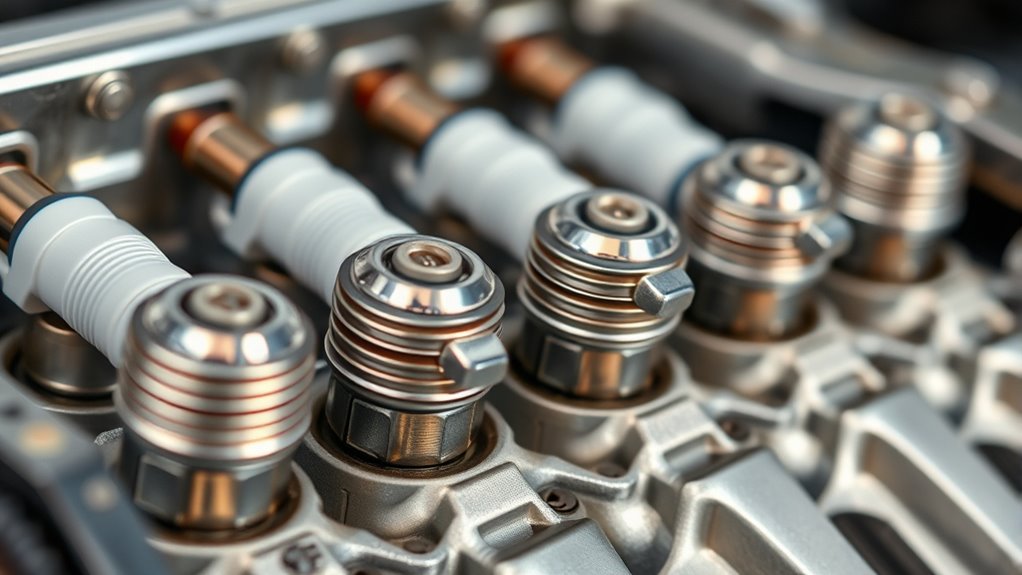
Knowing how many spark plugs your car needs is essential because it directly affects how well the engine runs. When your spark plugs match your engine’s requirements, it helps guarantee optimal combustion and fuel efficiency. Ignoring this can lead to rough idling, power loss, or increased emissions.
Using the correct number of spark plugs ensures your engine runs smoothly and efficiently.
Just as maintaining good battery health is critical for starting your car smoothly, having the right number of spark plugs keeps your engine reliable. Tire pressure also plays a role—under or overinflated tires put extra strain on your vehicle, similar to using incorrect spark plug gaps.
Both issues impact overall performance and safety. Ensuring your spark plug count matches your vehicle’s specifications helps avoid unnecessary wear and tear. Taking care of these components keeps your car running smoothly and efficiently.
This simple step in maintenance will save you money in the long run. It’s all about keeping your car healthy and performing well over time.
How Many Spark Plugs Does Your Car Have?
Most cars have either four, six, or eight spark plugs, depending on their engine design. This number matches the engine’s cylinder count and directly impacts your ignition system’s performance and fuel efficiency. To find out your vehicle’s specific setup, check your owner’s manual or look in the engine bay.
Knowing your spark plug count helps in maintaining ideal engine performance. Keep these points in mind:
- More spark plugs usually mean a smoother ignition process
- Fewer spark plugs can make ignition system maintenance simpler
- Getting the right number ensures your engine runs smoothly at all speeds
- Properly matched spark plugs can boost fuel efficiency
- The number also affects how well your engine runs across different speeds
In the end, your spark plug count influences how effectively your ignition system fires each cylinder. This impacts fuel economy and engine longevity overall.
How to Find the Right Spark Plug Count for Your Vehicle
Want to figure out the right number of spark plugs for your vehicle? It’s really about understanding your engine and what it needs. Different engines have different setups, so the number of spark plugs can vary quite a bit from one car to another.
The best thing you can do is check your vehicle’s manual or look up the manufacturer’s specifications. That way, you’ll know exactly how many spark plugs are recommended for your specific model. It’s always a good idea to follow these guidelines to make sure your engine runs smoothly and efficiently.
Engine Type Requirements
Your vehicle’s engine type determines how many spark plugs it needs, so it’s important to identify the specific setup you’re working with. Different engines, like single-cylinder or V-shaped ones, require different numbers of spark plugs.
Knowing this info helps ensure maximum fuel efficiency and proper ignition timing, which directly affects your engine’s performance. For example, twin-cylinder engines usually need two spark plugs, while four-cylinder engines typically need one per cylinder.
Keep in mind that single-cylinder engines usually need just one spark plug. Multi-cylinder engines can need anywhere from two to 12 plugs depending on the design. Rotary engines often use multiple plugs per rotor.
The engine’s design influences where the spark plugs are placed and how many are needed. Using the correct count is crucial for proper ignition timing and fuel efficiency.
Understanding your engine type is key to choosing the right number of spark plugs, helping your engine run smoothly and efficiently.
Vehicle Model Variations
Wondering how to determine the correct number of spark plugs for your specific vehicle model? Different cars have unique engine designs that influence spark plug count and affect fuel efficiency and ignition timing.
Many vehicles, especially four-cylinder models, use one spark plug per cylinder, totaling four. V6 or V8 engines often need more, with six or eight spark plugs, respectively.
Some high-performance or twin-spark engines require two plugs per cylinder for optimal combustion. To find the right number, check your owner’s manual or consult your manufacturer’s specs.
Proper spark plug count ensures even ignition timing, maximizes fuel efficiency, and keeps your engine running smoothly. Knowing your vehicle’s exact needs helps prevent misfires and maintains peak performance.
Checking Manufacturer Specs
Checking the manufacturer’s specifications is the most reliable way to find out how many spark plugs your vehicle needs. Your car’s manual or the manufacturer’s website will have detailed info on the spark plug count, helping you get it right.
Double-check these specs to avoid mistakes that could hurt your engine’s performance or cause damage. It’s always better to be sure before making any changes.
Think about the engine type and design—these factors influence how many spark plugs you’ll need. Some engines require just one spark plug per cylinder, while others might need special configurations.
Engines with more cylinders often need different setups. Using the correct spark plug count helps keep the engine cool and running smoothly.
Having the right number also boosts fuel efficiency because it ensures good, even combustion. Always stick to the manufacturer’s specs to keep your engine running at its best and save yourself trouble later.
Do Gasoline and Diesel Engines Use Different Spark Plugs?
Gasoline and diesel engines actually use different types of ignition systems, so they don’t both use spark plugs in the same way. Gasoline engines rely on spark plugs to ignite the fuel-air mixture, while diesel engines don’t use spark plugs at all. Instead, they ignite the fuel through compression alone.
Because of these differences in how they ignite fuel, spark plugs are only found in gasoline engines. Diesel engines rely on high compression to cause the fuel to ignite spontaneously, so they don’t need spark plugs. Understanding this is key to making sure you choose the right components for your engine and keep it running smoothly and reliably.
Spark Plug Compatibility
Are gasoline and diesel engines equipped with different spark plug requirements? Yes, they usually aren’t interchangeable because of differences in design and function. Gasoline engines need spark plugs made from materials like platinum or iridium for durability and good conductivity.
Diesel engines don’t use spark plugs at all but rely on glow plugs instead. For gasoline engines, getting the right spark plug gap is key to reliable ignition and good fuel efficiency. When choosing spark plugs, keep these in mind:
- Make sure they match your engine’s specifications
- Pick materials that last longer, like platinum or iridium
- Set the correct spark plug gaps for top performance
- Choose ones that can handle heat and vibrations well
- Follow manufacturer recommendations for replacement parts
Knowing these details helps your vehicle run smoothly and helps avoid potential damage.
Engine Combustion Differences
Engine combustion processes are quite different between gasoline and diesel engines, which is why they need different ignition parts.
Gasoline engines use spark plugs to ignite the fuel-air mixture, often boosted by turbochargers to improve efficiency. Diesel engines, on the other hand, ignite fuel through compression alone and don’t need spark plugs.
Instead, diesel engines rely on fuel injection systems that deliver precise amounts of diesel at high pressures. Gasoline engines generally have less precise fuel injection compared to diesel engines.
How Many Spark Plugs Are Needed for Multi-Cylinder Engines
Multi-cylinder engines usually need one spark plug per cylinder to run smoothly and efficiently. This helps ensure proper ignition timing, which is key for optimal engine performance. The materials of spark plugs, like iridium or platinum, affect how long they last and their heat resistance, helping keep a consistent spark.
When multiple cylinders fire, it’s super important to keep ignition timing accurate across all of them. This prevents misfires and power loss, making sure everything runs smoothly.
Keep in mind:
- Each cylinder needs its own spark plug for balanced combustion
- Spark plug materials affect how long they last and how reliable they are
- Ignition timing has to be synchronized across all cylinders
- Multi-cylinder engines need precise installation of spark plugs
- Proper maintenance helps extend spark plug life and keeps your engine efficient
Knowing that each cylinder needs its own spark plug highlights why choosing the right ones, setting the correct timing, and maintaining them is so important for a healthy engine.
What Happens When Your Car Has Too Few or Too Many Spark Plugs?
Having too few or too many spark plugs can cause serious issues with your car’s performance. Using the correct number ensures proper combustion and engine efficiency.
When installing spark plugs, considering the spark plug design is key. Mismatched or incorrect spark plugs can lead to misfires, rough idling, or poor acceleration.
Too few spark plugs mean the engine might not fire evenly, leading to sluggishness or misfiring under load. On the other hand, too many spark plugs can cause misfires or incomplete combustion because of overcrowding.
This can potentially damage the ignition system. To visualize:
| Issue | Effect |
|---|---|
| Too few spark plugs | Engine misfires, reduced power |
| Too many spark plugs | Misfires, incomplete combustion, engine damage |
| Poor installation | Spark plug failure, damage to threads |
| Incorrect design | Inefficient combustion, increased fuel use |
Always follow proper installation tips for spark plug design. Doing so helps keep your engine running smoothly and lasts longer.
How to Check If Your Spark Plug Count Is Correct During Maintenance
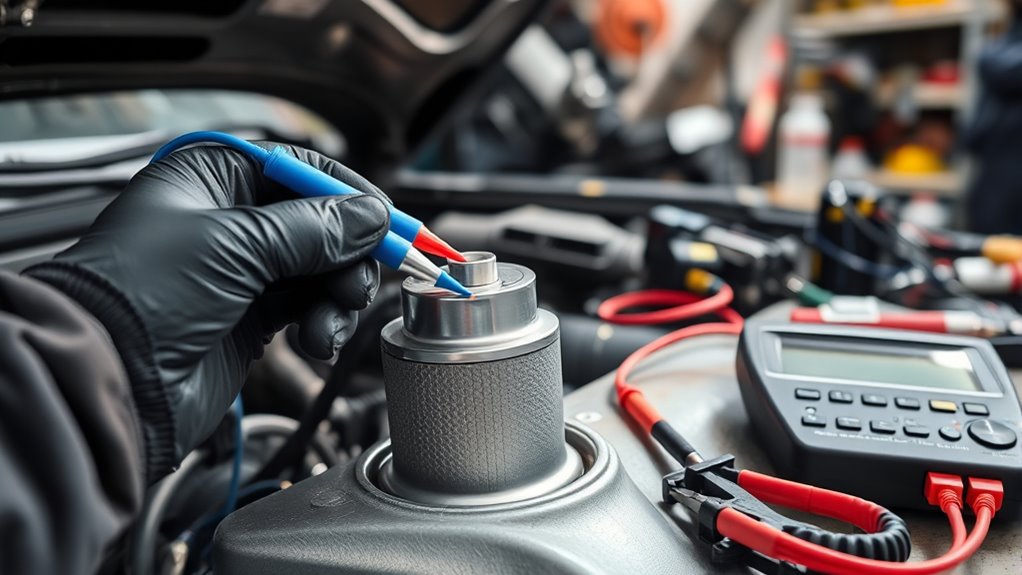
During maintenance, the easiest way to see if your spark plug count is right is by taking a good look at the engine and the area where the spark plugs are located. Just open up the engine cover or access panel and get a clear view.
Next, go ahead and count all the spark plugs you see. Make sure you count them carefully and note down the total. Then, compare that number to what your vehicle’s manual or manufacturer specs say.
Doing this quick check can save you from running into engine trouble later on. It helps you confirm that everything’s in order—no missing or extra spark plugs—so your engine runs smoothly and efficiently.
Visual Inspection Techniques
To determine if your car has the correct number of spark plugs, start by visually inspecting the engine. Look for missing or extra spark plugs, which can indicate an incorrect count. Check the spark plug materials; some like iridium or platinum show less wear, while copper tips may be more worn.
Observe the spark plug color: a healthy one usually has a light tan or grayish deposit. Dark, oily spots suggest oil leaks or rich fuel mixture, while white or blistered tips indicate overheating.
Key points to remember:
- Confirm the number of spark plugs matches your engine’s requirement.
- Examine the materials for wear or corrosion.
- Assess the plug color for signs of engine health.
- Look for damage or carbon buildup.
- Make sure all plugs are properly gapped and seated.
Correct Spark Plug Count
Checking if your car has the correct number of spark plugs is a simple step to keep your engine healthy. First, look up your vehicle’s specifications in the owner’s manual or on the engine label.
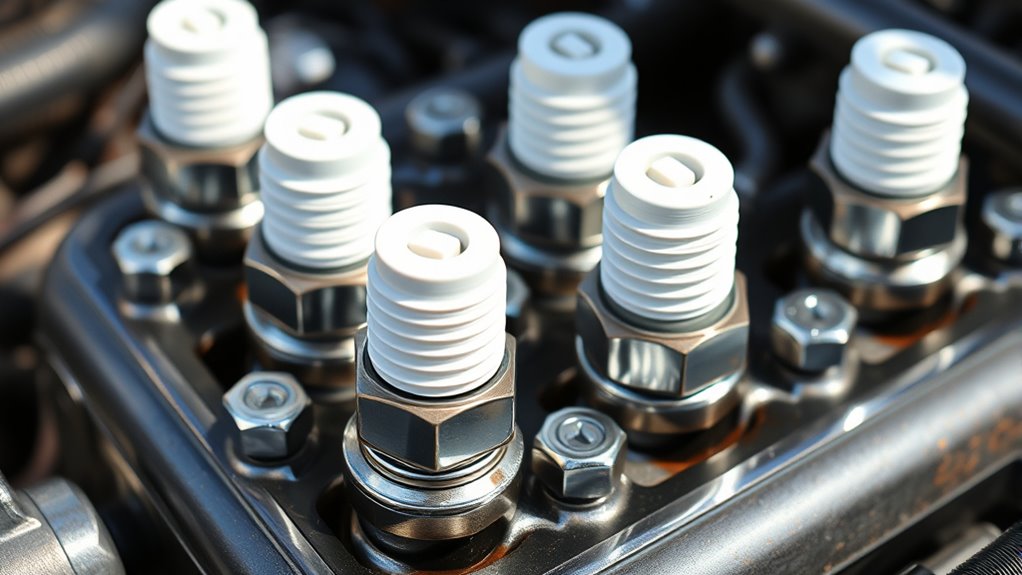
Next, open the hood and count the spark plugs on each cylinder bank. Use this quick reference table:
| Number of Cylinders | Spark Plugs Needed | Common Issues |
|---|---|---|
| 4 | 4 | Misfires |
| 6 | 6 | Ignition timing off |
| 8 | 8 | Poor acceleration |
Make sure each plug has the proper gap and ignition timing is set correctly. Having the wrong number of spark plugs or incorrect gaps can cause misfires and reduce engine efficiency, possibly damaging parts.
Do Performance Cars Require More Spark Plugs Than Standard Models?
While performance cars typically have more demanding engine requirements, they don’t necessarily need more spark plugs than standard models. Many high-performance engines are designed with advanced ignition systems that optimize combustion and often require just one spark plug per cylinder.
Vintage engines, for example, used multiple spark plugs, but newer designs have reduced this need for efficiency. Electric vehicles, of course, don’t need spark plugs at all, replacing combustion with electric coils.
Modern engines often use fewer spark plugs for improved efficiency, while electric vehicles have none at all.
Understanding what your engine needs can help you better maintain it. Keep in mind:
- More spark plugs don’t automatically mean more power or efficiency
- Engine design influences spark plug count more than performance level
- Modern high-performance engines often optimize with fewer plugs
- Vintage engines might need additional plugs due to older technology
- Always check manufacturer recommendations for best results
Ultimately, the number of spark plugs depends on your vehicle’s specific design, not just its performance level.
When Should You Replace or Add Spark Plugs Based on Your Engine?
Knowing when to replace or add spark plugs depends on your engine’s performance and maintenance schedule.
If your engine feels rough or stalls, it might be time to check your spark plugs. Regular inspections help keep combustion efficient, which boosts fuel economy and cuts emissions.
Keep an eye on your battery too, because weak or dying batteries can affect ignition timing and spark plug performance.
Maintaining proper tire pressure can influence engine load and efficiency, showing how important overall vehicle care is.
Typically, you should replace spark plugs every 30,000 to 50,000 miles, but it varies depending on your vehicle and driving habits.
If your vehicle starts misfiring or feels sluggish, that’s a good sign your spark plugs need attention.
Staying on top of battery health and tire pressure helps keep your engine running smoothly.
This way, you’ll only need to replace or add spark plugs when it’s actually necessary.
Key Signs It’s Time to Service Your Spark Plugs
Your vehicle often gives subtle hints when its spark plugs need servicing, so it’s important to pay attention to certain warning signs. If you notice rough idling, your engine might be misfiring because of worn spark plugs.
A noticeable drop in fuel efficiency can also mean it’s time for a check-up since bad plugs hinder proper combustion. Increased emissions or failing emissions tests are signs that your engine isn’t reducing pollutants effectively.
You might also have difficulty starting your car or notice it’s sluggish when accelerating. Be on the lookout for these key signs to keep your engine running smoothly.
Addressing these issues early helps improve fuel economy, reduce emissions, and extend your vehicle’s lifespan. Regularly servicing your spark plugs ensures your car performs at its best.
Frequently Asked Questions
Can Adding More Spark Plugs Improve My Engine’s Performance?
Adding more spark plugs won’t improve your engine’s performance and can actually hinder it. Spark plug upgrades are meant to optimize your existing ignition system, not to increase the number of plugs.
Your engine is designed for a specific setup, so sticking to the recommended number ensures proper firing and efficiency.
Adding extra spark plugs can cause misfires, increase fuel consumption, and even potentially damage your engine. So, it’s not a good way to boost performance.
Do Spark Plug Counts Vary in Hybrid Vehicles?
Yes, spark plug counts do vary in hybrid vehicles. Usually, hybrids may have fewer spark plugs because their ignition systems are optimized for fuel efficiency and smooth shifting between electric and gas power.
You might find some hybrids with the same number of spark plugs as regular cars, but others are designed with fewer for better efficiency. This helps improve fuel economy and ensures the ignition system runs smoothly.
How Does Engine Size Influence Spark Plug Requirements?
Larger engines, like a V8, usually need more spark plugs to ensure proper ignition timing and better combustion. For example, a V8 might have one spark plug per cylinder, adding up to eight, to keep everything running smoothly.
As engine size gets bigger, precise ignition timing becomes even more important to prevent misfires and improve fuel economy. So, the size of your engine directly impacts how many spark plugs you need for top performance.
Are There Differences in Spark Plug Needs for Electric Vehicles?
Electric vehicles don’t need spark plugs because they run on battery power and don’t have traditional internal combustion engines. Instead, focus on making sure your battery is compatible and your charging system is in good shape.
You won’t need to worry about spark plug specifications, but keeping the battery and charging system in top shape is essential for peak performance. Regular checks help prevent issues and keep your EV running smoothly.
Can Incorrect Spark Plug Installation Affect Engine Efficiency?
Incorrect spark plug installation can definitely harm your engine efficiency. If your spark plugs aren’t installed properly, they can mess up the ignition timing, leading to misfires and poor combustion.
Also, if the spark plug gap isn’t set correctly, your engine won’t run smoothly. This can waste fuel and reduce power.
Always double-check the spark plug gap and make sure they’re tightened properly. This helps keep your engine firing perfectly and running efficiently.
Conclusion
Knowing how many spark plugs your car needs guarantees peak performance and prevents unnecessary repairs, much like a well-tuned orchestra. Regular checks and timely replacements keep your engine humming smoothly, avoiding misfires or poor fuel economy. Think of it as tending to your chariot’s heart—be vigilant and proactive.
Just like with a trusty steed of old, your car relies on these tiny sparks to run well. Keep an eye on them to ensure your ride stays fit for a modern-day knight. When it comes to spark plugs, knowing the right number for your vehicle is key to keeping everything running smoothly.