Does Your Jeep Wrangler Take the Right Gas Type
Struggling to figure out the right gas for your Jeep Wrangler? You’re not alone—many Jeep owners get confused about fuel types and worry about damaging their engines. Making the wrong choice can lead to poor performance and costly repairs.
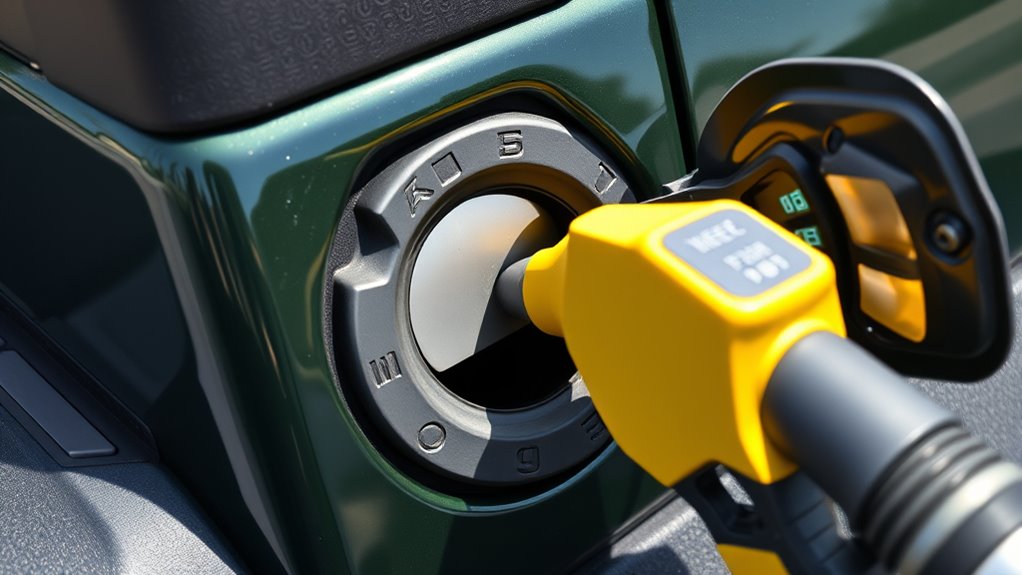
Your Jeep Wrangler typically takes regular unleaded gasoline with at least 87 octane, but check your owner’s manual to confirm the exact fuel recommendation. Using the correct fuel helps your engine run smoothly, improves efficiency, and avoids damage.
If your vehicle has modifications like a turbocharger or higher compression, higher-octane gas might be needed. To guarantee you’re using the right fuel and get the most out of your Jeep, learn more about the best options for your model.
Key Takeaways
- Check your owner’s manual for the recommended octane grade and fuel type for your Jeep Wrangler.
- Most Jeep Wranglers run well on regular unleaded gasoline, which is octane 87.
- If you’ve upgraded or modified your engine, you might need a higher octane fuel, like 89-91+.
- Using the right fuel helps prevent knocking, boosts performance, and keeps your engine healthy.
- Always double-check the fuel recommendations if you’ve made modifications or if you’re unsure. When in doubt, ask a mechanic.
What Fuel Types Does the Jeep Wrangler Recommend?
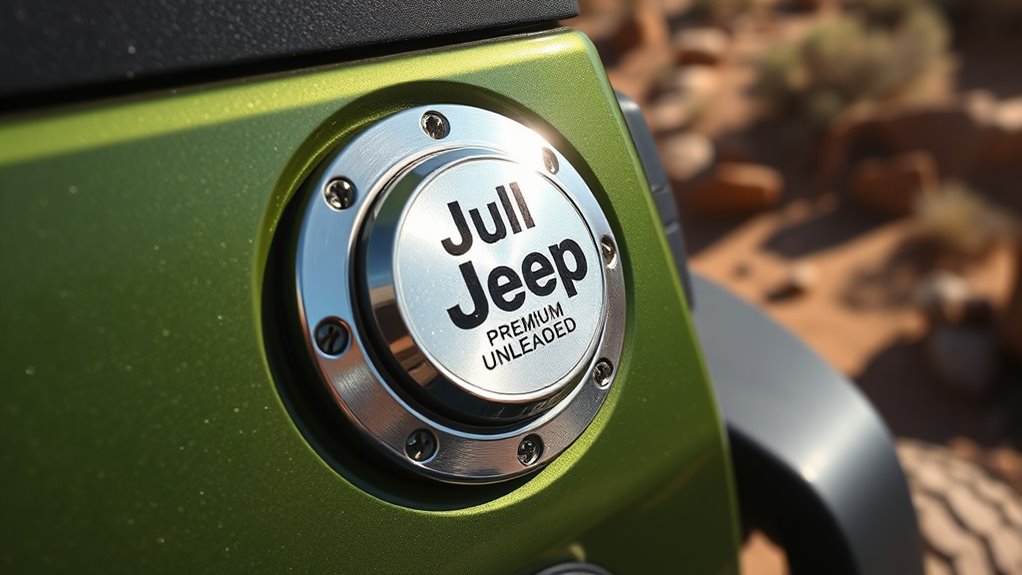
The Jeep Wrangler typically recommends using regular unleaded gasoline with an octane rating of 87 or higher. You should stick to this fuel type for peak performance and engine efficiency.
While some people consider adding fuel additives to boost performance or clean the fuel system, be cautious. Not all additives are necessary or beneficial, and excessive use can harm your engine or increase emissions.
Using the right fuel helps minimize your vehicle’s environmental impact by reducing harmful emissions and pollutants. Higher octane fuels aren’t usually needed unless your Jeep’s engine is tuned for them, which can lead to unnecessary costs and increased environmental footprint.
Always check your owner’s manual to confirm the recommended fuel type, and think about ecological factors when choosing additives or fuel qualities. Proper fuel selection ensures you enjoy reliable performance while being mindful of the planet.
Understanding Regular, Mid-Grade, and Premium Gasoline
Understanding the differences between regular, mid-grade, and premium gasoline can help you make informed choices for your Jeep Wrangler.
Regular gas usually has an octane rating of 87, mid-grade ranges from 89 to 90, and premium is typically 91 or higher. Using the right octane level is key for maximizing engine performance and fuel efficiency.
Higher-octane fuels often include advanced additives that help keep your engine clean and protect against knocking, though they tend to cost more.
From an environmental point of view, choosing the correct fuel type helps reduce unnecessary emissions and your overall environmental footprint.
Using premium fuel when it’s not recommended can lead to more emissions without any real performance benefits.
On the other hand, using a lower octane than what’s recommended may cause knocking or engine damage, which over time can increase environmental harm.
Making the right choice helps your Jeep run smoothly and lowers your carbon footprint at the same time.
Is 87 Octane Regular Gasoline Good for My Jeep Wrangler?
If your Jeep Wrangler’s engine is built to run on regular gasoline, then 87 octane should be just fine—no worries there. It’s the standard fuel for many vehicles, and if your manual says you can use regular, you’re good to go.
But if your Jeep requires higher octane fuel, like 91 or 93, then sticking with 87 might not be the best idea. It could cause your engine to knock or run less smoothly, and that’s not what you want. To be safe, always check your owner’s manual to see what kind of fuel is recommended. That way, you get the best performance and efficiency out of your Wrangler.
Compatibility With Jeep Engines
Wondering whether 87 octane regular gasoline is suitable for your Jeep Wrangler? Your engine’s compatibility depends on its specific design. Most Jeep Wranglers are ideal for regular unleaded fuel, but check your owner’s manual to confirm.
Here are some key considerations:
- Confirm your engine’s minimum octane requirement.
- Using the right fuel helps maintain engine tuning and efficiency.
- Regular gas generally contains fewer fuel additives, which can impact performance.
- Staying with the manufacturer’s recommended octane helps prevent knocking and potential damage.
Lower octane fuels can work if your engine’s compression ratio is low, but avoid regularly using premium fuel unless specified. Proper fuel choice keeps your engine running smoothly and supports the best engine tuning.
Effects on Performance
Using 87 octane regular gasoline typically provides adequate performance for most Jeep Wranglers, especially if your engine is designed to run on standard fuel. With this fuel, you’ll notice consistent power and smooth operation during everyday driving.
However, using the correct octane helps maintain maximum fuel efficiency, ensuring you get the most out of each tank. While 87 octane usually doesn’t negatively impact performance, some engines may benefit from higher octane, especially under heavy loads or advanced timing.
Choosing the right gas also reduces environmental impact by minimizing engine knocking and incomplete combustion, which can produce more emissions. In short, sticking to 87 octane when suitable keeps your Jeep running efficiently, conserves fuel, and supports a cleaner environment.
When Should I Use Higher Octane or Premium Gas?
You should consider using higher octane or premium gas only when your Jeep Wrangler’s owner’s manual recommends it or if your engine experiences knocking or pinging under load. Higher octane fuel resists knocking better, especially in engines with high compression ratios. Using premium gas can also help keep fuel additives effective by reducing deposits and ensuring optimal engine performance.
Pay attention to the ethanol content too, since higher ethanol levels can impact combustion and fuel efficiency.
Higher ethanol levels can affect combustion efficiency and overall fuel performance.
Here are four signs it’s time to switch:
- Your engine is knocking, pinging, or detonating.
- Your owner’s manual specifically recommends premium fuel.
- You notice less hesitating or knocking after switching to premium.
- You want to get the best performance when towing or carrying heavy loads.
How Does Using the Wrong Fuel Affect Jeep Wrangler Performance?
When you put the wrong type of fuel in your Jeep Wrangler, you’ll likely notice a drop in both performance and efficiency. Using a lower octane than recommended can cause knocking or pinging when you accelerate, putting extra strain on your engine and reducing power.
Over time, this can also hurt your fuel economy and potentially damage internal parts. Plus, using gasoline additives that aren’t intended for your vehicle can mess with combustion, leading to rough idling or sluggish responses.
Modern engines depend on the right fuel octane to run smoothly and protect their components. If you use the wrong fuel, your engine’s sensors and fuel system may have to work harder to compensate, which can decrease overall performance.
Long-term misuse might cause more serious issues, including faster wear and costly repairs. So, always check your owner’s manual and use the correct fuel to keep your Jeep running smoothly and efficiently.
Signs Your Jeep Isn’t Running Right Because of Fuel Issues
If your Jeep Wrangler isn’t performing as it should, fuel-related issues could be the culprit. Noticeable signs include a drop in fuel efficiency, meaning you’re topping up more often than usual.
You might also experience engine knocking or misfires, which can hurt engine longevity over time. If your vehicle stalls or idles roughly, fuel quality or delivery could be the problem.
Finally, a strong gasoline smell or visible fuel leaks point to potential issues needing immediate attention.
Here are four signs your Jeep might be suffering from fuel problems:
- Reduced fuel efficiency
- Engine knocking or misfires
- Unstable or rough idling
- Unusual fuel smells or leaks
Monitoring these symptoms helps prevent long-term damage and keeps your engine running smoothly.
Addressing fuel problems promptly saves you money on gas and ensures your Jeep stays reliable and strong over time.
Do Modifications Change What Gasoline My Jeep Needs?
When you start modifying your Jeep Wrangler to boost its performance, you might notice that it changes the kind of fuel it needs. Some upgrades can give your Jeep more power, but they might also mean you should switch to higher-octane gasoline or special fuel blends. It’s important to keep this in mind so your Jeep keeps running smoothly and stays in good shape.
Basically, when you upgrade your vehicle, it can affect how it uses fuel. Using the wrong type of gasoline could cause knocking or damage down the line. So, it’s a good idea to check what fuel your modified Jeep requires—this way, you’ll help it perform at its best and avoid any potential issues.
Performance Impact of Modifications
Modifications to your Jeep Wrangler, like adding a new exhaust system, turbocharger, or upgraded intake, can really change the type of gasoline it needs. These upgrades often boost performance but can also affect fuel efficiency and engine lifespan.
Higher-performance mods may require higher-octane fuel to run smoothly. Without it, your engine might experience knocking or knocking sounds.
Turbocharged engines tend to perform best with premium gas. Upgrades might improve your fuel economy, but using the wrong fuel can reduce those gains.
If you use the wrong gasoline, it could speed up engine wear and tear. Sticking to the right fuel helps ensure your modifications work properly.
Always match your fuel choice to your upgrades to keep your Jeep running at its best. This way, you maintain fuel efficiency and extend your engine’s life.
Fuel Requirements Change
Adding modifications to your Jeep Wrangler can significantly change the type of gasoline it needs because these upgrades often affect the engine’s performance and compression levels.
Higher compression or performance parts might require premium fuel to prevent knocking and keep everything running smoothly. Using the wrong gasoline can hurt fuel efficiency and even damage engine parts, which can reduce how long your engine lasts.
If you’ve installed a turbocharger or upgraded the intake system, check if your engine’s compression ratio has increased. Adjust your fuel choice accordingly to stay on the safe side.
Sticking with the recommended fuel type usually means better fuel efficiency and a longer-lasting engine. Always check your vehicle’s manual or talk to a professional mechanic after making modifications to confirm the right gasoline for your setup.
How to Choose a Quality Gas Station for Your Jeep
Ever wondered how to find a gas station that truly supports your Jeep’s performance? Choosing a quality station ensures you get clean fuel and reliable service. Here are four tips:
- Check fuel station cleanliness. A tidy station usually means proper maintenance and good fuel quality.
- Review payment options. Look for stations with multiple methods like card, mobile pay, or cash for added convenience.
- Look for brand reputation. Well-known brands often stick to strict standards for fuel and station upkeep.
- Observe staff professionalism. Friendly, attentive staff suggest a well-managed station that cares about customer experience.
Prioritize stations with high standards for cleanliness and flexible payment options. This reduces the risk of contaminated fuel and makes refueling quick and hassle-free, helping your Jeep run at its best every time.
Tips to Save Money While Using the Right Fuel for Your Jeep
Choosing a quality gas station sets the stage for using the right fuel, but knowing how to save money on that fuel makes a real difference over time. To get the most out of your gas, consider the benefits of high-quality fuel with added fuel additives.
These additives can boost engine efficiency, cut down on fuel consumption, and reduce emissions, which is better for the environment. Look for loyalty programs or discounts at your station and plan refills during promotions to save even more.
Always use the recommended octane level to avoid unnecessary costs and engine problems. Proper maintenance, like keeping your tires inflated and getting oil changes, also helps improve your fuel economy.
Here’s a quick guide:
| Tip | Benefit | Cost Savings Impact |
|---|---|---|
| Use recommended octane | Prevent engine knocking | Saves fuel and repairs |
| Choose quality fuel | Better combustion, fewer deposits | Improves efficiency |
| Avoid aggressive driving | Fuel conservation | Adds to savings |
| Maintain vehicle regularly | Keeps performance optimal | Prevents costly repairs |
| Select stations with loyalty discounts | Lower fuel prices | Saves money over time |
Frequently Asked Questions About Jeep Fuel Types
Are you unsure which fuel type is best for your Jeep? Here are some common questions to help you out:
- Can I use premium fuel normally? If your Jeep recommends regular gas, using premium won’t boost performance and will cost more.
- Do fuel additives help? Yes, additives can clean your engine and prevent deposits, helping it run smoothly.
- Is it okay to switch between fuel types? Sure, but it’s better to stay consistent. Avoid switching often to keep your engine running efficiently.
- How often should I check my fuel system? Regularly inspect for water or contaminants, especially if you notice hesitation or knocking.
Frequently Asked Questions
Can Using Premium Gas Void My Jeep’s Warranty?
Using premium gas won’t necessarily void your Jeep’s warranty, but it might not boost your fuel efficiency or engine performance if your manual doesn’t require it.
Check your owner’s manual to see the recommended fuel type, because using the right gas helps engine performance and can save you money.
If premium isn’t required, sticking with regular unleaded usually keeps your warranty intact without sacrificing efficiency or performance.
How Often Should I Switch Fuel Types?
Think of your Jeep’s fuel as a nourishing diet. Your engine’s performance depends on it.
You don’t need to switch fuels often. Just stick to the manufacturer’s recommended type for the best fuel efficiency and engine health.
Changing fuel types too frequently can disturb your engine’s rhythm, just like a sudden diet change.
For the best results, use the same type consistently unless your manufacturer advises otherwise. Your Jeep will thank you.
Does Driving Off-Road Require a Different Fuel?
Driving off-road doesn’t require a different fuel, but it can impact your fuel efficiency and engine performance. Off-road conditions might make your engine work harder, so sticking to the recommended fuel helps keep things running smoothly.
Using the right fuel type is especially important because inferior fuels could harm your engine or reduce efficiency. To make sure your Jeep stays in top shape, always follow the manufacturer’s suggested fuel.
Whether you’re on the trail or the highway, using the proper fuel keeps your vehicle performing at its best.
Are There Specific Fuel Additives Recommended for Jeep Wranglers?
Did you know that using the right fuel additives can boost your Jeep Wrangler’s fuel efficiency by up to 5%? For peak performance, consider additives that clean fuel injectors and improve combustion.
While not always necessary, specific additives can help reduce emissions and engine wear. Always choose reputable brands and follow manufacturer recommendations to get the most out of the additives.
Using the right fuel additives keeps your Wrangler running smoothly both on and off-road.
Can I Mix Different Octane Grades in My Tank?
You shouldn’t mix different octane grades in your tank, as it can cause fuel contamination and disrupt your Jeep Wrangler’s engine performance. Using consistent octane helps your vehicle run smoothly.
Low-quality gas from some gas stations may have impurities, so it’s best to stick to trusted sources. Mixing different octane levels might lead to knocking or reduced efficiency.
To get the most out of your vehicle, always fill up with the octane recommended by the manufacturer and avoid mixing grades for maximum performance.
Conclusion
Using the right fuel guarantees your Jeep Wrangler runs smoothly and efficiently. In fact, studies show that using the recommended octane can boost fuel economy by up to 5%.
Avoid costly repairs and keep your vehicle at its best by following the manufacturer’s guidelines. Whether you’re on or off-road, choosing high-quality gas from reputable stations really makes a difference.
Trusting the correct type of fuel helps your Jeep deliver the power you need, mile after mile.