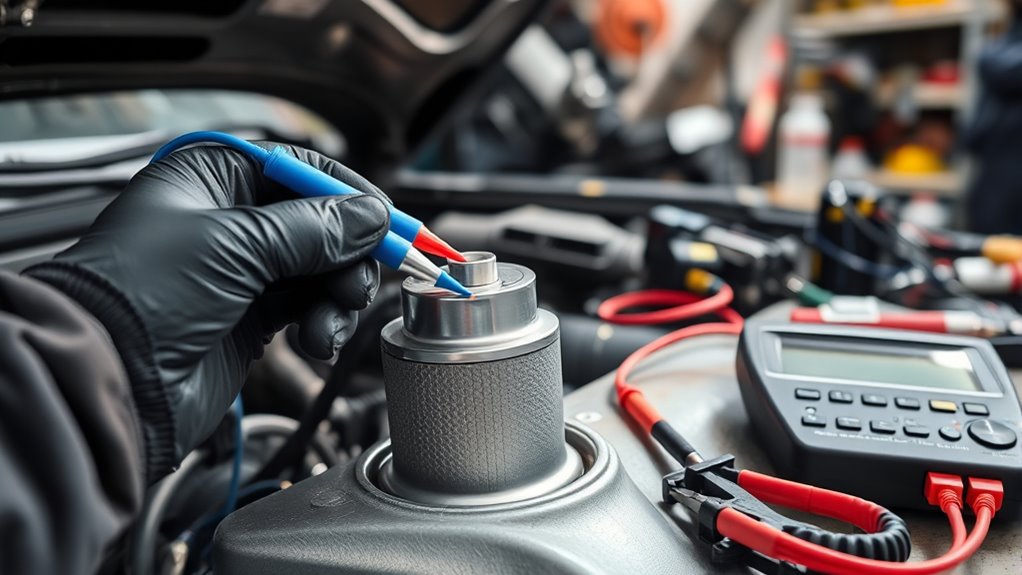

What Do Bad Shocks Sound Like During Driving?
Many drivers struggle with the unsettling feeling of their vehicle handling poorly or making strange noises. You’re not alone—these issues can be stressful and hard to diagnose. One common problem is bad shocks, which can significantly impact your ride quality and safety.
If your shocks are failing, you might notice knocking, clunking, or rattling sounds when driving over bumps or rough terrain. You may also hear squeaking during turns or feel your vehicle bounce excessively, especially after hitting a bump.
These noises often signal worn or damaged shocks affecting your ride and safety. If you want to understand more about what these sounds mean and how to catch them early, keep exploring the signs and tips.
Key Takeaways
- Unusual knocking, clunking, or rattling noises over bumps or uneven terrain often mean the shocks are worn or damaged.
- Squeaking or squealing sounds when you turn could be a sign that suspension parts are worn or loose.
- If your ride feels excessively bouncy or harsh, it might be due to shock failure, which can cause repeated thumping sounds.
- Tire squeals or steering vibrations while you’re driving? That might point to an unstable suspension caused by bad shocks.
- Clunking noises during acceleration, braking, or hitting bumps are clear signs that your shock absorbers could be compromised.
What Are the Common Noises of Bad Shocks While Driving?
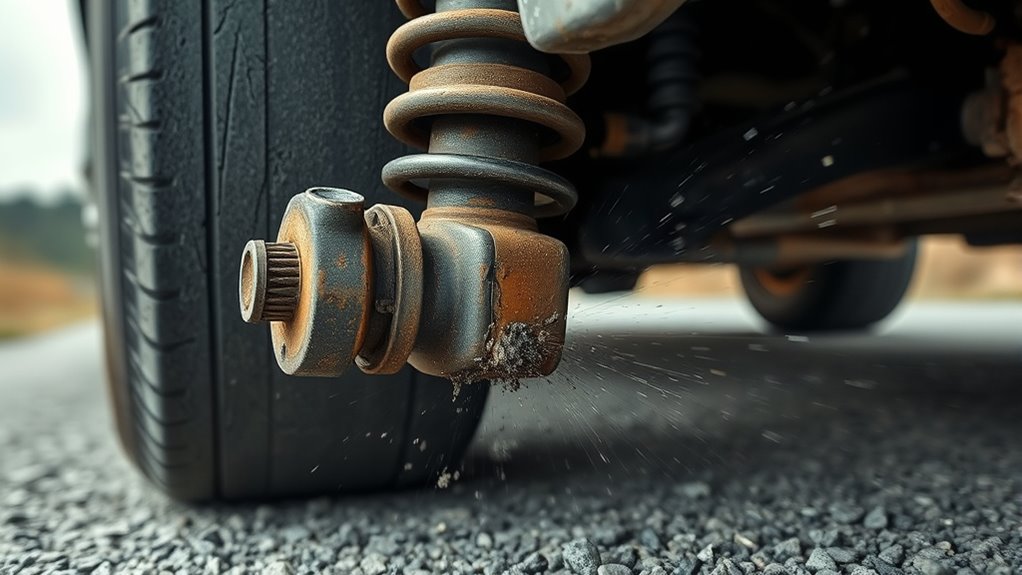
When your shocks are failing, you’ll likely notice specific noises that stand out during your drive. These sounds come from how shock absorber technology has evolved within vehicle suspension history. Modern shocks are designed to smooth out bumps and keep your tires in contact with the road.
When they wear out, you might hear knocking or clunking sounds, especially over rough terrain. These noises happen because worn shocks can’t absorb impacts properly, causing metal parts to contact each other. Alternatively, you could hear rattling noises, which are often caused by loose or broken components within the suspension system.
Sometimes, you might experience squeaking or high-pitched squeals during turns, indicating insufficient damping. Listening for these common noises helps you understand when your shocks need inspection. Recognizing these sounds early can prevent further damage and ensure your vehicle’s suspension remains safe and effective.
How Rattling Sounds Signal Worn Shocks
Rattling sounds are a clear sign that your shocks may be worn out or damaged. These noises often point to instability in the suspension system, especially on rough roads. When shocks become worn, they struggle to dampen impacts properly, leading to louder, rattling noises.
Rattling sounds indicate worn shocks, signaling suspension issues and potential instability on rough roads.
You might notice:
- Spring squeaks as metal components rub against each other.
- Tire thumping, which can happen when shocks can’t absorb road bumps smoothly.
- Clunking sounds during acceleration or braking.
- Repeated rattles over uneven surfaces, indicating loose or damaged parts.
A rattling noise often gets worse over time, signaling your suspension isn’t working right. These sounds tend to be louder on certain road conditions, so it’s a good idea to check your shocks sooner rather than later.
Fixing these signs early helps keep your ride smoother and safer.
Are Knocking and Clunking Signs of Suspension Trouble?
Knocking and clunking sounds during your drive often point to suspension problems, especially when these noises happen over bumps or uneven roads.
These sounds might mean that parts like your shocks or struts are worn out or damaged. Poor suspension alignment can also cause your car to handle poorly and lead to uneven tire wear.
When your suspension isn’t aligned right, it puts extra stress on certain parts, causing knocking sounds as they shift or move unexpectedly. Clunking noises usually mean some suspension parts are loose or broken, affecting your vehicle’s stability.
If you hear these noises, it’s important to check your suspension and inspect your tires. Uneven or excessive tire wear can be a sign that your suspension isn’t working right.
Ignoring these issues can lead to costly repairs and safety risks. Addressing suspension trouble early helps ensure a smoother ride and helps your tires last longer.
Do Noises Affect Your Vehicle’s Handling and Safety?
Unusual noises while driving can directly impact how your vehicle handles and its overall safety. When noise frequency changes or sounds become persistent, they often signal suspension issues that may compromise stability.
Poor suspension diagnostics can make your car feel unstable during turns, braking, or on uneven surfaces. Listen carefully for:
- Squealing or squeaking sounds indicating worn bushings or lack of lubrication that affect handling.
- Clunking noises suggesting loose or damaged suspension parts reducing safety.
- Rattling sounds linked to loose shocks or mounting hardware.
- Buzzing or humming noises which can be caused by uneven tire wear due to suspension problems affecting steering accuracy.
Ignoring these noises can lead to compromised control or unsafe driving conditions.
Pay attention to noise frequency and patterns so you can identify when suspension diagnostics are needed. This helps keep your handling safe and can prevent costly repairs.
How to Tell If Your Shocks Are Causing the Noise
If you notice persistent noises when driving over bumps or rough roads, your shocks might be the culprit. To figure out if they’re causing the noise, start with a suspension diagnosis. Pay attention to how your vehicle handles—if it feels overly bouncy or sways unpredictably, your shocks could be worn out.
When inspecting, look for leaks or damaged shock absorbers. These are signs you might need to replace your shocks. Also, listen for knocking or clunking sounds when driving over uneven surfaces; these noises often point to shock issues.
Remember, worn shocks can cause your suspension to perform poorly, leading to noise and safety concerns. If you’re unsure, a professional mechanic can do a thorough inspection to see if your shocks are the problem.
Getting your shocks replaced on time can stop the noise and help restore your vehicle’s stability and handling.
Can Road Conditions Make Shock Noises Worse?
Road conditions can significantly make shock noises worse because rough, uneven surfaces put more strain on your suspension system. When you drive over potholes, gravel, or bumpy roads, your shocks have to work harder to absorb impacts, which can make noises louder or create new ones.
Rough roads increase strain on suspension, amplifying shock noises and potentially causing new issues.
If your suspension isn’t well-maintained or your tires are misaligned, shocks become more vulnerable to these issues. This can lead to more pronounced shock noises over rough terrain.
To keep noise levels down, make sure to maintain your suspension regularly so shocks stay in good shape. Checking and fixing tire alignment helps reduce unnecessary stress on the shocks.
Whenever possible, try to avoid really rough roads. Installing higher-quality shocks designed for tough terrain can also make a big difference.
When Should You Get Your Shocks Inspected?
Regularly inspecting your shocks ensures they keep working well, especially since signs of wear can develop gradually and be easy to miss. A good rule is to have them checked at least every 50,000 miles or if you notice any changes in how your vehicle rides.
The lifespan of shock absorbers varies based on driving conditions and road quality, so regular inspections are key to catching early wear. If you’re thinking about aftermarket shocks, inspections become even more important to make sure they’re compatible and performing properly.
Look out for signs like excessive bouncing, uneven tire wear, or poor handling. If your vehicle feels unstable or you hear strange noises on rough terrain, it’s a good idea to get them checked.
Regular monitoring also helps you decide whether to repair or replace your shocks, keeping your safety and comfort in mind. Don’t wait for problems to get worse—regular inspections keep your suspension system in top shape.
Are Bad Shocks Noticeable When Turning or Braking?
Bad shocks can become noticeable during turns or braking when they fail to control body movement effectively. You might notice some specific signs that point to worn shocks.
Worn shocks often cause noticeable handling issues during turns and braking.
- Steering vibration: Feeling excess shake or wobble through the wheel when turning or braking can be a sign of shock issues.
- Tire squeal: Unusual squealing sounds during sharp turns may indicate the suspension isn’t responding properly.
- Handling instability: The vehicle might feel loose or floaty, making it harder to control during maneuvers.
- Increased stopping distance: Worn shocks can cause the vehicle to dip forward, which affects braking and can increase stopping distance.
If you notice any of these signs, especially tire squeal or steering vibration, your shocks might be failing. It’s a good idea to get them inspected. Ignoring these symptoms can compromise safety and cause uneven tire wear.
Worn Shocks vs. Other Suspension Problems
Worn shocks can produce symptoms that are similar to other suspension issues, making diagnosis tricky. Many shock absorber myths circulate, causing drivers to confuse worn shocks with problems like worn bushings or tire issues.
One key difference is vibration frequency: worn shocks often cause inconsistent vibrations, especially over bumps, while other suspension problems tend to produce different noise patterns or handling issues. For example, if your steering feels unstable or if your vehicle dips excessively during braking, these signs might point to suspension trouble beyond just shocks.
Worn shocks typically result in poor ride quality and increased body roll but may not be the cause of wheel misalignment or broken suspension parts. Carefully evaluating vibration patterns and symptoms helps clarify whether shocks are at fault or if other suspension components need attention.
Proper diagnosis ensures you address the actual problem without wasting effort on unrelated issues.
Tips to Catch Shock Issues Before They Sound Off
To catch shock issues early, just pay attention to any strange noises while you’re driving. Those sounds can be early warning signs of a problem before things get worse.
Also, keep a feel for how your car rides—notice if it starts bouncing more than usual over bumps or feels less stable during turns. That can be a clue your shocks might need some attention.
And don’t forget to schedule regular check-ups with your mechanic. They can spot potential shock issues early on, even before they start making noise or causing noticeable problems.
Recognize Unusual Noises Early
Unusual noises during your drive can be subtle signals that your shocks are beginning to fail. Listening closely can help you catch issues early. Common sounds include knocking, squeaking, or rattling, which often relate to shock absorber design or vehicle suspension mechanics.
To recognize these early signs:
- Clunking sounds when hitting bumps may mean some shock components are worn out.
- Squeaking noises during turns can suggest your damping isn’t working properly anymore.
- Rattling sounds from the suspension might point to loose shock mounts.
- A harsh or bouncing ride, even without noise, could mean internal shock failure.
Being attentive to these sounds helps you catch issues early, so you can fix them before they get worse. This keeps your ride smooth and safe.
Monitor Ride Quality Regularly
Regularly monitoring your ride quality is one of the best ways to catch shock issues early on.
As you drive, pay attention to how smoothly your vehicle handles bumps and uneven surfaces.
Different shock absorber types, like hydraulic or coil-overs, can affect ride feel, so understanding their performance helps identify problems.
If you notice excessive bouncing, nose-diving, or if the vehicle feels unusually stiff, it could signal worn shocks.
Regular checks also prepare you for potential suspension upgrades, ensuring peak performance.
Since shocks deteriorate gradually, consistent observation helps you spot subtle changes before they turn into loud noises or ride discomfort.
Staying proactive with ride quality allows for timely maintenance, saving you money and preventing further suspension damage.
Schedule Preventative Inspections
Want to catch shock issues before they start making noise? Scheduling preventative inspections is key for suspension maintenance and road safety. Regular check-ups can spot early signs of worn shocks, stopping noisy symptoms and potential accidents.
To keep your shocks in top shape, try these tips:
- Have a professional evaluate your suspension at least once a year.
- Look for uneven tire wear, which can indicate suspension problems.
- During routine maintenance, check for leaks or fluid around the shocks.
- Notice any changes in ride comfort or strange noises when driving over bumps? That could be a warning sign.
Frequently Asked Questions
How Long Do Shocks Typically Last Before Making Noise?
Shocks typically last around 50,000 to 100,000 miles, but their lifespan can vary depending on driving conditions.
You might notice noise like knocking or banging when your shocks are getting close to the end of their life.
If your vehicle feels unstable, sways too much, or you hear unusual sounds during rough spots, it could be a sign your shocks are failing sooner than expected.
Regular inspections are a good way to catch issues early and keep your ride smooth.
Can Bad Shocks Cause Uneven Tire Wear?
When your shocks go bad, uneven tire wear becomes a red flag. Suspension issues cause your tires to contact the road unevenly, creating patches of abnormal wear.
You might also notice increased road noise and a bumpier ride. Like a ship tossed by stormy seas, bad shocks destabilize your vehicle’s balance.
This can lead to premature tire deterioration and compromise in handling, risking your safety every time you hit the road.
Are Noisy Shocks Dangerous to Drive With?
Yes, noisy shocks can be dangerous to drive with. The noise often signals that your suspension isn’t working properly, which can affect your vehicle’s stability and control.
Ignoring the noise can lead to more suspension damage or uneven tire wear. It’s a good idea to get them checked out soon.
If your shocks are making knocking or bouncing sounds, consider replacing them quickly. Doing so will help keep your handling safe and your ride smooth.
How Much Does It Cost to Replace Bad Shocks?
Replacing bad shocks usually costs between $300 and $700, depending on your vehicle and shock absorber types.
Getting suspension diagnostics is a good idea. It helps figure out if shocks really need replacing so you don’t spend more than necessary.
Some shocks are more complex, and labor costs can vary. That can change the overall price.
Always ask a professional mechanic for an accurate estimate. Proper suspension maintenance improves ride comfort and safety, making it a smart investment.
Can Regular Maintenance Prevent Shock-Related Noises?
Yes, regular maintenance can prevent shock-related noises. You should schedule shock absorber testing regularly to keep your suspension system healthy.
During these tests, mechanics identify worn or damaged shocks before they cause noise or affect your ride quality. Keeping your suspension system in good shape helps reduce clunking, squeaking, or rattling sounds while you’re driving.
Consistent maintenance ensures a smoother ride and helps extend the lifespan of your shocks.
Conclusion
When your shocks begin to groan or rattle, it’s like your car’s spirit is whispering for attention. Ignoring these sounds is like sailing uncharted waters blindfolded—you risk losing control and safety.
Listen closely because catching these warning bells early keeps your drive smooth and secure. Treat your suspension like a trusted friend, one who guides you safely through every bump and turn. Your journey deserves nothing less, especially if you want to avoid bad shocks that could compromise your ride.