Where to Put Dielectric Grease on Spark Plugs
Many car owners know the frustration of struggling with spark plug issues—misfires, rough idles, or hard starts. You’re not alone, and often the problem is something simple like not applying dielectric grease properly.
Using the right amount of dielectric grease on your spark plugs can make a big difference in how smoothly your engine runs.
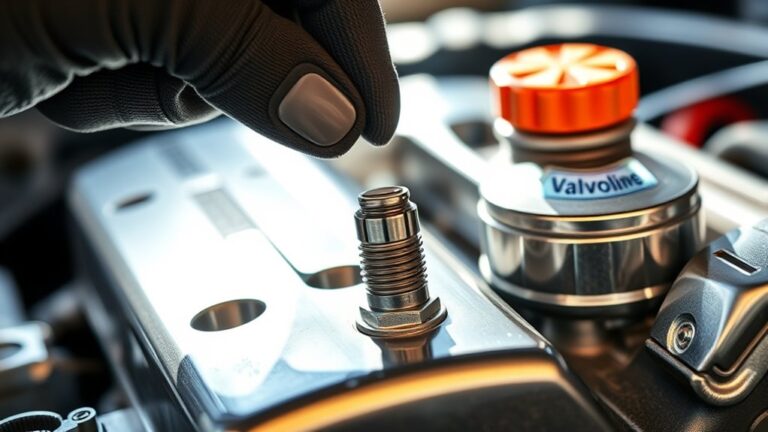
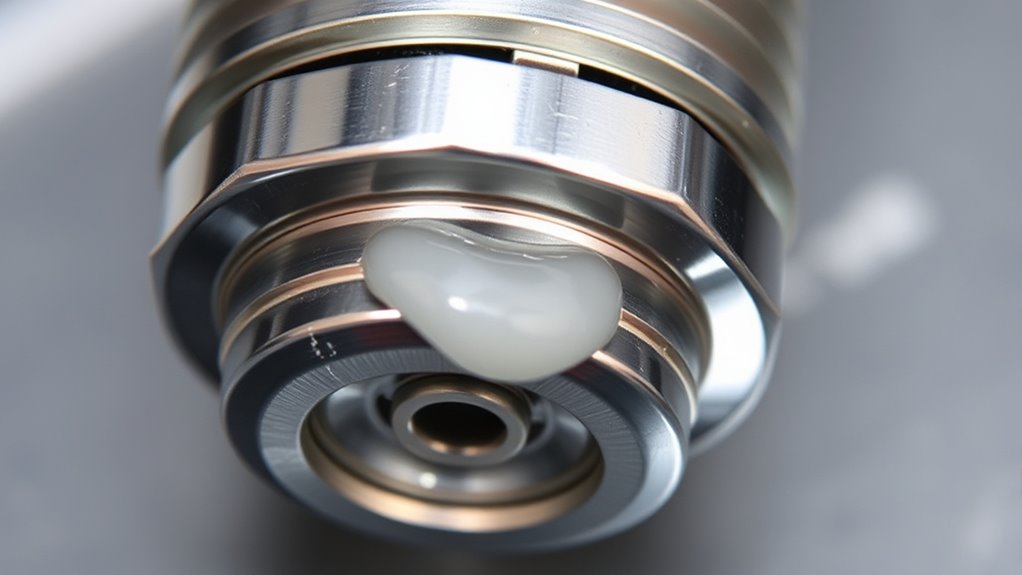
You should apply dielectric grease to the spark plug’s boot, the terminal, and the threads. Spread a thin layer inside the boot and on the metal contact surface to improve insulation and prevent moisture buildup.
Lightly coat the threads before installation to reduce cross-threading and corrosion. Avoid putting grease on the electrode or inside the ignition coil connection.
To learn more about proper application and tips, keep exploring how this helps keep your engine running smoothly.
Key Takeaways
- Apply a small amount of dielectric grease to the spark plug threads before installation to help prevent corrosion.
- Spread a thin layer inside the spark plug boot, focusing on the contact surface that connects to the terminal.
- Lightly coat the metal terminal of the spark plug to boost conductivity and resist moisture.
- Use grease at the boot end where it contacts the spark plug to ensure a secure, moisture-proof connection.
- Avoid putting grease directly on the electrode or inside the combustion chamber to prevent misfires.
What Are Spark Plugs and Why Is Dielectric Grease Important?
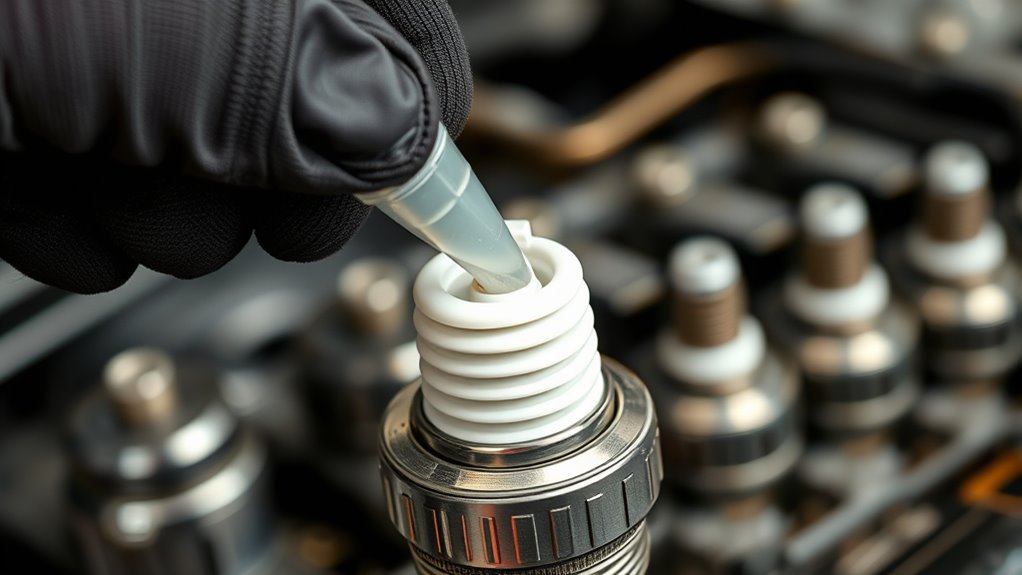
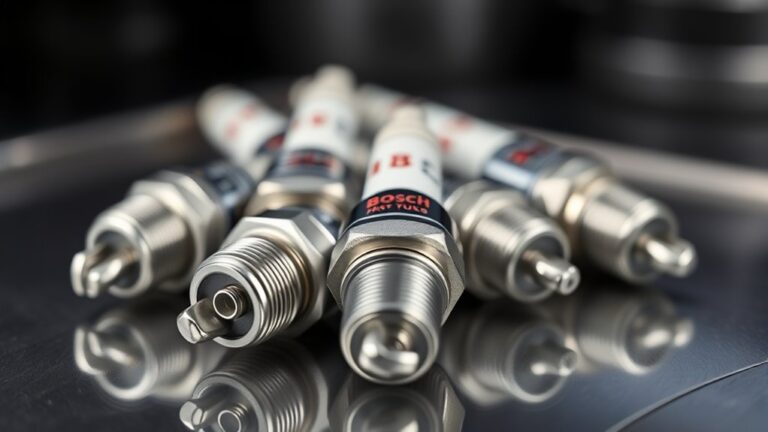
Spark plugs are essential parts of your vehicle’s ignition system, responsible for igniting the fuel-air mixture in your engine’s cylinders. They create a spark that causes combustion, helping your car run smoothly. Using the right materials, like copper, platinum, or iridium, affects how long they last and how well they perform.
Spark plugs ignite the fuel-air mixture, ensuring smooth engine performance with durable materials like copper, platinum, or iridium.
Copper spark plugs offer great conductivity but tend to wear out faster. Platinum and iridium last longer and handle high temperatures better. Properly working spark plugs are key for your engine’s efficiency and smooth operation.
Dielectric grease is important because it protects your spark plug’s ignition components from moisture, dirt, and corrosion. It also helps prevent electrical misfires by insulating the spark plug boot and ensuring a steady spark.
Applying dielectric grease on the right parts of your spark plug connection keeps the electrical connection solid. It improves longevity and helps your engine run reliably.
Understanding Spark Plug Components for Proper Grease Application
To apply dielectric grease properly, it’s helpful to know the main parts of a spark plug. These include the terminal design, the insulator, and the metal shell. Each of these parts has a specific role in making sure everything stays connected right and stays insulated. That’s where the grease comes in—it helps protect these parts from moisture and corrosion.
It’s also good to understand the functions of the electrode and gasket. Knowing where they are and what they do can help you figure out the best spots to apply the grease. Basically, a little bit of understanding about the spark plug’s components can make your greasing job much easier and more effective.
Spark Plug Terminal Design
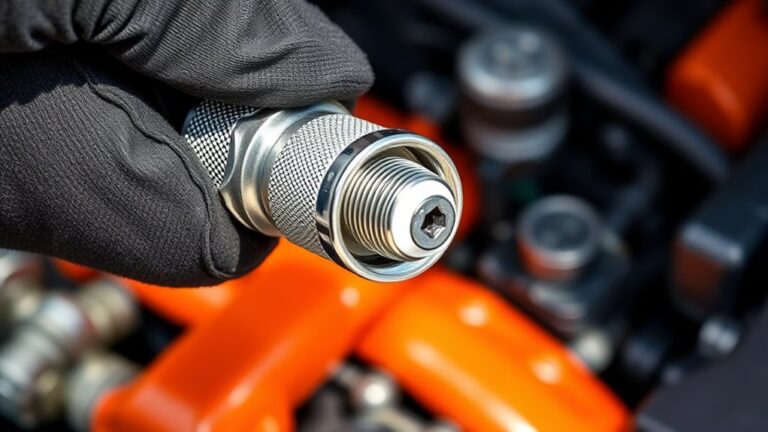
Ever wondered why understanding the design of a spark plug terminal matters when applying dielectric grease? The terminal connects the spark plug to your ignition system, so its design impacts how effectively you apply grease.
Spark plug materials like nickel, platinum, or iridium influence the terminal’s construction, affecting how it conducts electricity and withstands heat. A well-designed terminal ensures a secure connection, reducing misfires and corrosion.
Knowing whether your spark plug has a traditional or specialized terminal helps you choose the right spot for dielectric grease. Applying the grease properly on the terminal helps maintain a solid electrical connection, prevent moisture buildup, and prolong the lifespan of both the spark plug and ignition system.
Proper understanding guarantees *ideal* performance and reliability.
Insulator and Metal Shell
Understanding the insulator and metal shell of your spark plug is essential for applying dielectric grease correctly. The insulator, usually made from ceramic materials, isolates the center electrode and helps prevent electrical leakage.
The metal shell provides structural support and connects to the cylinder head, ensuring a secure fit. When working with spark plugs, knowing that the ignition system relies on proper grounding and insulation helps you see why applying grease sparingly to the insulator’s exterior is important—it prevents corrosion and ensures a good electrical connection.
The materials used in your spark plug determine how well it withstands heat and voltage. Avoid over-application that could interfere with threading or positioning. Proper handling of these components guarantees peak performance for your ignition system.
Electrode and Gasket Roles
The electrode and gasket components are essential for making sure your spark plug fires correctly and stays sealed against leaks. The electrode is where the spark happens, so keeping the contacts clean and well-maintained is key for good performance.
Applying dielectric grease carefully to the electrode can help prevent corrosion and ensure reliable sparks over time. The gasket creates a seal between the spark plug and the engine head, stopping leaks and keeping dirt out.
Use grease that’s compatible with gasket materials to avoid deterioration and maintain a good seal. Properly applying grease around the gasket helps it fit tightly and makes removal easier when you need to do maintenance.
Understanding the roles of the electrode and gasket helps you apply dielectric grease correctly. This improves spark plug performance and lifespan without damaging the gasket or reducing sealing effectiveness.
How to Apply Dielectric Grease to the Spark Plug Boot
First off, give the inside of the boot a good clean to get rid of any dirt or debris. You want to make sure there’s a nice, solid connection when you put everything back together.
Next, grab some dielectric grease and spread a thin, even layer around the inside of the boot and the spark plug terminal. This step is pretty important because it helps keep moisture out and makes it a lot easier to remove the boot later on.
Preparing the Boot Surface
Before applying dielectric grease to the spark plug boot, it’s important to prepare the surface properly. Understanding the spark plug design helps you figure out where to apply grease and how it will improve the connection.
Inspect the boot for dirt, debris, or damage. Clean it with a cloth or a mild cleaner if needed. This ensures your lubrication techniques will be effective, promoting a secure fit and preventing moisture buildup.
Be careful not to over-apply the grease, as excess can attract dirt or interfere with the connection. Focus on the inside of the boot’s contact area, making sure it’s smooth and free of obstructions.
Proper preparation guarantees that the dielectric grease will help maintain a reliable electrical connection and protect against corrosion.
Applying an Even Layer
Now that the boot surface has been properly cleaned, it’s time to apply the dielectric grease evenly. Using your finger or a small brush, spread a thin, even layer around the inside of the spark plug boot.
This layer helps prevent spark plug corrosion and guarantees a good seal. Be careful not to over-apply, as excess grease can interfere with electrical conductivity.
Focus on covering the entire inner surface, especially the areas prone to moisture buildup. An even coat creates a barrier against moisture and dirt, protecting the connection while maintaining ideal electrical flow.
This careful application prolongs the life of your spark plugs and keeps your engine running smoothly. Remember, a consistent, light layer is key for effective insulation and corrosion prevention.
Where to Put Dielectric Grease on the Spark Plug Terminal
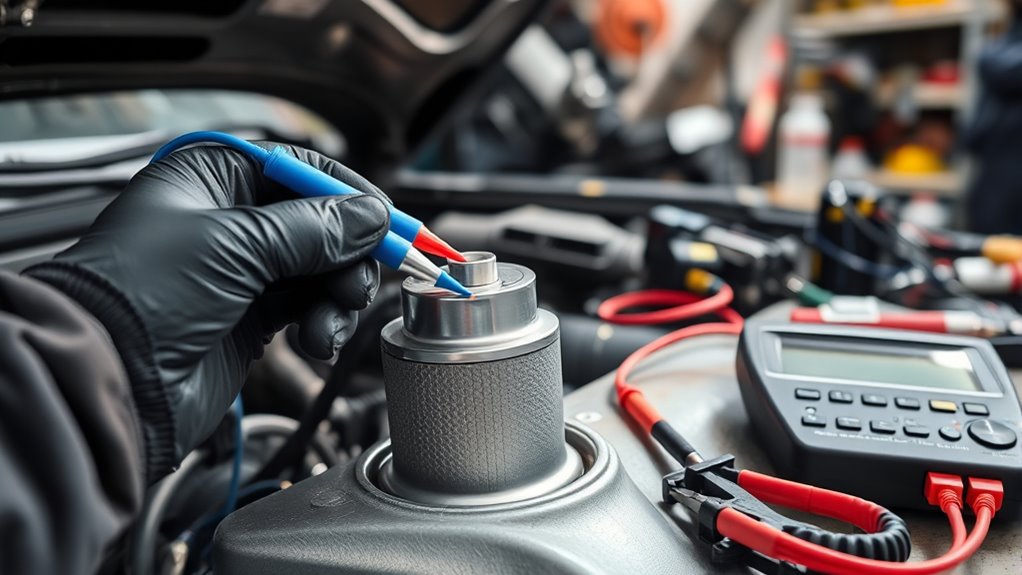
Applying dielectric grease to the spark plug terminal helps prevent corrosion and ensures a good electrical connection. To do this, lightly coat the metal surface of the terminal, avoiding the rubber or plastic insulator.
This grease improves conductivity, especially around the spark plug paint area, while also protecting against moisture that can cause corrosion. Be sure to apply enough to fill any gaps without creating excess buildup.
Proper application ensures the ignition coil and spark plug connect smoothly, preventing misfires. Use dielectric grease here to maintain a solid electrical connection and extend the lifespan of the components.
| Step | Action |
|---|---|
| 1 | Clean the terminal to remove dirt and corrosion. |
| 2 | Apply a thin layer of dielectric grease evenly. |
| 3 | Connect the ignition coil terminal securely. |
Applying Dielectric Grease to Spark Plug Threads to Prevent Cross-Threading
Applying dielectric grease to spark plug threads is a handy trick to help prevent cross-threading. Basically, it acts like a lubricant, making it easier to screw the spark plug in smoothly without damaging the threads.
Just make sure to use a small amount and spread it out evenly over the threads before you tighten everything up. That way, the spark plug goes in easily, and you can avoid any potential issues or damage during installation.
Thread Lubrication Benefits
Using dielectric grease on spark plug threads greatly reduces the chance of cross-threading when you’re installing them. It acts as a lubricant, making it easier to turn the threads and helping prevent damage.
This is especially useful for spark plugs made of materials like aluminum or copper, which can be more prone to galling or stripping. The grease also helps handle the different thermal expansion rates between the plug and cylinder head.
Proper Grease Application Method
To guarantee you don’t cross-thread your spark plugs, start by cleaning the threads thoroughly to remove dirt and debris. When applying dielectric grease, use a small amount and evenly coat the threads, focusing on electrical insulation and preventing moisture intrusion.
Avoid excess grease, as it can interfere with proper spark plug seating and disrupt heat dissipation. Remember, dielectric grease also helps insulate the electrical connection, reducing chances of misfires.
Carefully thread the spark plug by hand to ensure correct alignment. Once snug, tighten it to the manufacturer’s torque specs.
This proper application method guarantees electrical insulation, protects against corrosion, and maintains effective heat dissipation. Proper grease application makes installation easier and promotes long-term engine reliability.
How Much Dielectric Grease Is Enough? Tips for Proper Use
Knowing the right amount of dielectric grease to use is essential for effective insulation and preventing moisture intrusion. You don’t need a thick coating—just enough to create a thin, even layer that covers the spark plug’s terminal and boot.
For spark plug material, apply a small dab—about the size of a pea—ensuring it doesn’t seep into the electrode area. Too much grease can hinder electrical conductivity, causing misfires or poor performance.
Conversely, too little leaves gaps where moisture can cause corrosion or misfire issues. When applying, focus on creating a uniform barrier without excess, avoiding buildup that might interfere with proper spark plug seating.
Common Mistakes to Avoid When Using Dielectric Grease on Spark Plugs
One of the most common mistakes is applying too much dielectric grease, which can prevent the spark plug from seating properly and interfere with the electrical connection. In your quest for maximum performance, avoid overuse—remember, sparingly is best. Misapplying grease can also obscure the spark plug’s electrode, compromising spark delivery.
Applying too much dielectric grease can hinder spark plug seating and spark delivery; use sparingly for best performance.
Be cautious of these pitfalls:
- Using dielectric grease as a lubricant instead of its primary insulating purpose. Its intended role isn’t to make things slide smoothly but to insulate and prevent moisture buildup.
- Applying grease directly to the electrode or inside the terminal. That can mimic older mistakes where improper maintenance caused misfires.
- Relying on greasy fingers instead of a proper applicator. This risks contamination or excess buildup that can lead to problems.
Proper use keeps the connection secure without interfering with fuel combustion or spark creation. Avoid these mistakes for a smoother-running engine.
When and How Often to Reapply Dielectric Grease During Maintenance
Reapplying dielectric grease isn’t something you’ll need to do with every spark plug change, but it’s good to know when the time comes. If you notice engine noise increasing or your fuel economy dropping, it’s time to take another look.
Over time, the grease can dry out or wash away, which reduces its ability to protect the connections. Usually, check the spark plug connections during regular maintenance every 30,000 miles, or earlier if you experience rough idling, misfires, or performance issues.
When it’s time to reapply, carefully remove the spark plugs, clean off any old grease, and put on a fresh coat on the terminal and possibly the boot. This helps ensure a good seal and prevents moisture or dirt from causing electrical problems.
Regular inspections keep the grease working effectively, helping your engine run smoothly and efficiently. Don’t wait for problems to get worse—reapply as part of your scheduled maintenance to keep everything running quietly and properly.
How Dielectric Grease Prevents Corrosion and Misfires
Dielectric grease acts as a barrier that protects spark plug connections from moisture, dirt, and corrosion, which can cause electrical failures. By keeping these issues at bay, it helps ensure your ignition system stays reliable and your engine runs smoothly.
When corrosion forms, it interrupts the electrical flow, causing misfires and lower fuel efficiency. Applying dielectric grease creates an insulating layer that:
- Stops moisture from reaching metal contacts, reducing rust and corrosion.
- Prevents dirt and debris buildup, helping maintain consistent electrical conductivity.
- Ensures a tight, corrosion-free connection, which reduces misfires and boosts ignition system performance.
This protective barrier helps preserve your spark plugs and their connections over time. In the end, dielectric grease keeps your ignition system working properly, supporting maximum fuel efficiency and engine power.
Tips for Reinstalling Spark Plugs After Applying Dielectric Grease
After applying dielectric grease to your spark plug connections, the next step is to reinstall the plugs carefully to ensure peak performance. Handle tools like the spark plug socket and torque wrench gently to avoid cross-threading.
When placing the spark plugs back into the cylinder head, hand-tighten them first. This helps prevent damage before using a torque wrench to tighten them to the manufacturer’s recommended specs.
Tightening to the proper torque maintains compression and helps prevent thread stripping. Applying dielectric grease to the tip of the spark plug boots or wire connectors can improve insulation and connection quality.
This keeps your ignition system sealed and resistant to moisture, dirt, and corrosion. Take your time during reinstallation to make sure everything fits properly.
Properly installed spark plugs help maintain engine efficiency, prevent misfires, and extend the life of your ignition components. Always double-check your work before starting the engine.
Frequently Asked Questions
Can Dielectric Grease Be Used on Other Engine Components Besides Spark Plugs?
Yes, you can use dielectric grease on other engine parts like electrical connectors and battery terminals.
Applying it helps prevent corrosion and keeps connections dry, which can improve engine cooling and fuel efficiency.
Just make sure to use it sparingly and avoid applying it where it might make connections slip.
Using dielectric grease in these spots helps keep things running smoothly and protects sensitive parts, making them last longer.
Is There a Specific Brand of Dielectric Grease Recommended for Spark Plugs?
You should consider trusted brands like Permatex or NGK for dielectric grease, as they often get positive reviews for spark plug use. These brands provide products specifically designed to handle high temperatures and electrical insulation.
Their products are compatible with engine components and help ensure your ignition system stays protected. Just make sure to check the label to confirm it’s suitable for spark plugs.
And don’t forget to follow the manufacturer’s instructions for the best results. That way, you’ll keep everything working smoothly.
How Long Does Dielectric Grease Typically Last Before Needing Reapplication?
Dielectric grease usually lasts about 2 to 3 years before you should reapply it.
Over time, it can break down, especially if exposed to heat, moisture, or battery corrosion.
Make sure to check your spark plug wires and terminals regularly for cracks or corrosion.
Reapplying dielectric grease helps prevent electrical shorts caused by moisture and keeps connections protected from elements that could weaken its effectiveness.
Does Applying Dielectric Grease Affect Spark Plug Performance or Longevity?
Think of dielectric grease as an invisible shield for your spark plugs; it doesn’t boost performance but acts like electrical insulation and corrosion protection.
Applying it properly won’t harm longevity—in fact, it helps prevent moisture and corrosion, keeping your spark plugs cleaner longer.
Can Dielectric Grease Be Applied to Both Old and New Spark Plugs?
Yes, you can apply dielectric grease to both old and new spark plugs during maintenance. It helps prevent corrosion and makes future removal easier.
Apply a thin, even layer on the inside of the spark plug boot, but be careful not to get grease on the spark plug electrode. This ensures your spark plugs stay protected and perform well.
Using dielectric grease makes maintenance simpler and keeps your engine running smoothly, whether the spark plugs are brand new or have been in use for a while.
Conclusion
Now that you know where to put dielectric grease on your spark plugs, you’re all set to keep your engine running smoothly.
Just remember, a little grease goes a long way. It’s the secret sauce for preventing corrosion and ensuring a solid connection.
Don’t rush the process; patience pays off. With proper application, you’ll avoid headaches down the road.
Keep your engine happy by applying dielectric grease correctly. It’s key to maintaining a reliable and efficient spark plug connection.