10 Reasons Why My Jeep Won’t Start
Having trouble starting your Jeep? You’re not alone—many Jeep owners face this frustrating issue at some point.
Whether you’re rushing to work or just trying to head out for a weekend adventure, a Jeep that won’t start can be a real headache. Fortunately, most problems have simple fixes once you know what to look for.
If your Jeep won’t start, the problem could be a weak or dead battery, faulty starter motor, or bad alternator that’s not charging the battery properly. Fuel delivery issues, like a clogged filter or bad fuel pump, can also prevent starting.
Worn spark plugs, ignition problems, or mechanical obstructions might block the engine from turning over.
To get your Jeep back on the road, it’s useful to check these common causes and more.
Key Takeaways
- The battery might be dead or weak, so it can’t supply enough power to start the engine.
- A faulty starter motor or solenoid can stop the engine from cranking even if the battery is fine.
- Issues with the ignition switch can mess up the electrical signals needed to turn on your Jeep.
- Fuel delivery problems, like clogged filters or a failing fuel pump, can stop the engine from igniting.
- Bad spark plugs or ignition coils reduce the spark needed for the engine to start and run smoothly.
How Does My Jeep’s Starting System Work?
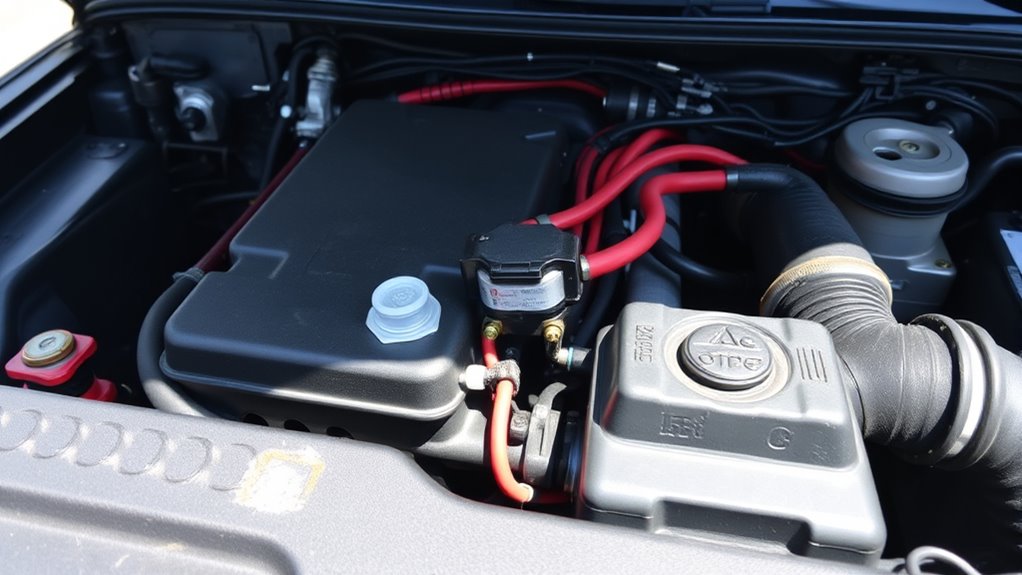
Your Jeep’s starting system is there to turn your key or push button into the power needed to start the engine.
Your Jeep’s starting system converts key or push-button activation into engine power.
When you turn the key or press the start button, electrical signals activate the starter motor, which then cranks the engine.
Before this, your vehicle checks things like tire pressure and windshield wipers to ensure safety and performance.
Incorrect tire pressure can make handling weird, but it rarely stops your Jeep from starting.
Windshield wipers don’t affect starting directly, but they’re important for foggy or rainy weather to keep you visible.
The main parts of the starting system—battery, ignition switch, starter relay, and starter motor—must work together.
If one of these parts isn’t working right, your Jeep might not start.
Knowing how these parts interact helps you spot problems and keep your starting system in good shape.
This way, your vehicle will turn on smoothly every time you turn the key or press the button.
Is the Battery Causing My Jeep Not to Start?
A weak or dead battery is one of the most common reasons a Jeep won’t start. Your vehicle depends on a healthy battery to power the starter and fuel system, so if the battery is failing, the engine won’t turn over.
During routine maintenance, checking the battery’s condition is key to avoiding unexpected stalls. If the battery isn’t holding a charge, it could be due to age, corrosion on the terminals, or leaving accessories on.
Signs include dim headlights or slow cranking. If you think your battery has issues, it’s best to address them quickly before you end up needing costly engine repairs later.
Simple steps like cleaning the terminals or replacing an old battery can save you from bigger problems down the line. Making sure your battery is in good shape helps keep your Jeep reliable and prevents you from being stranded.
Regularly inspecting your battery ensures smooth starts and keeps your vehicle running in top condition.
Test for a Dead or Weak Battery
If your Jeep isn’t starting up, it’s a good idea to check the battery first. Sometimes, the problem is just a weak battery showing signs like slow cranking or dim headlights. Those are clues that your battery might need some attention.
To get a clearer idea, you can use a voltmeter to check the battery’s voltage. When fully charged, it should ideally read around 12.6 volts. If it’s significantly lower, then your battery might be dead or close to it. Doing this test helps you figure out whether the battery is the culprit or if you might need to look elsewhere.
Signs Of Battery Weakness
When the battery starts weakening, you might notice warning signs before it fails completely. Things like slow engine cranking or flickering headlights can be indicators.
Corrosion around the battery terminals is common and can mess up connections, draining the battery’s power. If your Jeep needs an emergency jump start more often, that’s a clear sign the battery isn’t holding a charge anymore.
If the battery is old or shows visible wear, it’s worth testing and replacing if needed. Paying attention to these signs can help you avoid unexpected breakdowns.
Regular maintenance like cleaning corrosion and checking connections can extend your battery’s life. This keeps your Jeep running smoothly and helps prevent surprises.
Using a Voltmeter
| Condition | Voltage Reading | Possible Issue |
|---|---|---|
| Fully charged | 12.6V or higher | Battery is good |
| Weak battery | Below 12.4V | Needs charging or replacement |
| Dead battery | Below 11.8V | Likely dead or faulty |
This simple test helps you save time when diagnosing your Jeep.
Can a Failing Alternator Keep My Jeep From Starting?
Sure! A failing alternator can definitely stop your Jeep from starting. That’s because the alternator’s main job is to charge the battery and power the electrical systems while your engine is running. If it’s not working properly, it can’t keep the battery charged, which means your battery might not have enough juice to get your Jeep going.
Alternator and Battery Link
A failing alternator can definitely prevent your Jeep from starting, especially since it’s responsible for charging the battery while the engine runs. Without a properly functioning alternator, the battery quickly loses power, making starting difficult or impossible.
Even if your tire pressure is fine, a weak alternator affects essential systems like windshield wipers and headlights, which rely on the battery. When the alternator struggles, your vehicle might show warning signs, such as dimming lights or slow cranking.
If your battery isn’t getting charged, you could experience repeated starting issues even if the battery is new. Ensuring the alternator is working properly helps maintain the battery’s health and prevents starting problems.
- Flickering or dim lights
- Batteries draining quickly
- Slow or labored engine cranking
- Weak windshield wipers during use
Electrical System Impact
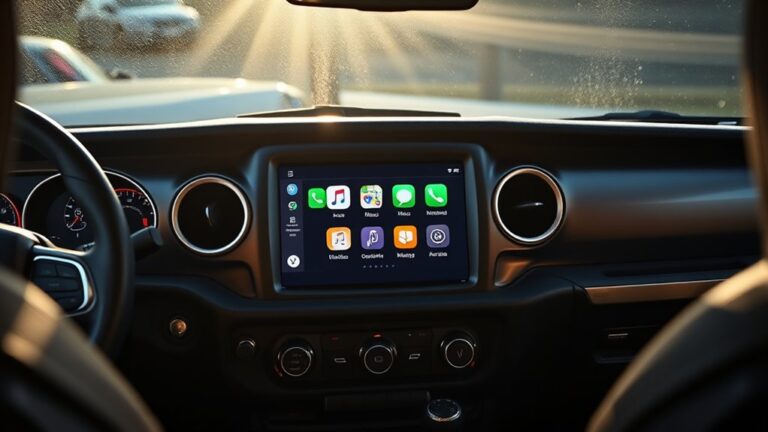
When your alternator starts to fail, it directly impacts your Jeep’s electrical system, leading to a cascade of issues that can prevent your vehicle from starting. A weak alternator struggles to maintain proper voltage, causing your car’s electronics, like Bluetooth connectivity and climate control, to malfunction or shut down.
You might notice your infotainment system cutting out or climate controls acting erratically. Over time, not having enough power makes the engine struggle to turn over or even prevents it from starting altogether. The alternator’s inability to keep the battery charged means your Jeep can lose critical electrical power unexpectedly.
This electrical drain can make starting difficult or impossible until the problem is addressed and the alternator is repaired or replaced.
Signs of Alternator Failure
Several signs can indicate that your alternator is failing, and catching them early can save you from getting stranded. If your Jeep struggles to start or the headlights seem dimmer than usual, it could be due to an alternator problem.
You might also notice a warning light on your dashboard, usually the battery icon. Other signs include frequent battery dead starts, even after replacing the battery, which suggests the alternator isn’t charging properly.
Additionally, if you hear a whining noise from the engine, it could point to alternator issues. When these symptoms show up, it’s a good idea to get professional alternator repair.
Ignoring these signs can lead to a dead battery or more electrical failures. That’s why seeking repair or a new battery promptly is important to keep your Jeep running smoothly.
Is the Starter Motor Malfunctioning?
If your Jeep’s engine won’t turn over when you turn the key, the problem could be with the starter motor. The starter motor is what cranks the engine, so if it’s not working properly, your Jeep won’t start.
First, check if your key fob is working correctly. Sometimes, a dead battery in the key fob can prevent the immobilizer system from recognizing your key, stopping the engine from starting.
If the key fob is fine, make sure the immobilizer system isn’t activated by mistake. It can disable the starter altogether. If that’s the case or if the starter motor is faulty, you might hear a clicking sound or nothing at all when you turn the key.
These signs suggest the starter motor or related parts might need a look. It’s a good idea to consider seeing a professional if you’re unsure, so you don’t cause more damage.
Check the Ignition Switch for Issues
A faulty ignition switch is a common reason your Jeep might not start, especially if the key turns but the engine stays silent. If turning the key doesn’t produce any response, it’s time to do a quick symptom check of the ignition switch. A malfunctioning switch can block power from reaching key parts, stopping the engine from starting.
To check the ignition switch, start by inspecting the wiring for any loose or broken connections. Listen closely for clicking sounds or inconsistent ignition responses when you turn the key. You can also test the switch’s connection to see if power is being transmitted properly.
Watch out for warning signs like flickering dashboard lights or lights that don’t turn on at all. If you notice these signs, the ignition switch might be the problem. Replacing it can often fix the issue and get your Jeep back on the road.
Are Fuel Delivery Problems Preventing Starting?
Fuel delivery problems are a common culprit when your Jeep won’t start, especially if the engine cranks but doesn’t fire up. One possible issue is a clogged fuel filter, which restricts the flow of fuel to the engine. If the filter is dirty or clogged, your Jeep may struggle to start or fail to start at all.
Fuel delivery issues like clogged filters can prevent your Jeep from starting smoothly.
Another potential problem involves the fuel injectors. If they’re dirty or malfunctioning, they won’t deliver the right amount of fuel into the combustion chamber. Sometimes debris or buildup can block fuel injectors, preventing proper atomization and fuel delivery.
Checking these components is essential if your engine cranks but doesn’t turn over. Replacing a clogged fuel filter and cleaning or replacing faulty fuel injectors can restore proper fuel flow.
Ensuring these parts are working correctly helps your engine get the fuel it needs to start smoothly and run efficiently.
Inspect Spark Plugs and Ignition Components
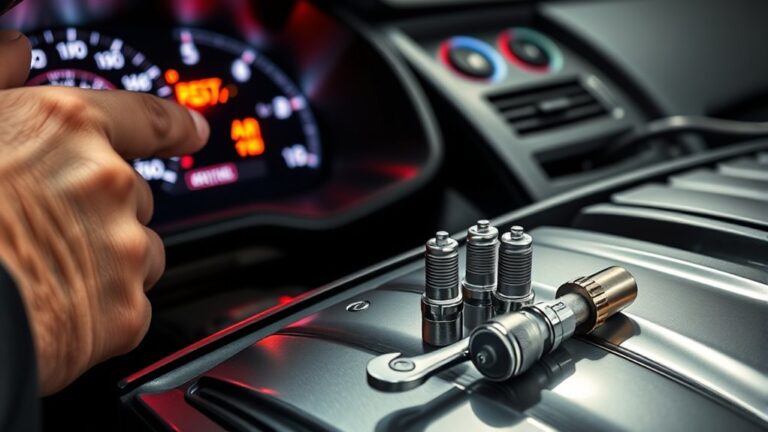
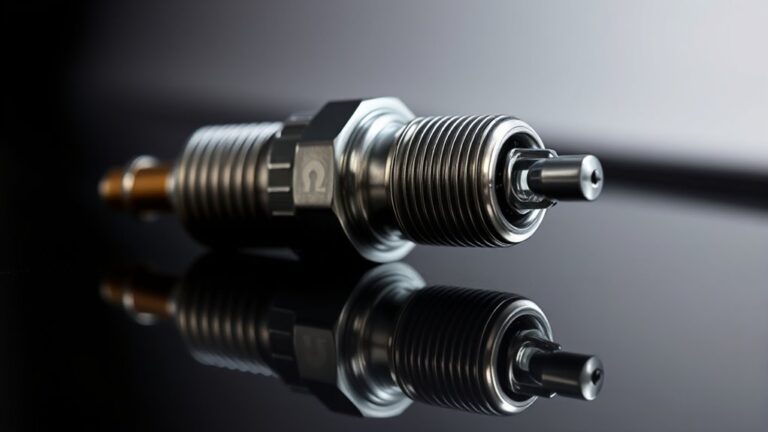
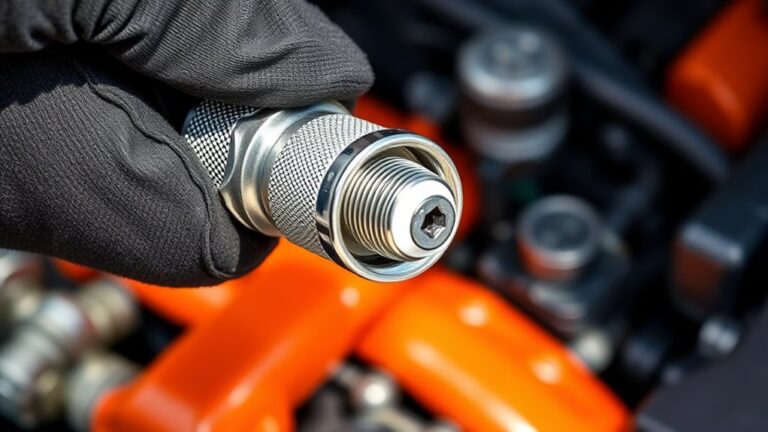
Since spark plugs and ignition components are crucial for creating the electrical spark needed to ignite the fuel-air mixture, examining them is an essential step when your Jeep won’t start. Over time, spark plug corrosion can occur, leading to poor electrical contact and failed ignition.
Ignition coil failure is another common issue, causing weak or no sparks altogether. To inspect, first remove the spark plugs and check for signs of fouling, wear, or corrosion. Replace any that appear damaged or excessively worn.
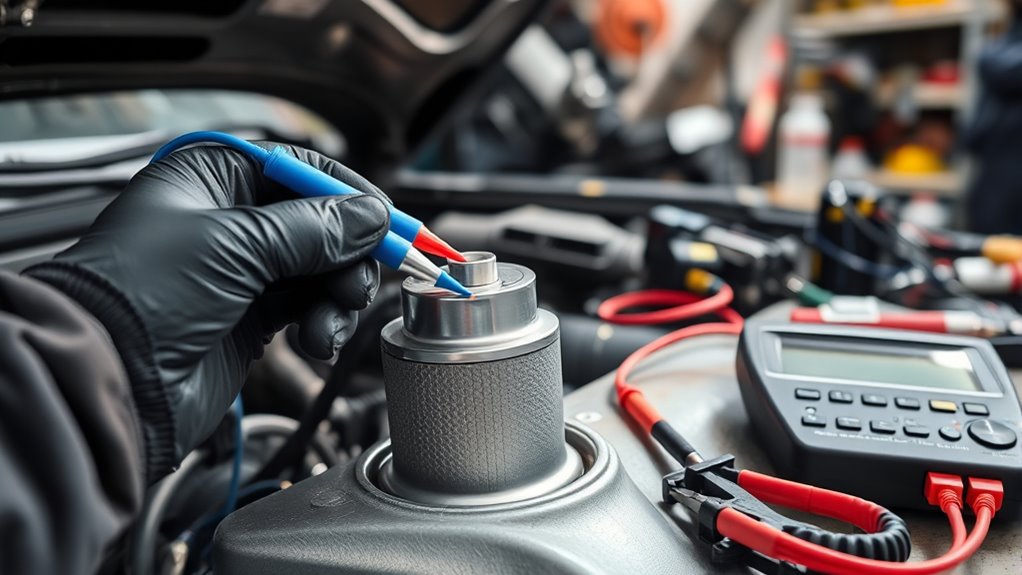
Test the ignition coil for proper resistance using a multimeter, and look for cracks or burns on the coil itself. Faulty ignition components disrupt the spark, preventing engine start-up.
Regular maintenance and timely replacement of spark plugs and ignition parts can keep your Jeep firing on all cylinders.
- Examine spark plugs for corrosion or deposits
- Check ignition coil for cracks or burns
- Test ignition coil resistance
- Replace worn or damaged spark plugs
Could Mechanical Issues Block the Engine From Turning Over?
Mechanical issues can prevent your engine from turning over even if the electrical parts are in good shape. For example, engine overheating can cause parts to seize, making it impossible for the engine to start.
When the engine gets too hot, metal components expand and may lock together, stopping movement. Transmission problems can also add stress, preventing the engine from cranking.
A slipping or damaged transmission might cause resistance that halts the engine’s rotation. Other mechanical issues, like a seized piston or a broken timing belt, can also block the engine from turning over.
These problems often happen due to ongoing wear or failure within the systems. If you’re having trouble starting your Jeep, consider whether overheating or transmission issues could be the cause.
Addressing these mechanical problems early can save you from more serious damage and help your engine turn over smoothly again.
How to Diagnose and Fix Common Starting Problems
When your Jeep won’t start, figuring out the problem quickly can save you both time and money. Most common issues usually involve the electrical system, fuel delivery, or regular maintenance points like cooling and tire pressure.
Start by checking your tire pressure because under-inflated tires create extra load, which can make starting harder. Then, look at the cooling system—overheating can cause the engine to seize or prevent it from turning over.
Next, make sure your battery is fully charged and the terminals are clean. A weak or corroded connection can keep the engine from igniting properly. Also, verify that your fuel pump and filter are working well to deliver fuel to the engine.
Here are some quick checks to perform:
- Test the battery voltage and connections
- Confirm tires are properly inflated
- Inspect the cooling system for overheating
- Ensure fuel delivery components are functioning
Frequently Asked Questions
Why Does My Jeep Crank but Won’t Start?
Your Jeep cranking but not starting probably points to battery issues or a problem caught during vehicle diagnostics. You might have a weak or dying battery, which can stop the engine from igniting properly.
It’s also possible there’s an issue with fuel delivery or the ignition system. To figure out what’s wrong, you should do vehicle diagnostics or have a mechanic check your battery and electrical system.
Fixing these areas should help get your Jeep running again.
Could a Clogged Fuel Filter Prevent My Jeep From Starting?
A clogged fuel filter can definitely prevent your Jeep from starting by restricting fuel flow. When the filter’s blocked, it’s harder for fuel to reach the engine, making starting up tough.
Poor fuel quality and a restricted air intake combine to cut off the engine’s fuel supply, which makes ignition impossible. You might notice difficulty starting, rough idling, or even stalling.
Keeping your fuel filter clean helps ensure proper fuel flow. It also improves air intake and keeps your Jeep running smoothly and reliably.
How Does a Faulty Relays Affect Starting Issues?
A faulty relay can cause starting issues because relay failure interrupts essential electrical flows needed for your Jeep to start. When relays aren’t working right, they might not activate key systems like the fuel pump or ignition.
You might notice a clicking sound or complete silence when turning the key. Replacing a worn-out relay can often fix these electrical problems and help your Jeep start smoothly again.
Can a Security System Prevent My Jeep From Starting?
Imagine your Jeep won’t start because of alarm interference or a key fob malfunction. A security system can prevent your vehicle from starting if it detects unauthorized access or if the key fob isn’t communicating properly.
For example, if your key fob’s battery is dead, the alarm might stop your Jeep from turning over, which helps prevent theft but can be frustrating. Check the key fob and alarm system to resolve the issue.
What Role Does the Engine Control Module Play in Starting Problems?
The engine control module (ECM) plays an important role in starting problems by managing engine functions like calibration and sensor checks. If the ECM malfunctions or misreads sensor data, it can stop your Jeep from starting.
You should look for warning lights or error codes related to sensors or calibration. Sometimes, resetting the ECM or getting a professional diagnosis can fix these issues and get your engine running again.
Conclusion
When your Jeep refuses to start, it feels like a broken promise, a machine betrayed. But understanding whether it’s electrical or mechanical can turn frustration into a fix.
Like a detective uncovering clues, you can troubleshoot your way to a solution. Though the problem may seem intimidating, keep in mind that with patience and the right knowledge, you can revive your Jeep’s heartbeat.
After all, sometimes it’s just a small issue hiding behind a big problem. If you’re facing a stubborn problem, like your Jeep not starting, identifying the cause can save you time and money.
Remember, checking the basics first—like the battery or fuel supply—can often resolve the issue. With the right troubleshooting steps, you’re well on your way to getting your Jeep back on the road.