How to Do Maintenance to Make Platinum Spark Plugs Last Longer
Are you tired of replacing your spark plugs too often or experiencing engine misfires? Many drivers struggle with maintaining their platinum spark plugs and want to get the most out of them. If you’re looking for simple tips to extend their lifespan, you’re not alone.
To make your platinum spark plugs last longer, regularly inspect them for wear, corrosion, or deposits. Keep the spark plug gap correctly set with a gauge.
Maintain your engine by keeping it clean, avoiding short trips, and using high-quality fuel with additives to prevent buildup.
Confirm the cooling system works properly to prevent overheating.
If you want more tips on extending your spark plug’s lifespan, keep exploring the best maintenance practices.
Key Takeaways
- Regularly inspect and clean spark plugs and the engine bay to keep debris and dirt from causing fouling.
- Follow the manufacturer’s recommended interval for replacing spark plugs, usually between 60,000 and 100,000 miles.
- Make sure to maintain the correct spark plug gap using precise measurement tools for the best ignition performance.
- Use high-quality fuel and add special treatments to help reduce carbon buildup and keep your spark plugs clean.
- Check that your cooling system is working properly to prevent overheating, which can damage the plugs and shorten their lifespan.
What Are Platinum Spark Plugs and How Do They Differ?
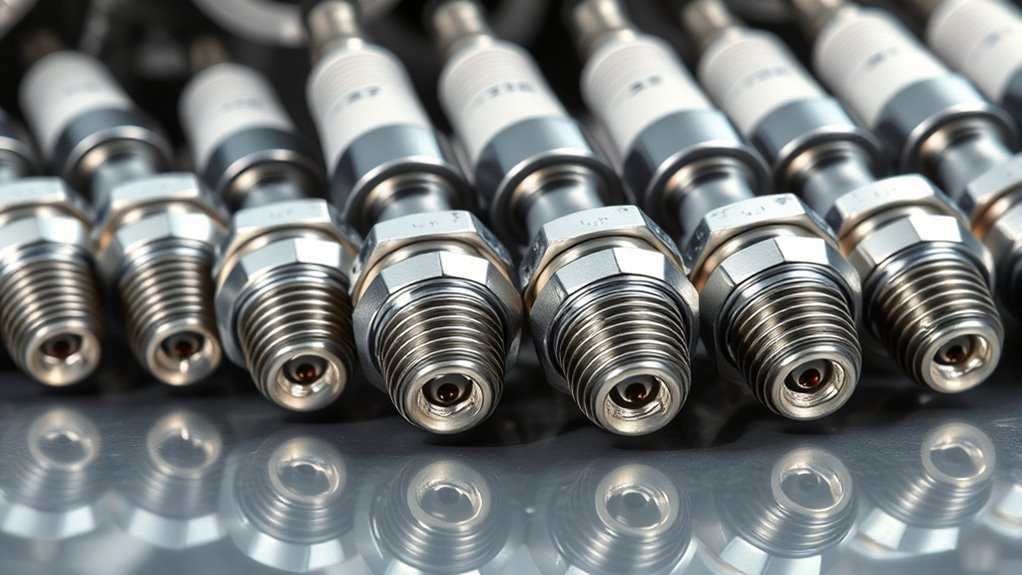
Platinum spark plugs are a type of ignition component that features a fine platinum tip on the electrode. This design boosts their durability, so they last much longer than traditional spark plugs.
Platinum spark plugs feature a fine platinum tip, enhancing durability and lasting much longer than traditional options.
Their composition includes a platinum core, which resists wear and corrosion, ensuring consistent performance over time. The platinum tip provides excellent electrical conductivity and helps reduce deposit buildup, which can impair ignition.
Compared to copper or nickel spark plugs, platinum variants are more resistant to temperature extremes and environmental damage. Thanks to their durability, you’ll spend less time replacing them and enjoy smoother engine performance.
This long-lasting quality makes platinum spark plugs a cost-effective choice in the long run. Keep in mind, their special composition isn’t just about durability—it also helps maintain ideal spark quality, keeping your vehicle running efficiently and reliably for years.
Why Regular Inspection of Your Spark Plugs Matters
Even though platinum spark plugs are made to last and perform well for a long time, regular inspection is really important to keep them in good shape. Checking your spark plugs regularly lets you catch problems early before they start affecting your engine.
Incorrect ignition timing can cause misfires or rough idling, so inspecting your spark plugs is key to keeping your vehicle running smoothly. Over time, corrosion can develop, leading to poor conductivity and less efficient combustion.
Corrosion is often caused by moisture or buildup of deposits, which can block spark delivery. During inspections, look for signs of wear, corrosion, or carbon buildup that might weaken the spark. Catching these early can help prevent engine misfires, improve fuel efficiency, and extend the life of your spark plugs.
Regular checks also make sure your ignition system stays aligned, helping your engine run smoothly. This can save you money by avoiding unnecessary repairs and replacements down the line.
Set and Maintain the Correct Spark Plug Gap
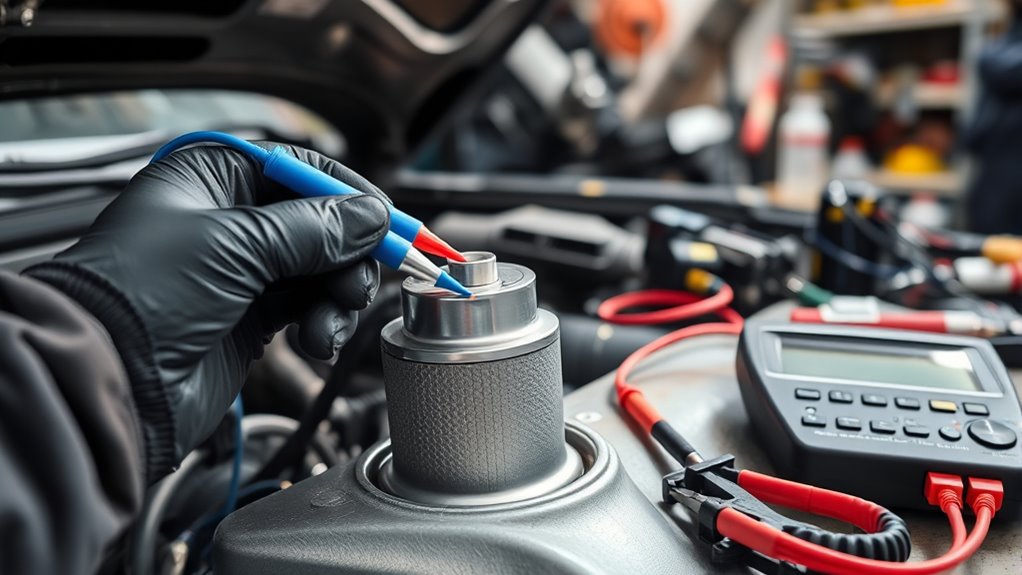
If you want your engine to run smoothly, it’s really important to set the spark plug gap just right. The best way to do this is by using a feeler gauge to measure it accurately. Having the correct gap ensures quick starts and steady performance.
Now, if the gap doesn’t match the manufacturer’s specs, your engine might have trouble starting or might not run as smoothly as it should. So, take your time to adjust it carefully. Gently bend the electrode until the gap matches the recommended measurement. Just be gentle—you don’t want to damage the spark plug!
Proper Gap Measurement Techniques
Ensuring the spark plug gap is correct is essential for maximum engine performance. To measure it properly, start with a reputable spark plug gap tool or a feeler gauge.
Carefully insert the tool between the center and ground electrode. Use light, steady pressure to avoid changing the gap, especially since electrical testing isn’t involved at this stage.
Keep in mind that thermal expansion can slightly change the gap when the engine heats up, so it’s best to measure it when the plug is cold for the most accurate reading.
Double-check the gap after your initial measurement and adjust as needed, making sure it matches your vehicle’s specifications.
Proper measurement techniques help prevent misfires and optimize power while protecting the longevity of your platinum spark plugs.
Adjusting Spark Plug Gap Correctly
Adjusting the spark plug gap correctly is key to keeping your engine running smoothly and efficiently. A proper gap ensures ideal spark plug insulation and minimizes electrode wear.
To set the right gap, check your vehicle’s manual for the correct measurement. Use a spark plug gap tool to carefully adjust the metal electrode, avoiding any damage.
Maintain even spacing to prevent misfires and excessive electrode wear. Double-check the gap after adjustments to ensure it’s precisely the right measurement.
Keep Your Engine Clean to Protect Your Spark Plugs
Keeping your engine clean is pretty important when it comes to protecting those platinum spark plugs. When your engine’s free of dirt and debris, it’s less likely to get damaged or have buildup that can cause problems down the road. So, it’s a good idea to check for any gross stuff around the engine regularly.
Also, make sure you’re using proper cleaning techniques — don’t just go haphazardly, since that might cause more harm than good. Keep an eye on your oil and filters, too, because fresh, clean oil helps everything run smoothly. When you stay on top of these little maintenance tasks, your engine will run more efficiently, and your spark plugs will thank you by lasting longer.
Regularly Check for Debris
Regularly inspecting your engine for debris is essential to maintaining your platinum spark plugs. Ignoring debris can hurt fuel efficiency and disrupt emissions control, leading to poor engine performance.
Here’s what you should do:
- Check air filters—clean or replace in case they’re dirty, so dirt doesn’t reach your spark plugs.
- Inspect the engine bay—remove leaves, dust, and loose debris that could cause blockages.
- Examine spark plug wires and connections—make sure they’re free of dirt and corrosion.
- Look for oil leaks or buildup—residue from leaks can foul spark plugs and reduce their lifespan.
Keeping your engine clean reduces debris buildup, helping to ensure optimal fuel efficiency and emissions compliance. This also protects your platinum spark plugs from premature wear.
Use Proper Cleaning Techniques
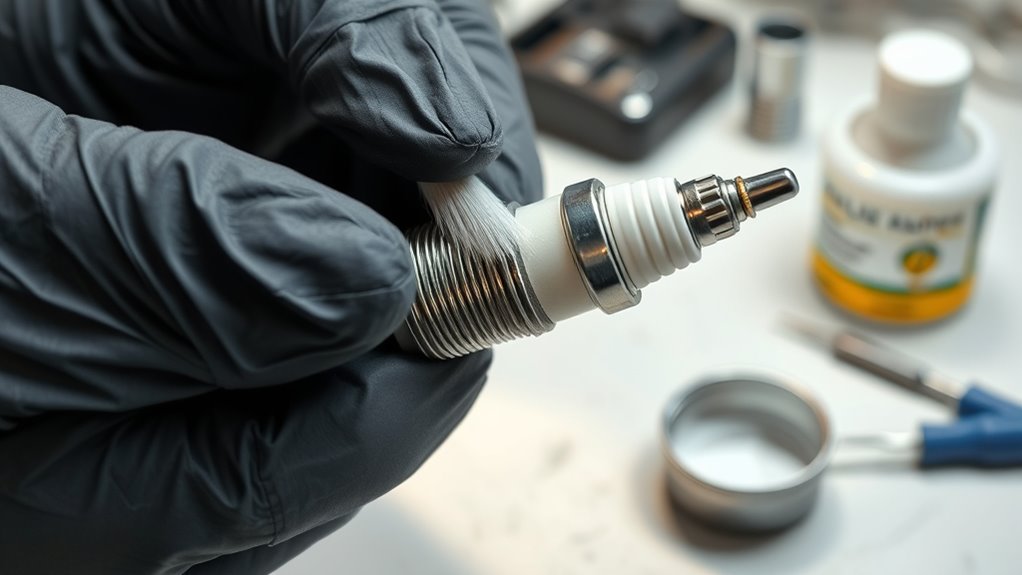
To effectively protect your platinum spark plugs, using proper cleaning techniques is key. Start by choosing gentle cleaning chemicals that won’t corrode the platinum or surrounding parts.
Use soft polishing tools to remove carbon deposits and dirt without scratching the surface. Avoid abrasive materials, which can damage the spark plug’s integrity.
Using the right tools and chemicals guarantees thorough cleaning without harming the spark plug’s lifespan. Here’s a suggested approach:
| Cleaning Chemical | Polishing Tool | Purpose |
|---|---|---|
| Mild degreaser | Soft-bristled brush | Remove deposits and grime |
| Isopropyl alcohol | Microfiber cloth | Clear residue and polish |
| Specialized spark plug cleaner | Non-abrasive pad | Restore shiny surface |
Applying these methods helps keep your spark plugs performing at their best and extends their life.
Maintain Oil and Filter
A clean engine oil and filter are essential for protecting your spark plugs and ensuring your engine performs at its best. Regular maintenance is key.
Schedule an oil change every 3,000 to 5,000 miles to keep the oil fresh and effective. When you change the oil, replace the filter to stop dirt and debris from circulating.
Check your oil levels often so you can catch leaks or low oil early. Use the recommended oil type for your vehicle to help with lubrication and reduce engine stress.
Staying on top of these tasks prevents fouling and keeps your combustion proper. It also helps your platinum spark plugs run smoothly. Don’t ignore these routine steps—they are crucial for extending spark plug life and maintaining good engine performance.
Avoid Short Trips to Prevent Carbon Buildup
Short trips are tough on platinum spark plugs because they prevent the engine from reaching its ideal temp. When your engine stays cold, unburned fuel and oil residues can settle on the spark plugs, causing carbon buildup.
This buildup not only hurts spark plug performance but also lowers fuel efficiency. Frequent cold starts make things worse, as each startup triggers incomplete combustion and more deposits.
To avoid this, try combining errands into longer trips so your engine can fully warm up. A warm engine burns fuel more efficiently, reducing deposits and helping your spark plugs stay cleaner longer.
Taking longer trips saves you money by improving fuel economy and lowering maintenance costs. Plus, avoiding short trips helps your platinum spark plugs last longer and perform their best.
When to Replace Your Platinum Spark Plugs According to the Manufacturer
Your vehicle’s owner’s manual is your best friend when it comes to knowing when to replace your platinum spark plugs. It’ll give you the specific details for your car, so you’re not guessing.
Generally, most manufacturers say you should change them somewhere between 60,000 to 100,000 miles. But keep in mind, this can vary quite a bit depending on the make and model of your vehicle.
Recommended Replacement Intervals
How often should you replace platinum spark plugs? Usually, the manufacturer’s recommendations are a good rule of thumb. For most vehicles with platinum spark plugs, replacement intervals are:
- Every 60,000 to 100,000 miles, thanks to durable materials that resist wear.
- When you experience misfires, rough idling, or poor acceleration.
- During major engine tune-ups or repairs.
- If your ignition timing isn’t running smoothly, which can be caused by worn spark plugs.
Always stick to the manufacturer’s guidelines to get the most out of your spark plugs. Proper maintenance helps ensure your engine runs smoothly longer and prevents unnecessary wear.
Manufacturer Guidelines Based
Manufacturers give specific advice on when to replace platinum spark plugs, usually based on the materials used and engine design. They provide maintenance schedules that match the durability of different spark plug materials.
Typically, platinum spark plugs last longer than traditional plugs, but it’s really important to follow the manufacturer’s recommendations to get the most out of their lifespan.
| Spark Plug Material | Replacement Interval |
|---|---|
| Platinum | 60,000 to 100,000 miles |
| Iridium | Up to 120,000 miles |
| Copper | 20,000 to 30,000 miles |
Always check your vehicle’s manual for the exact replacement schedule. Sticking to these guidelines ensures your platinum spark plugs perform well and last as long as they should.
Use Quality Fuel and Additives to Keep Deposits Away
Using high-quality fuel and specialized additives can significantly reduce carbon deposits and fouling on platinum spark plugs. Fuel quality directly affects how clean your engine runs, helping prevent buildup that can shorten spark plug life.
Additives offer cleaning benefits and boost combustion efficiency. To get the most out of them, consider these tips:
- Choose reputable fuel brands with high ratings for cleaner combustion.
- Use fuel additives formulated to break down carbon buildup and improve fuel stability.
- Periodically add fuel system cleaners to keep injectors and combustion chambers clean.
- Always follow the recommended dosage to avoid damaging engine components.
How to Prevent Overheating and Misfires in Your Engine
Maintaining clean fuel and using proper additives helps keep your engine running smoothly. But it’s equally important to prevent overheating and misfires that can damage your platinum spark plugs.
Overheating can happen if your cooling system isn’t working right, causing your engine temperature to spike and risking misfires. Make sure to check your coolant levels regularly and ensure your radiator isn’t clogged or restricted.
Proper ignition timing is key to preventing misfires and knocking. Use a timing light to set it correctly according to your vehicle’s specifications. Keeping these in check helps your engine stay in good shape and runs smoothly.
Signs Your Platinum Spark Plugs Are Worn Out and Need Attention
Over time, your platinum spark plugs can show signs of wear that impact your engine’s performance. Knowing these signs helps you catch issues early.
First, you might notice your engine misfiring or hesitating during acceleration. Second, increased fuel consumption suggests your spark plug isn’t firing efficiently.
Third, if your engine runs rough or stalls, it could be due to worn spark plugs. Fourth, look at the spark plug design—if the center electrode appears worn down or eroded, it’s time to replace.
Keep in mind that platinum alloy spark plugs last longer because of their durable electrode material, but they still wear over time.
Recognizing these signs ensures you maintain peak performance and avoid costly repairs. Regular inspections can help you spot when your platinum spark plugs are nearing the end of their lifecycle.
Get Professional Service for Optimal Spark Plug Performance
Getting professional service for your platinum spark plugs guarantees your engine runs smoothly and efficiently.
Regular inspections by experts catch issues early, making sure your spark plugs are clean, properly gapped, and working at their best.
During a professional check, technicians can spot signs of wear or fouling that you might miss on your own. If replacement is needed, they ensure correct installation to prevent damage or misfiring.
Relying on professionals helps extend your spark plugs’ lifespan and keeps your engine performing well.
They have the right tools and expertise to troubleshoot any underlying problems that could affect ignition efficiency.
Scheduling regular service with certified technicians reduces potential issues and can save you money over time.
Don’t skip out on professional care — it’s key for maximizing your platinum spark plugs’ durability and keeping your engine running smoothly.
Trusting experts for inspection and replacement gives you peace of mind and ensures your engine stays at peak performance.
Frequently Asked Questions
Can Driving Habits Affect the Longevity of Platinum Spark Plugs?
Yes, your driving habits and fuel quality directly affect how long platinum spark plugs last. Aggressive driving, quick acceleration, and lots of stop-and-go traffic tend to cause more wear, which shortens their lifespan.
Using high-quality fuel burns cleaner and produces fewer deposits, helping your spark plugs last longer. So, smooth driving and good fuel choice can really improve their durability.
Taking these steps saves you money on replacements and keeps your engine running smoothly.
What Tools Are Needed for Spark Plug Maintenance?
Did you know proper spark plug maintenance can extend their life by up to 30%? You’ll need a spark plug socket, a ratchet wrench, and a torque wrench to make sure it’s installed correctly.
For spark plug extraction, a spark plug gap gauge is handy for checking and adjusting the gap. Always follow the manufacturer’s torque specs to avoid over-tightening or under-tightening, which could cause engine problems.
Having these tools makes your maintenance precise and effective. Plus, it helps keep your engine running smoothly for longer.
Does Climate Influence Spark Plug Lifespan?
Climate effects can greatly impact how long your spark plugs last.
In hot, humid areas, they tend to wear out faster because of more corrosion and buildup.
On the other hand, cold weather can cause the metal parts to contract, which might affect how well they work.
If you live in extreme climates, it’s a good idea to check your spark plugs more often.
Doing regular maintenance helps reduce climate-related wear, so your engine runs smoothly and your spark plugs last longer.
How Does Engine Tuning Impact Spark Plug Wear?
Engine tuning impacts spark plug wear by helping to optimize the fuel mixture and ignition timing. When the fuel mixture is too rich or too lean, it can cause uneven or excessive wear on the spark plugs.
Similarly, incorrect ignition timing can lead to misfires and knocking, which actually speeds up the deterioration of platinum spark plugs.
Getting your engine properly tuned ensures the spark plugs burn fuel efficiently, which puts less stress on them and helps them last longer.
Are There Specific Signs of Platinum Spark Plug Damage?
Signs of platinum spark plug damage are like warning lights on your dashboard.
Watch for platinum corrosion around the electrode or insulator, which can weaken performance.
Spark plug fouling, often caused by oil leaks or carbon build-up, also indicates trouble.
These issues can lead to misfires, rough idling, or decreased fuel efficiency.
Catching these signs early helps prevent further damage and keeps your engine running smoothly.
It also helps prolong the life of your platinum spark plugs.
Conclusion
Maintaining your platinum spark plugs can extend their life and keep your engine running smoothly. Regular checks, proper gap setting, and using quality fuel can significantly reduce wear.
Did you know that neglecting spark plug maintenance can lower your fuel efficiency by up to 30%? Staying proactive helps your vehicle stay reliable and saves you money over time.
Keep an eye out for signs of wear and don’t hesitate to seek professional help when needed. Proper maintenance of platinum spark plugs ensures your engine stays in top shape and runs efficiently.