How Do You Determine How Long Iridium Spark Plugs Last
Are you tired of dealing with rough starts, engine misfires, or stubborn stalls? You’re not alone—many drivers struggle to know when their spark plugs need replacing, especially when it comes to long-lasting iridium spark plugs.
You can gauge how long iridium spark plugs last by paying attention to signs of wear, like rough idling, misfires, or difficulty starting. Keep track of your mileage—these plugs usually last between 60,000 and 100,000 miles.
Regular inspections and monitoring engine performance help you spot when replacements are due.
If you want to learn more about how driving habits and maintenance affect their lifespan, keep exploring the key factors that influence durability.
Key Takeaways
- Check the manufacturer’s recommended lifespan, usually between 60,000 and 100,000 miles, as a helpful guideline.
- During routine maintenance, inspect the spark plugs for visible signs of wear, corrosion, or electrode erosion.
- Keep an eye on your engine’s performance. If you notice misfires, rough idling, or difficulty starting, it might be time for a closer look.
- Use diagnostic tools to detect misfires or irregularities that could point to worn spark plugs.
- Remember that your driving habits and environmental conditions can speed up spark plug deterioration.
How Do Iridium Spark Plugs Work and Why Are They Durable?
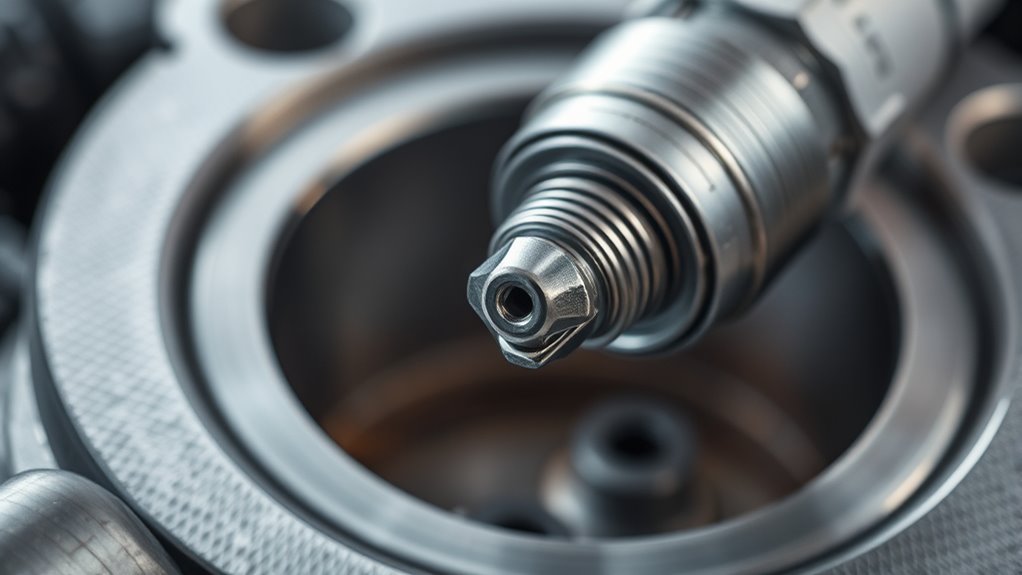
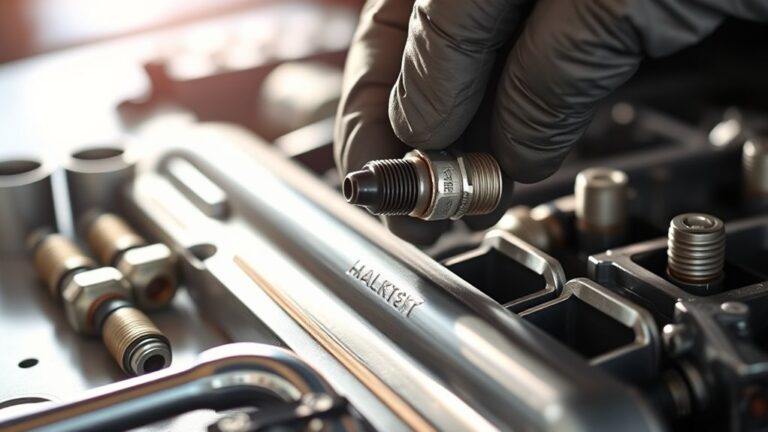
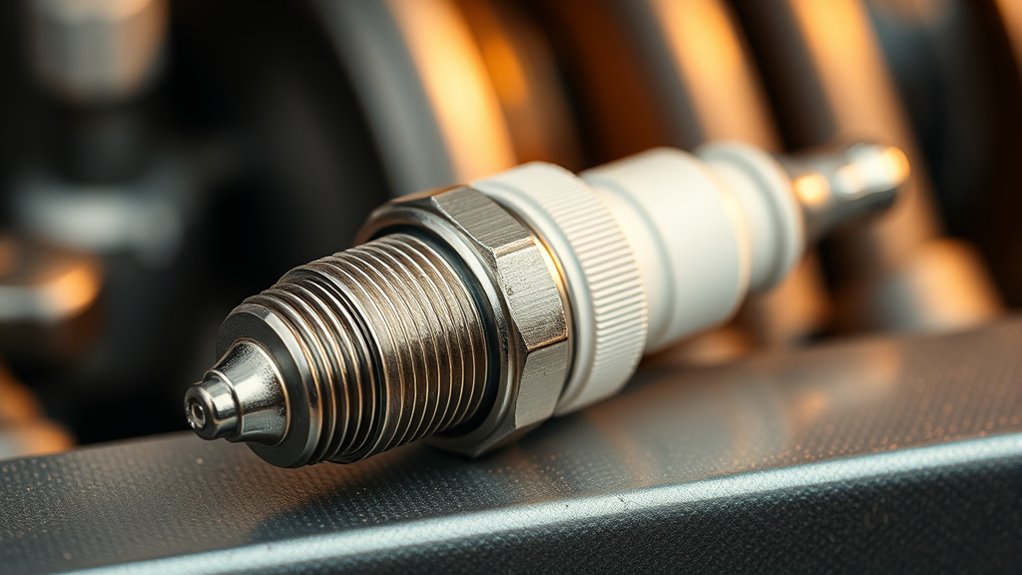
Iridium spark plugs work by providing a stable and efficient spark to ignite the fuel-air mixture in your engine. Their durability comes from the unique spark plug materials used, especially iridium, which is a very hard and corrosion-resistant metal.
When manufacturing iridium plugs, producers create fine-wire electrodes, allowing precise and high-quality manufacturing processes. These ensure the electrodes have minimal gaps and smooth surfaces, reducing wear over time.
Because iridium has a high melting point and excellent electrical conductivity, the spark plugs stay consistent for a longer time compared to traditional plugs. The durability also comes from iridium’s resistance to erosion caused by extreme heat and mechanical stresses inside the engine.
All these factors—advanced materials and sophisticated manufacturing—make iridium spark plugs more reliable and long-lasting. They give you fewer replacements and steady engine performance.
What Influences How Long Iridium Spark Plugs Last?
Several factors influence how long iridium spark plugs last, with engine conditions and maintenance playing big roles. One important aspect is the spark plug coatings. High-quality coatings help resist wear and corrosion, which can extend their lifespan.
Manufacturing quality also matters. Well-made plugs with precise craftsmanship tend to last longer and perform more reliably. If the coatings are thin or uneven because of lower quality production, the plug will wear out faster.
Your driving habits and engine environment also affect how long the plugs last. Frequent short trips, idling, or driving in dusty or wet conditions can speed up wear. Poor maintenance, like skipping regular inspections or not replacing worn parts, can also shorten their life.
Taking good care of your engine and choosing plugs from reputable manufacturers with superior coatings will give you the best chance to maximize their lifespan.
How Many Miles Do Iridium Spark Plugs Typically Last?
Understanding how far your iridium spark plugs can go really depends on your driving habits and how well you take care of them.
Generally, these spark plugs last between 60,000 and 100,000 miles. Their longer life comes from the advanced materials used they help maintain combustion stability over time.
To get the most out of your spark plugs, it’s smart to do regular inspections. This keeps your engine running efficiently and helps prevent fouling or excessive wear.
Keeping up with consistent engine maintenance also helps preserve combustion stability, which can extend their life and delay needing replacements.
And try to avoid aggressive driving—hard acceleration and sudden stops can speed up plug wear and cut into their mileage potential.
Signs That Your Iridium Spark Plugs Are Worn Out
Over time, worn-out spark plugs can cause noticeable issues with your vehicle’s performance. One common sign is a decrease in Iridium spark efficiency, leading to rough idling or misfires.
Worn spark plugs reduce Iridium efficiency, causing rough idling and engine misfires.
You might also notice a drop in fuel economy, as your engine struggles to ignite the fuel-air mixture properly. If your vehicle takes longer to start or stalls unexpectedly, worn spark plugs could be to blame.
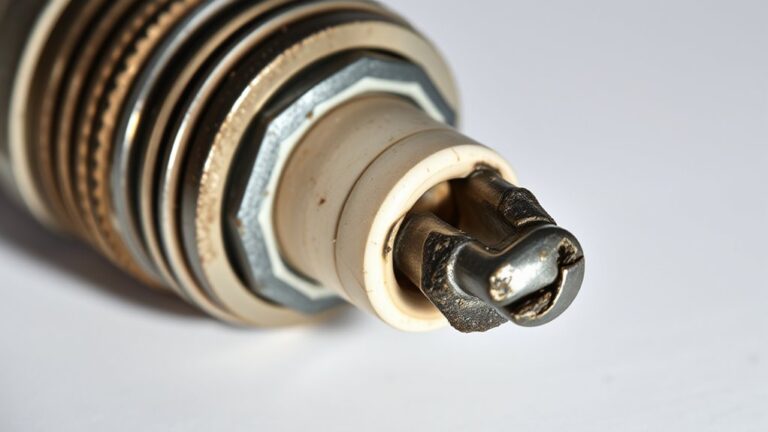
During spark plug installation, if the plugs show signs of carbon buildup or electrode erosion, it’s a clear indication they’ve reached the end of their lifespan. Another sign is hesitation or lack of acceleration when you press the gas pedal.
Keep in mind, these symptoms often point to worn spark plugs, not necessarily other engine issues. Regularly inspecting your spark plugs and replacing them when needed helps maintain ideal Iridium spark efficiency—and keeps your engine running smoothly.
How Your Driving Habits Affect Spark Plug Lifespan
Your driving habits greatly influence how long your iridium spark plugs last. Aggressive acceleration, frequent short trips, and heavy loads can cause your plugs to wear out faster. These habits lead to higher engine temperatures, which impact spark plug materials and speed up deterioration.
Environmental factors like road dust, humidity, and temperature changes also affect spark plug performance over time. To help your plugs last longer, try to avoid rapid acceleration and deceleration, as these generate excessive heat and wear.
Taking regular, longer drives allows the engine to fully warm up, which reduces carbon buildup. Also, keeping up with proper engine tune-ups helps protect your spark plugs from environmental stress and extends their lifespan.
How Do Iridium Spark Plugs Compare to Other Types?
Iridium spark plugs are pretty popular because they tend to last longer and hold up better than the old-school copper or platinum ones. Sure, they usually cost a bit more when you buy them, but the upside is they don’t need to be replaced as often, which can save you money in the long run.
When you’re choosing between different types, think about how much you drive and what you’re willing to spend upfront versus later on. If you’re looking for something low-maintenance and long-lasting, iridium might be the way to go.
Durability and Longevity
Although traditional copper or platinum spark plugs often need replacement after 20,000 to 30,000 miles, iridium spark plugs are designed to last much longer—typically around 60,000 to 100,000 miles. Their durability supports consistent performance and cleaner combustion, which helps with fuel efficiency and reducing emissions.
To understand their longevity, consider three main factors: material strength, stable spark, and heat resistance. Iridium’s hardness resists electrode wear, which extends the lifespan. It also maintains a steady spark for better ignition, reducing misfires.
Plus, iridium can handle higher temperatures without degrading. All these factors make iridium plugs a reliable choice for drivers wanting durability without sacrificing fuel efficiency or having to replace plugs often.
Cost and Maintenance
While iridium spark plugs usually cost more upfront than traditional copper or platinum options, their longer lifespan often makes up for it. Their chemical properties—being highly resistant to corrosion and wear—help reduce maintenance needs.
The manufacturing process creates a durable, fine-electrode tip that boosts performance and extends plug life. Compared to older types, iridium plugs can last 60,000 miles or more.
Tips to Make Your Iridium Spark Plugs Last Longer
Sure! Here’s the revised version with a more conversational tone:
—
If you want your iridium spark plugs to last longer, the first thing you should do is keep up with regular maintenance checks. It’s also a good idea to make sure your engine is running smoothly — that way, your spark plugs won’t be under unnecessary stress.
And, of course, how you drive makes a difference too. Trying to avoid aggressive driving habits like sudden acceleration or hard braking can really help reduce wear and tear.
Follow these simple tips, and your spark plugs should stay in great shape for a longer period, keeping your engine running nicely!
Regular Maintenance Checks
Performing regular maintenance checks is essential to extend the lifespan of your iridium spark plugs. These checks help ensure the spark plug coatings stay intact and prevent premature failure.
Start by inspecting the plugs for signs of wear, like dirt, corrosion, or deposits. Then, consider these three easy steps:
- Verify the spark plug gaps match manufacturer recommendations for the best spark delivery.
- Check for oil or fuel fouling, which can point to underlying engine or fuel system issues.
- Examine the consistency of the spark plug’s appearance and coatings to spot low-quality parts that could cause damage.
Proper Engine Usage
Wondering how to maximize the lifespan of your iridium spark plugs? Proper engine usage is key. Avoid hard accelerations and heavy loads, as they put extra strain on your plugs and can cause faster wear.
Keep your engine at the right temperature by fixing cooling system issues quickly. Running smoothly not only helps your engine last longer but also improves fuel efficiency and cuts down on emissions.
Use quality fuel and stick to the manufacturer’s recommended oil change intervals. Dirty oil can affect how your spark plugs perform and reduce their lifespan.
Don’t forget to check your air filter regularly. A clogged filter makes combustion less efficient, leading to incomplete burns and increased wear on the plugs.
When and How to Check or Replace Your Spark Plugs
Knowing when to check or replace your spark plugs is key to keeping your engine running smoothly. Regular inspection helps you catch problems early and ensures they work efficiently.
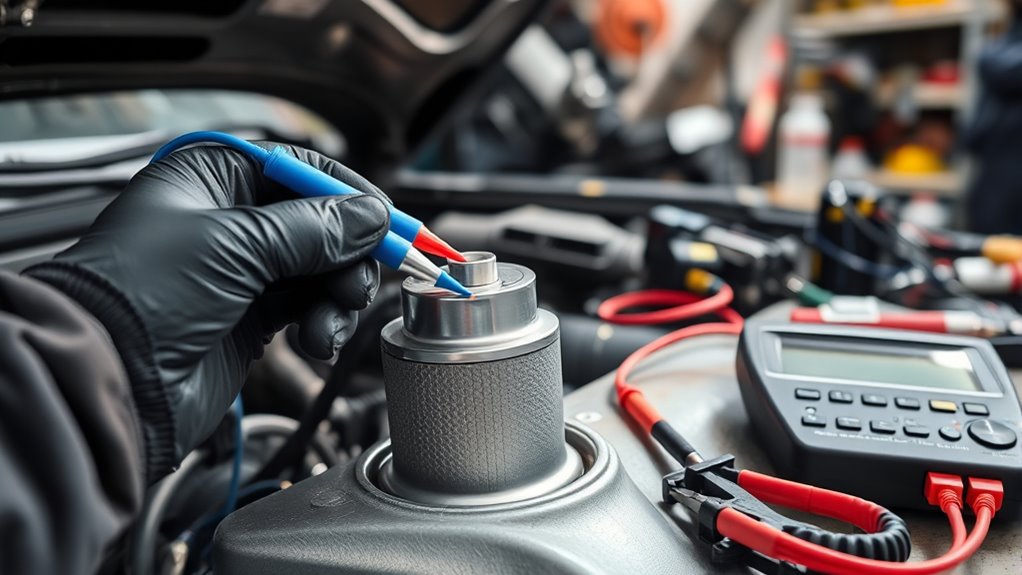
You can use automotive diagnostics tools to spot misfires, rough idling, or decreased acceleration—signs that something might be wrong with your spark plugs.
When inspecting, take a look at the material of your spark plugs—iridium, platinum, or copper—as this affects how long they last. Iridium plugs tend to last longer, but you might need to replace them after 60,000 to 80,000 miles.
Replace your spark plugs if you see corrosion, worn electrodes, or built-up carbon deposits. These signs indicate it’s time for a change.
Always check your vehicle’s manual for the recommended replacement intervals. Use proper tools to remove and install your plugs to avoid damage.
Regularly checking your spark plugs helps you catch issues early, leading to better engine performance. Timely replacement keeps your engine running smoothly and helps save fuel too.
How Proper Maintenance Extends Spark Plug Durability
Maintaining your spark plugs properly can significantly extend their lifespan and help keep your engine running smoothly. Regular inspections and cleaning prevent spark plug corrosion, which can hurt performance and cause misfires.
Making sure the electrodes stay free of carbon buildup allows for efficient sparking and combustion. Also, check the ignition timing and adjust it if needed, so the spark happens at the best moment, reducing stress on the plugs.
Ignoring these maintenance tasks can cause early wear, even on iridium spark plugs. Using the right spark plug gap and replacing worn boots or wires also supports proper ignition.
Overall, consistent maintenance reduces the risk of combustion problems and corrosion. This helps extend the life of your spark plugs and keeps your engine performing well.
Staying proactive not only saves you money on repairs but also ensures smoother, more reliable engine operation.
Frequently Asked Questions About Iridium Spark Plug Life and Replacement
Many drivers ask how long iridium spark plugs usually last since they’re known for their durability and high performance. The lifespan typically ranges from 60,000 to 120,000 miles, but it depends on factors like driving habits and engine condition.
You might wonder if you should replace them sooner for eco-friendly options or peak performance.
Here are some common questions:
- When should I replace iridium spark plugs? Check for misfires, rough idling, or warning lights.
- Are they compatible with advanced ignition systems? Yes, iridium plugs support advanced ignition for better efficiency.
- How do I know if my spark plugs need replacing? Visual inspection for wear, corrosion, or buildup helps determine the right time.
Knowing these answers helps you maximize plug life and keep your engine eco-friendly. Proper maintenance and understanding these FAQs let you benefit from iridium’s durability and advanced ignition tech.
Frequently Asked Questions
Can Iridium Spark Plugs Improve Overall Engine Performance?
Yes, iridium spark plugs can boost your engine’s overall performance. They provide a stronger and more consistent spark, which helps improve ignition efficiency.
This means better fuel combustion, leading to improved fuel economy and smoother acceleration. Plus, they tend to last longer, so you won’t need to replace them as often.
You’ll also notice easier starts, less misfiring, and an overall boost in your vehicle’s efficiency and drivability.
Are Iridium Spark Plugs Suitable for All Vehicle Types?
Iridium spark plugs are suitable for many vehicle types, especially modern engines, thanks to their durability and superior materials. They work well with various ignition systems and offer reliable ignition and improved efficiency.
However, older vehicles with specific engine designs might need different spark plugs. It’s always a good idea to check your vehicle’s manual or ask a mechanic to make sure iridium spark plugs match your engine requirements.
How Do Climate Conditions Affect Iridium Spark Plug Longevity?
Climate conditions, especially temperature changes, can affect how long your iridium spark plugs last.
Extreme cold or heat puts extra stress on the spark plugs, which can make them wear out quicker.
Luckily, iridium’s high resistance to corrosion helps them handle moisture and road salts in different climates.
But in really tough conditions, you might notice they’ll wear out sooner than expected.
Regular inspections and maintenance are key to keeping them working well, no matter the climate.
Is It Necessary to Use Specific Tools for Replacing Iridium Spark Plugs?
Changing iridium spark plugs is like replacing a delicate jewel—you need the proper tools. Using a spark plug socket helps prevent damage to the ceramic insulator.
A torque wrench is essential too, to make sure you tighten the plug to the manufacturer’s specifications.
Skipping these tools can lead to cross-threading or improper seating, which shortens the spark plug’s lifespan and can harm engine performance.
Having the right tools makes the job easier and safer overall.
How Often Should Professional Inspections Be Performed on Spark Plugs?
You should get professional inspections for your spark plugs every 30,000 to 50,000 miles. The exact interval depends on your vehicle and driving conditions.
During these checks, mechanics compare iridium or platinum spark plugs to standard ones, inspecting for wear and performance issues.
A good ignition system depends on well-maintained spark plugs. Regular inspections help keep your spark plugs, whether iridium or platinum, in top shape, preventing misfires and keeping your engine running efficiently.
Conclusion
Taking good care of your iridium spark plugs can help them serve you quietly in the background for miles on end. By paying attention to signs of wear and maintaining your engine’s health, you’re gently guiding your vehicle to a smoother, more reliable journey.
How long iridium spark plugs last largely depends on how well you care for them, your driving habits, and your engine’s condition. Regular inspections and maintenance can extend their lifespan and keep your engine running smoothly.
With just a bit of attention, you guarantee your engine’s whispers remain steady, and your adventures continue seamlessly without unexpected interruptions. Keeping your iridium spark plugs in top shape ensures they last as long as possible.
In the end, well-maintained iridium spark plugs can go tens of thousands of miles before needing replacement. Proper care and monitoring are key to making that happen and ensuring your vehicle performs at its best.