Do Oil Filter Brands Matter for Top 3 Choices
Are you tired of worrying if your car’s oil filter is up to the task? Many people struggle with choosing the right one, unsure if they’re risking engine damage with a cheap option.
Yes, oil filter brands matter a lot when choosing the top options for your vehicle. High-quality brands use advanced filtration media and durable materials to better protect your engine from dirt and debris, potentially extending its lifespan.
Cheaper or lesser-known brands may not meet industry standards, risking filter failure and engine damage.
If you want to make an informed decision and guarantee your engine’s long-term health, there’s more to learn about what sets these brands apart.
Key Takeaways
- High-quality brands use advanced filtration media that helps trap more dirt and debris, protecting your engine’s health better.
- Reputable brands meet industry standards like ISO, SAE, and API, so you can rely on their performance and quality.
- Choosing the right brand ensures compatibility, which minimizes the risk of installation issues or engine damage.
- Trusted brands with positive reviews show they’re durable and provide long-term engine protection you can count on.
- Cheaper or lower-quality filters might fail early, risking engine damage and leading to higher maintenance costs over time.
Why Your Choice of Oil Filter Brand Matters for Engine Life
Choosing the right oil filter brand can significantly impact your engine’s lifespan because not all filters are made to the same quality standards. When you switch to synthetic oil, which offers better protection and performance, picking the right filter becomes even more important.
Selecting a quality oil filter is essential, especially with synthetic oil for optimal engine protection and longevity.
A good filter traps dirt and particles that can harm your engine during an oil change, preventing wear. Cheaper filters might not filter out tiny contaminants effectively, increasing the risk of engine damage over time.
Investing in a reputable brand helps keep your oil cleaner for longer, whether it’s synthetic or conventional. A quality filter also ensures proper oil flow, which is essential for peak engine performance.
If your engine runs on synthetic oil, it’s especially important to choose a filter designed to handle its longer-lasting, high-performance qualities. This way, you make the most of your oil change and help extend your engine’s life for miles to come.
Top Oil Filter Brands: What Sets Them Apart?
When it comes to choosing an oil filter, not all brands are created equal. Top brands stand out because they focus on making filters that last longer, helping keep your engine protected between oil changes.
Their filters often feature advanced media that traps more dirt and debris, which reduces wear on engine parts. These brands also invest a lot in innovation, constantly refining their designs for better performance and durability.
You’ll notice that top brands use high-quality materials for their casings and seals. This helps prevent leaks and extends the life of the filter itself. They develop features like easy-to-install designs and improved bypass systems for added convenience.
All these qualities come together to create filters that last longer and perform more reliably, often meeting or exceeding industry standards. Ultimately, what makes these brands stand out isn’t just their reputation but their ongoing efforts to improve longevity and stay ahead through technological innovations.
How Do Major Oil Filter Brands Compare in Quality and Performance?
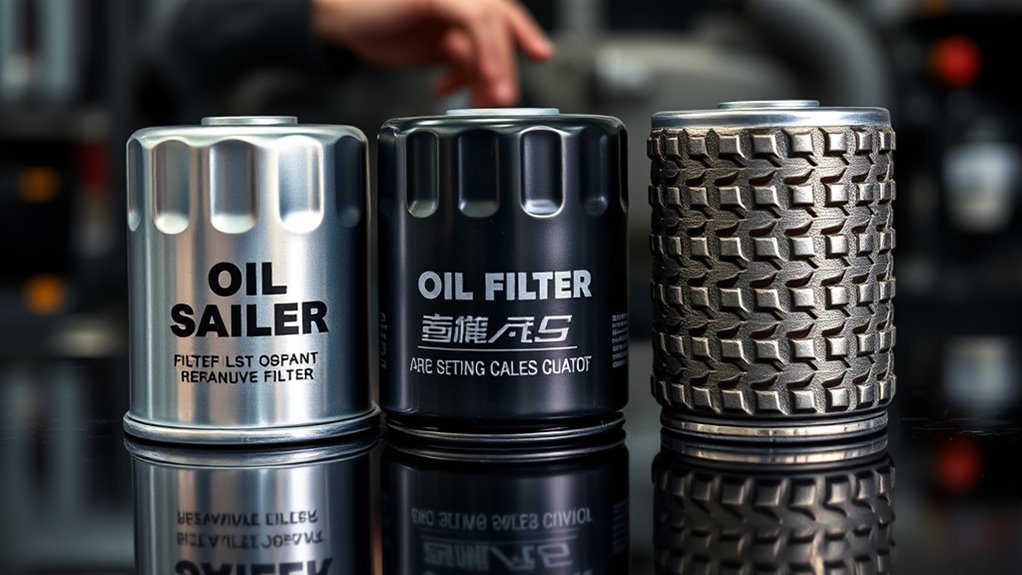
Major oil filter brands vary quite a bit in quality and performance, so it’s important to compare their features and test results to choose the best for your engine. The quality of an oil filter mainly depends on the filter material—better media can trap more dirt and last longer.
Reputable brands usually use advanced filtration materials and put their products through strict testing to ensure durability and effectiveness. Well-known brands tend to be more reliable because they invest heavily in research and quality control.
Some brands focus on developing filter media that can trap the most dirt, while others emphasize durability and compatibility with synthetic oils. When comparing brands, look for those with proven testing results that meet or beat industry standards like ISO and SAE.
In the end, choosing a recognizable brand with high-quality materials means better reliability. This helps protect your engine and keeps it running well over time.
Are Premium Oil Filters Really Better for Your Engine?
Premium oil filters are often marketed as the best option for your engine, but their actual benefits depend on your vehicle’s specific needs. While they usually offer better filtration and durability, this doesn’t mean they’re always necessary.
Premium oil filters offer better filtration and durability but aren’t always necessary for every vehicle.
You might notice increased oil filter sales when premium brands promote their superior features, but that doesn’t guarantee a significant performance boost for every engine. If your vehicle operates under heavy loads or in extreme conditions, a premium filter could help protect your engine longer.
However, if you stick to regular driving and follow manufacturer recommendations, a standard filter may be enough. Brand loyalty can influence your choice, but it doesn’t always mean better quality.
Ultimately, understanding your engine’s requirements and balancing cost with performance is key. Premium filters often give added peace of mind, but they’re not a must for everyone. The right choice depends on how you use your vehicle and what you expect from your maintenance.
What Should You Look For When Choosing an Oil Filter Brand?
When you’re picking an oil filter brand, one of the first things to look at is the filtration efficiency. You want to make sure it does a good job of trapping debris and dirt so your engine stays clean and protected. It’s pretty important because a subpar filter might let harmful particles slip through and cause damage.
Another thing to keep in mind is how durable the materials are. You want a filter that’s built to last and won’t fall apart after a few uses. The better the quality of the materials, the longer your filter will work effectively without needing frequent replacements.
And of course, you’ve got to check if the filter is compatible with your vehicle. An ill-fitting filter can lead to leaks or poor performance, which nobody wants. Making sure it fits properly will save you headaches down the road.
Filtration Efficiency Standards
Understanding filtration efficiency standards is essential because they directly impact how well an oil filter protects your engine. Look for filters that meet or exceed industry standards, like API SN or CK-4 ratings, which ensure reliable particle removal.
Oil filter innovation has led to tighter filtration media and better contaminant capture, reducing engine wear. High filtration effectiveness also minimizes environmental impact by extending oil life and decreasing waste.
When evaluating brands, check if they adhere to strict filtration standards; this shows their commitment to quality and engine protection. A reliable oil filter effectively traps dirt and debris, keeping your engine running smoothly.
Prioritizing filtration efficiency standards ensures you choose a filter that offers the best balance of performance, durability, and environmental responsibility.
Material Durability Quality
Choosing an oil filter with durable materials is essential because it guarantees consistent performance and longer lifespan. Pay close attention to the filtration materials used—high-quality materials like synthetic blends or metal components provide better resilience against wear and tear.
These materials should meet or exceed durability standards, ensuring they withstand high temperatures and abrasive contaminants. A filter with strong construction resists leaks and maintains structural integrity over time.
Look for brands that prioritize premium filtration materials designed for longevity. This reduces the need for frequent replacements and offers better protection for your engine.
Ultimately, a well-constructed filter made from durable materials helps maintain engine efficiency and prevents costly damage. It’s a smart choice for any vehicle owner.
Compatibility With Vehicle
Selecting an oil filter that fits your vehicle’s specific make and model guarantees ideal performance and protection. When choosing a brand, check compatibility carefully. Using the wrong filter can lead to incorrect sealing, leaks, or poor filtration.
During an oil change, always verify that the filter matches your vehicle’s specifications. This ensures it fits properly and functions as intended. A compatible filter makes filter replacement easier and helps keep your engine healthy.
It’s important to refer to your owner’s manual or talk to a mechanic if you’re unsure about compatibility. Incompatible filters can cause oil leaks or bypass issues, risking engine damage.
Always prioritize compatibility to extend the life of your oil change and protect your engine’s performance over time.
Which Oil Filter Brands Are Best for Your Vehicle Make and Model?
Knowing which oil filter works best for your vehicle makes a big difference in keeping your engine running smoothly and lasting longer. Choosing the right brand helps ensure your engine stays clean during regular maintenance.
When picking a filter, it’s smart to go with brands known for quality and compatibility with your specific make and model. Brands like Bosch, Fram, and K&N are trusted because they’re durable and offer strong filtration.
It’s crucial to match the filter to your vehicle’s needs to get the most out of each replacement and reduce the risk of engine damage. Using the correct brand helps keep your engine properly lubricated and extends its lifespan.
Always check your owner’s manual or ask a trusted mechanic for recommendations tailored to your car. Going with proven brands makes maintenance easier, so you can replace filters with confidence and avoid unnecessary repairs later on.
How Certification and Standards Ensure Oil Filter Reliability
Using reputable brands like Bosch, Fram, or K&N is a solid starting point, but verifying their certifications adds an extra layer of confidence in quality and reliability.
Certification standards such as SAE, ISO, or API specs are crucial because they ensure the filter meets industry benchmarks for performance. These standards test key factors like filtration efficiency, pressure tolerance, and lifespan.
Certification standards like SAE, ISO, and API guarantee filters meet key performance benchmarks for efficiency and durability.
When a brand complies with recognized certification standards, you can trust that the filter has been thoroughly tested and validated for consistent performance. This also helps reduce the risk of engine damage caused by poor filtration or early filter failure.
Certified filters generally undergo strict quality control, making them more dependable over time. Paying attention to certification marks helps you choose an oil filter that keeps your engine healthy and meets safety standards.
Focusing on certification and standards directly boosts the overall reliability of your oil filter, giving you peace of mind on the road.
Is It Worth Paying More for a Higher-Quality Oil Filter?
Paying a bit more for a higher-quality oil filter can actually make a difference. It usually filters out more contaminants and keeps your engine cleaner over time, which is pretty important for its health.
Sure, the upfront cost is higher, but it could end up saving you money in the long run. A better filter can help your engine last longer and run smoother, so you might not need repairs or replacements as often.
Better Filtration Efficiency
Is investing in a higher-quality oil filter worth it when it promises better filtration efficiency? Absolutely. Advanced filtration technology in premium filters captures smaller particles and contaminants that lower-quality options often miss. This means your engine stays cleaner, and your oil remains effective longer.
Brand recognition also plays a role because trusted brands typically use better filtration technology, ensuring higher standards and durability. Cheaper filters with less sophisticated media might seem appealing at first, but they often compromise filtration efficiency.
Over time, you could face increased wear and maintenance costs. Paying more for a high-quality filter with better filtration efficiency is a smart choice, giving you peace of mind and better protection for your engine’s essential components.
Increased Engine Longevity
Greater engine longevity often hinges on the quality of your oil filter, and investing in a higher-end option can be worth it. A better filter guarantees excellent oil circulation, which helps keep the engine temperature in check and reduces wear over time.
When your engine runs smoothly with cleaner oil, it’s less prone to overheating and breakdowns. Think of a high-quality filter as a shield that protects your engine’s essential parts, helping it last longer.
| Benefits of Higher-Quality Filters | Emotional Impact |
|---|---|
| Improved oil circulation | Peace of mind |
| Better temperature regulation | Confidence in your car’s longevity |
| Reduced engine wear | Satisfaction knowing you’re proactive |
| Longer-lasting engine | Pride in maintaining your ride |
Cost Versus Longevity
Considering the long-term benefits, investing in a higher-quality oil filter often proves to be cost-effective despite the higher upfront expense. Better materials, like synthetic fibers and durable metals, tend to last longer and offer improved filtration, which helps reduce engine wear and maintenance costs over time.
While premium filters may cost more initially, their extended lifespan means you’ll need fewer replacements and less frequent changes. Brand loyalty can matter here, as trusted brands often produce filters with better materials and consistent performance.
Ultimately, paying more for a top-tier oil filter helps protect your engine and can save you money in the long run. It’s a smart trade-off when you compare higher quality against the lifespan of the filter.
Common Myths About Oil Filter Brands Debunked
Many people assume that all oil filters are fundamentally the same, but that’s a misconception.
Common oil filter myths often lead to brand skepticism, making you think choosing between brands doesn’t matter. In reality, differences in build quality, filtering material, and design can impact your engine’s health.
Some believe that a cheaper filter will perform just as well as a higher-end brand, but that’s not true. Quality filters trap contaminants better and tend to last longer.
Others think all oil filters are interchangeable, but variations in threading and size matter for a proper fit and protection.
Don’t fall for the myth that brand doesn’t affect results. Reputable brands often follow stricter standards, offering more reliable performance.
Understanding these truths helps you avoid unnecessary doubts about oil filter brands. Making an informed choice ensures your engine stays clean, protected, and runs smoothly.
How to Pick the Right Oil Filter Brand for Your Car
When you’re choosing an oil filter brand, it’s really all about quality and durability. You want something that can keep your engine protected, right? So, it’s good to go with brands that are known for their reputation—they usually deliver better performance and tend to last longer.
Just keep in mind, it’s always smarter to look at these factors to make sure you’re picking a filter that fits your car’s needs and will stand the test of time.
Quality and Durability
Choosing a high-quality oil filter is essential for protecting your engine and guarantees it runs smoothly over time. To gauge quality and durability, consider the oil filter material and manufacturing process.
A well-made filter uses durable wicks and filter media that resist clogging and damage. The manufacturing process also impacts longevity. Precision assembly ensures tight seals and reliable performance.
Look at the table below for key features:
| Feature | Benefit |
|---|---|
| Premium oil filter material | Longer-lasting, better filtration |
| Advanced manufacturing process | Ensures consistent quality and fit |
| Durable construction | Better resistance to wear and extreme conditions |
Choosing filters with high-quality material and a robust manufacturing process guarantees your engine stays protected longer.
Brand Reputation and Trust
A reputable oil filter brand often signals consistent quality and trustworthy performance, making it easier to choose the right product for your vehicle.
Brand reputation influences your decision because trusted brands tend to maintain high standards, leading to better engine protection. When you read customer reviews, you get real insights into a brand’s reliability and how well it performs over time.
Brand loyalty can also show which companies consistently satisfy their customers, reflecting confidence and satisfaction with their products. Choosing a trusted brand reduces the risk of filter failure and engine damage.
Frequently Asked Questions
How Often Should I Replace My Oil Filter Regardless of the Brand?
You should replace your oil filter every time you change your oil, which is usually every 3,000 to 5,000 miles. This depends on your vehicle and how you drive.
The oil filter’s lifespan is closely linked to your oil change schedule. Make sure to follow your car’s guidelines for the best engine protection.
Regularly replacing your oil filter keeps contaminants out of the engine. It helps your engine run smoothly, no matter what brand you choose.
Can Incompatible Oil Filters Damage My Engine?
Could using incompatible oil filters damage your engine? Yes, it’s possible if the filter doesn’t match your vehicle’s specs. An incorrect filter might cause oil leaks, poor filtration, or even engine damage.
Always check oil filter warranties and stick with trusted brands to ensure proper fit and quality. Picking the wrong filter can jeopardize your engine’s health, so it’s best to choose wisely.
This way, you keep your engine running smoothly and avoid costly repairs down the line.
Do Eco-Friendly Oil Filter Brands Perform as Well as Traditional Ones?
Eco-friendly oil filter brands can perform just as well as traditional ones if they meet the same performance standards.
By choosing eco-conscious options that pass rigorous quality and safety tests, you help keep your engine protected. It’s important to check brands’ certifications and read reviews.
Making environmentally mindful choices doesn’t mean sacrificing quality. Focus on filters that match both your eco-awareness and your engine’s performance needs.
Are Aftermarket Oil Filters Safe Compared to OEM Brands?
Aftermarket oil filters can be safe if you pick reputable brands with a solid reputation. They often cost less than OEM options, which makes them an attractive choice for many drivers.
However, it’s still important to check their quality standards and read reviews. The key is balancing cost with reliability; if the aftermarket filter is made by a trusted manufacturer, it can perform just as well as OEM filters, keeping your engine protected.
How Does Climate Affect the Suitability of Specific Oil Filter Brands?
A stitch in time saves nine, and that’s especially true when choosing oil filters for different climates. Climate impacts how well filters perform through the seasons; extreme temperatures can make some brands work better or worse.
In cold weather, look for filters that offer strong cold-start protection. When it’s hot outside, heat-resistant filters are key to preventing breakdowns. Picking the right brand based on seasonal needs helps keep your engine protected all year long.
Conclusion
So, next time you’re about to skimp on that fancy oil filter, remember: your engine’s survival isn’t a cheap thrill. Sure, a budget brand might seem tempting, but it’s like playing Jenga with a sledgehammer—risky for your car’s health.
Consider it a gamble. Going for a top-rated oil filter brand could save you from costly repairs down the road. Investing in quality pays off, especially when it comes to the best oil filter choices.
Your engine’s life isn’t the place to cut corners. Choosing the right oil filter brands matters, and it can make all the difference in keeping your ride smooth and reliable.