Top 10 Ways to Stop a Tonneau Cover From Leaking
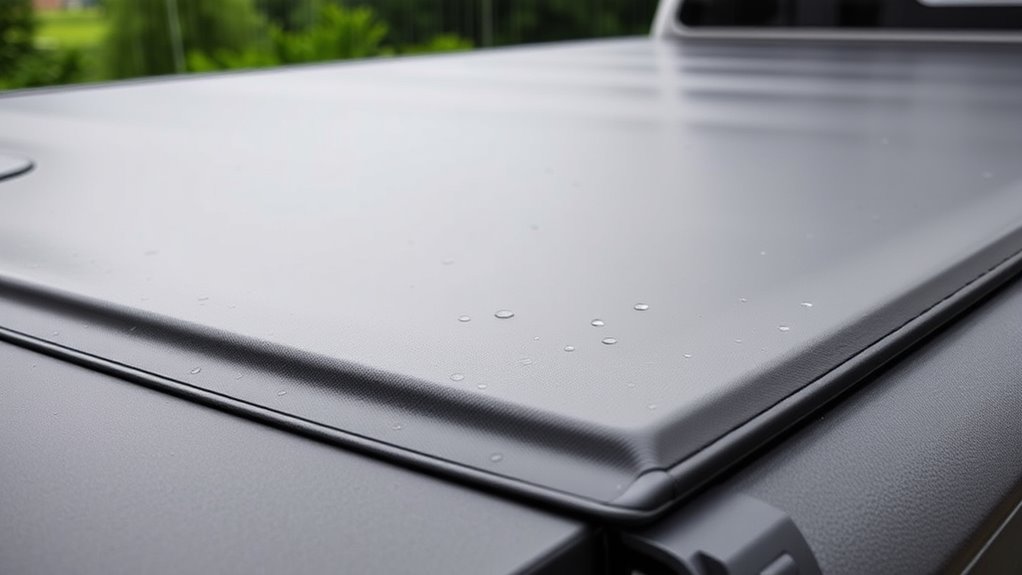
Dealing with a leaking tonneau cover is frustrating, and you’re not alone. Many truck owners struggle with water seeping in, especially during heavy rains or after washing the vehicle.
Luckily, there are simple ways to keep your bed dry and protect your cargo.
To stop your tonneau cover from leaking, start by inspecting and tightening seals and gaskets, replacing any damaged ones. Adjust the cover so it sits flush with the truck bed and make certain all hardware is secure.
Apply weather-resistant sealants along seams and use drip rails or flaps to divert water away.
Adding weatherstripping or foam can improve sealing, and regular maintenance and cleaning help prevent future leaks.
Keep searching to find more proven solutions!
Key Takeaways
- Regularly check and replace any damaged or worn seals, gaskets, and weatherstripping to keep a tight, waterproof seal. Making sure these parts are in good condition is key to preventing leaks.
- Properly align and tighten all cover hardware and fasteners. This helps avoid gaps and misalignment that can lead to leaks.
- Use high-quality, weather-resistant sealants and spread them evenly along seams and vulnerable areas for long-lasting waterproofing.
- Install water diversion features like drip rails and flaps. These help direct rainwater away from the cover edges, keeping things dry.
- After making repairs, do rain tests with a hose or spray bottle. This way, you can confirm leaks are sealed and water is being diverted properly.
How Does Water Leak Into a Tonneau Cover?
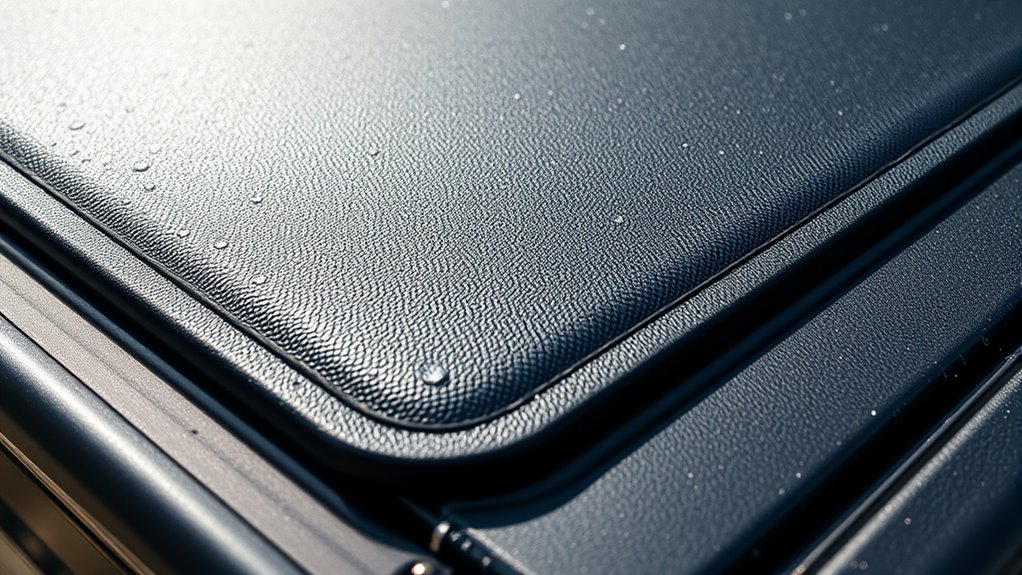
Water can find its way into a tonneau cover through a variety of pathways, especially if the cover or its seals are damaged or improperly installed. Rain-related issues are common culprits, as heavy showers can force water through openings or weak spots.
If the seals around your cover are cracked, torn, or misaligned, water easily seeps in, pooling on your truck bed. Over time, this moisture can lead to vehicle corrosion, damaging the metal underneath and causing rust.
Poor installation also increases leakage potential, creating gaps that water can exploit. Furthermore, clogged drainage channels prevent water from escaping, increasing the chance of leaks.
Even small cracks or tears in the cover material become entry points during storms. Understanding these pathways highlights the importance of maintaining your tonneau cover, checking seals regularly, and ensuring proper installation to prevent rain-related issues and protect your vehicle from corrosion.
Identify Common Causes of Cover Leaks
Leaks usually happen because the sealant lines get damaged or wear out over time. When that happens, gaps can form, and water can start seeping in. It’s also pretty common for covers to leak if they’re not installed properly—if they’re not aligned just right, water can find its way inside.
Knowing these common issues can really help you get to the root of the problem quickly and fix it more easily. Sometimes, just resealing or adjusting the cover does the trick!
Damaged Sealant Lines
Poor sealant durability can lead to cracks, gaps, and peeling, allowing water to seep through. These issues usually happen when the sealant isn’t applied evenly or if too little is used.
Exposure to weather, temperature swings, and UV rays can also weaken the sealant over time, making leaks more likely. To prevent this, it’s a good idea to check the sealant lines regularly for damage.
If you see cracks or peeling, reapplying a high-quality sealant with proper technique can help restore the seal. Keeping the sealant in good shape is key to maintaining a watertight tonneau cover and protecting your cargo.
Improper Cover Installation
Improper installation of a tonneau cover is a common cause of leaks. This usually happens when parts are misaligned or not fitted tightly enough. If your cover isn’t installed properly, water can sneak through gaps and ruin both how it looks and works.
To fix this, make sure the cover sits snugly on the bed rails. Here are some common issues to watch out for:
- Not lining up the cover correctly during installation
- Using the wrong mounting hardware
- Forgetting to tighten all bolts and clamps securely
- Overlooking the importance of sealing edges properly
Proper installation keeps the cover strong and looking good. Double-check the fit and alignment, and make adjustments if needed. Doing so helps prevent leaks and keeps your truck looking sharp.
Check and Tighten Your Cover’s Seals and Gaskets
Inspecting and tightening your cover’s seals and gaskets is key to stopping leaks. Over time, seal materials can break down, and gaskets may weaken, leading to leaks.
Start by checking the seals around the edges of your tonneau cover for cracks, tears, or signs of wear. If you find any damaged areas, replace the seal or gasket.
Use a clean cloth to wipe away dirt and debris that could prevent a good seal. Then, make sure all gasket contacts are snug; loose gaskets can create gaps where water can slip through.
Tighten any loose bolts or clamps holding the seals in place, but don’t overtighten, as that could damage the gasket or seal material.
Regularly inspecting and maintaining your seals and gaskets ensures a tight fit. This helps prevent leaks, extends their lifespan, and keeps your truck bed dry.
Adjust the Cover Alignment to Close Gaps
After making sure your seals and gaskets are in good shape, the next step is to check your tonneau cover’s alignment. Proper alignment is *essential* to prevent leaks caused by gaps. Here’s how to adjust the gaps effectively:
- Loosen the cover’s mounting rails a little to allow movement.
- Move the cover so it sits flush with the sides of your truck bed.
- Gradually tighten the mounting hardware, keeping the cover aligned.
- Check for even gaps along the entire length; they should be minimal and consistent.
Correct cover alignment creates an even seal along the edges, stopping water from seeping in. Focus on making precise adjustments since small misalignments can lead to leaks. Regularly inspect and fine-tune the alignment to keep the seal effective.
This simple step can *remarkably* reduce leaks and boost your tonneau cover’s waterproofing.
Seal Leaks With Weather-Resistant Sealants
Seal those leaks with a weather-resistant sealant — it’s a game changer! Just make sure you apply it carefully and evenly across all the spots that are prone to leaks. When you do it right, you’ll get a snug, long-lasting seal that keeps out water and protect your home.
Choose Proper Sealant Type
Selecting the right sealant is crucial to effectively stopping leaks in your tonneau cover. You need a waterproof coating that adheres well and withstands outdoor conditions.
First, choose a reputable sealant brand known for quality, like 3M or Permatex. Second, pick a sealant specifically designed for automotive or truck applications to ensure durability against weather.
Third, make sure the sealant is compatible with your tonneau cover material, whether vinyl or fabric. Fourth, consider a sealant with flexible properties to handle movement without cracking.
This way, you prevent water infiltration effectively. Using a weather-resistant sealant suited to your cover material guarantees a secure, long-lasting seal and keeps your truck dry even in harsh weather.
Apply Thoroughly and Evenly
To effectively seal leaks, you need to apply the weather-resistant sealant thoroughly and evenly across all problem areas. This ensures the material is durable and creates a better user experience.
Carefully inspect the seams and edges, then use a steady hand. Spread the sealant with smooth, consistent strokes, avoiding gaps or thin spots that could weaken the seal.
Imagine the process like this:
| Clean Surface | Apply Sealant |
|---|---|
| Rough edges | Smooth, even layer covering all areas |
| Dirt or debris | Focus on vulnerable points |
| Preparing work area | Guarantee complete coverage and adhesion |
This method guarantees a tight seal, helps prevent leaks, and extends your tonneau cover’s lifespan. Proper application makes all the difference in keeping your truck bed dry and secure.
Install or Upgrade Cover Clamps and Fasteners
Making sure your tonneau cover stays secure starts with installing or upgrading the clamps and fasteners. Good clamps hold the cover tightly, preventing gaps where water could sneak through.
Upgrading to fasteners with strong lock mechanisms helps achieve a snug fit, especially if your current hardware is worn out. Proper clamps help distribute pressure evenly across the cover material.
Check your existing clamps for rust or damage and replace them with heavy-duty options. Choose fasteners that lock securely to prevent them from coming loose accidentally.
Make sure your clamps are tightly fastened so pressure spreads evenly along the cover. Also, pick clamps that match your tonneau’s rail profile for a better seal.
Using high-quality clamps and fasteners keeps your cover secure and reduces leaks by maintaining consistent pressure along the edges.
Add Drip Rails or Flaps to Redirect Water Away
Adding drip rails or flaps is a smart way to redirect water away from your tonneau cover’s edges, helping prevent leaks before they happen. These parts work as water diverts, guiding rainwater away from areas that are more vulnerable.
Drip rails are installed along the cover’s edges, creating a barrier that channels water downward and away from seams and seals. Flaps hang over the edges and direct water when it hits them.
Both options keep your truck bed dry and protect your cargo. Just make sure they are securely attached and properly aligned for the best water diversion.
Adding these simple features reduces the chance of water seeping in through gaps and seams. They help keep your tonneau cover watertight, even during heavy rain.
Taking this proactive step is a quick way to improve your truck bed’s seal and keep everything dry.
Use Foam or Weatherstripping for Better Coverage
Using foam or weatherstripping is a great way to get a better seal on your tonneau cover. It helps close up those little gaps where water might sneak in, making the seal much tighter.
Just adding this simple step can really improve how well it keeps water out and keeps your truck bed dry. With improved coverage, you’ll be protecting your cargo more effectively and avoiding any unwanted leaks.
Enhance Sealing Efficiency
Are gaps in your tonneau cover’s seal letting water sneak inside? You can improve sealing efficiency by using foam or weatherstripping to create a tighter barrier. Choose weatherstripping made from waterproof technology or other durable materials to resist moisture.
Proper application ensures a more effective seal, keeping water out even during heavy rain. Here are some steps to strengthen your cover’s sealing:
- Clean the surface thoroughly before attaching weatherstripping.
- Select high-quality foam with waterproof technology for better coverage.
- Apply weatherstripping snugly along the edges, making sure there are no gaps.
- Check regularly for wear and replace weatherstripping or foam as needed.
This simple upgrade helps prevent leaks, prolongs your cover’s life, and keeps your truck bed dry.
Prevent Water Intrusion
Ensuring your tonneau cover stays leak-free means paying close attention to how well the seal blocks water from slipping in. Using foam or weatherstripping creates a better barrier, effectively blocking rain and moisture.
Think of it like waterproof clothing or rain gear—designed to keep you dry in harsh conditions. Applying these materials around the edges helps seal gaps and prevent water intrusion during heavy downpours.
Here’s a quick comparison:
| Material | Benefits |
|---|---|
| Foam | Flexible, absorbs minor gaps, easy to install |
| Weatherstripping | Creates a tight seal, durable, resists weather wear |
Both options are affordable and improve coverage. They give you peace of mind that your cargo stays dry.
Test Your Repairs to Confirm the Leak Is Fixed
Once you’ve finished your repairs, it’s important to double-check that the leak is truly fixed before hitting the road. To do this effectively, take your time testing your work.
After repairs, carefully verify the leak is fixed before driving. Take your time testing thoroughly.
Start by inspecting the seal. Check the fabric around the repaired area to ensure there are no cracks or weak spots. Make sure the locking mechanisms engage securely, creating a tight seal.
Next, simulate rain using a garden hose or spray bottle, focusing on the repaired sections. Watch closely to see if any water seeps through or penetrates the fabric.
Then, look underneath the tonneau cover for signs of leaks or moisture buildup. This will help confirm if your repairs are holding up.
Finally, gently press around the repaired areas. See if the fabric or locks shift — movement might indicate the fix isn’t solid yet.
Keep Your Tonneau Cover Clean and Perform Regular Maintenance
After confirming your repairs are holding up, keeping your tonneau cover clean and well-maintained becomes key to preventing future leaks. Regularly wash it with mild soap and water to remove dirt, debris, and buildup that can affect seals.
Check your garage organization; a cluttered space can make it harder to inspect and maintain your cover properly. Use accessories like weather stripping or seal sprays to reinforce waterproofing.
Keep an eye on hinges, locks, and rails, and lubricate them if needed to prevent damage or leaks. Removing debris from around the edges also helps ensure a tight seal, especially after storms or heavy rain.
Routine maintenance means inspecting for tears or cracks and fixing them promptly. Staying proactive with cleaning and upkeep prolongs your tonneau cover’s life, protects your truck bed, and keeps leaks at bay.
Frequently Asked Questions
Can Using a Tarp Improve Your Tonneau Cover’s Waterproofing?
Using a tarp can help improve your tonneau cover’s waterproofing temporarily, but it’s not a permanent fix.
Rainproof materials and water-resistant coatings on the tarp can prevent leaks and keep your bed dry. When secured properly over your cover, a tarp adds an extra barrier against rain.
For long-term protection, focus on proper sealants and choosing a cover with built-in waterproof features.
Are There Specific Tonneau Covers More Resistant to Leaks?
Yes, some tonneau covers are more resistant to leaks, especially those made from durable materials like aluminum or heavy-duty vinyl. These materials tend to provide better waterproofing.
You can also improve their waterproofing by applying high-quality sealant types designed for outdoor use. This extra step can help keep leaks at bay.
While some worry about maintenance, choosing a cover built with superior material durability and sealing features minimizes leaks. That makes it easier to keep your truck bed dry and protected in all weather conditions.
How Do Temperature Changes Affect Tonneau Cover Leaks?
Temperature changes can cause the materials in your tonneau cover to expand or contract, which affects how well the seals work. When it gets hot, the materials expand and might create gaps or weaken the seals, leading to leaks.
Cold temperatures cause the materials to contract, which can loosen fasteners or seals over time. To prevent leaks, make sure your cover’s seals are flexible and your fastenings are tight, especially during extreme weather.
It’s a good idea to regularly check and adjust your cover to handle seasonal temperature swings. This way, you can keep it leak-free no matter what the weather throws at you.
Is Professional Installation Necessary to Prevent Tonneau Cover Leaks?
Skipping professional installation isn’t a good idea if you want a leak-proof tonneau cover. DIY repairs can cause big water leaks if you don’t understand material compatibility.
A professional guarantees precise fitting and seals that can handle temperature swings and rough weather. They use the right tools and techniques, so your cover stays dry.
Don’t risk a flood—trust experts to keep your truck bed completely watertight.
What Are the Signs of Permanent Damage Causing Leaks?
You’ll recognize permanent damage causing leaks through visible cracks, tears, or rust on your tonneau cover. Conduct a thorough damage inspection, checking for compromised sealant application or warped panels.
If the sealant appears cracked or peeling, or if you see structural damage, it’s likely permanent. Address these issues promptly because ignoring them can lead to persistent leaks.
Reapplying sealant or replacing damaged parts might be necessary to stop leaks effectively.
Conclusion
Now that you’ve armed yourself with these tips, your tonneau cover will stand tall like a fortress against water’s sneaky attacks. Regular upkeep and quick repairs act as your leak-proof shield, keeping your truck bed dry and protected.
Think of each fix as a brushstroke in your masterpiece of protection—making sure your gear stays safe, dry, and ready for whatever nature throws your way. Stay vigilant, and your tonneau cover will never let water win.