How to Tell if Your Fuel Stabilizer Has Gone Bad
Many people struggle with ensuring their fuel stays fresh, especially during those long storage periods. You’re not alone—knowing whether your fuel stabilizer has gone bad can be tricky, but it’s crucial to keep your engine running smoothly.
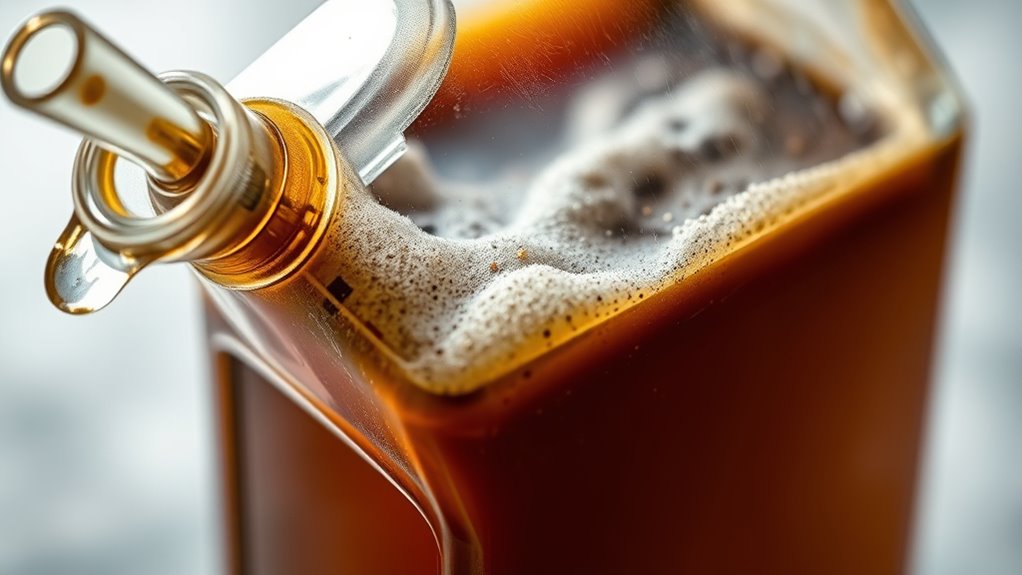
To tell if your fuel stabilizer has gone bad, check for discoloration, cloudiness, or sediment in the stabilizer or fuel. Smell it—off, stale, or unusual odors indicate degradation.
Inspect the container for hardened residues or contamination, and look for signs of evaporation or damage. If the stabilizer appears murky or shows sediment, it’s likely ineffective.
Continuing with proper inspection tips can help you maintain fuel stability and avoid engine issues.
Key Takeaways
- Look for discoloration, cloudiness, or sediment in the stabilizer or fuel container. These can be signs that the stabilizer has gone bad.
- Check for a foul or stale smell coming from the stabilizer or fuel. If it smells off, it’s probably no longer good to use.
- Observe if there are any hardened residues, varnish, or sludge in the stabilizer or storage container. These indicate deterioration over time.
- Test how your engine performs when using stabilized fuel. Poor performance or separation can suggest the stabilizer isn’t effective anymore.
- Make sure the stabilizer has been stored in a sealed, cool, and dry place. Also, check the expiration date on the container to ensure it’s still good.
How Fuel Stabilizers Work in Your Gasoline
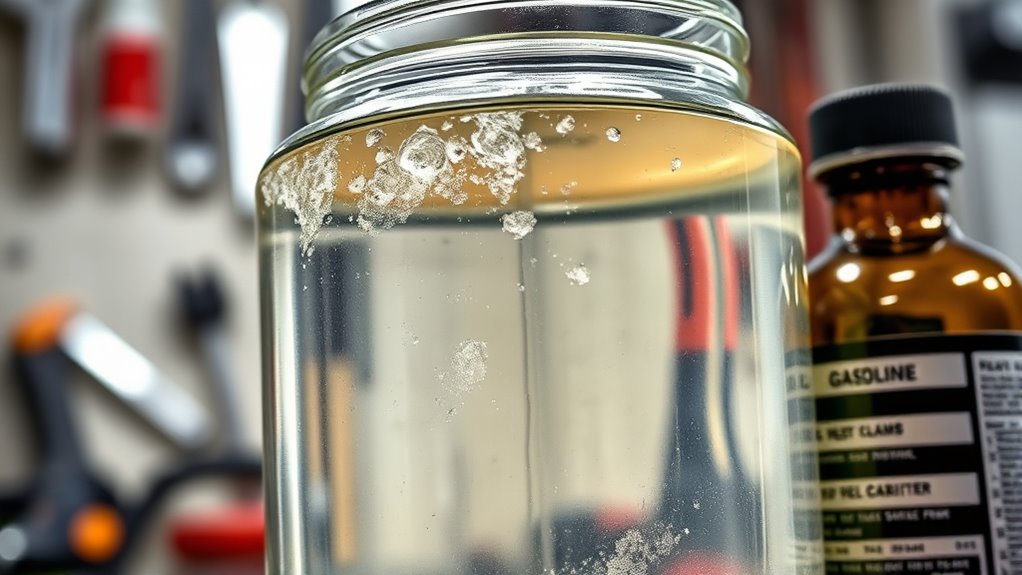
Fuel stabilizers work by preventing the chemical breakdown of gasoline during periods of storage. When you add a fuel stabilizer, you’re helping keep the gasoline fresh by influencing its chemistry.
The stabilizer forms a protective layer that inhibits oxidation and prevents deposits that can clog your engine. It also slows down evaporation of volatile compounds, helping the fuel stay combustible over time.
These stabilizers contain additives that interact with gasoline’s molecules, preserving the fuel’s properties. Good additive interactions ensure the fuel stays stable and ready to use, even after months of storage.
Without a stabilizer, gasoline can degrade into varnish or gum, which can cause engine problems. Understanding how fuel stabilizers work helps you keep your stored fuel quality intact.
Proper use of stabilizers ensures your engine runs smoothly when you need it, even after long periods without use.
Signs Your Fuel Stabilizer Might Be Fading
Over time, even the best fuel stabilizer can lose its effectiveness, so it’s important to watch for warning signs before storage problems happen. One key sign is if the fuel ingredient no longer resists separation or oxidation, which indicates the stabilizer may be fading.
If the fuel in your storage container looks cloudy or gunky, that’s a clear sign the stabilizer isn’t doing its job. Also, if the fuel smells off or has a weak, stale odor, it means it’s starting to degrade.
Check for sediment or varnish formation, which often happens when stabilization is ineffective. Sometimes, the fuel may not burn smoothly or quickly when you use it, revealing that the stabilizer’s protective properties are weakening.
Regularly inspecting your storage containers and their contents helps you catch these signs early. This way, you’ll avoid issues when you’re ready to use the fuel again.
How Long Does a Fuel Stabilizer Usually Last?
Depending on the formulation and storage conditions, a fuel stabilizer usually lasts about 12 to 24 months. Proper storage is really important — exposure to heat, sunlight, and air can shorten its lifespan.
Storing it in sealed containers helps keep the additives effective longer. Keep the container tightly closed and in a cool, dry place to get the most out of it.
You can generally rely on these timeframes, but always check the product labels for expiration dates. If stored correctly, a fuel stabilizer can stay good for up to two years.
After that, it may degrade and won’t work as well to preserve your fuel. Regularly inspecting and rotating your supplies can help ensure your fuel additives perform when you need them most.
Proper storage and keeping track of shelf life help your engine run smoothly without surprises.
How to Test If Your Fuel Stabilizer Is Still Good
Want to check if your fuel stabilizer is still good? First, take a quick look at it—see if there’s any discoloration or sediment that shouldn’t be there. If it looks cloudy or has particles floating around, that might be a sign it’s not working as well as it used to.
After that, you can try a simple test. Mix a small amount of your stabilizer with some fuel and see how it behaves. Does it mix smoothly? Does the fuel look clear? If you have test kits handy, those can give you a more accurate idea of its quality. Essentially, these steps will help you decide whether you should replace your stabilizer or if it still does the job.
Visual Inspection Tips
A quick visual check can reveal whether your fuel stabilizer remains effective. Start by inspecting the container’s storage solutions—make sure it’s sealed tightly and stored in a cool, dry place.
Look for changes in appearance, like separation or sedimentation. These can indicate a shift in chemical composition. Clear, unchanged fluid suggests it’s still good, while cloudiness or discoloration signals possible degradation.
Also, check for excess evaporation or hardened residues around the cap. These signs might mean the stabilizer has expired or become contaminated. Proper storage helps preserve quality, but visual cues are your first line of defense.
Regularly observing these details can save you from using ineffective stabilizer, ultimately protecting your fuel and engine health.
Proper Testing Methods
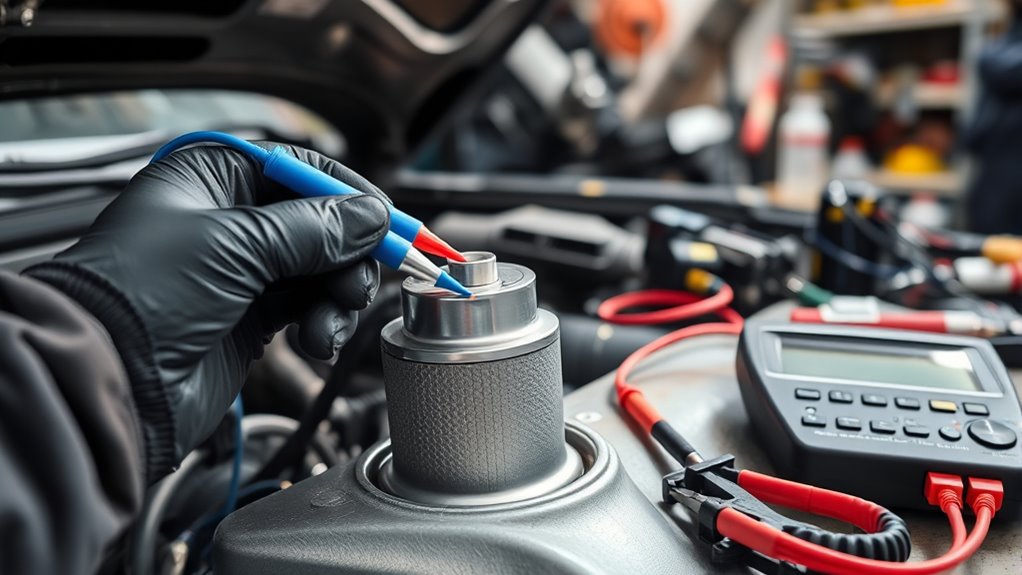
Testing your fuel stabilizer’s effectiveness is simple but important to make sure it still works properly.
One good way is to check how your gasoline performs after storing it. Just add a small amount of the additive to fresh gasoline and see how it burns or reacts.
If the stabilizer is still good, the mixture should burn smoothly and won’t clog the engine.
| Test Method | Expected Result |
|---|---|
| Visual inspection of fuel | Clear, no sediment or discoloration |
| Combustion test | Steady engine performance, no stalls |
| Gasoline mixture test | Smooth burn, no misfires |
If your results don’t look right, it’s best to replace your stabilizer.
Common Causes That Break Down Fuel Stabilizers
Fuel stabilizers can break down over time because of exposure to heat, moisture, and air, which speeds up how fast they degrade. One common reason is misinformation about fuel additives—using the wrong stabilizer or mixing incompatible ones makes things worse.
Contamination in storage containers is another big factor. Dirt, water, or old fuel can get into your stabilizer and cut down its effectiveness. Plus, storing it in bad conditions, like leaving the bottle open or in sunlight, causes chemical changes that weaken the stabilizer.
Over time, these issues reduce its ability to keep fuel fresh, leading to problems like engine misfires or difficulty starting. To keep your stabilizer working well, make sure you’re using a quality product. Avoid cross-contaminating containers and store it in a cool, dry place away from harmful elements.
Knowing these causes can help you maintain proper fuel stability and keep your engine running smoothly.
Tips to Properly Store & Maintain Your Fuel Stabilizer
To ensure your fuel stabilizer stays effective for as long as possible, proper storage and maintenance are key. Start by storing fuel in a cool, dry place away from direct sunlight and extreme temperatures.
Use airtight containers to prevent exposure to oxygen, which can break down the chemicals. Always clean the cap and make sure the container is sealed tightly after each use to keep out moisture and contaminants.
Store the stabilizer in a stable environment, avoiding fluctuations in temperature that could cause separation or breakdown. Regularly check the expiration date and avoid keeping it beyond the recommended period.
Keep the container upright to prevent leaks, and label it with the purchase date so you can easily track its age. Proper storage helps maintain chemical stability and keeps the additive effective when you need it most.
With these simple tips, your fuel stabilizer will stay reliable and continue protecting your fuel over time.
When to Replace Your Fuel Stabilizer
If you notice your fuel stabilizer starts changing color or begins to smell funny, that’s a good sign it’s time to replace it. You might also feel like your engine isn’t running as smoothly or efficiently anymore. These little signs tell you that the stabilizer isn’t doing its job like it used to, and it’s probably time for a fresh bottle.
Changes in Color or Smell
Over time, your fuel stabilizer might start to look or smell different, which is a sign it’s no longer doing its job.
If the color turns darker or murky, that means the fuel additives have broken down. A sour or rancid smell also shows it’s gone bad and needs to be replaced.
Storing stabilizer properly can help keep it fresh, but once these changes happen, it won’t protect your fuel anymore.
Make sure to check your stored stabilizer regularly for signs like discoloration, strange odors, or any sediment in the container.
If you notice any of these, it’s best to discard the old stabilizer and fill up with fresh product to keep your fuel stable.
Reduced Engine Performance
Have you noticed a drop in your engine’s performance, like sputtering, rough idling, or trouble starting? These signs often mean your fuel stabilizer has gone bad, especially if fuel contamination has happened.
Poor storage conditions or keeping fuel for too long can cause the stabilizer to break down, leading to lower fuel quality. When the stabilizer deteriorates, it can’t prevent moisture buildup or keep the fuel fresh.
That results in less efficient combustion, making your engine run unevenly. If you keep experiencing issues even with fresh fuel, it’s time to replace the stabilizer.
Storing fuel properly and doing regular maintenance can help prevent this problem. It keeps your engine running smoothly and reliably.
Risks of Using Old or Ineffective Fuel Stabilizers
Using an old or ineffective fuel stabilizer can cause serious problems for your engine. When the stabilizer doesn’t do its job anymore, you risk clogging filters, damaging fuel injectors, or causing misfires.
Poor fuel stability can also lead to gum and varnish buildup, which hampers engine performance and shortens its lifespan. It’s important to store stabilizer properly—keep it in a cool, dry place and ensure the container is tightly sealed.
If stabilizer has gone bad, you might notice trouble starting your engine or it running unevenly. Using bad fuel can increase emissions and fuel consumption, which affects both your wallet and the environment.
Regularly check your stabilizer’s condition to prevent these issues. Remember, investing in fresh stabilizer and storing it properly helps extend its shelf life and keeps your engine running smoothly, avoiding costly repairs later on.
Step-by-Step: Checking Your Stabilizer Before Use
Before you start using your fuel stabilizer, take a moment to look over the packet. Make sure it hasn’t been damaged and that the seal is still intact—that way, you know it hasn’t been compromised.
Next, give the stabilizer a quick visual check. Look for any discoloration or cloudiness, which could be a sign it’s no longer effective.
Finally, you might want to do a quick test by mixing a small amount with some fuel. This little step can help you confirm if the stabilizer is still good to go before you add it to your tank.
Inspect Packet and Seal
How can you be sure that your fuel stabilizer is still good to use? Start by inspecting the packet and seal. Check the packaging materials for any tears, leaks, or damage that could let air or moisture in. A compromised package might mean the stabilizer has been exposed to conditions that could degrade its effectiveness.
Also, verify that the seal is intact. A broken or tampered seal suggests contamination or spoilage. If you stored the stabilizer in a proper storage container, ensure it remained airtight and clean. Any signs of moisture, discoloration, or strange odors from the packet signal it may have gone bad.
Check for Clarity and Color
Is your fuel stabilizer still good? Check its clarity and color.
Fresh stabilizer usually looks clear and has a consistent hue.
If you see a change in color or it looks cloudy or murky, that’s a sign it might have gone bad.
Clarity issues indicate moisture or contamination, which can reduce effectiveness.
Don’t rely only on smell or how long it’s been stored; visually inspecting it is crucial.
If the color is dull, darker, or it appears hazy, it’s best to discard and get a new supply.
Using degraded stabilizer can cause engine problems or fuel issues.
Always ensure it looks clean and transparent before mixing it with fuel.
Test Stabilizer in Fuel
To accurately determine if your fuel stabilizer is still effective, it’s best to test it directly in the fuel you plan to use. Start by adding a small amount of your fuel additive to a storage container filled with fresh fuel.
Shake or stir the mixture gently to ensure thorough blending. Then, observe how stable the mixture is—if it separates or shows signs of change, your stabilizer might have gone bad.
You can also check the clarity and smell, as a degraded stabilizer may produce an odd odor or appear cloudy. Remember, using fresh fuel helps ensure your stabilizer works properly.
Here are some key steps:
- Use a clean storage container for testing.
- Mix the stabilizer thoroughly into fresh fuel.
- Look for separation, cloudiness, or strange smells.
Expert Tips to Keep Your Fuel Stabilizer Working When You Need It
Maintaining your fuel stabilizer’s effectiveness requires some simple but essential practices. First, always add stabilizer additives to fresh fuel before storage, especially if you’re using vintage fuel that’s prone to degradation. This helps prevent oxidation and gum formation, which can damage your engine over time.
Make sure to use the correct amount specified on the product label. Overdosing won’t improve preservation and can actually be counterproductive. Store your fuel and stabilizer in a cool, dry place away from direct sunlight and extreme temperatures, which can speed up fuel breakdown.
Before long-term storage, run your engine for a few minutes to circulate stabilized fuel through the system. Regularly check and replace stabilizer products as recommended, since expired stabilizer can lose its effectiveness.
These simple steps help protect your fuel, keeping your stabilizer reliable whenever you need it, especially for vintage fuel and equipment that requires extra care.
Frequently Asked Questions
Can Expired Fuel Stabilizer Damage My Engine?
Expired fuel stabilizer can potentially harm your engine if it loses its effectiveness, especially if it no longer maintains fuel compatibility. Poor storage conditions like exposure to moisture or extreme temperatures speed up its degradation.
Using degraded stabilizer might cause fuel problems, such as clogged injectors or corrosion. Always check the product’s smell, color, and expiration date to avoid engine damage.
Store stabilizer in a cool, dry place for the longest shelf life and to keep your engine safe.
Does Temperature Affect the Lifespan of Fuel Stabilizer?
Temperature affects fuel stabilizer’s chemical stability, so extreme heat or cold can shorten its shelf life. When exposed to high temperatures, the stabilizer may break down faster, reducing its effectiveness at preventing fuel degradation.
On the other hand, very cold conditions can slow down chemical reactions, helping the stabilizer last longer. To keep it working properly, store it in a cool, dry place.
Proper storage guarantees it maintains its chemical stability and provides better engine protection.
How Do I Dispose of Expired Fuel Stabilizer Safely?
To dispose of expired fuel stabilizer safely, avoid pouring it down drains or on the ground. This helps reduce environmental damage.
Instead, take it to a local hazardous waste disposal site or a designated collection center. Proper disposal methods protect the environment and prevent contamination.
Check with local authorities for specific disposal guidelines in your area. Following their advice ensures you’re handling it safely and responsibly.
Are There Any Visible Signs of Chemical Changes in Stabilizer?
Yes, you can spot chemical changes in stabilizer through visible signs. Look for discoloration — if it appears faded or has developed a strange tint, that’s a red flag.
Also, check for viscosity changes. If the stabilizer has thickened or become overly thin, it indicates chemical breakdown. These signs suggest your stabilizer may have degraded, meaning it’s less effective at preserving fuel.
Is It Okay to Reuse Old Stabilizer After Testing?
It’s not advisable to reuse old stabilizer after testing because storage can cause it to lose its effectiveness, even if it looks or smells okay at first.
Over time, the chemicals break down, making the stabilizer less stable and less capable of protecting your fuel. For the best results, always use fresh stabilizer for stable storage.
Reusing old stabilizer can lead to engine problems and decrease fuel system reliability. It’s better to replace it regularly to keep your engine running smoothly.
Conclusion
Remember, just like a trusty steed needs fresh oats, your fuel stabilizer needs regular checks to stay effective.
If it looks cloudy or smells off, don’t gamble like a cowboy at high noon—swap it out promptly.
Testing your stabilizer before seasonal use ensures your engine runs smoothly and saves you from roadside surprises.
Keep your fuel fresh and your adventures safe—think of it as guarding your chariot’s secret weapon against the sands of time.
Being able to tell if your fuel stabilizer has gone bad is key to avoiding engine troubles.