How to Determine if All Spark Plugs Are the Same Size
Are you finding it tricky to ensure all your spark plugs are the right size? You’re not alone—many people struggle with checking compatibility, which can cause engine issues down the line.
Knowing how to verify your spark plugs fit perfectly is essential for your vehicle’s performance and longevity.
To see if all your spark plugs are the same size, start by removing each one and measuring the thread diameter, reach, and overall length with a caliper or ruler.
Check for consistent gaps and inspect for wear or damage.
Compare your measurements to your vehicle’s specifications or manufacturer guidelines.
If you want to guarantee proper fit and avoid engine issues, you’ll find the key steps for accurate comparison as you investigate further.
Key Takeaways
- Measure the thread diameter with a caliper or thread gauge on each spark plug to check for consistency.
- Check the reach length, which is the distance from the gasket seat to the tip, across all plugs and compare them.
- Look at each spark plug’s markings and part numbers and compare them to the manufacturer specifications.
- Remove all the spark plugs and visually inspect for the same size, length, and thread pattern.
- Make sure all the plugs match in material, heat range, and design according to your vehicle’s requirements.
Why Matching Spark Plugs Matters for Your Engine
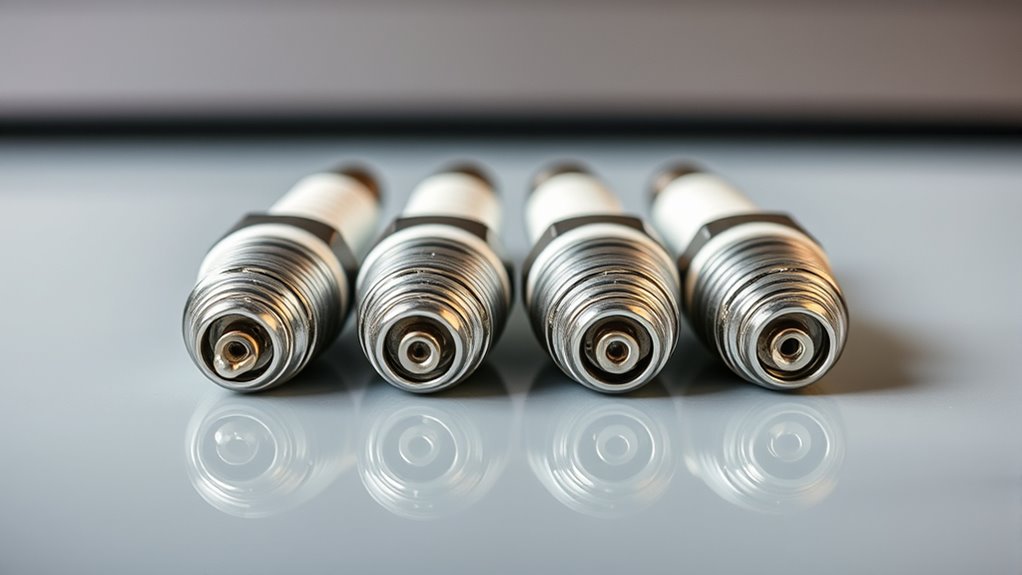
Matching spark plugs is vital because using the wrong size can cause misfires, poor fuel efficiency, and engine damage. When spark plugs don’t fit properly, they can develop corrosion, which leads to poor conduction and misfires.
Using the correct size spark plug prevents corrosion, misfires, and engine damage for optimal performance.
The spark plug material also plays a big role; different materials like copper, platinum, or iridium affect durability and performance. Picking the right size ensures the spark plug seals well in the cylinder head, stopping moisture and debris from causing corrosion.
Properly matched spark plugs help improve combustion, resulting in smoother engine operation and better fuel economy. If the material isn’t right for your engine’s conditions, it may wear out faster and need more frequent replacements.
Understanding why matching spark plugs to your engine matters helps prevent issues like corrosion and material problems. This ultimately protects your engine’s health and extends its lifespan. Proper fit and material choice are key for reliable performance.
Recognizing Different Types of Spark Plugs and Their Sizes
When you’re dealing with spark plugs, it’s important to be able to recognize the different types and sizes. This is crucial to make sure they fit properly and work well. Spark plugs typically come in common sizes like 10mm, 12mm, and 14mm. Knowing the specific type of spark plug you need can really make a difference in how long it lasts and how efficiently your engine fires up.
One handy thing to do is to check the markings on the spark plug itself. Often, manufacturers put size and type info right on the plug, making it easy to identify. If those markings aren’t clear, you can also measure the threads with a caliper or a ruler to be sure you’re getting the right size. Taking a few moments to do this will save you trouble down the line and help you find the perfect match quickly.
Common Spark Plug Sizes
Have you ever wondered how to identify the different sizes of spark plugs? Common sizes usually fall within specified ranges, like 14mm, 18mm, or 20mm thread diameters. The size affects how well your ignition system performs and your fuel efficiency.
Smaller plugs often fit compact engines, while larger ones suit bigger engines for better power delivery. Lengths and reach vary too, with some plugs having a shorter tip for tighter spaces.
When checking your spark plug size, look for markings on the plug or refer to your vehicle’s manual. Knowing these standard sizes helps you pick the right replacement, keeping your ignition system running smoothly.
Getting the right size is essential for engine efficiency and performance.
Types of Spark Plugs
Recognizing different types of spark plugs is important because each one is made for specific engine needs and performs differently. The materials and chemistry used influence how they ignite fuel and handle heat.
Copper spark plugs have excellent conductivity and quick heat transfer, making them ideal for standard engines. Iridium and platinum plugs are more durable, offering a longer lifespan and better performance in high-performance engines.
Some spark plugs feature specific electrode designs, like fine-wire electrodes, which improve ignitability. Knowing these differences helps you pick the right spark plug for your engine, ensuring better operation and durability.
Size Identification Methods
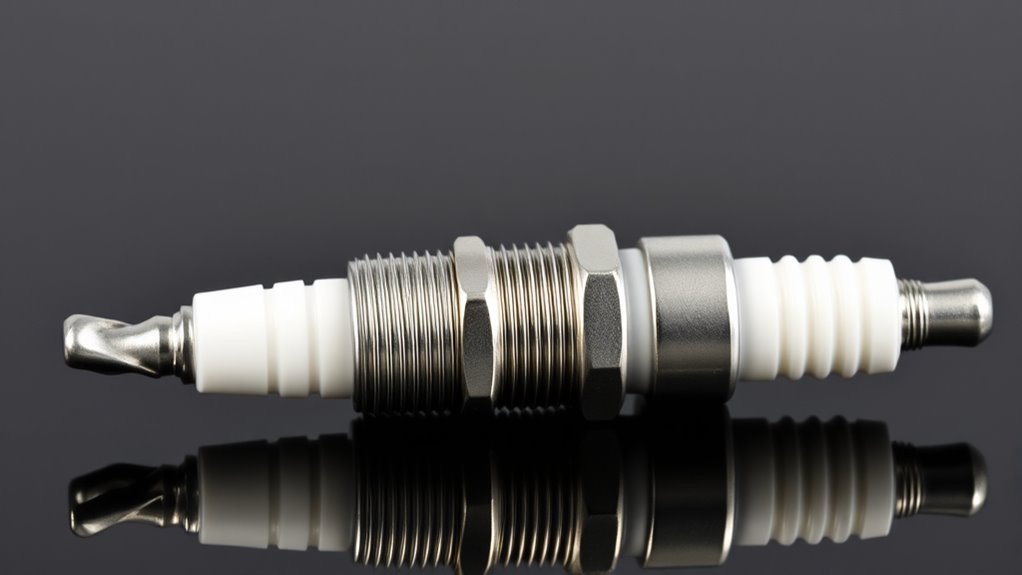
Determining if all spark plugs are the same size involves understanding their numerical codes and physical dimensions, which can differ between models and manufacturers. To get the right size, check the spark plug’s length, thread diameter, and reach, usually stamped right on the plug.
Spark plug manufacturers may use different standards, so it’s important to compare these specs carefully. You can also match the size to the hole in your engine’s cylinder head to make sure they fit. When cleaning spark plugs, make sure they’re free of debris before measuring—this prevents inaccuracies.
Knowing the exact size helps you pick compatible replacements and keep your engine running smoothly. Always consult the manufacturer’s specifications or guides for precise sizing, especially if you’re planning to clean or replace your spark plugs.
How to Measure Spark Plug Size With a Ruler or Caliper
Wondering how to measure your spark plug size accurately? Using a ruler or caliper is simple and effective.
First, figure out the length you need, which impacts how the spark plug fits and works with your engine.
With a caliper, measure the entire length of the spark plug from the nut to the tip to get an exact reading. A ruler can work, but a caliper gives you more precision.
To find the thread diameter, measure across the threads at their widest point.
To check the reach, measure from the gasket seat up to the tip of the firing end. This is important for proper fit and engine performance.
Keep your tools steady and write down your measurements.
This process ensures you’re using the correct size spark plug for your engine, helping keep everything running smoothly.
Checking the Threads and Reach of Your Spark Plugs
Want to ensure your spark plugs fit just right? The first thing you should do is check the thread diameter and reach length. Basically, you want to measure the size of the threads accurately and compare that to your vehicle’s specs. It’s a simple step, but it can save you a lot of hassle down the road.
Make sure the stock measurements match the spark plugs you’re thinking about installing. Doing this helps you avoid any compatibility issues, so your engine runs smoothly without any surprises.
Thread Diameter Measurement
Checking the thread diameter of your spark plugs is crucial to ensure they fit properly. Use a thread gauge or caliper for accurate measurement.
Compare your reading to the specifications listed in your vehicle’s manual or the spark plug packaging. Keep an eye out for color coding on the plugs, which can indicate different thread sizes used by various brands.
Some brands color code their spark plugs to help you quickly identify the right fit, saving you time. When measuring, make sure you’re checking the threaded portion, not the terminal or the nose.
Accurate measurement prevents cross-threading or improper installation. Confirm that the thread diameter matches your old spark plug or the specified size to maintain optimal engine performance and avoid damage.
Reach Length Verification
Since the reach length determines how far the spark plug extends into the combustion chamber, it’s important to verify this measurement for a proper fit and good performance. Measure the reach from the seat of the spark plug to the tip, making sure it matches your engine’s specs.
Having the correct reach prevents poor combustion, which can impact engine tuning and efficiency. When checking, also look at the spark plug’s details, like the ceramic insulator color and markings, to identify the manufacturer’s specs.
Proper reach helps ensure ideal spark exposure and stops damage to pistons or valves. Always compare your measurement with your vehicle’s manual or existing spark plugs. This step makes sure you’re using the right size for your engine, supporting reliable operation and good tuning.
Comparing Stock Specifications
Before replacing or comparing spark plugs, it’s important to check their stock specifications, especially thread size, pitch, and reach. Making sure these match helps keep your engine running smoothly.
Confirming these details ensures optimal fuel efficiency and proper emission control, and it helps prevent misfires or other engine issues.
You also want to verify that the thread size and pitch fit your engine’s cylinder head threads correctly. This helps avoid leaks or cross-threading problems.
The reach length determines how far the spark plug extends into the combustion chamber. Using the wrong reach can impact combustion quality and emissions.
Choosing spark plugs with the right specs ensures reliable ignition and helps your engine meet emission standards. Sticking to the original specifications preserves your vehicle’s intended performance, fuel economy, and emissions profile.
Always check your owner’s manual or OEM guides when comparing and selecting spark plugs to ensure the best fit for your engine.
How to Measure the Gap Width of Your Spark Plugs
To guarantee your spark plugs are working properly, you need to measure their gap width accurately. Use a spark plug gap tool or feeler gauge to check the distance between the center and ground electrode.
Place the tool between the electrodes, and if it doesn’t fit snugly, gently bend the ground electrode until it matches the recommended gap size for your vehicle. Proper gap measurement ensures ideal ignition timing, which directly impacts engine performance and fuel efficiency.
An incorrect gap can cause misfires, rough idling, and higher fuel consumption. Always double-check the manufacturer’s specs, as different engines require different gaps.
Carefully measure each spark plug individually, especially if you’re inspecting multiple ones. Remember, consistent and accurate gap measurements improve engine ignition timing and overall fuel efficiency, helping your vehicle run smoothly and efficiently.
What Tools Do You Need to Verify Spark Plug Sizes?
To make sure you get the right spark plug size, you’ll need a good spark plug socket that fits snugly without damaging the ceramic. It’s a small tool, but it makes a big difference in fitting your spark plugs properly.
You’ll also want some measuring tools like calipers or a ruler. These help you check the thread size and the reach of the spark plug, so you know you’re getting the right one before you install or replace it. It’s all about making sure everything fits perfectly and works smoothly!
Spark Plug Socket Selection
Selecting the right spark plug socket is key to accurately checking spark plug sizes, and it’s pretty simple with the right tools.
Your socket should fit snugly around the spark plug to avoid slipping or damage. To get the best results, go for a high-quality, magnetized spark plug socket, which makes handling spark plug jewelry or art much easier.
Consider these tools: a deep socket with a rubber insert, a magnetized socket for a secure grip, a ratchet wrench compatible with your socket size, extension bars for those hard-to-reach plugs, and a socket driver with a comfortable grip.
Having the proper socket makes removal safer and helps verify sizes accurately, so you won’t risk stripping or cross-threading. Investing in good precision tools makes your work smoother, especially when dealing with custom spark plugs or spark plug jewelry.
Measuring Tools Required
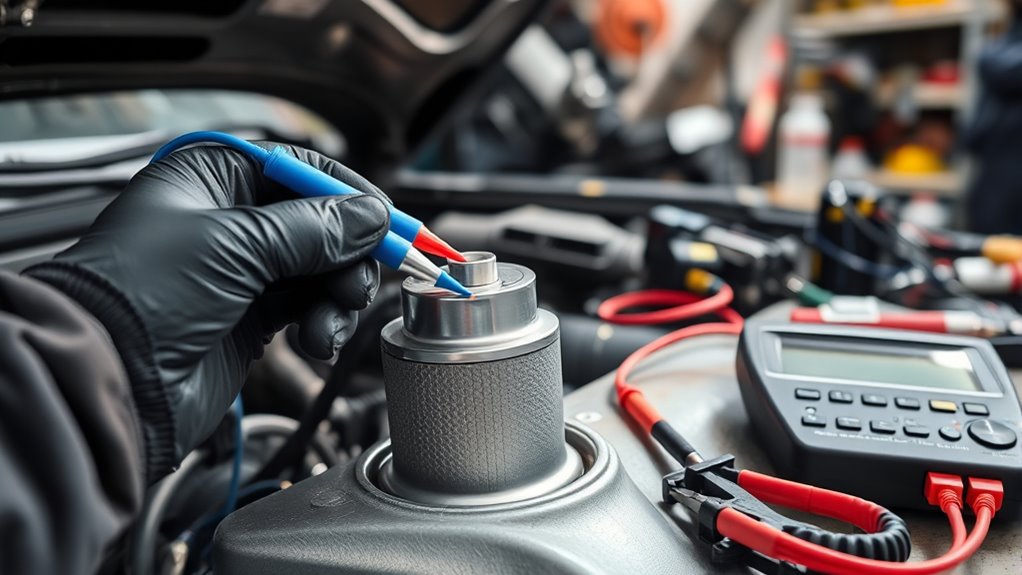
Having the right measuring tools on hand guarantees you can accurately verify your spark plug sizes without guesswork. You’ll need calipers or a ruler to measure the thread size and reach, making sure they match your engine’s specs.
A thread gauge can confirm the diameter and pitch. Inspecting the spark plug insulation and electrode materials requires good lighting and possibly a magnifying glass to see any wear or differences.
For precise checks, measure the length of the electrode and the gap between the electrodes. Variations here can impact performance. Accurate measurements of these parts ensure all spark plugs are the same size and compatible.
This helps prevent misfires or engine issues. These tools make it easy to compare and verify each spark plug with confidence.
Signs Your Spark Plugs Might Not Match or Are Causing Problems
If your vehicle is running rough, misfiring, or using more fuel than usual, your spark plugs might not be matching or could be causing issues. You might also notice uneven engine performance, which could be caused by inconsistent spark plugs or debris interfering with ignition.
Other signs to watch for are difficulty starting the engine or strange sounds while driving. If you think your spark plugs are mismatched, cleaning them to remove deposits might help. But if problems keep happening, replacing the spark plugs is often the best move for optimal performance.
Difficulty starting your engine or strange noises? Clean or replace spark plugs to keep your car running smoothly.
Keep an eye out for these clues:
- Engine misfiring or hesitation
- Slower acceleration
- Higher fuel use
- Trouble starting the vehicle
- Visible wear or damage when inspecting
Fixing mismatched or faulty spark plugs early can save you from bigger engine problems later. Regular checks and timely replacements keep your engine running smoothly and improve fuel efficiency.
Step-by-Step: Removing and Measuring Your Spark Plugs
Before removing your spark plugs, make sure the engine is cool to avoid burns and make the process easier. Start by locating the spark plugs, usually on the side of the engine. Use a spark plug socket and ratchet to carefully loosen and remove each plug.
As you lift them out, take a look at the spark plug color. A healthy plug usually has a light tan or grayish center. If you see black soot or a lot of carbon, that might be a sign of a problem.
Next, measure the length of the spark plug threads with a caliper. Make sure they match your vehicle’s specs. When replacing the plugs, check that each one is the same size and thread pitch, especially if you’re only replacing one.
Proper removal and measurement help prevent damage and ensure your engine runs at its best. Take your time to compare each spark plug carefully. This helps you assess whether any need to be replaced.
Choosing the Right Spark Plugs to Match Your Vehicle’s Specs
After measuring and inspecting your current spark plugs, the next step is to choose replacements that match your vehicle’s specifications exactly.
Pay attention to the spark plug materials, like copper, platinum, or iridium, since they affect durability and performance. Make sure your ignition system is compatible too, with the right heat range and gap for optimal sparking and fuel combustion.
When selecting the perfect spark plugs, keep these key factors in mind:
- Compatibility with your engine’s make and model
- Proper heat range to prevent fouling or overheating
- Correct gap size as recommended by the manufacturer
- Spark plug material suited for your driving conditions
- Construction quality to ensure longevity and reliability
Matching these specs helps keep your ignition system running smoothly, extends the life of your spark plugs, and maintains your engine’s performance.
Troubleshooting Mismatched Spark Plugs and Engine Issues
Mismatched spark plugs can cause a variety of engine troubles like rough idling, poor acceleration, and higher fuel costs. When the coatings or sizes don’t match, engine compression drops, leading to incomplete combustion.
To troubleshoot, check each spark plug’s size and type, making sure they’re all uniform for optimal performance. Keep an eye out for signs such as misfires, reduced power, or trouble starting the engine.
If the plugs differ in heat range or coatings, your engine might have to work harder than it needs to, which can cause damage over time. Ensuring compatibility helps keep everything running smoothly.
| Issue | Symptom | Cause |
|---|---|---|
| Rough idling | Vibrations, unstable engine tone | Mismatched spark plugs |
| Poor acceleration | Delayed throttle response | Incorrect spark plug size |
| Increased fuel consumption | Higher costs at the pump | Spark plugs with incompatible coatings |
| Engine misfire | Hesitation, sputtering | Spark plug incompatibility |
| Engine knocking | Unusual noises | Poor engine compression from mismatched spark plugs |
Frequently Asked Questions
Can Different Spark Plug Brands Be Incompatible Despite the Same Size?
Yes, different spark plug brands can be incompatible despite having the same size. Brand compatibility really matters because different products can vary in electrode design or heat range, which can impact fit and performance.
Even if the spark plugs are the same size, a plug from a different brand might not work well in your engine. It’s always best to check the manufacturer’s specifications and recommendations first.
That way, you can make sure you’re choosing spark plugs that are actually compatible, helping to avoid potential engine problems down the line.
Do Spark Plug Size Differences Affect Fuel Efficiency?
Spark plug size differences can impact your vehicle’s fuel efficiency, especially if the plugs aren’t compatible with your engine.
Using the wrong size can cause misfires or inefficient combustion, which can reduce your miles per gallon.
Even small size differences might affect how well your engine performs.
That’s why it’s important to make sure your spark plugs match your vehicle’s specifications.
Always verify the right size to get the best spark plug performance.
This helps maximize fuel economy and keeps your engine running smoothly.
How Often Should I Check Spark Plug Sizes During Maintenance?
You should check your spark plug sizes during routine maintenance every 30,000 miles or as recommended by your vehicle’s manufacturer. Regular checks help ensure everything is in order.
Studies show that using proper torque specifications during reinstallation can extend spark plug life by 20%. It’s a simple step that makes a big difference.
Regular inspections guarantee the plugs fit correctly and help prevent misfires. Keeping an eye on the size ensures your engine runs smoothly.
Always follow the recommended replacement intervals and periodically verify the sizes. That way, you can keep your engine running efficiently and reliably.
Are There Risks in Using Slightly Different Spark Plug Sizes?
Using slightly different spark plug sizes can pose risks, especially if the thread fitting isn’t compatible.
You might face leaks, poor electrical contact, or even damage to the cylinder head.
Always use a spark plug gauge to measure the size accurately before installing.
Even small mismatches can cause problems, so making sure the threads and fit are precise is key to keeping your engine running smoothly.
This helps maintain performance and avoids costly repairs down the line.
What Are the Consequences of Using Incorrect Thread Sizes?
Using incorrect thread sizes can lead to poor thread engagement, which risks the spark plug loosening or damaging the cylinder head.
It can also cause thread corrosion over time, making future replacements tough.
This improper fit might result in misfires, engine performance issues, or even serious engine damage.
Always double-check that the spark plug’s thread size matches the manufacturer’s specifications.
This ensures a secure installation and helps prevent corrosion or thread engagement problems.
Conclusion
Ensuring your spark plugs match is like tuning the strings of a finely crafted instrument. When they’re harmonized, your engine runs smoothly, singing with power and grace.
Mismatched sparks are like discordant notes, disrupting the melody and causing trouble. Take time to measure, compare, and select the perfect fit.
When all parts align, your engine’s rhythm becomes a symphony—resilient, strong, and ready to carry you forward with unwavering confidence. To keep this harmony, it’s essential to determine if all spark plugs are the same size.