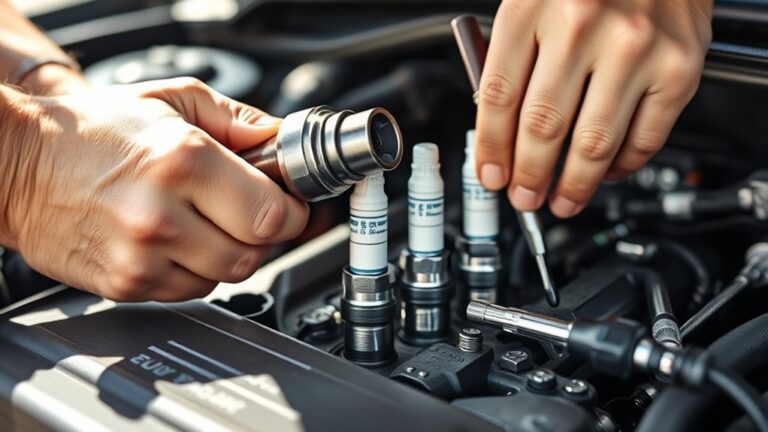
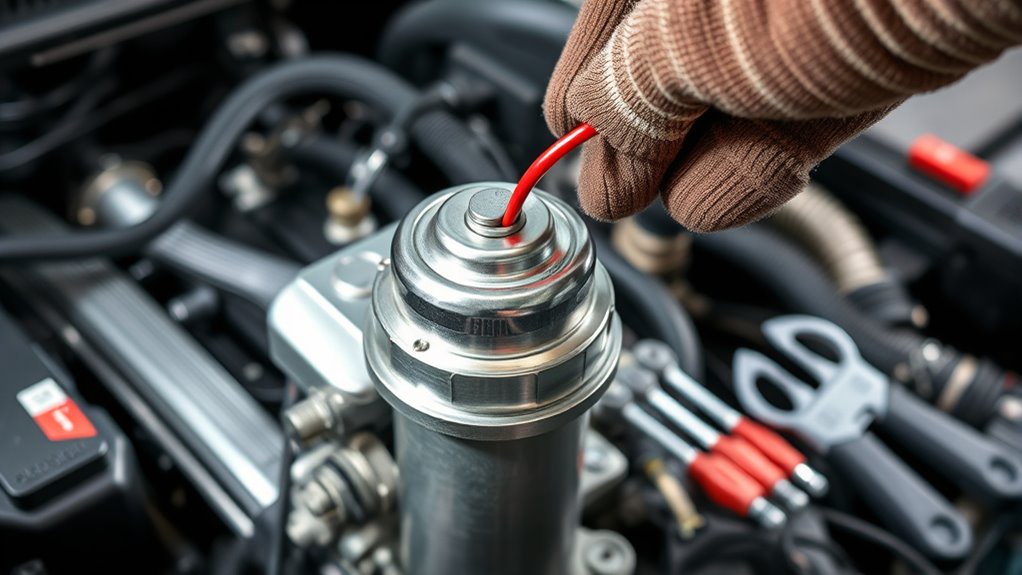
How Do You Reset the Fuel Pump in Seven Steps
If your vehicle isn’t starting or you’re experiencing fuel delivery issues, you’re not alone. Many people struggle with troubleshooting their fuel system, especially when it comes to resetting the fuel pump.
Luckily, it’s a manageable task that you can do yourself in just a few simple steps.
To reset your fuel pump in seven steps, start by turning off your vehicle and gathering safety gear.
Locate the reset button, often found under the dash or near the fuel tank access panel, and press it firmly.
If your car has a fuse or relay reset, follow the manual’s instructions to reestablish those components.
Check for proper operation, listen for the pump’s hum, and ensure the engine starts smoothly.
Keep going to learn more tips for a successful reset and troubleshooting.
Key Takeaways
- Turn off the engine, make sure everything is safe, and find the fuel pump reset button or access panel in your vehicle.
- Disconnect the negative battery terminal to avoid electrical issues.
- Press and hold the reset button for a few seconds or take out the fuse for ignition reset.
- Turn the ignition to the “On” position without starting the engine to prime the pump.
- Start the engine and listen for the pump’s humming sound, which means the reset was successful.
What Is the Fuel Pump and Why Reset It?
The fuel pump is an essential part of your vehicle’s fuel system, responsible for delivering gasoline from the tank to the engine. If it malfunctions or becomes less efficient, your fuel economy drops, and your engine might not run smoothly.
Resetting the fuel pump helps ensure it works correctly, maintaining a steady fuel flow. Over time, dirt, debris, and wear can impact the pump’s performance, shortening its lifespan.
Resetting the fuel pump maintains steady flow and extends its lifespan by preventing performance issues.
By resetting or fixing minor issues early, you can avoid costly repairs and help extend the pump’s life. Sometimes, a simple reset clears electronic glitches that affect the pump’s efficiency.
Regular maintenance, including resetting the pump if needed, keeps your vehicle running smoothly. It can save you money on fuel and repairs and helps protect this vital part of your fuel system.
Knowing when and how to reset your fuel pump is key to keeping it working well. This helps improve fuel economy and ensures your vehicle stays in good shape for longer.
How to Recognize If Your Fuel Pump Needs a Reset
If your car isn’t running as smoothly as it used to, you might notice some weird engine behavior or find it hard to start up. Sometimes, you might even experience a sudden loss of power while you’re driving, which could be a sign that your fuel pump is acting up.
Knowing these signs can help you figure out if a simple reset might do the trick to get things back on track.
Unusual Engine Behavior
Poor fuel quality can make these issues worse, causing the pump to struggle, especially when fuel supply fluctuates. You might also notice the engine overheating or running rough as the temperature rises.
These signs suggest your fuel pump might need a reset or replacement. Don’t ignore them, because leaving it unaddressed can lead to more serious engine damage.
Recognizing these early warning signs can save you time and repair costs in the long run.
Difficulties Starting Vehicle
Difficulty starting your vehicle can be a clear sign that your fuel pump needs a reset. You might notice that your engine cranks but doesn’t fire up right away. This usually points to an issue with fuel delivery, which can hurt your fuel efficiency.
If your ignition system seems fine but the engine still struggles to start, the problem could be a faulty fuel pump. Resetting it might restore proper fuel flow and help your engine start smoothly.
Pay attention to how often you have starting issues. Consistent problems can mean a weak or malfunctioning fuel pump that needs a reset to get back to normal. Spotting this early can save you time and prevent further damage.
Sudden Loss of Power
Have you noticed your vehicle suddenly losing power while driving? This could mean your fuel system isn’t delivering a steady flow, possibly because of a faulty fuel pump.
You might also feel engine hesitation or even stalling, which often points to issues with the ignition system. When the fuel pump needs resetting, your engine may struggle to keep up, especially under load.
Pay attention to rough idling or trouble with acceleration. If you suspect the fuel pump, check your dashboard for any warning lights.
Spotting these signs early can help you avoid a breakdown. Resetting the fuel pump might fix the problem, but it’s a good idea to also inspect the fuel and ignition systems for underlying issues.
Getting Your Car Ready for the Reset
Before you begin the reset process, make sure your vehicle is parked on a level surface with the parking brake engaged. This helps ensure safety and accurate diagnostics. Next, turn off the engine and gather necessary tools like gloves and safety glasses to protect yourself during the reset.
Park on a level surface with the parking brake engaged for safe, accurate fuel pump reset procedures.
To improve fuel efficiency and keep your fuel system in good shape, it’s helpful to:
- Check for any visible leaks or damage around the fuel pump area
- Clear dirt or debris from the area to prevent contamination during the reset
- Make sure your fuel tank isn’t too full or empty, as steady fuel levels make the reset smoother
Taking these steps prepares your vehicle for a successful fuel pump reset and helps maintain peak performance. Proper preparation also reduces driveability issues and preserves fuel efficiency, so your vehicle runs smoothly afterward.
Finding the Fuel Pump Reset in Your Vehicle
Check your owner’s manual if it’s not obvious because some vehicles hide this reset button for safety reasons. Finding the reset is important because a proper reset helps maintain your fuel efficiency and extends the pump’s lifespan.
Look for a small button or switch labeled “fuel pump reset” or something similar. Sometimes, it’s hidden behind panels or covers, so you might need a screwdriver to access it.
Resetting it correctly ensures the system runs smoothly and can prevent fuel delivery issues that could affect your vehicle’s performance. Once you find the reset, pressing it often requires turning the ignition on and off to complete the process.
Proper identification and reset help keep your vehicle running at its best.
How to Safely Disconnect the Car Battery
Disconnecting your car battery safely is important to avoid electrical shocks or damage to your vehicle’s systems. Following proper safety procedures helps you steer clear of shorts or sparks.
Start by turning off your ignition and removing the keys to cut power. Then, locate the battery, usually under the hood. When you’re ready, follow these steps:
- Wear insulated gloves for protection and try not to touch any metal parts.
- Loosen the negative (black) terminal clamp first to prevent sparks or accidental electrical contact.
- Next, carefully loosen the positive (red) terminal clamp, making sure your tools don’t touch other metal parts.
How to Reset Your Fuel Pump in Seven Steps
If you’re having trouble with your fuel pump or your car isn’t starting right, resetting the pump can often fix the issue. Start by turning off your vehicle and making sure the key is in the “Off” position.
Next, find the fuel pump fuse or relay, which is usually in the fuse box. Remove the fuse, then turn the ignition to the “On” position for about 10 seconds to depressurize the system. Turn the ignition off afterward.
Reinstall the fuse into its slot. This reset can help clear minor clogs or electrical glitches, improving fuel efficiency. It also supports emission control by ensuring the fuel system runs smoothly.
Start your vehicle again and listen for the pump to prime. If it does, that means the reset worked. Your car should run more smoothly and start more reliably.
Doing this reset regularly can help maintain the fuel pump’s performance and keep your vehicle running efficiently and eco-friendly.
How to Confirm the Reset Was Successful
To confirm that your fuel pump reset was successful, listen carefully for the pump to prime when you turn the ignition to the “On” position. If you hear a brief humming sound, it means the pump is working properly, and your reset likely succeeded. This step is important because a working fuel pump helps keep fuel efficiency up and ensures smooth engine performance.
You can also check other signs to verify the reset. For example, see if the engine starts easily and runs smoothly. Also, look for any warning lights related to fuel or engine issues on your dashboard. Additionally, your vehicle should respond quickly when you press the accelerator.
Performing these checks gives you confidence that the reset worked. It helps your car run efficiently and reduces the chances of future fuel system problems. This step shows you’ve taken the effort to optimize your vehicle’s performance.
Troubleshooting Fuel Pump Reset Problems
Sometimes, even after following the proper steps to reset your fuel pump, you may find that the issue persists or the pump doesn’t respond as expected.
If your vehicle’s fuel pressure isn’t returning to normal, your fuel pump might still be faulty or there could be wiring issues preventing a proper reset.
Check for clogged fuel filters or leaks that could affect fuel flow, which impacts both fuel efficiency and pressure.
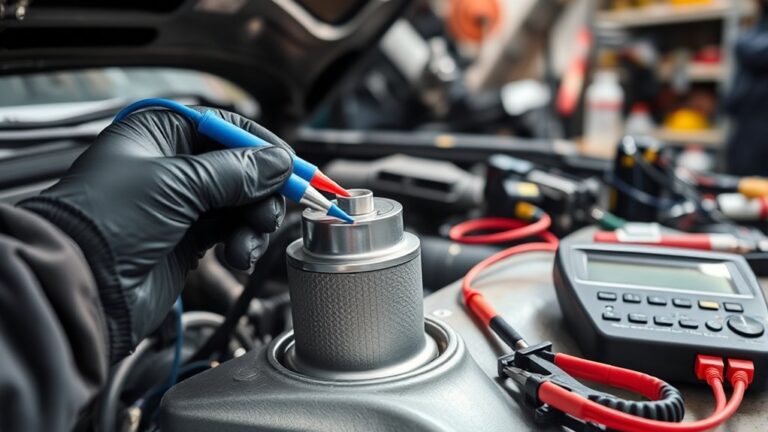
Using a fuel pressure gauge can help you verify if the pump is providing the correct pressure.
If pressure remains low, it’s a sign that the pump isn’t working properly despite your reset attempts.
Also, confirm that electrical connections and relays are functioning correctly.
Persistent reset problems often point to underlying mechanical faults or faulty sensors.
Troubleshooting these issues methodically helps you figure out whether the pump itself needs replacing or if other components are causing the problem.
What Next If Your Fuel Pump Still Has Issues
When your fuel pump still shows problems despite multiple resets, it’s time to look into other causes. Ongoing issues can hurt your vehicle’s fuel efficiency and increase emissions, so finding the root cause is key.
Start by checking for clogged fuel filters or contaminated fuel, which can slow down the pump and lower performance.
Next, inspect electrical connections and fuses because poor wiring can cause the pump to behave unpredictably.
You should also consider faults with the fuel pump relay or sensors that alert your vehicle to problems.
If these steps don’t fix the issue, it’s best to get professional diagnostics.
A struggling fuel pump can lead to higher emissions and worse fuel economy, so don’t wait too long.
Regular maintenance and quick repairs will help keep your car running smoothly, eco-friendly, and cost-efficient.
Maintaining Your Fuel Pump to Prevent Problems
Ever wonder how to keep your fuel pump running smoothly? Regular maintenance is key. Keep your fuel tank clean to prevent debris from clogging the pump, which can harm fuel efficiency and increase emissions issues.
Replace your fuel filter as recommended. A clogged filter makes the pump work harder and shortens its lifespan. Confirm your fuel system is free of leaks because leaks can cause irregular fuel delivery, affecting engine performance.
Use quality fuel to avoid contaminants that might damage the pump. Check electrical connections and wiring periodically because faulty connections can lead to pump failures. Proper maintenance keeps your fuel pump in top shape and prevents costly repairs later on.
Staying proactive with simple checks improves fuel efficiency by ensuring the pump supplies clean, consistent fuel. It also helps meet emission standards, reducing your vehicle’s environmental impact.
Frequently Asked Questions
Can Resetting the Fuel Pump Fix All Engine Performance Issues?
Resetting the fuel pump can sometimes fix certain engine performance issues, especially if they’re caused by fuel delivery problems. It often helps clear minor faults in the fuel system.
But keep in mind, it’s not a cure-all; more complex issues might need engine diagnostics and further repairs. If your engine still misfires or struggles after resetting, it’s best to see a mechanic.
They can check for other potential problems within your fuel system or engine components that might be causing the trouble.
Is It Necessary to Reset the Fuel Pump After Every Fill-Up?
Thinking of a quick tune-up? You don’t need to reset your fuel pump after every fill-up.
The fuel system pretty much manages itself through normal maintenance. Resetting is usually only needed if you’re having fuel delivery issues or after certain repairs.
Most of the time, your vehicle’s fuel system stays in tune on its own. This can save you time and effort, so don’t feel like you have to reset every time you fill up.
Are Special Tools Required to Reset the Fuel Pump?
You generally don’t need special tools to reset the fuel pump; most vehicles reset automatically or with basic procedures.
Remember, a proper reset can help maintain your fuel pump’s lifespan, ensuring it works efficiently and keeps your vehicle safe.
If you’re having issues, checking your owner’s manual or consulting a professional can help you do it right.
This can prevent potential damage and make sure your vehicle stays safe on the road.
How Often Should I Reset My Fuel Pump for Optimal Performance?
Think of your fuel pump like a musical instrument. Sometimes it needs a tuning to keep performing at its best.
You should reset your fuel pump during routine diagnostics or if you’re experiencing issues like stalling or sluggish acceleration.
Follow resetting procedures only when necessary, usually when warning signs show up or after repairs.
Regular checks help prevent problems and keep your vehicle running smoothly and efficiently without overusing resets.
Will Resetting the Fuel Pump Void My Vehicle’s Warranty?
Resetting your fuel pump typically won’t void your vehicle’s warranty if it’s done correctly. However, warranty issues depend on the manufacturer’s policies.
Always follow the manufacturer’s guidelines to avoid any problems. If you modify or interfere with parts covered under warranty without proper approval, it could cause complications.
Check your vehicle’s warranty details and manufacturer policies before resetting the fuel pump to stay protected.
Conclusion
Resetting your fuel pump might seem tricky, but with patience, it’s manageable—like solving a puzzle.
While the process is straightforward, neglecting maintenance could turn it into a frustrating game of hide and seek.
Think of it as tuning up your car’s engine: a little effort now can prevent bigger problems later.
So, take your time, follow the steps carefully, and enjoy the peace of mind that comes with a properly reset fuel pump.