What Are the Signs That a Bad Fuel Pump Causes a Misfire
Dealing with a car that struggles to run smoothly can be frustrating and stressful. If your vehicle’s fuel pump isn’t working properly, those issues only get worse. Many people struggle with unexplained engine problems that seem to come out of nowhere.
If your fuel pump is failing, you might notice engine misfires, rough idling, or hesitation during acceleration. You could also experience difficulty starting your vehicle, sudden stalling, or surging power.
Unusual noises like humming or whining from the fuel tank are common signs. Poor fuel delivery can cause inconsistent engine performance and increased emissions.
Recognizing these symptoms early helps prevent further damage. Keep exploring to find out more about diagnosing and fixing the issue.
Key Takeaways
- Engine misfires, stalls, or hesitates during acceleration because the fuel pump isn’t supplying consistent fuel.
- Sudden loss of power or rough idling can mean the fuel isn’t being delivered properly or evenly.
- Whining or buzzing noises from the fuel tank could point to a failing pump that’s causing those misfires.
- When fuel efficiency drops and the engine responds irregularly, it’s often a sign the fuel pump isn’t working right.
- Long cranking times and trouble starting usually mean the pump isn’t providing enough fuel, leading to misfires.
How Does a Weak Fuel Pump Cause Engine Misfires?
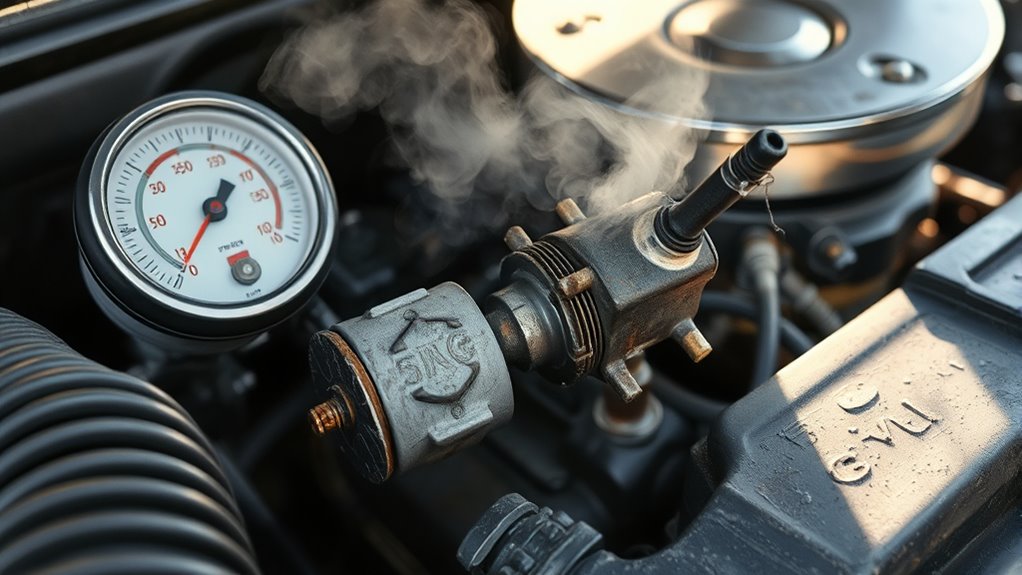
A weak fuel pump can’t supply the engine with a steady flow of fuel, which causes the engine to run lean or inconsistently. This problem comes from fuel pump mechanics that aren’t working correctly, leading to fluctuating fuel pressure.
When the pump struggles, less fuel reaches the combustion chamber, making the engine misfire. You might notice rough idling or hesitation when accelerating. These symptoms get worse because the engine isn’t getting the right amount of fuel at the right time.
To fix this, replacing the fuel pump is usually necessary if it keeps failing. Ignoring this issue can cause more engine damage, as misfires put stress on other parts. Diagnosing a weak fuel pump early helps prevent long-term problems.
Recognizing Early Signs of Fuel Delivery Problems
If your engine is running a bit rough or it stalls unexpectedly, that could be a sign there’s a problem with your fuel delivery. It’s also common to have trouble starting your vehicle, especially on cold mornings.
Paying attention to these early signs can really help you catch and fix issues before they turn into bigger, more costly problems.
Unusual Engine Performance
These issues can be linked to inconsistent fuel flow, affecting fuel purity and engine efficiency. During emissions testing, your vehicle may emit higher levels of pollutants, indicating incomplete combustion caused by poor fuel delivery.
You may also experience rough idling or hesitation during acceleration, which are early signs that the fuel pump isn’t supplying the engine with a steady fuel supply. Recognizing these signs early can help prevent further damage.
This way, you can keep your vehicle running smoothly and efficiently while maintaining proper emissions standards.
Difficulty Starting Vehicle
Have you noticed that your vehicle takes longer to start or struggles to turn over? This could be an early sign of a faulty fuel pump affecting fuel delivery. When the pump isn’t working properly, your engine won’t get the right amount of fuel, leading to starting problems.
Over time, this can reduce your vehicle’s fuel efficiency and hurt emission control, which means more emissions. It’s important to catch these issues early to avoid bigger problems down the road.
| Symptom | Possible Cause | Action |
|---|---|---|
| Long cranking time | Fuel pump struggling to deliver fuel | Have it checked ASAP |
| Difficulty starting | Insufficient fuel flow | Consider replacing the pump |
| Poor acceleration | Inconsistent fuel supply | Get a mechanic to diagnose |
| Decreased fuel efficiency | Fuel pump issues | Get a professional test |
Addressing these signs early keeps your vehicle running smoothly and efficiently.
How Fuel Pump Issues Lead to Engine Hesitation and Surging
When your fuel pump isn’t functioning properly, you might start to notice some odd things happening with your engine. For example, there could be fluctuations in the fuel supply, which can lead to your engine hesitating or stumbling during acceleration. It’s not always obvious right away, but these little hiccups can be pretty annoying.
You might also feel like your car is surging or suddenly losing power, almost as if it’s struggling to keep up. These irregular responses can be quite unsettling since your vehicle isn’t responding smoothly like it usually does. The good news is, catching these issues early and getting them checked out can save you from bigger, more expensive problems down the road.
Fuel Supply Fluctuations
A failing fuel pump can cause inconsistent fuel delivery, which leads to engine hesitation and surging when you accelerate. When the fuel system doesn’t supply a steady amount of fuel, your engine struggles to run smoothly.
You might notice your vehicle stumbling or surging unexpectedly. Faulty electrical wiring can make these fluctuations worse by disrupting the pump’s power supply and causing interruptions in fuel flow.
These supply issues create uneven engine performance and might trigger your check engine light. If your fuel pump isn’t working properly, the fuel flow becomes unpredictable and directly impacts engine response.
Regularly inspecting both the fuel system components and electrical wiring can help spot these fluctuations early. Catching them before they cause more serious damage or breakdowns is a good idea.
Irregular Engine Response
Irregular fuel delivery caused by a failing fuel pump can really affect how smoothly your engine responds. When the pump struggles, it might supply inconsistent fuel flow, leading to hesitation or surging during acceleration.
A clogged fuel filter can make this problem worse by restricting fuel even more, making engine response uneven. Faulty electrical wiring around the fuel pump can also disrupt the power supply, causing strange engine behavior.
You might notice your engine stumbling or surging without warning, especially at steady speeds or under load. These irregular responses are signs that your fuel pump isn’t maintaining a steady fuel flow and can impact overall engine performance.
Addressing issues with the fuel filter and electrical wiring can help restore smooth engine response and prevent further misfires.
Sudden Power Loss
Have you ever experienced a sudden loss of power while driving? If so, it could be a sign your fuel pump isn’t working properly. When the pump fails, it doesn’t deliver enough fuel to the engine, causing hesitation and surging.
You might notice a drop in fuel efficiency because your engine isn’t getting consistent fuel flow. During a cold start, a faulty pump struggles to provide the necessary pressure, leading to rough starts or stalling.
As you accelerate, the engine may sputter or lose power suddenly, making driving unpredictable. These symptoms show that your fuel pump isn’t maintaining stable fuel delivery, which affects engine responsiveness and performance.
Addressing this early can prevent further damage and help get your vehicle back to reliable power.
How to Detect Fuel Pump Problems Based on Vehicle Behavior
If your vehicle stalls or hesitates during acceleration, these could be signs that the fuel pump isn’t delivering fuel properly. You might notice rough idling, difficulty starting, or inconsistent power. These behaviors often point to issues like poor fuel delivery, which affects fuel efficiency and emissions control. To detect fuel pump problems, pay attention to how your vehicle responds and feels overall.
| Symptom | Impact on Vehicle | Emotional Cue |
|---|---|---|
| Sudden hesitation during driving | Creates anxiety and unpredictability | “Am I safe on the road?” |
| Engine sputtering or misfiring | Causes frustration and concern | “What’s wrong with my car?” |
| Difficulty maintaining speed | Sparks worry about breakdowns | “Will I get stranded?” |
| Long cranking times | Adds stress and inconvenience | “Why isn’t my car starting?” |
| Sudden stalls | Triggers panic and safety risks | “Is my car going to leave me?” |
Symptoms of a Faulty Fuel Pump During Acceleration
During acceleration, a faulty fuel pump often reveals itself through specific symptoms that can trigger concern or even panic while driving. You might notice a sudden loss of power or hesitation, especially when trying to accelerate quickly.
The engine may sputter or struggle to reach higher speeds, which can feel alarming. This inconsistency impacts your fuel efficiency, causing you to burn more fuel than usual due to unstable fuel delivery.
Moreover, a failing fuel pump can affect emission control, leading to increased emissions and possible trouble passing inspection. You may also notice that your vehicle stalls or stalls briefly during acceleration, indicating it’s not getting a steady fuel supply.
These symptoms point toward potential fuel pump issues and can cause misfires, jeopardizing safe driving. Recognizing these signs early helps prevent further damage and maintains your vehicle’s performance and environmental compliance.
Are Weird Noises a Sign Your Fuel Pump Is Failing?
Unusual noises coming from your vehicle can be a clear sign that your fuel pump is failing. If you hear whining, humming, or buzzing sounds, it might mean the pump is struggling to deliver proper fuel flow.
Unusual engine noises may indicate a failing fuel pump needing prompt attention.
These noises often get louder with engine speed and can show that your fuel pump isn’t working efficiently. A failing pump can hurt fuel efficiency and make your engine work harder than it should.
Inconsistent fuel delivery can also increase emissions and damage emissions control systems. Over time, ignoring these sounds might lead to misfires or engine problems.
If you notice any strange noises, it’s important to get your vehicle checked out soon. Fixing a failing fuel pump early can improve fuel efficiency, keep your engine running smoothly, and prevent costly repairs later.
Engine Stalling or Surging? Here’s What to Check
If your engine stalls unexpectedly or starts surging while you’re driving, it might be a sign that your fuel pump is acting up. Sometimes, you’ll notice the engine idling irregularly or sudden drops in power—that’s definitely worth paying attention to. These kinds of issues can be caused by a failing fuel pump, which can really impact how your car performs. So, if you’re experiencing anything like this, it’s a good idea to have it checked out sooner rather than later.
Irregular Engine Idling
To narrow down the cause, check these common signs:
- Fluctuating RPMs, especially at idle
- Unexpected engine stalling or surges
- Poor fuel efficiency over time
Using diagnostic tools can help identify if the fuel pump’s performance is behind the irregular idling. A failing fuel pump might not deliver a steady flow, leading to these symptoms. Addressing this early can prevent further damage and keep your engine running smoothly.
Sudden Power Loss
Here’s what to keep an eye on:
| Symptom | Possible Cause | Action Step |
|---|---|---|
| Sudden engine stalls | Bad fuel pump | Replace pump or filter |
| Surging power | Fuel delivery inconsistency | Inspect fuel lines |
| Reduced acceleration | Restricted fuel flow | Clean or replace fuel filter |
| Engine sputters | Clogged fuel filter | Replace filter |
| Decreased fuel efficiency | Pump failing to maintain pressure | Test fuel pressure |
Fixing these issues helps restore steady power and boosts fuel efficiency.
How Fuel Pressure Affects Engine Performance
Have you ever wondered how changes in fuel pressure can cause your engine to run rough or misfire? The fuel system depends on proper pressure regulation to deliver the right amount of fuel to your engine.
When pressure drops or fluctuates, it can mess up fuel delivery, leading to performance issues. You might notice an inconsistent idle or your engine stalling unexpectedly.
Decreased acceleration or power, and difficulty starting your vehicle are also signs. Low fuel pressure means your engine isn’t getting enough fuel, which causes misfires and rough running.
On the flip side, if the pressure is too high, it can flood the engine, making it hard to run smoothly. Proper pressure regulation ensures fuel reaches the combustion chambers in the right amounts and at the right times.
If your fuel pressure isn’t maintained properly, it can seriously impact engine performance, leading to misfires and lower efficiency. Keeping your fuel system in check helps prevent these problems and keeps your engine running smoothly.
Testing Fuel Pressure to Diagnose Pump Failures
Testing fuel pressure is a key step in figuring out if your fuel pump is acting up. It tells you whether the pump is delivering the right pressure, which your engine needs to run smoothly.
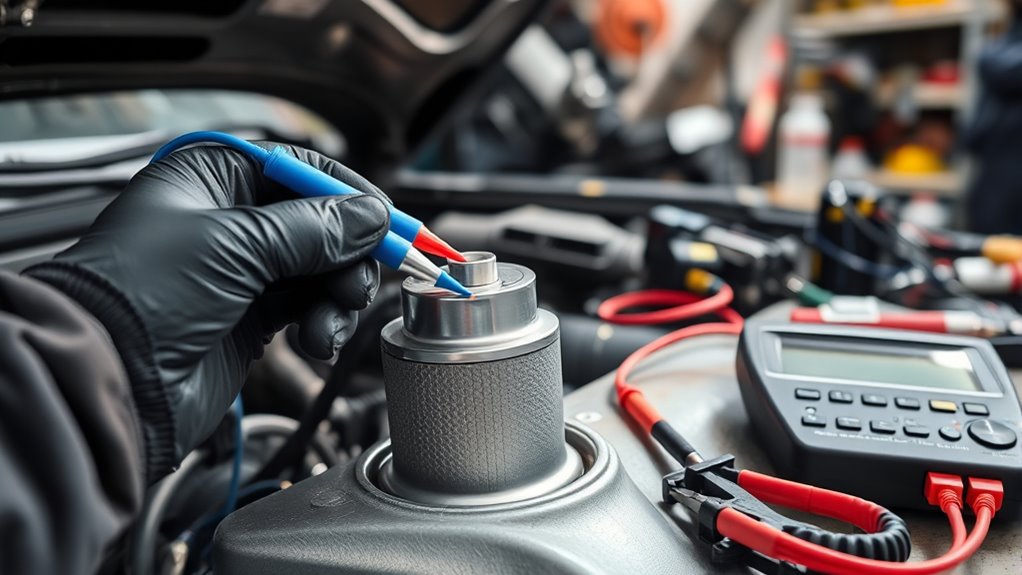
Use a fuel pressure gauge and connect it to the fuel rail. Start your engine and note the pressure reading. Then turn off the engine and see if the pressure stays steady. A quick drop suggests a leak or a failing pump.
Here’s a quick reference:
| Parameter | Expected Range |
|---|---|
| Running pressure | Manufacturer-specific |
| Fuel pressure drop | Less than 10 psi within a few minutes |
| Pressure stability | No rapid fluctuations |
If your readings are outside these ranges, it could mean the fuel pump is failing. That’s why pressure tests are so helpful in diagnosing misfires caused by fuel problems.
When and How to Replace Your Fuel Pump or Filter
Knowing when to replace your fuel pump or filter is key to keeping your vehicle running smoothly. Look out for signs like engine misfires, sluggish acceleration, or trouble starting. If these issues stick around, it might be time to replace the pump or filter.
Start with fuel tank maintenance by inspecting and cleaning your fuel filter regularly. Most need replacing every 30,000 miles to keep your fuel system clean. When replacing the fuel pump, be sure to disconnect the battery to avoid sparks.
Relieve fuel system pressure before removal to make the process safer and easier. Always use parts recommended by the manufacturer to ensure the best performance and fit.
Replacing your fuel filter can boost fuel efficiency by keeping the fuel supply clean and free of debris or clogs.
Aim to replace the filter every 20,000 to 30,000 miles or if you notice symptoms like engine hesitation or rough running. Doing so at the right time helps keep your engine running smoothly and extends your fuel system’s life.
Always follow the manufacturer’s instructions or consult a professional if you’re unsure about the process. Proper timing and method are crucial for a smooth and safe replacement.
Frequently Asked Questions
Can a Fuel Pump Cause Sudden Engine Shutdowns During Driving?
Yes, a failing fuel pump can cause sudden engine shutdowns while you’re driving. You might notice strange noises like whining or humming from the pump.
It can also lead to inconsistent fuel pressure, which makes the engine stall unexpectedly. These shutdowns happen because the pump isn’t providing steady fuel flow.
If this happens, it’s important to get your fuel pump checked. This way, you can avoid getting stranded on the road.
How Does Temperature Affect a Failing Fuel Pump’s Performance?
You might notice your fuel pump struggles more as temperature changes; in extreme heat, fuel temperature rises, putting stress on pump reliability. This can cause inconsistent fuel flow, leading to engine misfires or stalling, especially if the pump’s already compromised.
Conversely, cold weather might temporarily mask issues. But over time, fluctuations in fuel temperature can worsen performance. Keep an eye on how your vehicle responds across seasons—your pump’s health could be at stake.
Are There Specific Warning Lights Indicating Fuel Pump Issues?
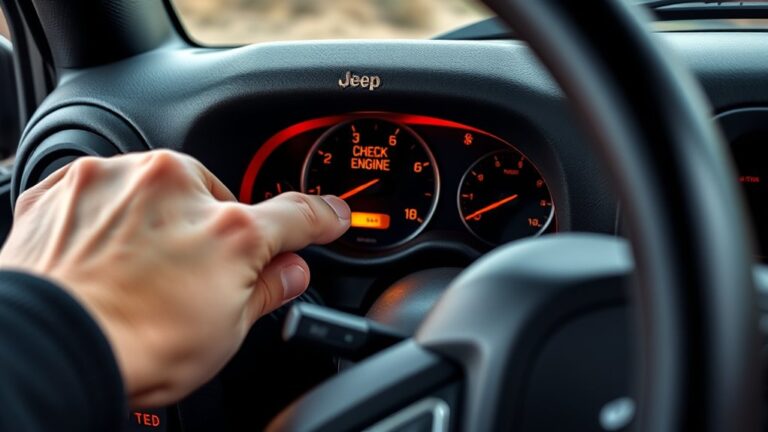
Yes, there are warning lights that can signal fuel pump problems. When the fuel pressure drops because of a failing pump or loose electrical connections, you’ll often see the check engine light come on.
You might also get a warning message for low fuel pressure right on your dashboard. These signs indicate your fuel pump might not be giving enough fuel, which can lead to misfires or engine hesitation.
Keep an eye out for these indicators and make sure to have your vehicle checked as soon as possible.
Can Partial Fuel Pump Failures Be Difficult to Detect?
Imagine a whisper in the engine, barely noticeable—just like a struggling fuel pump with subtle noise. Partial failures are tricky because they cause fluctuating fuel pressure and sporadic misfires, often disguised as regular driving issues.
You might not notice the fuel pump noise or drops in fuel pressure right away, making the problem hard to detect until symptoms become severe. Regular checks can help catch these early signs.
What Does It Mean if the Engine Runs Fine at Idle but Misfires Under Load?
If your engine runs fine at idle but misfires under load, it probably means there’s inconsistent fuel flow caused by pressure loss in the fuel pump. When you press the accelerator or put the engine under strain, it needs more fuel.
A faulty pump struggles to supply enough fuel during these higher demands, which can cause misfires. You might notice the car has reduced acceleration or isn’t performing as well as it should.
This points to an internal fuel pump problem that affects the pressure and fuel delivery when the engine demands more power.
Conclusion
So, next time your engine hiccups like it’s had one too many, don’t ignore the signs of a failing fuel pump.
After all, your car isn’t throwing a tantrum. It’s just complaining about poor fuel delivery.
Take action before it leaves you stranded and turns your commute into an episode of “Survivor.”
Because nothing says “fun” like troubleshooting a stubborn misfire while balancing a coffee in one hand and a toolbox in the other!
Being aware of signs that a bad fuel pump causes a misfire can save you time and money.