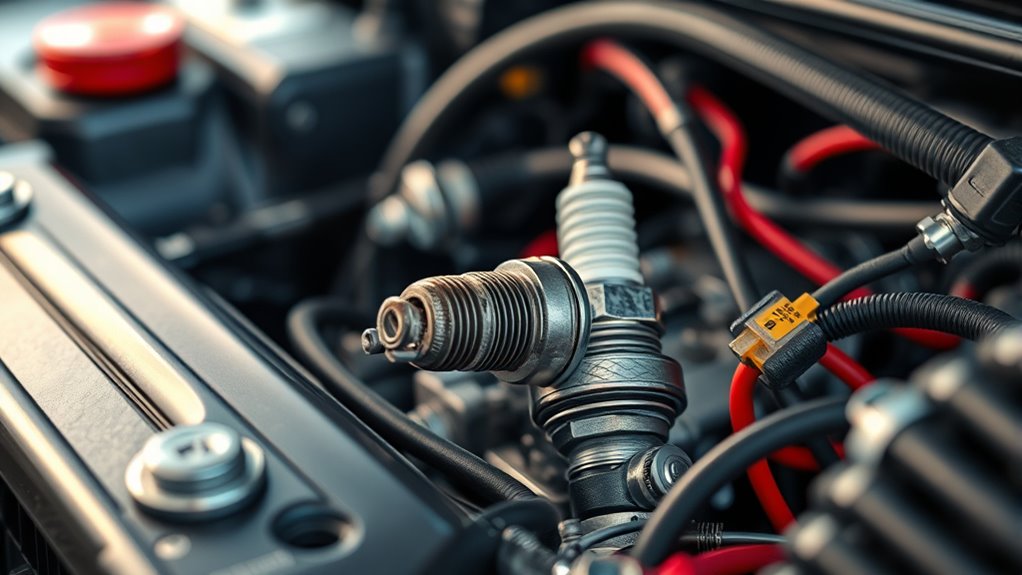
What Causes the Check Engine Light to Turn On and Are Spark Plugs Responsible?
Are you tired of that mysterious check engine light popping up on your dashboard? You’re not alone—many drivers find it frustrating and confusing, unsure of what’s wrong with their car.
The check engine light turns on when your vehicle detects issues affecting performance or emissions, often caused by faulty sensors, loose gas caps, or worn spark plugs.
While spark plugs can trigger the light if they misfire or deteriorate, many other components like oxygen sensors and airflow sensors also play a role.
Understanding what causes these warnings helps you keep your car in top shape—if you want to uncover more details, keep exploring.
Key Takeaways
- The check engine light turns on when there are issues affecting your engine’s performance or emissions, like faulty sensors or parts failing.
- Problems with spark plugs can cause engine misfires and incomplete combustion, which can indirectly trigger the warning light.
- Faulty oxygen sensors or mass airflow sensors mess with engine efficiency, leading to the check engine light coming on.
- A loose gas cap or damaged fuel system parts can also cause false alarms, activating the warning light unnecessarily.
- Regular maintenance and sensor calibration are key to preventing false triggers and keeping your engine running smoothly.
What Does the Check Engine Light Mean?
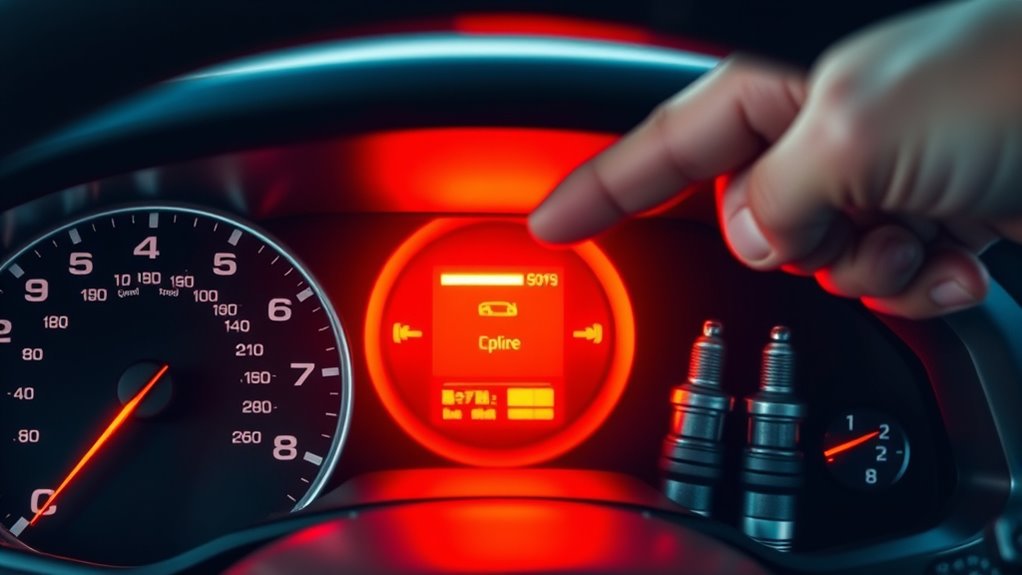
Have you ever wondered what it really means when your check engine light suddenly comes on? It’s not just a random warning; it signals that something needs your attention.
Usually, this light points to an issue that could affect your fuel efficiency or emission control. Problems with your engine, sensors, or exhaust system can cause the light to turn on.
A check engine light signals potential issues with fuel efficiency or emissions control systems.
When that happens, your car might burn fuel less efficiently, which costs more at the pump. It could also lead to higher emissions and harm the environment.
Sometimes, the problem is minor, like a loose gas cap. Other times, it’s more serious. The light is your vehicle’s way of telling you something needs checking.
Ignoring it might reduce your car’s performance, increase emissions, or cause damage later on.
Getting to know what the check engine light means can help you act quickly and keep your car running smoothly.
Common Reasons Your Check Engine Light Turns On
When your check engine light comes on, it’s telling you something in your vehicle needs attention. Common reasons include issues that affect engine performance and fuel efficiency.
A faulty oxygen sensor can turn on the light, which can lead to lower fuel economy and higher emissions. A loose or damaged gas cap is another culprit, affecting engine function and efficiency.
Problems with the mass airflow sensor can disrupt the air-fuel mix, impacting how your car runs and its mileage. Worn or faulty spark plugs can cause misfires, slowing down the engine and reducing fuel efficiency.
Additionally, a malfunctioning catalytic converter can trigger the warning light and hurt engine output. Sometimes, simple issues like dirty air filters or malfunctioning sensors are to blame.
Getting these problems checked quickly helps prevent costly repairs and keeps your vehicle running smoothly.
How Your Car’s Sensors Detect Problems
Your car’s sensors are always on the lookout, keeping an eye on all sorts of systems to make sure everything’s running smoothly. They’re kind of like little detectives, constantly gathering information from different parts of your car.
When something’s not quite right, these sensors send signals to the car’s computer to let it know there’s a problem. That’s why, sometimes, your check engine light will turn on — it’s the car’s way of giving you a heads-up that something needs attention.
Getting to know how these sensors work can help you understand why your car might need a check-up sooner rather than later.
Sensor Functions and Roles
Sensors are crucial for monitoring your vehicle’s systems and alerting you to potential issues before they become serious. They’re constantly collecting data, which is processed to spot any anomalies.
Proper sensor calibration is key to ensuring readings are accurate. When calibrated right, the system can easily identify genuine problems. But if sensors are miscalibrated or degraded, you might get false alarms.
Faulty wiring can disrupt signals, causing sensors to send incorrect information or not communicate at all. This interference makes it harder for your vehicle to detect issues early and might turn on the check engine light.
Your vehicle relies heavily on these sensors for peak performance and safety. That’s why it’s so important to keep them well-maintained and functioning properly.
Problem Detection Process
Vehicles constantly check different systems using sensors that gather data on engine performance, emissions, temperature, and more. When something’s off, these sensors send info to the vehicle’s Engine Control Unit (ECU).
The ECU then uses smart diagnostics to interpret the data and quickly spot irregularities or drops in performance. If sensors detect issues like misfires, high temperatures, or emission problems, the ECU activates the check engine light.
This system helps catch problems early before they turn into costly repairs. Your car’s sensors are key to keeping the engine running smoothly, regularly alerting the system to any issues.
How to Diagnose the Check Engine Light Yourself
Ever wondered how to troubleshoot the check engine light on your own? Start by checking simple things like tire pressure, as low pressure can sometimes trigger warning signs.
Next, consider your driving habits. Using eco-friendly fuels might influence sensor readings, but usually won’t cause the light to come on.
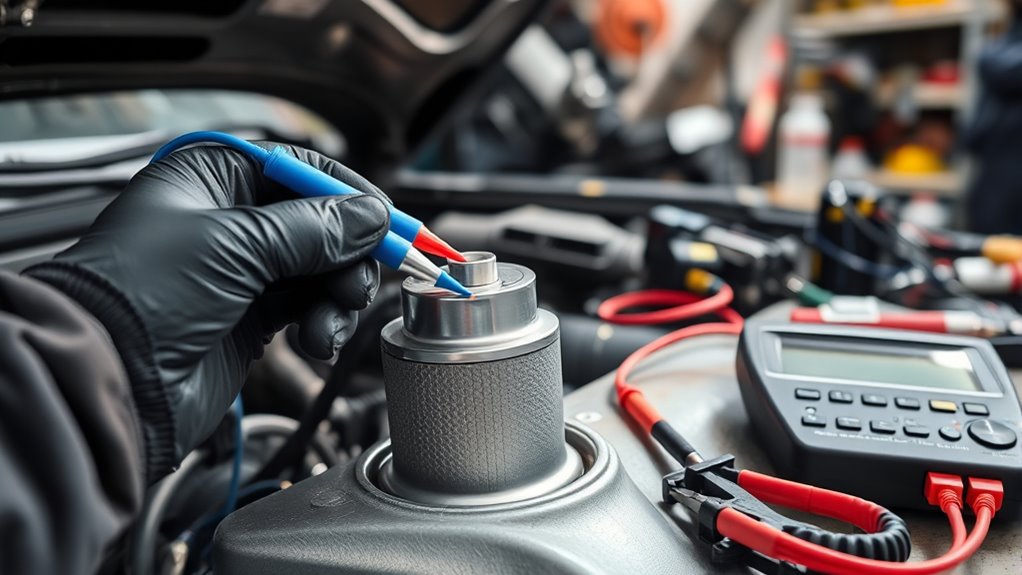
To get more detailed info, grab an OBD-II scanner, which is affordable and easy to use. Plug it into your car’s diagnostic port, usually under the dashboard, and read the error codes.
These codes point to specific issues, like oxygen sensor problems or a misfiring spark plug. Once you have the codes, look them up to understand what’s wrong.
This DIY approach saves you money and helps you identify minor issues early on. Remember, although you can troubleshoot many problems yourself, persistent warning lights should eventually lead to a professional diagnosis to ensure safety.
When to Seek Professional Help
While some check engine light issues can be diagnosed and fixed easily at home, there comes a point when you really need professional help. If your car shows warning signs like the light staying on, strange smells, unusual sounds, or feeling sluggish, it’s time to see a mechanic.
Addressing problems early can prevent further damage and keep you safe on the road. You should seek help when the light blinks or stays on for a long time, indicating a serious issue.
If repairs or diagnostics are beyond your skill, especially involving complex systems or upgrades, don’t hesitate to call in a pro. Also, if your vehicle stalls or loses power, it could be a safety risk, so getting it checked out quickly is important.
Getting professional help not only keeps you safe but also helps maintain your car’s value and performance. Knowing when to ask for assistance ensures you’re making smart decisions, whether for regular upkeep or dealing with bigger problems.
Preventative Maintenance Tips to Avoid Unexpected Warnings
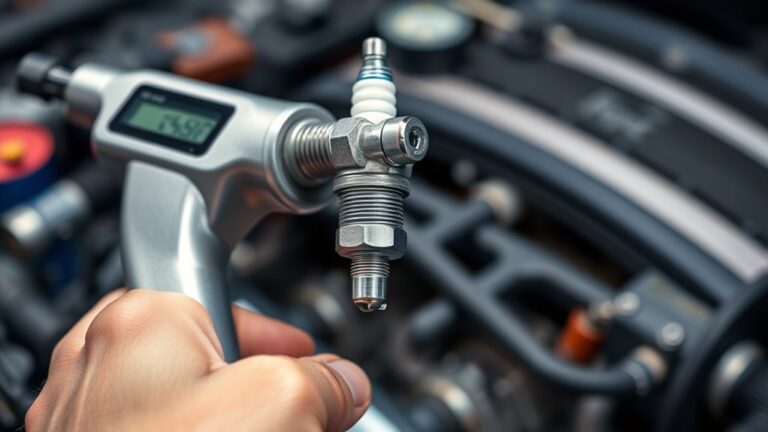
Want to avoid those surprising warnings on your vehicle? The key is to stick to regular inspection routines and check the essential components routinely. For example, replacing parts like spark plugs and filters on schedule can make a huge difference.
Staying proactive is really the best way to catch potential issues early before they turn into expensive repairs. So, make a habit of inspections and replacements, and your vehicle will thank you with smoother, worry-free rides.
Regular Inspection Routines
Regularly inspecting your vehicle is essential to prevent unexpected warning lights from coming on. Keeping up with checks helps maintain proper engine cooling, which can stop overheating and damage.
By monitoring fluid levels and inspecting hoses, you ensure heat is dissipated efficiently, saving you from costly repairs. Regular inspections also keep your engine running smoothly, boosting fuel efficiency and saving money.
Focus on these key areas to stay proactive:
- Check coolant and radiator condition to keep the engine running at the right temperature.
- Inspect spark plugs and ignition parts to help your engine burn fuel efficiently.
- Review air filters and fuel lines to improve cooling and fuel efficiency.
Doing these simple routines can prevent issues that turn on the check engine light and help your vehicle stay reliable.
Timely Part Replacements
| Replacement Timing | Benefits |
|---|---|
| Before failure | Prevents check engine light triggers, saves money. |
| During scheduled service | Maintains engine health, improves fuel efficiency. |
| When symptoms appear | Avoids extensive damage, costly repairs. |
Sticking with timely replacements keeps your car reliable and fuel-efficient. It also helps reduce the chances of unexpected warnings popping up.
Decoding Your Dashboard Warning Lights
Dashboard warning lights are designed to catch your attention when your vehicle detects a potential issue. Recognizing these signals helps you address problems before they get worse. The check engine light is common, but there are other key lights too.
Here are three important warning lights you should know:
- Yellow or orange engine-shaped light: This indicates a problem with fuel efficiency, possibly related to emissions or engine performance.
- Tire pressure warning: When this light comes on, it means your tires might be underinflated, which can affect fuel economy and safety.
- Red oil or temperature lights: These signals are critical and should be checked immediately to prevent engine damage.
Deciphering these lights helps you keep your tires properly inflated, improve fuel efficiency, and avoid costly repairs. Always check your vehicle’s owner manual for exact meanings, and don’t ignore dashboard warnings—they’re your car’s way of communicating potential issues.
Can Spark Plugs Cause Your Check Engine Light to Come On?
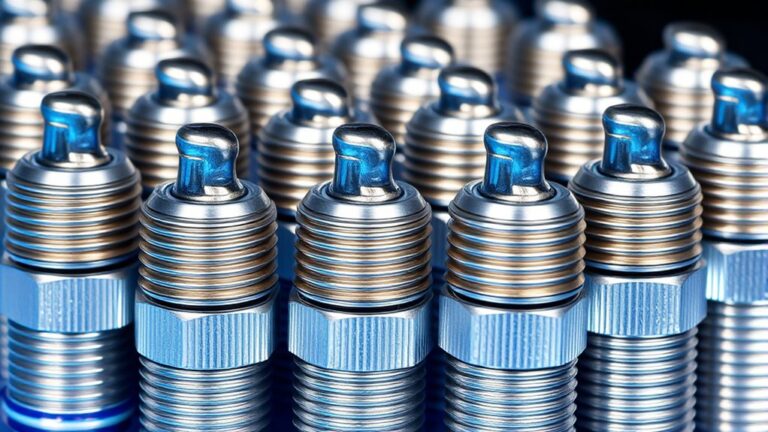
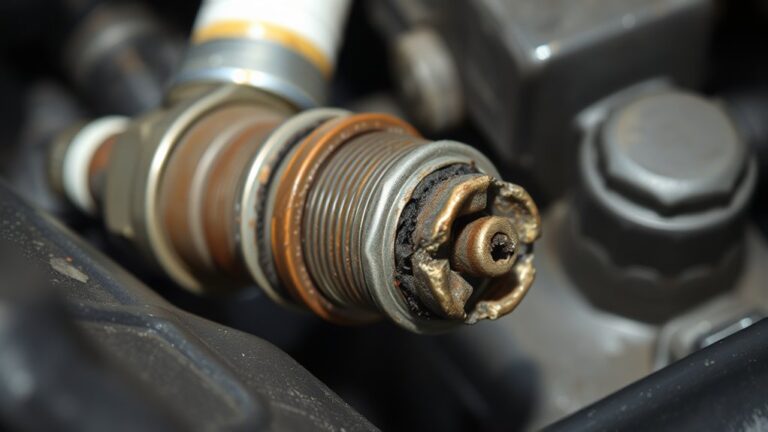
Have you wondered if faulty spark plugs could set off your check engine light? The answer is yes. Worn or poorly maintained spark plugs can mess with your vehicle’s ignition system.
Neglecting spark plug maintenance can lead to misfires, rough idling, and lower fuel efficiency. These problems often send signals to your car’s engine control unit, which may turn on the check engine light.
Faulty spark plugs interfere with the ignition, making it harder for your engine to run smoothly. Sometimes, the light comes on because the engine detects irregular combustion caused by bad sparks.
While spark plugs aren’t always the main cause, they are a common culprit. Regularly inspecting and replacing them as recommended can help prevent ignition issues and keep your vehicle running smoothly.
If your check engine light comes on, it’s a good idea to check your spark plugs as part of your overall maintenance routine.
Understanding the Diagnostic Trouble Codes (DTCs)
When your check engine light comes on, your vehicle’s onboard computer (OBD-II system) records specific codes called Diagnostic Trouble Codes (DTCs). These codes help pinpoint the exact issue, whether it’s engine vibrations, brake problems, or sensor errors. Understanding DTCs can help you figure out what’s causing the warning, potentially avoiding more serious damage and costly repairs.
These codes give you a deeper understanding. They identify what’s malfunctioning, so you can find the source quickly. They also help show if issues like misfires or bad sensors are affecting your car’s performance. Plus, they clarify if a problem involves parts like spark plugs or the brake system, which might cause engine vibrations or other symptoms.
Key Takeaways: What Every Driver Should Know
Understanding what the check engine light indicates can save you time, money, and stress. It’s important to realize that weather and pollution can sometimes trigger false alarms, so don’t panic if your light flickers without a clear reason.
Knowing what the check engine light means can prevent unnecessary worry and help you act quickly.
Regular interior diagnostics, like professional inspections and using OBD-II scanners, help you find problems early. Keep track of warning patterns and note any recent changes in how your vehicle behaves.
While spark plugs are often to blame, many issues come from sensors, emissions systems, or fuel delivery problems. Ignoring the light can lead to more costly repairs later, so diagnosing it promptly is key.
Always consult a trusted mechanic if you’re unsure, especially if environmental conditions might have temporarily impacted your car’s performance. Knowing what causes the check engine light to turn on keeps you proactive rather than reactive.
This approach helps keep your vehicle reliable and safe on the road.
Frequently Asked Questions
Can a Dead Battery Trigger the Check Engine Light?
A dead battery can definitely trigger the check engine light. Battery problems cause electrical faults that impact your vehicle’s computer system, making it detect issues and turn on the warning.
When the battery is weak or dead, sensors might send faulty signals. This can lead to the check engine light turning on unexpectedly. Keeping your battery charged and in good shape helps prevent false alarms and keeps your vehicle running smoothly.
How Long Does It Take for a Mechanic to Diagnose the Issue?
Coincidences happen, but when your check engine light appears, a mechanic’s diagnostic process usually takes about an hour. Sometimes it can take longer if the problem is more complex.
During this time, you might experience a brief wait as they connect scanners and interpret codes. Rest assured, a thorough diagnosis helps them find the real issue quickly.
This means less inconvenience for you and getting your vehicle back on the road smoothly.
Are There Any Warning Signs Before the Check Engine Light Appears?
Before the check engine light comes on, you might notice some warning signs like strange engine noises, less fuel efficiency, or rough idling.
Sometimes, a sensor malfunction can trigger these early alerts, especially when emissions are involved.
Paying attention to these signs can help you catch issues before they get worse.
If you notice any of these signs, it’s a good idea to have your vehicle checked soon.
Doing this can help prevent more serious damage or bigger emissions problems later on.
Do All Check Engine Lights Indicate Urgent Problems?
Think of the check engine light as your car’s old black box. Sometimes it flashes for urgent issues, but other times, it can be caused by diagnostic errors or user oversight.
Not all lights mean immediate danger. Many are just reminders to have your vehicle checked soon. So, don’t panic right away.
Instead, take a moment to diagnose the cause accurately before assuming it’s a serious emergency.
Can Weather Conditions Cause the Check Engine Light to Turn On?
Weather conditions can trigger your check engine light because climate impact affects your vehicle’s sensor sensitivity.
Extreme cold, heat, or humidity can cause sensors to malfunction or send false signals, prompting the light to turn on.
Sudden weather changes might also disrupt your vehicle’s emissions system or other parts, making sensor readings unreliable.
Keep in mind that environmental factors can cause temporary issues, so regular diagnostics help identify actual problems.
Conclusion
When that check engine light flickers on, think of it as your car’s way of whispering secrets from deep within its engine. Sometimes, it’s just a misfiring spark plug dancing out of tune. Other times, it signals a hidden storm brewing inside.
Don’t ignore this blinking lighthouse. Listen closely, diagnose wisely, and steer your car back onto the smooth road. Spark plugs are often responsible when the engine misfires, but many other issues can trigger the light too.
Trust your instincts, act promptly, and keep your engine’s song harmonious and clear by addressing the cause—whether it’s spark plugs or something else that caused the check engine light to turn on.