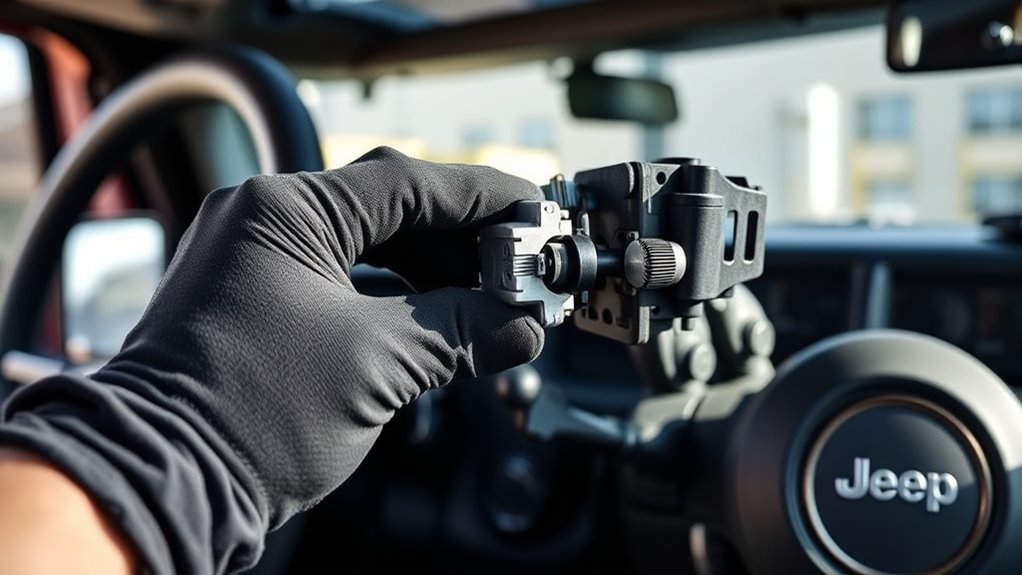
How to Replace Jeep Wrangler Ignition Lock Cylinder in 10 Steps
Having trouble replacing the ignition lock cylinder on your Jeep Wrangler? You’re not alone—many Jeep owners find this DIY task tricky and frustrating. But don’t worry, with a little patience, you can get it done yourself and save some money.
To replace your Jeep Wrangler’s ignition lock cylinder in 10 steps, start by disconnecting the battery for safety. Remove the steering column covers to access the ignition housing. Find and remove the retaining pin or screw securing the old cylinder, then gently slide it out.
Insert and align the new cylinder with the key, making sure it turns smoothly. Secure it in place and reassemble the covers. If you want detailed instructions for each step, keep going—there’s more to learn.
Key Takeaways
- Disconnect the vehicle’s negative battery terminal to avoid electrical shorts while you’re working.
- Take off the steering column covers so you can access the ignition housing. Look for any securing pins or screws you need to remove.
- Carefully take out the old ignition lock cylinder, making sure to keep small parts like clips or pins safe for reinstallation.
- Insert and line up the new cylinder, making sure it turns smoothly and stays secure in the steering column.
- Before putting everything back together, test the new lock to see that it works properly. Then reassemble the steering column covers and reconnect the battery.
Why You Should Replace Your Jeep Wrangler Ignition Lock Cylinder Now
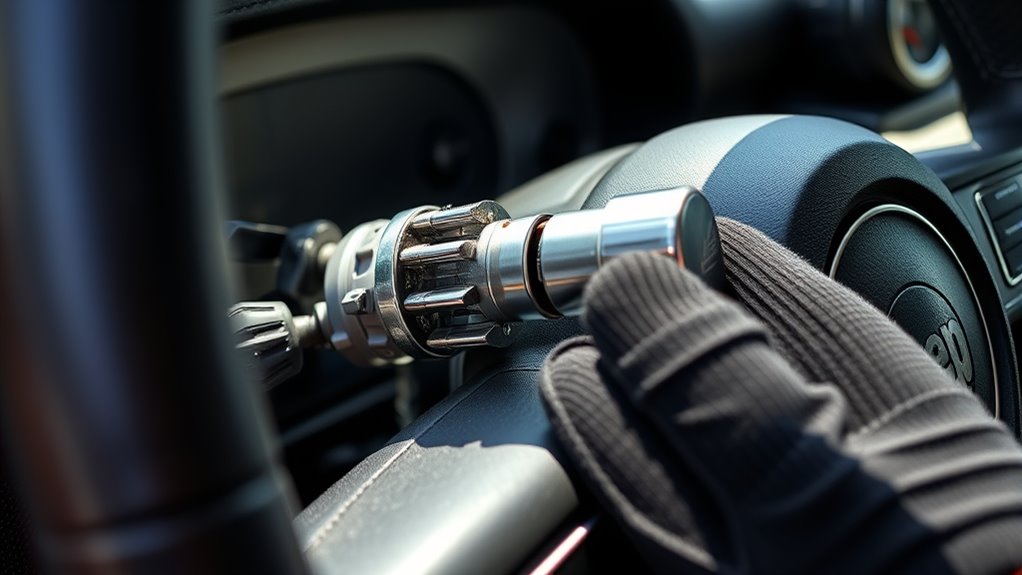
If your Jeep Wrangler’s ignition key is getting hard to turn or sticking more than usual, it’s a sign that your lock cylinder might be failing. Ignoring this can lead to bigger issues, like being locked out or not starting at all.
Replacing your ignition cylinder now can prevent more damage and keep your vehicle secure. Regular maintenance, like interior detailing, helps you spot these problems early and keeps your Jeep in top shape.
While you’re at it, consider tire rotation to improve handling and prolong your tires’ lifespan. Addressing the ignition issue promptly can save you money and time later on.
Waiting too long could result in complete lock failure, leaving you stranded. Taking action now ensures your Jeep runs smoothly and safely, giving you peace of mind on the road.
Tools and Replacement Parts You’ll Need for the Job
Before you start replacing the ignition lock cylinder, gathering the right tools and replacement parts is essential to guarantee a smooth process.
You’ll need basic hand tools like a screwdriver set, including Phillips and flat-head screwdrivers, to remove panels and access the cylinder.
A socket wrench with appropriate sizes will help loosen and remove bolts. An ignition switch may also be needed if the old one isn’t reusable.
Having a replacement ignition lock cylinder designed for your Jeep Wrangler ensures compatibility.
If you’re transferring your key, consider key copying to replicate your existing keys or program new ones.
Some kits include key cutting tools that streamline this process.
Finally, a trim removal tool makes it easier to pry panels without causing damage.
Being prepared with these tools and parts saves time and reduces frustration, so you can replace the ignition lock cylinder efficiently and correctly.
Disconnect Your Battery for Safety Before Starting
Since working with the ignition system involves electrical components, it’s important to disconnect your vehicle’s battery to prevent accidental shorts or shocks.
This step is crucial for battery safety because it reduces the risk of sparks that could cause injury or damage.
Before you start, make sure you have your tools ready, like a socket wrench and safety gloves, so you’re prepared.
Locate the negative terminal of the battery, which is usually marked with a minus sign (-). Use a wrench to loosen the connection.
Carefully remove the terminal clamp, making sure it doesn’t touch any metal parts.
Disconnecting the negative terminal first is necessary to avoid accidental electrical contact.
Once the negative terminal is off, you can proceed with replacing the ignition lock cylinder.
Always double-check that the battery is disconnected before handling any electrical components to stay safe.
Step-by-Step: Removing the Old Ignition Lock Cylinder
Sure! Here’s a more conversational version of the text:
—
To get started, you’ll want to access the old ignition lock cylinder first. It might take a little patience, but don’t worry — just take your time. Once you’ve got clear access, you can begin the process of removing it.
Next, carefully follow the steps to take out the cylinder. It’s important to be gentle so you don’t accidentally cause any damage. Just go slow and pay close attention to what you’re doing. With a bit of patience and a steady hand, you’ll be able to remove the old ignition lock cylinder smoothly and seamlessly.
Accessing the Ignition Lock Cylinder
Here are the key steps:
- Carefully remove the steering column covers to get to the ignition housing.
- Find the retaining pin or screw that keeps the lock cylinder in place.
- Use the right tool to press down the pin or unscrew the fastener.
- Gently slide the old cylinder out, being careful not to damage nearby wires or parts.
This access will make the removal easier and help prevent any damage during the replacement.
Removing the Cylinder Properly
Have you identified the retaining pin or screw securing the ignition lock cylinder? Once you find it, carefully remove it using the right tool. This step is important for smoothly taking out the cylinder without damaging any nearby parts.
If your Jeep has ignition lock options or aftermarket security choices, be sure to follow the specific removal instructions for your model. Gently wiggle the cylinder while pulling it out—avoid using too much force, which could cause damage.
Keep track of all parts, including small pins or clips, so you can reinstall everything properly. Removing the old cylinder carefully now ensures your new ignition lock cylinder installs smoothly and works securely.
Getting this right saves you time later and helps keep your vehicle secure with your chosen aftermarket solutions.
How to Properly Insert Your New Ignition Lock Cylinder
First off, grab your key and line it up with the new ignition lock cylinder. Make sure they match up so everything fits just right. Then, gently slide the cylinder into the steering column, ensuring it’s fully seated—that means it’s pushed in all the way without any wobbling.
Once it’s in, give the key a little turn to see if everything moves smoothly. If it turns easily, you’re golden! If not, double-check that the cylinder is properly aligned and fully inserted before you finish up.
Align Key and Cylinder
Before inserting your new ignition lock cylinder, make sure the key is in the off position to prevent damage. Properly aligning the key and cylinder is key for smooth operation. Start by inserting the key and turning it gently to check if the key alignment matches the cylinder’s internal position. This helps avoid issues with cylinder calibration later.
To make things easier:
- Confirm the key fits smoothly without resistance.
- Ensure the key turns to the “run” position without forcing it.
- Check that the cylinder and ignition switch are lined up correctly.
- Rotate and gently test the key’s functionality before fully securing everything.
Taking these steps ensures your ignition engages properly and keeps your lock cylinder working smoothly for a long time.
Turn Key Carefully
Once the ignition lock cylinder is properly aligned, carefully insert the key into the new cylinder. Gently turn the key to check for smooth turning without resistance.
Avoid forcing the key, because that can damage the lock or compromise ignition safety. Proper turning confirms that the cylinder is correctly engaged and working well.
If the key doesn’t turn easily, double-check the alignment and try again, making sure the cylinder is fully seated.
Steady, deliberate turns help prevent damage and ensure reliable ignition safety. Once the key turns smoothly, you’re ready to secure the assembly and test the ignition.
Being patient during this step can reduce the risk of problems later and ensure your replacement works properly.
Securing and Testing the New Ignition Lock Cylinder
After installing the new ignition lock cylinder, it’s important to make sure it’s secured properly before testing how it works. Check that the cylinder turns smoothly with your key to confirm it fits correctly and engages properly. Also, make sure the lock is tight and doesn’t wobble or feel loose, since that can affect ignition security.
Here’s what you should do next:
- Make sure the ignition cylinder is flush with the steering column.
- Test that the key turns easily in both the off and on positions.
- Gently try to move the cylinder without a key to check the lock’s resistance.
- Ensure the key stays securely in place when turning the ignition.
Following these steps helps verify that your ignition is secure and your key functions correctly. Proper securing and testing can prevent future problems and keep things safe. Always double-check everything before starting your vehicle to avoid unnecessary issues.
Troubleshooting Common Problems During Installation
During the installation of the new ignition lock cylinder, you might run into some common issues that can disrupt the process or affect how it works. A frequent problem is misaligning the cylinder, which can compromise ignition security.
Make sure the lock cylinder lines up properly with the steering column. This helps ensure smooth operation and avoids future problems. Another common concern is poor lock cylinder durability, often caused by not fully engaging it or forcing it into place.
If it feels tight or sticks, double-check the alignment before applying more pressure. If the key turns hard or doesn’t turn at all, it might be a sign of a misfitted or damaged lock cylinder that’s affecting ignition security.
Always verify that the new cylinder fits securely and moves smoothly. Spotting and fixing these issues early on helps keep your Jeep’s ignition secure and makes sure the lock works reliably over time.
Tips to Maintain Your Jeep Wrangler’s Ignition System
Want to keep your Jeep Wrangler’s ignition system in top shape? It’s pretty simple—just take a little time to check your keys regularly. Look for any signs of wear or damage because worn keys can cause starting troubles.
Also, don’t forget to keep the ignition components themselves clean. Dirt and debris can sneak in and mess with how smoothly your Jeep starts. Taking care of these small things can really make a big difference, helping your ignition last longer and avoiding those annoying surprises when you turn the key.
Regular Key Inspection
Regularly inspecting your Jeep Wrangler’s ignition key is important to keep everything running smoothly. Worn or damaged keys can cause problems with the lock mechanics and make starting your vehicle tricky.
Check your key for signs of wear, like bending or corrosion. A worn key might slip or stick, which can damage the lock cylinder over time.
Regular inspections can help you catch issues early before they turn into big problems. Look for visible signs of wear or bending on the key.
Test how smoothly the key inserts and removes from the ignition. You want it to turn easily without using too much force.
Also, check for corrosion or buildup, which can interfere with the key’s function. Keeping your key clean and in good shape helps prevent future headaches.
Keep Ignition Components Clean
Keeping your Jeep Wrangler’s ignition components clean is key for smooth operation and avoiding starting problems. Dirt, dust, and debris can mess with ignition safety and make the lock cylinder stick or fail.
Regularly check the ignition area and use a soft brush or compressed air to clear away grime. Just steer clear of harsh chemicals that might damage the lock cylinder or wiring.
Proper lock cylinder lubrication is also important. Applying a small amount of graphite-based lubricant helps keep everything moving freely and prevents wear. Well-maintained ignition parts reduce the chance of lock jamming and ensure your Jeep starts reliably.
Keeping everything clean not only makes your ignition last longer but also boosts safety, so your Jeep is dependable no matter the situation.
Signs You Need Professional Help With Ignition Lock Replacement
When your ignition lock starts acting up, it’s easy to brush it off as a minor annoyance. But ignoring persistent problems can lead to bigger issues down the line.
If you notice any of these signs, it’s a good idea to get professional help with your ignition lock replacement:
- Your key fob or ignition switch feels stuck or won’t turn smoothly.
- The engine doesn’t start even when you turn the key or press the key fob button.
- You have to jiggle or tilt the key to turn the ignition.
- The ignition lock cylinder feels loose or wobbly when you turn it.
These issues often point to a worn-out ignition lock cylinder or problems with the key fob or ignition switch.
Ignoring these signs can result in your vehicle refusing to start or leaving you stranded. For safety and peace of mind, it’s best to have a professional inspect and replace your ignition lock properly.
When to Call a Mechanic for Your Jeep’s Ignition Repair
If your Jeep’s ignition has trouble turning the key, stalls frequently, or the engine won’t start even after many tries, it’s time to call a mechanic. Ignition problems can be tricky and often involve complex electrical or mechanical issues that need professional diagnosis.
If you notice the key gets stuck or aftermarket accessories interfere with the ignition system, don’t try to fix it yourself. Leave it to the experts to avoid causing more damage.
Thinking about customizing your Jeep with new colors or accessories? Before doing so, check with a mechanic to make sure it won’t affect your ignition setup. They can help you avoid potential problems down the road.
DIY fixes might look tempting, but ignition repairs usually require special tools and knowledge. Trying to fix it yourself could end up causing more issues or risking safety.
Getting professional help promptly will save you money and prevent further complications. It’s the best way to keep your Jeep running smoothly and avoid unnecessary headaches.
Frequently Asked Questions
Will Replacing the Ignition Lock Cylinder Affect Your Warranty?
Replacing your Jeep Wrangler’s ignition lock cylinder can impact your warranty if it’s considered an unauthorized repair. It’s important to check for warranty implications and manufacturer restrictions before making any changes.
If you do the repair yourself or use an independent mechanic, you might risk voiding some coverage. To keep things simple and safe, consider having the replacement done at an authorized service center.
Doing so helps ensure you stay within the manufacturer’s guidelines and protects your warranty coverage in the long run.
Can You Reprogram Your Key After Replacing the Lock Cylinder?
Surprisingly, yes, you can reprogram your key after replacing the lock cylinder.
It might seem simple to swap out the cylinder, but getting the key programming right is crucial.
You’ll need to identify the correct cylinder and then perform the key programming to match the new lock.
Without doing that, your new cylinder and key might not work together properly, turning a quick fix into a frustrating puzzle.
Is It Possible to Replace the Ignition Lock Cylinder Without a Key?
Yes, you can replace the ignition lock cylinder without a key, but it’s a bit tricky. You’ll need to do a key extraction if the key is broken or missing, which is best left to a locksmith.
They can carefully remove the lock cylinder and replace it for you without damaging the steering column. It’s always best to get professional locksmith help to make sure everything goes smoothly and safely, especially if you don’t have a key.
How Long Does the Ignition Lock Cylinder Replacement Process Typically Take?
Replacing your ignition lock cylinder usually takes about 30 minutes to an hour, depending on your experience and tools.
During this process, you’ll want to focus on ensuring ignition safety and keeping key compatibility in mind. This way, you won’t run into issues with the new part later on.
You’ll need to carefully remove the old cylinder, align the new one properly, and check that the key turns smoothly. This will help ensure reliable starting every time.
Are There Any Specific Model Years With Different Replacement Procedures?
Certain Jeep Wrangler model variations, especially earlier years like 2007-2010, have different ignition cylinder replacement procedures compared to newer models.
You need to be aware of these model differences because the components, screws, and steps may vary. Always consult your specific vehicle’s repair manual.
Different model years introduce unique challenges that require tailored approaches for removal, reinstallation, or key recognition. This ensures a smooth and safe replacement process.
Conclusion
Replacing your Jeep Wrangler’s ignition lock cylinder is straightforward, but neglecting it can leave you stranded.
Think of it as fine-tuning your vehicle’s heartbeat, ensuring reliability and security. A simple upgrade or repair can prevent roadside emergencies.
Sometimes, though, it’s better to leave complex fixes to professionals. Remember, investing in your Jeep’s ignition system isn’t just maintenance.
It’s about safeguarding your freedom on the road, blending craftsmanship with peace of mind. Replacing the ignition lock cylinder keeps your Jeep running smoothly and securely.