How to Do Long-Lasting Maintenance for Your Jeep Compass
Many Jeep Compass owners know the struggle of keeping their vehicle in top shape while balancing a busy schedule. You’re not alone in wanting to extend your car’s lifespan and avoid costly repairs down the road.
Luckily, simple maintenance routines can make a huge difference.
To keep your Jeep Compass running smoothly for years, regularly check and change your oil, inspect brake components, and rotate your tires to guarantee even wear.
Keep an eye on fluid levels and replace filters to boost efficiency, and examine belts and hoses for signs of wear. Don’t forget to maintain your battery and suspension systems.
If you want detailed tips to extend your vehicle’s lifespan, learn more about essential maintenance steps.
Key Takeaways
- Perform regular oil changes and fluid checks to keep engine components well-lubricated and prevent wear.
- Schedule routine inspections for brakes, tires, belts, and hoses to catch issues early and ensure safety.
- Keep up with tire rotations, alignments, and maintaining proper tire pressure for even wear and longevity.
- Replace filters like air, fuel, and cabin filters regularly to maintain optimal airflow and engine efficiency.
- Inspect and maintain electrical components and battery connections to prevent unexpected breakdowns.
Why Regular Jeep Compass Maintenance Extends Its Life
Regular maintenance is key to keeping your Jeep Compass running smoothly and reliably for years to come. One important reason to stay consistent is that proper tire pressure ensures even wear, improves fuel efficiency, and prevents blowouts. When tires are correctly inflated, your vehicle handles better, and you reduce the risk of costly repairs.
Maintaining proper tire pressure improves safety, fuel efficiency, and helps prevent costly repairs for your Jeep Compass.
Furthermore, regular engine diagnostics help catch potential issues early before they turn into serious problems. By monitoring engine performance, you can identify misfires, sensor failures, or other anomalies that could cause long-term damage.
When you perform routine checks, you’re taking proactive steps to extend your Jeep’s lifespan. This regular oversight minimizes wear and tear, maximizes safety, and boosts overall reliability.
Maintaining ideal tire pressure and conducting engine diagnostics regularly are simple yet effective ways to prevent unexpected breakdowns, keep your costs down, and enjoy a smoother, safer ride over the years.
How to Check and Change Your Oil for Engine Health
First, you’ll want to locate the engine oil spot under your Jeep Compass and pull out the dipstick. Once you have it out, wipe it clean with a cloth, then dip it back in and pull it out again to check the oil level. Just make sure the oil is within the recommended range. If it’s a little low, you can add some oil—just be careful not to overfill.
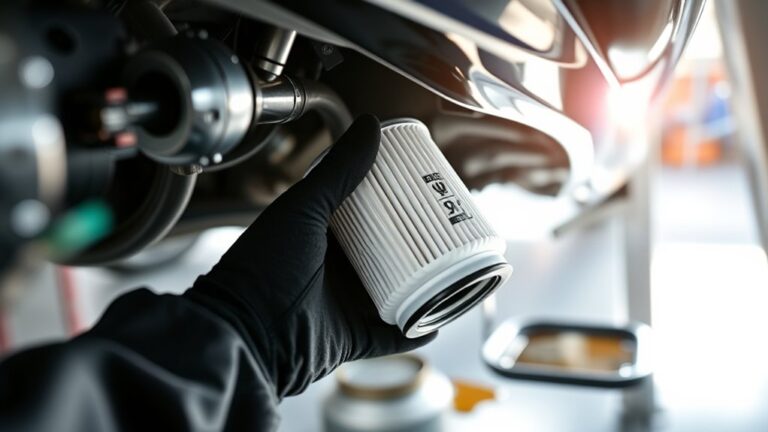
When it’s time to change the oil, it’s best to follow the proper steps to keep your engine in good shape. This typically means draining the old oil, replacing the oil filter, and adding fresh oil. Doing it right helps your engine run smoothly and keeps everything running efficiently.
Locate Engine Oil Spot
Have you ever wondered how to find the engine oil spot on your Jeep Compass? Locating the oil leak or excess engine oil requires careful inspection.
First, look underneath the vehicle for fresh, dark spots. This indicates a possible oil leak. Next, check the engine area, focusing on seals and the oil filter as common leak sources.
Remember, engine oil can sometimes drip after driving, so examine the ground and engine bay thoroughly. Use a flashlight if needed to spot smaller leaks.
Identifying where the oil is accumulating helps you gauge if it’s a minor seal issue or something more serious. Regularly inspecting these spots guarantees your engine stays healthy.
Early detection saves you from costly repairs later.
Check Oil Level Properly
Wondering how to keep your engine running smoothly? Checking your oil level is key for maintaining your Jeep Compass’s engine health. Regular inspections help make sure the oil stays within the recommended range on the dipstick.
Do this weekly or follow your maintenance schedule. Park your vehicle on level ground, turn off the engine, and wait a few minutes. Then, remove the dipstick, wipe it clean, and reinsert it fully.
Pull out the dipstick again and check the oil level. It should be between the minimum and maximum marks. If the oil is low, add the correct type to top it off.
This simple habit helps prevent engine damage and keeps your vehicle running smoothly.
Change Oil Correctly
To keep your engine running smoothly, it’s important to check and change your oil at the right times. Always use the correct oil viscosity specified in your owner’s manual.
Before draining the oil, warm up the engine to help the oil flow better. Let the engine cool down afterward to avoid burns.
Check the oil color—clean oil should be amber or light brown. Dark, gritty oil means it’s time for a change. Don’t forget to use a proper drain pan and replace the oil filter to keep contaminants out.
Be sure to dispose of used oil properly to protect the environment.
- Use the recommended oil viscosity for your engine
- Warm up the engine before changing oil
- Check oil color and level regularly
- Replace oil filter with every oil change
- Properly dispose of used oil
Inspect and Replace Brake Components to Stay Safe
Regularly inspecting and replacing your Jeep Compass’s brake components is crucial for keeping you safe on the road. Brake maintenance means checking the brake pads, rotors, calipers, and brake fluid for any signs of wear or damage during routine safety checks.
Worn brake pads can reduce your stopping power and increase the distance needed to stop. It’s best to replace them before they get too thin. Also, look at the rotors for grooves, cracks, or warping, as these can affect how well your brakes work.
Be sure to check the brake fluid level and its condition. Old or contaminated fluid can make your brakes less effective. If you’re unsure about any issues, it’s a good idea to see a mechanic for a thorough safety inspection.
Replacing worn parts on time helps ensure your brakes operate properly. This can prevent accidents and save you money on costly repairs in the long run.
Keep up with brake maintenance regularly, especially if you notice squealing sounds, a decrease in braking response, or vibrations when applying the brakes. Well-maintained brakes are essential for your safety and that of your passengers.
Rotate and Align Your Tires for Better Wear and Handling
Rotating and aligning your Jeep Compass’s tires is key to getting even wear and better handling. Regular tire rotation can prevent uneven wear, helping your tires last longer and providing better traction.
Wheel alignment makes sure your tires contact the road properly, which leads to a smoother ride and more responsive steering. To keep your vehicle in top shape, stick to the recommended tire rotation schedule—usually every 5,000 to 8,000 miles—and have a professional do a wheel alignment if you notice steering issues or uneven tire wear.
Remember to follow the manufacturer’s recommended rotation pattern and check tires for uneven wear. If your handling feels off, it’s a good idea to schedule a wheel alignment. Also, during rotations, check tire pressure to promote even wear.
Keep detailed records of each rotation and alignment to track your tire maintenance. Proper tire care not only keeps you safer on the road but also helps your tires last longer and perform better.
Maintain Your Battery and Electrical System Reliability
Keeping your Jeep Compass’s battery and electrical system in top shape is key for reliable starts and smooth driving.
Regularly cleaning the battery helps remove dirt, corrosion, and debris that can drain your battery or cause electrical issues. Use a wire brush and a mixture of baking soda and water to clean the terminals, then rinse with water and dry thoroughly.
Regular battery cleaning prevents corrosion and electrical issues, extending your Jeep’s performance and reliability.
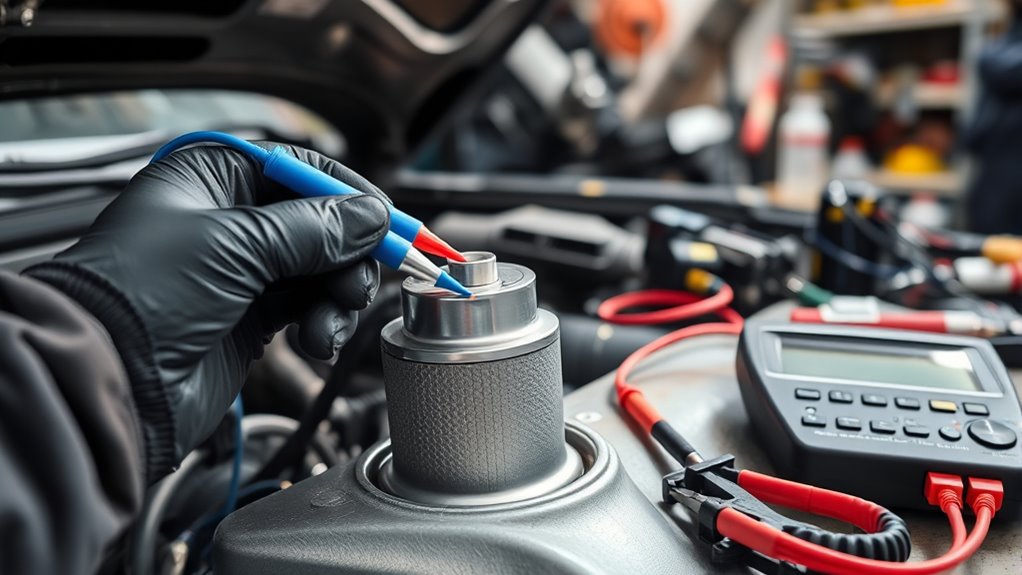
Getting an electrical check is also important. Inspect for loose or corroded connections, damaged wires, or worn-out fuses. When doing these checks, use a multimeter to check the battery and system voltage to catch potential problems early.
Keeping terminals tight and clean, and verifying electrical connections will prevent surprises on the road. Staying proactive with battery cleaning and electrical checks will improve reliability, extend battery life, and help avoid unexpected breakdowns.
All this helps your Jeep run smoothly in the long run.
Check and Flush Fluids: Coolant, Transmission, and Power Steering
Checking and flushing your Jeep Compass’s coolant, transmission fluid, and power steering fluid is essential for keeping it running smoothly and avoiding costly repairs.
A healthy coolant system prevents overheating, while fresh transmission fluid helps your vehicle shift smoothly. Proper power steering fluid keeps steering responsive and reduces wear on parts.
It’s important to regularly check fluid levels, their color, and look for leaks around the reservoirs. Make sure to replace coolant every 2-3 years or as your owner’s manual recommends.
Flush your transmission fluid according to the schedule in your manual to remove dirt and old lubricant. Keep your power steering fluid clean and topped off for reliable steering.
Maintaining these fluids not only boosts your vehicle’s reliability but also improves safety and extends its lifespan. Keeping an eye on your Jeep’s coolant system and power steering fluid can prevent overheating and steering issues, making your drive smoother and problem-free.
Replace Air, Cabin, and Fuel Filters to Boost Performance
Keeping your filters clean is super important if you want your Jeep to run at its best and breathe easy inside. Swapping out the air, cabin, and fuel filters might sound a bit technical, but honestly, it’s pretty straightforward and doesn’t take much time. Doing this regularly helps prevent dirt and debris from clogging things up, so your engine stays happy and your interior air stays fresh. Plus, it keeps your Jeep running smoothly and saves you from bigger, more costly repairs down the road.
Importance of Clean Filters
Regularly replacing your Jeep Compass’s filters is essential for keeping your vehicle running smoothly. Clean filters help improve the air quality inside the cabin, making your driving experience more comfortable.
They also protect your engine and boost fuel efficiency, saving you money in the long run. When filters get dirty or clogged, the air quality drops and your engine has to work harder, which can lead to damage.
By keeping filters fresh, you ensure smoother operation and help prevent costly repairs. It’s a simple step that makes a big difference in your vehicle’s performance.
- Maintain ideal air quality inside your vehicle
- Improve engine performance and longevity
- Save on fuel costs with efficient filters
- Prevent dust, pollen, and debris from circulating
- Reduce strain on your engine and other parts
Proper Filter Replacement Steps
Replacing your Jeep Compass’s filters at the right intervals keeps your vehicle running efficiently and helps maintain a comfortable driving environment. Start by locating the air filter, usually behind the glove compartment or under the hood, and remove the cover.
Take out the old air filter and insert a new one, making sure it fits snugly. Next, for the cabin filter, access it through the glove box or duct panel, then carefully remove and replace it with a fresh filter.
Check the fuel filter as well, following your owner’s manual for its location and replacement procedure. Regularly replacing the air filter and cabin filter improves airflow and cabin air quality.
A new fuel filter guarantees ideal fuel flow. Proper filter maintenance boosts performance and prolongs your Jeep’s lifespan.
Monitor Belts and Hoses to Prevent Sudden Breakdowns
Because belts and hoses are essential for your Jeep Compass’s proper functioning, it’s important to check them regularly to catch signs of wear early. Regular belt inspections can help spot cracks, fraying, or glazing, which means it’s time to replace the belt.
Hoses should be inspected for leaks, bulges, or soft spots that indicate they’re deteriorating. Ignoring these components can lead to sudden breakdowns, like overheating or losing power steering.
Make it a habit to visually check your engine bay, especially around belts and hoses. Replace worn hoses quickly to prevent coolant or oil leaks. Keep an eye on drive belt tension to avoid slipping.
Use your owner’s manual for recommended intervals on belt checks and hose replacements. Address any issues immediately to extend the lifespan of your parts and keep your Jeep reliable.
- Check for cracks, fraying, or glazing on belts.
- Look for leaks, bulges, or soft spots on hoses.
- Watch for unusual engine noises or overheating.
- Inspect visually for signs of wear.
- Check drive belt tension regularly.
Keep Your Suspension and Drivetrain in Top Condition
Maintaining your suspension and drivetrain guarantees your Jeep Compass handles smoothly and stays dependable on different roads.
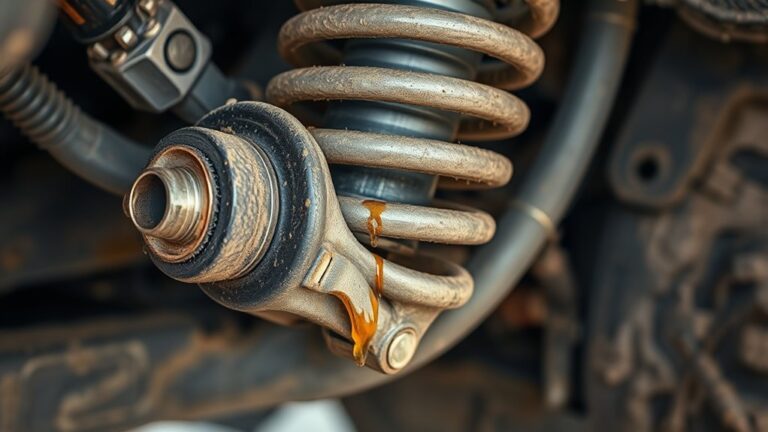
Regular suspension upgrades can improve your ride comfort, handling, and stability—especially if you’ve felt bumps or an uneven ride.
Upgrading your suspension enhances ride comfort, handling, and stability on uneven roads.
Watch out for signs like uneven tire wear or delayed responses, which can indicate your suspension needs attention.
Drivetrain care is just as important; make sure your transmission, driveshaft, and differentials are well-lubricated and free of damage.
Routine inspections help catch leaks or worn parts early before they turn into bigger problems.
Keeping your drivetrain in good shape boosts fuel efficiency and helps you avoid expensive repairs later.
Don’t overlook these areas because they directly affect your vehicle’s performance and safety.
Schedule regular check-ups, listen for strange noises, and replace worn parts quickly.
Staying on top of suspension and drivetrain maintenance keeps your Jeep Compass running reliably for the long haul.
Prepare Your Jeep Compass for Winter or Summer Hazards
As seasons change, making sure your Jeep Compass is ready for winter or summer hazards helps it perform safely and reliably. Preparing your vehicle proactively can prevent breakdowns and guarantee safe driving conditions.
Start by checking your tire pressure. Proper inflation improves traction and fuel efficiency. During winter, increase pressure slightly to compensate for temperature drops, and in summer, make sure tires aren’t overinflated.
Keep your windshield washing system in top shape. Top off the washer fluid with an appropriate, all-season mix, and inspect windshield wipers for wear. Clear visibility is essential in extreme weather.
Also, examine the cooling system to prevent overheating in summer or freezing in winter. Finally, verify that your antifreeze levels and heating or cooling systems work correctly.
These simple checks keep your Jeep Compass prepared for whatever weather you face.
- Check tire pressure regularly and adjust for seasonal changes
- Top off windshield washing fluid with an all-season or winter blend
- Inspect wiper blades for wear and replace if necessary
- Ensure the cooling and heating systems are functioning properly
- Keep an emergency kit handy for winter or summer roadside needs
Frequently Asked Questions
How Often Should I Schedule Professional Maintenance Visits for My Jeep Compass?
You should schedule professional maintenance visits for your Jeep Compass every 5,000 to 7,500 miles.
During these visits, make sure to get a tire rotation to promote even tire wear and an oil change to keep your engine running smoothly.
Regular checks might also include brake inspections and fluid level assessments.
Sticking to this schedule can help maintain your vehicle’s performance and extend its lifespan.
Are There Specific Indicators That Suggest My Jeep Needs Urgent Repairs?
Ever wondered if your Jeep needs urgent repairs? If you notice the battery health declining, warning lights flashing, or strange noises that keep happening, those are clear signs you should pay attention to.
Also, if your tire pressure is consistently low or the tires look uneven, it’s a good idea to check things out. Sudden leaks, vibrations, or engine trouble shouldn’t be ignored either.
Regularly keeping an eye on these indicators can help you catch issues early. That way, you can keep your Jeep running smoothly and avoid bigger problems down the road.
What Are the Best Practices for Cleaning and Caring for My Jeep’s Interior?
For your Jeep’s interior, focus on regular detailing to keep everything fresh. Start by vacuuming the seats and carpets to pick up dust and debris.
Next, use a damp cloth to clean the dashboard, removing dust and grime. Be gentle around screens and use a safe cleaner for them to avoid damage.
Don’t forget to clean the vents and door panels—they can collect a lot of dust over time. Applying a protectant on plastic surfaces helps prevent cracking and keeps things looking new.
Regular care not only maintains your Jeep’s appearance but also helps extend the lifespan of its interior.
Can I Upgrade Parts to Improve My Jeep’s Longevity and Performance?
Yes, you can upgrade parts to boost your Jeep Compass’s longevity and performance. Many owners find aftermarket upgrades and performance improvements cost-effective ways to extend vehicle life while boosting capabilities.
Invest in high-quality components, such as upgraded filters or suspension parts, to reduce wear and improve ride quality. Keep in mind, some modifications may impact warranty coverage, so choose wisely.
It’s a good idea to consult professionals to get the best results and ensure your upgrades are compatible with your vehicle.
How Do Weather Conditions Impact My Jeep’s Maintenance Needs?
Weather conditions can really affect your Jeep Compass’s maintenance needs. Cold temperatures can make fluids thicker and cause battery problems, so it’s a good idea to check your maintenance schedule more often during winter.
Hot and humid weather can speed up rust and wear on your vehicle’s exterior parts. Rain and snow also increase the risk of corrosion, so make sure your seals and undercarriage are well-maintained.
Adjust your routine based on the climate to keep your Jeep running smoothly all year round.
Conclusion
Think of your Jeep Compass as a trusted companion on life’s journey. Giving it regular care and attention isn’t just maintenance—it’s strengthening your bond with your vehicle.
When you stay vigilant and proactive, your Jeep will continue to carry you safely through countless horizons. Treat it well, and it’ll be your faithful navigator, turning every drive into a memorable story.
Keeping up with the right maintenance for your Jeep Compass will ensure it stays reliable and ready for whatever adventure comes next.