Does My Car Need Alignment After Changing Shocks
Many car owners worry about the long-term effects of changing shocks and whether they need an alignment afterward. You’re not alone—this is a common concern for drivers looking to keep their vehicles in top shape.
Yes, your car generally needs an alignment after changing shocks. When shocks wear out or are replaced, the suspension can shift, causing uneven tire wear and handling problems.
Proper alignment ensures your tires contact the road evenly and your steering remains precise. Ignoring this step can lead to safety issues, faster tire wear, and suspension damage.
If you want to learn how to spot signs and guarantee your vehicle stays safe and smooth, keep going.
Key Takeaways
- Yes, it’s a good idea to get an alignment within a few hundred miles after changing shocks. This helps ensure proper handling and even tire wear.
- If your vehicle starts pulling to one side or you notice uneven tire wear after replacing shocks, an alignment is definitely needed.
- Replacing shocks can change suspension angles, so getting an alignment is important for safety and a smooth ride.
- Keep an eye on your tires for uneven wear and check how your steering feels. These can be signs you need an alignment.
- Doing an alignment along with shock replacement helps protect your suspension parts and keeps your vehicle handling properly over the long run.
Should You Get an Alignment After Replacing Shocks?
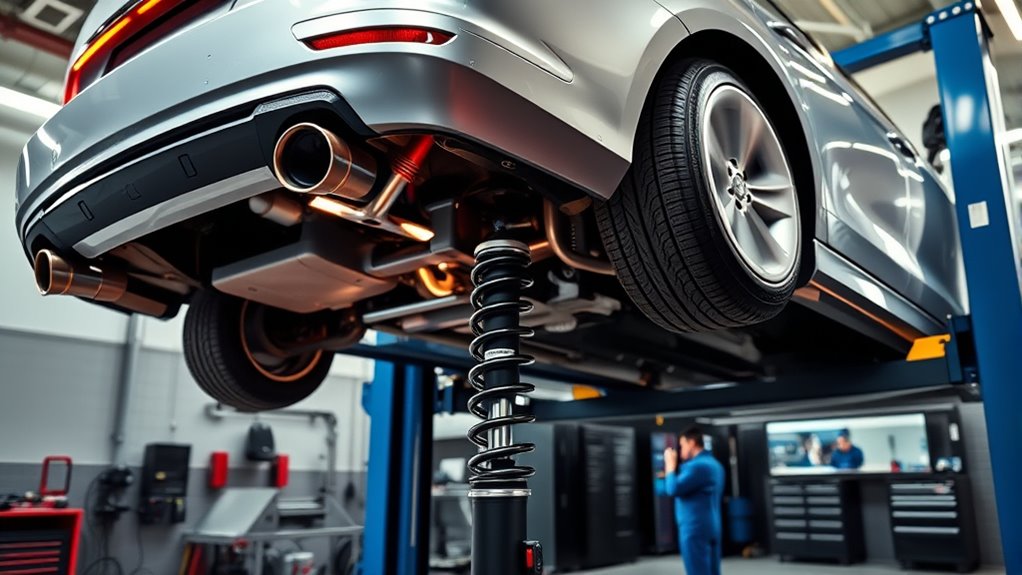
If you’ve just replaced your shocks, it’s a good idea to get an alignment. Shocks can influence your vehicle’s handling, and an alignment makes sure your tires wear evenly and your steering stays precise.
Before your appointment, consider scheduling a tire rotation. It helps maximize tire lifespan and grip. Proper alignment also ensures your tires contact the road correctly, which improves safety.
It’s also a good idea to have a brake inspection at the same time. Worn shocks can impact brake performance. When the mechanics check your alignment, they’ll look at suspension parts and steering angles, making any needed adjustments.
This thorough check-up helps prevent uneven tire wear and can reveal other issues early. Remember, getting an alignment after replacing shocks not only boosts your driving comfort but also extends the life of your tires and brakes. This can save you money in the long run.
How Worn Shocks Can Impact Your Suspension and Alignment
Worn shocks can seriously disrupt your vehicle’s suspension system, making handling and stability worse. When shocks wear out, they can cause uneven tire wear and make your ride feel bouncy or unpredictable.
Worn shocks impair handling, cause uneven tire wear, and make your ride bouncy and unpredictable.
This wear can also confuse suspension diagnostics, making it trickier to find the real issues. Since shocks absorb road bumps and keep your tires in contact with the road, their failure affects your alignment over time.
If your shocks are past their prime, they won’t control suspension movement properly. This can shift suspension angles and cause misalignment. Shock manufacturers design their components to work together with other suspension parts, but worn shocks weaken this harmony.
Replacing shocks without fixing the alignment can lead to uneven wear and handling problems down the road. So, it’s important to understand how worn shocks impact your suspension’s performance. Proper diagnostics and part choices are key to keeping your vehicle stable and safe.
Signs Your Car Needs an Alignment After Changing Shocks
After replacing your shocks, it’s important to watch for signs your vehicle might need an alignment. If your steering feels off, like pulling to one side or the wheel feeling crooked, that’s a clear sign you should get an alignment checked.
Uneven or rapid tire wear, especially on the edges, also indicates misalignment. Poor handling or vibrations during driving can be linked not only to shocks but also to improper wheel balancing or tire rotation issues.
When your tires aren’t properly balanced, it can cause uneven wear, which may seem like alignment problems. Regular tire rotation helps prevent this, but if you notice steering issues or uneven tread patterns despite rotating, an alignment is likely needed.
Addressing these signs early can prevent further tire damage and improve your vehicle’s handling. This ensures your shocks, wheel balancing, and alignment work together for a safer, smoother ride.
Common Oversights When Replacing Shocks and Considering Alignment
Replacing shocks often seems straightforward, but overlooking certain steps can cause issues with your vehicle’s alignment and handling. One common mistake is forgetting to check the interior suspension components connected to the shocks, especially if they’re worn or damaged.
This can impact your alignment if neglected. Many owners also forget to assess tire conditions and balance when replacing shocks, which can lead to uneven tire wear and steering problems.
Poor interior maintenance can cause you to overlook issues with steering linkages or sensor calibrations needed for proper alignment. Ignoring these details might affect your vehicle’s performance over time.
Additionally, many forget to consider how suspension issues can impact engine performance. Misalignment can cause uneven tire pressure, strain on the engine, and lower fuel efficiency.
When replacing shocks, it’s essential to double-check all related components to ensure proper alignment. Missing this step could hurt handling, shorten tire life, and even affect how well your engine runs.
Risks of Ignoring Alignment After Shock Replacement
Ignoring alignment after replacing your shocks can really mess with how your car handles and feels on the road. It might seem minor, but it could make your vehicle harder to control, especially in tricky driving situations.
Plus, if you don’t get the alignment right after replacing shocks, your tires can wear out unevenly and faster. That means you’ll be replacing tires more often, which adds up cost-wise. Overall, skipping out on proper alignment can compromise your safety and comfort every time you get behind the wheel.
Driveability and Safety Risks
If you skip an alignment after changing your shocks, you might compromise your vehicle’s driveability and safety. Misaligned suspension can throw off wheel balance, causing uneven steering and vibrations, especially at higher speeds.
Poor shock performance combined with improper alignment could make your car pull to one side or respond unpredictably to steering. This not only makes driving less comfortable but also raises the risk of accidents.
Ignoring alignment puts extra stress on suspension parts, speeding up wear and potentially leading to costly repairs. Getting your vehicle aligned after replacing shocks restores proper wheel balance and improves shock performance.
Accelerated Tire Wear
When you skip an alignment after changing your shocks, your tires can wear unevenly and much faster than they should. This quick wear not only shortens your tire’s life but also raises the chances of blowouts or losing grip on the road.
To avoid this, make sure to rotate your tires regularly. This helps promote even wear across all tires.
It’s also a good idea to get a professional brake check. Worn brakes can impact your tire alignment and cause uneven tread wear.
Keep an eye on your tire tread for any signs of uneven wear or bald spots. Catching problems early can save you money and improve safety.
Lastly, get a proper wheel alignment. This makes sure your tires stay in contact with the road evenly, which helps your tires last longer and keeps your vehicle running smoothly.
Ignoring alignment issues can lead to costly replacements and put your safety at risk. Plus, it can make your fuel economy worse.
Following these steps helps keep your tires in good shape and your vehicle performing its best after changing your shocks.
Reduced Vehicle Handling
Failing to get a proper wheel alignment after replacing your shocks can seriously impact your vehicle’s handling and stability. Misaligned wheels lead to uneven tire pressure, which hurts traction and makes steering feel less responsive.
You might notice your car pulling to one side or feeling unstable when turning. Poor alignment can also weaken your braking performance, increasing stopping distances and making your car less safe.
When your shocks are replaced without adjusting the alignment, your suspension system is compromised, making it harder to control the vehicle smoothly. This poor handling not only makes driving less comfortable but also risks accidents.
To stay safe and get the best performance, make sure your wheels are properly aligned after replacing shocks. That way, your tires wear evenly and your brakes stay efficient.
When Is a Professional Alignment Necessary?
A professional alignment becomes necessary after certain maintenance tasks or if you notice specific signs of misalignment. Changes like tire rotation or brake inspection can affect your vehicle’s alignment, so it’s a good idea to see the experts if issues come up.
Here are four situations that call for an alignment:
- Your steering feels off or pulls to one side, even after tire rotation.
- You notice uneven tire wear, which can impact handling and safety.
- Hearing strange noises or feeling vibrations during braking or driving.
- After replacing components like shocks, which can change the wheel angles.
Getting a professional alignment ensures your car drives straight, handles properly, and avoids early tire wear. Regular checkups after routine maintenance, like brake inspections, help keep your vehicle in top shape.
If you notice any of these signs, don’t wait—schedule an alignment for a safer, smoother ride.
How Soon After Replacing Shocks Should You Get an Alignment?
After replacing shocks, it’s a good idea to get an alignment relatively soon—usually within a few hundred miles or as soon as you notice handling issues or uneven tire wear. Getting this done quickly helps keep your suspension components aligned and your ride smooth.
Before the alignment, consider having your tires balanced to avoid vibrations and uneven wear. Also, scheduling a brake inspection is smart because new shocks can impact braking performance and safety.
When you visit the shop, ask about these services for a thorough checkup. Keep in mind, misaligned wheels can quickly damage your tires, suspension, and steering.
Getting your alignment checked soon after replacing shocks minimizes long-term damage and helps your vehicle handle predictably. Here’s a quick overview:
| Service | When to Perform | Why It’s Important |
|---|---|---|
| Tire Balancing | Before or after alignment | Prevents vibrations and uneven wear |
| Brake Inspection | Immediately after replacing shocks | Ensures safe braking performance |
| Alignment | Within a few hundred miles | Maintains proper vehicle handling |
How Misalignment Can Damage Tires and Suspension Over Time
Misalignment in your wheels can cause ongoing issues that slowly damage both your tires and suspension system. When your wheels aren’t properly aligned, uneven tire wear happens, leading you to rotate your tires more often.
Wheel misalignment causes uneven wear and long-term damage to tires and suspension.
Over time, this uneven wear shortens your tires’ lifespan and impacts how your vehicle handles. Misalignment can also put extra stress on suspension parts like shocks and struts, speeding up wear and risking costly repairs.
To avoid these problems, make sure to rotate your tires regularly to keep tread wear even. Keep an eye on your brakes — misalignment can affect braking performance too.
Schedule professional alignment checks, especially after replacing shocks. Also, watch for signs like pulling to one side or vibrations, which can point to misalignment.
Ignoring misalignment now means your tires will wear out faster, and your suspension could suffer long-term damage. Fixing alignment issues early will save you money and help keep your vehicle running smoothly.
DIY Tips for Checking Your Alignment After Shock Replacement
Although checking your alignment yourself isn’t as precise as a professional service, you can still do some simple checks for potential issues after changing shocks. Start by inspecting your steering and tracking. If your car pulls to one side or the steering feels uneven, your alignment might be affected.
Also, look for uneven tire wear, which is a good sign of misalignment. Perform a quick visual check for proper tire balancing. Vibrations or uneven wear can suggest imbalance issues that impact alignment.
A brake inspection is helpful too. If braking feels uneven or your car pulls during braking, your alignment could be off. Use these simple checks to catch potential problems early and ensure your vehicle stays in good shape.
The Benefits of Proper Alignment for Safety and Vehicle Longevity
When your wheels are properly aligned, your car handles better and responds more predictably. That means you can drive with more confidence, knowing you’re safer on the road. Plus, it helps prevent uneven tire wear, which can save you a good chunk of money on replacements and repairs down the line.
In the long run, getting your wheels aligned properly also protects other parts of your vehicle. It helps keep everything running smoothly and can really extend the life of your car. So, a little maintenance goes a long way in keeping you safe and saving you money!
Ensures Safe Handling
Proper alignment plays an essential role in ensuring your vehicle handles safely on the road. When your wheels are correctly aligned, you’ll experience better control and a reduced risk of accidents.
Proper alignment helps keep your steering stable, which is especially important during emergency maneuvers. It also reduces strain on your engine by preventing uneven tire wear, helping with maintenance.
Aligned wheels also boost brake performance, so you can stop more effectively and safely. To keep your vehicle safe and responsive, remember these key benefits:
- Better steering response and stability
- Reduced tire wear, which prolongs tire life
- Improved brake performance
- Less strain on engine parts
Ensuring proper alignment is crucial for safe handling, especially after any suspension work like changing shocks.
Extends Vehicle Life
Maintaining correct wheel alignment isn’t just about safety. It’s also a key factor in extending your vehicle’s overall lifespan. Proper alignment reduces uneven tire wear, meaning you’ll need to replace tires less often and enjoy better tire balance.
When your suspension is aligned correctly, your engine tuning stays effective. That improves fuel efficiency and keeps your engine healthier longer. Misalignment can cause uneven tire wear, leading to early replacements and costly repairs.
Regular alignment checks help prevent this and save you money in the long run. Plus, aligning your wheels ensures smoother handling, which decreases stress on engine components and helps them last longer.
Keep in mind:
| Aspect | Benefit | Impact |
|---|---|---|
| Tire balancing | Prolongs tire life | Less frequent replacements |
| Engine tuning | Maintains engine efficiency | Better fuel economy |
| Suspension health | Prevents uneven tire wear | Cost savings |
| Overall longevity | Extends vehicle lifespan | Fewer major repairs |
Frequently Asked Questions
Can the Type of Shocks Affect Whether an Alignment Is Needed?
Yes, the type of shocks can influence whether an alignment is needed. Different shocks, especially if they cause uneven suspension wear or change your vehicle’s height, can impact your alignment.
Proper alignment guarantees ideal suspension function and brake performance. After changing shocks, you should have your alignment checked to prevent uneven tire wear and maintain smooth handling, regardless of shock type.
How Does the Vehicle’s Driving Style Influence Alignment Requirements After Shock Replacement?
Your driving style is the compass guiding your vehicle’s suspension health.
Aggressive maneuvers or sharp turns can cause alignment shifts, so it’s worth checking after shock replacement.
If you tend to drive roughly, your tires may wear unevenly, which can be a sign of misalignment.
Regularly inspecting your alignment helps keep things smooth, extending tire life and maintaining shock performance.
This all keeps your journey steady and safe, no matter how you like to drive.
Is There a Difference in Alignment Needs Between New and Used Shocks?
Yes, there’s a difference in alignment needs between new and used shocks. During shock installation, new shocks often restore your suspension’s integrity, but the alignment process might still be necessary to adjust for proper handling and tire wear.
Used shocks could have wear or damage that impacts alignment. After any shock installation, it’s a good idea to check your alignment to make sure your vehicle handles correctly and stays safe on the road.
Do Different Vehicle Makes and Models Have Specific Alignment Protocols Post-Shock Replacement?
Different vehicle makes and models often require specific alignment protocols after shock replacement, so it’s a good idea to check your owner’s manual or ask a professional.
It’s also helpful to do a tire rotation and brake inspection when you get new shocks installed. These steps help ensure your vehicle handles properly, boost safety, and help your tires and brakes last longer.
Always follow the manufacturer’s recommendations to get the best performance from your vehicle.
How Often Should I Check My Alignment After Replacing Shocks Under Normal Driving Conditions?
You should check your alignment after replacing shocks every 10,000 to 15,000 miles.
Also, keep an eye out for uneven tire wear or steering responsiveness issues.
Regular inspections help ensure your suspension remains aligned.
This can improve handling and extend your tire life.
Watch for symptoms like pulling or vibration.
If you notice these problems, visit a mechanic, even if it’s earlier than your scheduled check.
Conclusion
Just like noticing the first sign of a worn tire or unusual noise, catching subtle alignment issues after replacing shocks can save you trouble down the road.
Don’t wait for a strange ride or tire wear to signal trouble. Get your alignment checked promptly. Sometimes, life’s little coincidences—like unexpected vibrations or crooked steering—are your car’s way of telling you something’s off.
Stay proactive, and your vehicle will thank you with smoother, safer drives. And remember, a wheel alignment after changing shocks is key to keeping everything in proper order.