Do You Need a Torque Wrench for Spark Plugs?
Are you tired of struggling with spark plug installations and worrying about whether you’ve tightened them correctly? You’re not alone—many people find it tricky to get the right torque without overdoing it.
Using a torque wrench for spark plugs can be a game-changer, making the process easier and more accurate.
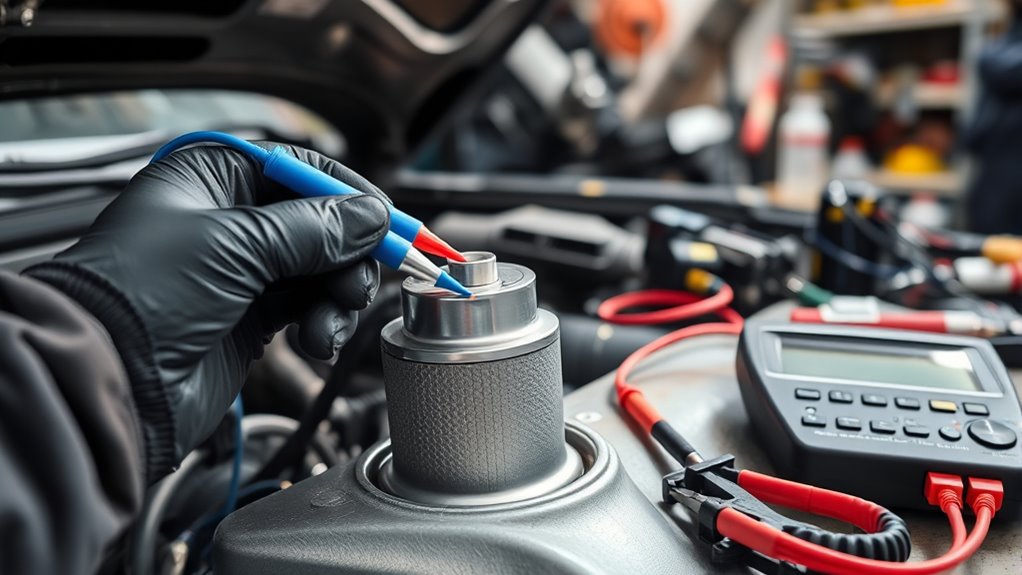
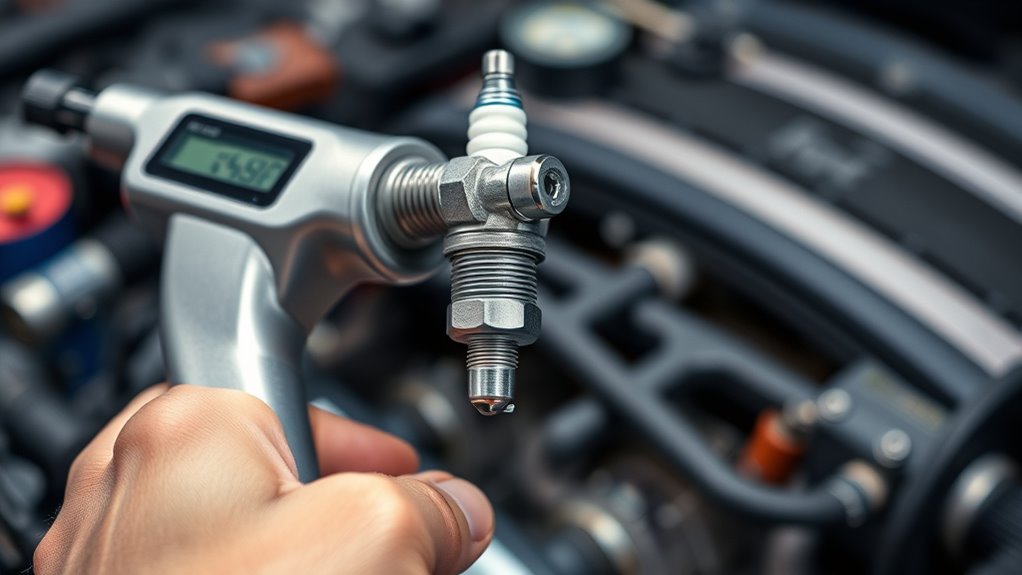
Yes, using a torque wrench for spark plugs is highly recommended. It guarantees you tighten the plugs to the vehicle manufacturer’s specified torque, preventing damage like cracked insulators or stripped threads.
Properly tightened plugs improve engine performance and fuel efficiency, while avoiding misfires. Over-tightening or under-tightening can cause costly issues.
A torque wrench helps you achieve accurate, consistent installation—so if you want to do it right, there’s more to learn below.
Key Takeaways
- A torque wrench makes sure your spark plugs are tightened to the right specifications, helping to prevent damage and keep your engine running smoothly.
- It also helps avoid over-tightening, which can crack insulators or ruin threads, and under-tightening, which can cause misfires.
- Using a torque wrench gives you consistent, accurate torque, which helps your spark plugs last longer and keeps your engine reliable.
- Proper installation with a torque wrench ensures a good seal, boosting fuel efficiency and preventing costly repairs down the line.
- Regularly using a torque wrench when installing or replacing spark plugs improves overall engine safety and performance.
Why Using a Torque Wrench Is Important When Installing Spark Plugs
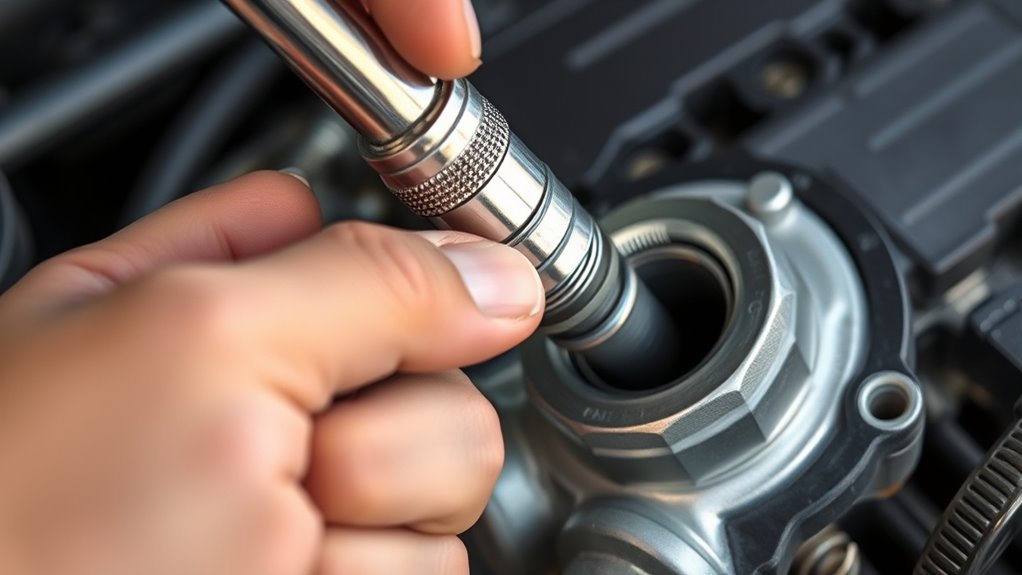
Using a torque wrench when installing spark plugs is essential because it guarantees they are tightened to the manufacturer’s specified torque. Proper tightening is key for ensuring the longevity of spark plug materials and maximum performance of your ignition system.
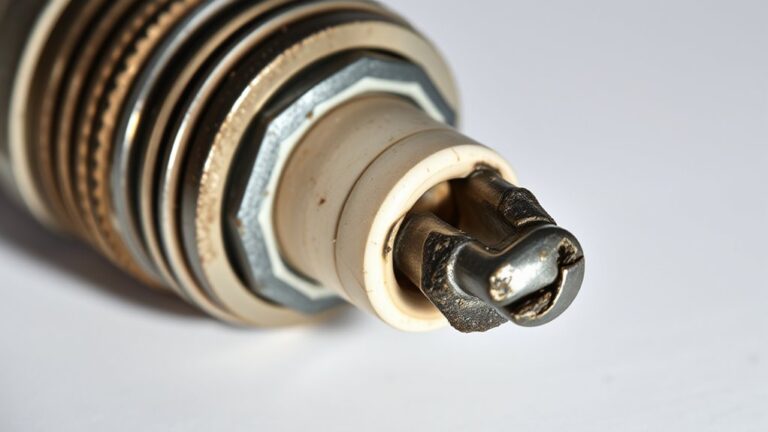
Over-tightening can damage fragile materials like porcelain insulators or metal threads, leading to leaks or misfires. Under-tightening, on the other hand, may cause the spark plugs to loosen, resulting in poor ignition efficiency and reduced engine performance.
A torque wrench helps you achieve consistent, accurate tightening, preventing damage and ensuring a secure connection. This precision supports the ignition system’s reliability, leading to smoother engine operation, better fuel efficiency, and fewer repairs.
Furthermore, using the right tools respects the design of modern spark plugs and engine components, helping you avoid costly mistakes. Overall, a torque wrench is an indispensable tool for maintaining the integrity of your spark plug installation.
What Are the Proper Torque Specs for Spark Plugs?
Knowing the right torque specs for your spark plugs is really important because it helps make sure they’re installed properly and don’t cause any issues. If you overtighten or undertighten them, it could lead to the plugs coming loose or even breaking, which can cause engine trouble down the line. That’s why it’s always best to stick to the manufacturer’s recommended torque values; it’s the safest way to get the job done right and keep your engine running smoothly.
Correct Torque Values
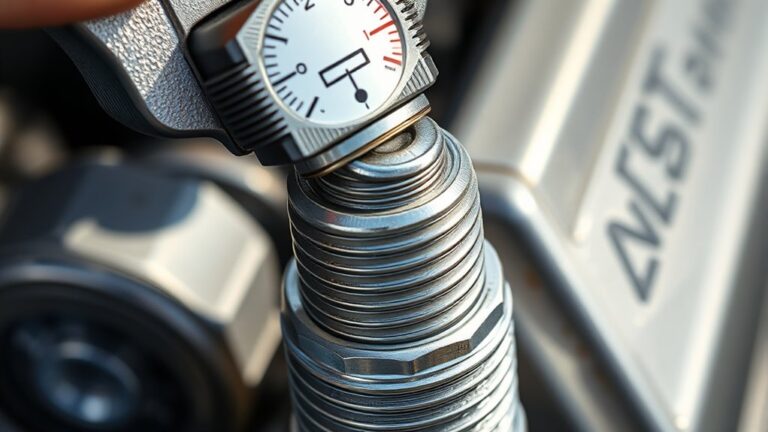
Getting the correct torque for your spark plugs is essential to guarantee a proper seal and avoid damage. To do this, you need a torque wrench that’s properly calibrated.
Regular torque calibration ensures your wrench applies the right amount of force, preventing over-tightening or under-tightening. Pay attention to the wrench’s ergonomics too; a comfortable, well-designed tool reduces fatigue and improves control, leading to more precise torque.
Always check your vehicle’s manufacturer specifications for the exact torque values, usually measured in foot-pounds or Newton-meters. Using the correct torque ensures a secure fit without risking stripped threads or cracked porcelain.
Importance of Torque Specs
Proper torque specifications are critical because they guarantee your spark plugs fit securely without causing damage. Correct torque ensures the spark plug design aligns perfectly with your engine’s cylinder head, preventing issues like cross-threading or electrode damage. This is especially important for ignition systems that rely on precise spark plug placement for peak performance.
Over-tightening can crack the ceramic insulator or strip threads, while under-tightening may cause poor sealing and misfires. Knowing the proper torque specs helps maintain reliability and engine efficiency. Always consult your vehicle’s manufacturer guidelines or service manual for specific values.
Using a torque wrench ensures you apply the right amount of force, preserving both your spark plugs and the integrity of your ignition system for smooth, trouble-free operation.
How Do You Set Your Torque Wrench for Spark Plug Installation?
To set your torque wrench correctly for spark plug installation, start by checking your vehicle’s service manual for the recommended torque specification. This helps you apply the right amount of pressure and protects the spark plug design.
Next, adjust your torque wrench to this specified value, using the scale on the wrench. Double-check the setting before loosening or tightening any bolts to ensure accuracy.
| Torque Specification | Adjustment Method |
|---|---|
| 15 ft-lb | Turn the wrench’s handle clockwise until the desired setting lines up with the indicator. |
| 20 ft-lb | Use a calibration chart for your wrench to match the beam to the specified torque. |
| 30 ft-lb | Confirm torque with a torque gauge if you’re unsure or if your manual calibration isn’t available. |
Getting the torque right prevents damage to your spark plugs and ensures your engine runs efficiently.
How to Properly Tighten Spark Plugs Without Causing Damage
Once you’ve set your torque wrench to the recommended specification, tightening the spark plugs carefully is key to preventing damage. Different spark plug materials, like copper, platinum, or iridium, react differently to torque. Copper plugs are softer and need gentle tightening, while iridium and platinum ones can withstand slightly more precise torque but still require care.
Over-tightening can crack ceramic insulators or strip threads, risking costly repairs. Under-tightening may cause poor engine performance, misfires, or even damage from loose plugs. To avoid this, tighten the spark plugs gradually, applying steady pressure, and use your torque wrench set to the specified torque.
This guarantees a secure fit without stressing the ceramic or threading. Properly tightened spark plugs improve engine performance, fuel efficiency, and longevity. Always double-check the torque setting before final tightening, and follow the vehicle manufacturer’s guidelines for ideal results.
Risks of Over-Tightening Spark Plugs (and Why a Torque Wrench Helps)
Over-tightening spark plugs can cause serious damage to your engine components, and many car owners underestimate the risks involved. Excessive tightening strains the spark plug threads, which can lead to stripped threads, cracked spark plugs, or damage to the cylinder head.
Different spark plug materials like copper, platinum, or iridium have varying tolerances for torque. Applying too much force can compromise their integrity or reduce their lifespan.
Also, engine compatibility influences how tightly you should secure your plugs. Some engines have delicate thread designs or softer materials that are more prone to damage from over-tightening.
Using a torque wrench ensures you apply the manufacturer-recommended torque precisely, avoiding these risks. This tool helps prevent thread stripping and other costly repairs.
It also guarantees the spark plugs are secured properly without causing harm to your engine components, keeping everything running smoothly.
How to Recognize If Your Spark Plugs Are Tight Enough or Too Tight
Knowing the right torque specs is super important because it helps you avoid ruining your spark plugs or messing up your engine. If you tighten them too much, you might notice some chrome chipping or feel that they’re too tight when you try to turn them. On the other hand, if they’re too loose, your engine might misfire or be hard to start.
Proper Torque Specifications
Understanding the proper torque specifications for your spark plugs is essential to guarantee they’re neither too loose nor too tight. The right torque ensures your engine runs efficiently, improving fuel economy and extending spark plug life.
Check your vehicle’s service manual or manufacturer’s recommendations for exact torque values. These are typically measured in foot-pounds or Newton-meters.
Using a torque wrench helps you apply the precise amount of pressure needed. This prevents damage from over-tightening or misfires from under-tightening.
Too tight can strip threads or crack the plug, while too loose can cause misfires and poor combustion. Always tighten your spark plugs gradually and evenly, verifying torque as you go.
Correctly torqued spark plugs are crucial for maximizing engine performance and long-term reliability.
Signs of Over-tightening
If you tighten spark plugs too much, it can cause immediate and long-term damage to your engine. Over-tightening often happens when you don’t use the right torque or when you rely on hand tools without a torque wrench.
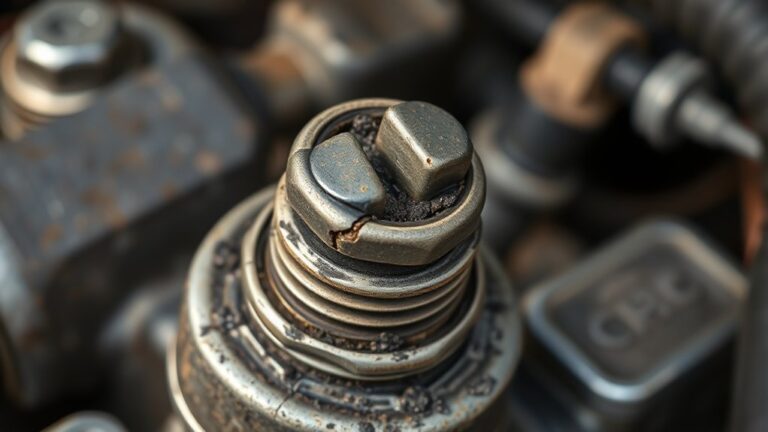
Signs include stripped threads, cracked porcelain, or difficulty removing the plugs later. You might feel a hard snugness or resistance that’s just too much. To avoid this, stick to the recommended torque specs and don’t guess with hand tools.
| Sign | Cause | Risk |
|---|---|---|
| Stripped threads | Over-tightening | Hard to replace easily |
| Cracked porcelain | Excessive torque | Engine damage |
| Difficulty removing plugs | Over-tightened fittings | Damage to socket or plug |
Indicators of Under-tightening
Even though it’s tempting to tighten your spark plugs with force, under-tightening can be just as problematic as over-tightening.
If a spark plug isn’t snug enough, you might notice misfires, rough idling, or difficulty starting your engine.
The spark plug material affects how tightly it should be fitted; for example, aluminum plugs require less torque than iridium or platinum ones.
Also, engine compatibility plays a role—some engines need specific torque settings.
If your spark plug is too loose, it may cause poor combustion or damage to the threads.
You might feel a slight resistance when tightening, but not enough to secure it firmly.
Always check the recommended torque for your vehicle’s spark plugs, considering their material and engine model, to prevent under-tightening.
Common Mistakes to Avoid When Installing Spark Plugs
Installing spark plugs might seem straightforward, but rushing the process can lead to costly mistakes. One common error is ignoring the specific spark plug materials suitable for your vehicle.
Using incompatible materials can cause pre-ignition or damage the engine. Always follow manufacturer recommendations for spark plug types and gap sizes because they’re designed for your engine’s performance and longevity.
Over-tightening is another mistake that can strip threads or crack the ceramic insulator. On the flip side, under-tightening can compromise the seal, leading to poor compression and misfires.
A frequent mistake is neglecting to clean the area before installation, which allows debris to enter the combustion chamber. Avoid switching brands or ignoring plug torque specs, especially if your vehicle recommends a certain torque setting.
Double-check all angles and connections during installation. And always consult your vehicle’s manual to ensure you’re following the right process. Proper installation saves time, money, and your engine’s health.
Should You Use a Torque Wrench for Spark Plug Installation? Pros and Cons
Using a torque wrench when installing spark plugs can really boost your chances of getting it right. It makes sure you apply the right amount of force, preventing over-tightening that could damage threads or under-tightening that might cause misfires.
Using a torque wrench ensures proper spark plug installation, preventing damage and ensuring optimal engine performance.
A torque wrench offers precision, helping you meet the manufacturer’s recommended specifications. Wrench ergonomics also matter; a well-designed tool gives you a comfortable grip and easier maneuverability, reducing fatigue during installation.
There are some downsides though. Relying only on a torque wrench might slow you down if you’re not familiar with how to use it. Plus, if the wrench isn’t calibrated properly, it can give inaccurate torque readings.
Cheap or poorly maintained wrenches can also give false readings, which defeats the purpose of using one. Overall, for best results and engine safety, it’s usually better to use a torque wrench, especially if you care about your vehicle’s longevity and performance.
Just make sure it’s properly calibrated and comfortable to handle so you get the most benefit.
Extra Tips for Installing and Maintaining Spark Plugs Properly
To make sure your spark plugs last a long time and work their best, it’s important to use the right torquing techniques and check them regularly. Don’t forget to pick the correct socket size — using the wrong one can damage the plugs or threads, and that’s something you definitely want to avoid.
Sticking to these simple tips can really help keep your engine running smoothly and help you steer clear of future problems. Plus, it’s always good to double-check everything and be gentle when installing or tightening your spark plugs.
Proper Torquing Techniques
Ever wonder why proper torque matters when installing spark plugs? Applying the right torque ensures a snug fit without damaging the spark plug or its materials.
Over-tightening can crack ceramic insulators, which reduces the lifespan of your spark plug. On the other hand, under-tightening risks creating loose connections that can cause misfires or poor performance.
To get it right, always follow the manufacturer’s torque specs. These vary depending on the spark plug material like copper, iridium, or platinum.
Use a torque wrench for precision, especially if your vehicle’s manual recommends it. Remember to:
- Use a torque wrench to avoid guesswork
- Check specifications for your spark plug type
- Confirm even tightening to prevent damage
Proper torquing helps with heat transfer and prevents leaks. This keeps your spark plug performing well and lasting longer.
Regular Spark Plug Checks
Have you scheduled regular checks for your spark plugs? Doing so is essential for maintaining spark plug longevity and guaranteeing maximum engine performance.
Regular inspections help you spot signs of wear, such as corrosion or carbon buildup, before they cause serious issues. When checking your spark plugs, look for cracks, deposits, or damaged electrodes, and replace them if necessary.
This proactive approach keeps your engine running smoothly and can improve fuel efficiency. Using the right tools and techniques during checks prevents damage and ensures proper fitment.
Use Correct Socket Size
How do you guarantee your spark plugs are installed correctly? The key is using the right socket size and confirming proper torque calibration. Using a socket that fits snugly prevents stripping or cross-threading.
Measure the spark plug gap before installation to avoid issues with socket size. Always double-check that your socket matches the spark plug’s hex size to ensure a proper fit.
Proper torque calibration is essential to avoid over-tightening or under-tightening, which can cause damage or poor performance. Use a socket specifically designed for spark plugs for the best results.
Never force a socket—if it doesn’t fit, find one of the correct size. Confirm your torque settings match the manufacturer’s recommendations for a safe, effective installation.
Final Tips: Do You Really Need a Torque Wrench on Your Automotive Toolbox
While a torque wrench isn’t always essential for spark plug installation, it can make a big difference in ensuring proper torque and preventing damage. Having one in your toolbox helps keep your engine running smoothly.
A torque wrench helps prevent damage and keeps your engine running smoothly during spark plug installation.
Correctly tightened spark plugs create a proper seal, which lowers the risk of misfires and incomplete combustion. This means your engine runs more efficiently and reliably.
If you’re comfortable with manual torque specs, a torque wrench helps you avoid under- or over-tightening, preserving their lifespan.
Even if you’re a casual DIYer, investing in a torque wrench is worth it. It’s a small tool that delivers big benefits.
Whether you’re doing a routine tune-up or just swapping spark plugs, having a torque wrench makes sure you get it right the first time. That keeps your engine performing well and can save you money on future repairs.
Frequently Asked Questions
Can I Install Spark Plugs Without a Torque Wrench?
You can install spark plugs without a torque wrench, but it’s not really recommended for proper installation.
Without a torque wrench, you risk either under-tightening or over-tightening the spark plugs, which can cause engine damage or poor performance.
Make sure your torque wrench is properly calibrated before you use it to apply the right amount of torque.
This way, you’ll tighten the spark plugs to the manufacturer’s specifications, helping prevent issues and extending their lifespan.
How Often Should I Check Spark Plug Torque After Installation?
You should check your spark plug torque after about 1,000 miles. Think of it like tightening a delicate, aged treasure chest to prevent spark plug corrosion.
Use a properly calibrated wrench to ensure a snug fit without over-tightening. Regularly verifying torque helps you catch any loosening, which could cause misfires or damage.
It’s like giving your engine a gentle handshake, keeping it running smoothly and lasting longer with each careful check.
What Types of Torque Wrenches Are Best for Spark Plugs?
For spark plugs, a click-type torque wrench is your best hand tool because it offers precise measurement accuracy.
This type of wrench signals when you’ve reached the correct torque, preventing over-tightening. Its consistent performance makes it ideal for delicate engine components like spark plugs.
Using a quality torque wrench guarantees proper installation, maintains engine performance, and helps avoid potential damage caused by over-tightening.
Does Using a Torque Wrench Improve Engine Performance?
Using a torque wrench improves engine performance by ensuring spark plugs are properly calibrated. When you tighten them to the right torque, it helps keep your engine running smoothly and avoids damage or misfires.
This precise tightening maintains ideal compression and combustion, which translates to better engine tuning. It also leads to smoother operation and improves fuel efficiency.
Are There Specific Torque Recommendations for Different Vehicle Models?
Yes, there are specific torque recommendations for different vehicle models. It’s always best to check your vehicle’s manual or manufacturer’s guidelines to avoid cross-threading issues or damaging the threads.
Applying the correct torque ensures your spark plugs are snug without being over-tightened, which could strip the threads. Using a torque wrench can help you achieve the right tension.
This protects your engine and can save you from costly repairs caused by improper installation. Always follow the manufacturer’s torque specs for the best results.
Conclusion
In the end, whether you need a torque wrench for spark plugs is like asking if a ship needs a compass—it’s about guidance and precision. While not always mandatory, a torque wrench helps you avoid the risks of under- or over-tightening.
Investing in the right tool and learning proper technique will keep your engine running smoothly. Think of it like a well-rehearsed symphony, with every part in perfect harmony.
So, for the best results and to protect your engine, it’s wise to use a torque wrench for spark plugs.