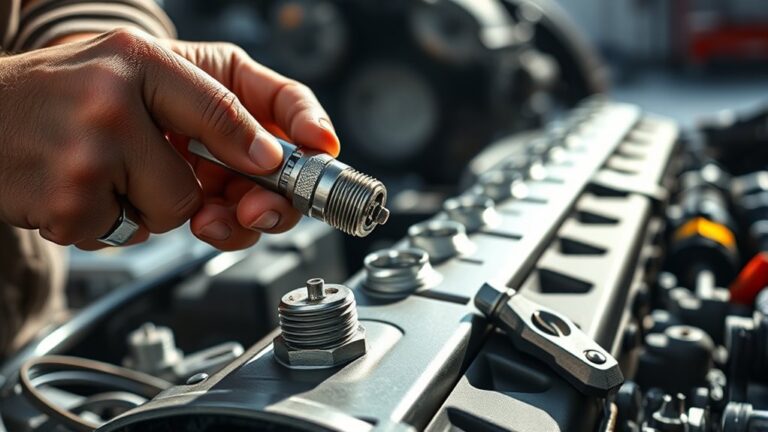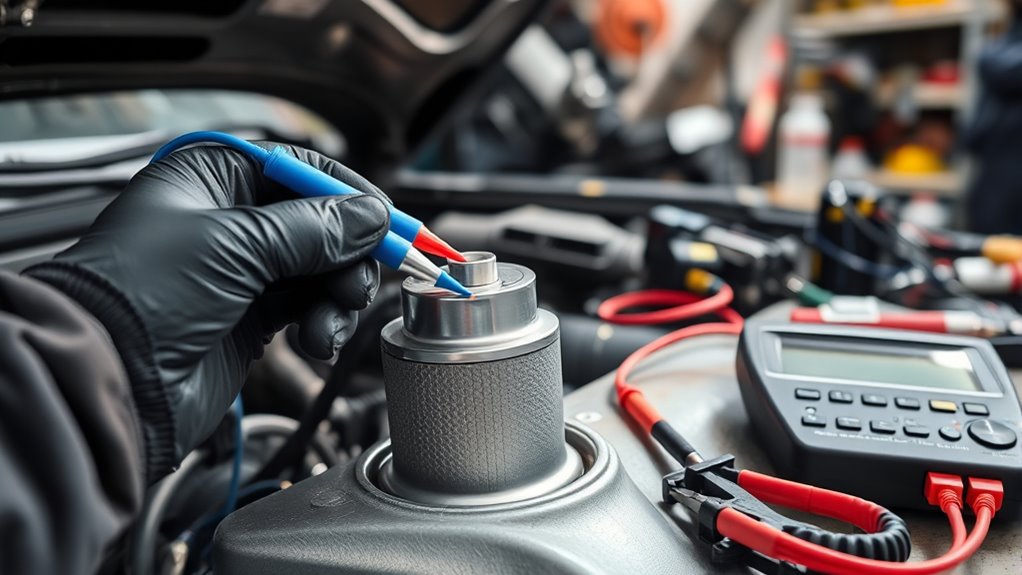
How to Safely Drive Long With Bad Spark Plugs
Feeling anxious about taking long drives with bad spark plugs? You’re not alone. Many drivers worry about the risks and how to keep their engine safe on the road.
If you must drive long distances with bad spark plugs, take extra precautions. Before starting, make sure your vehicle is well-maintained—check fluid levels, tire pressure, and inspect for damage.
Drive smoothly, avoiding sudden acceleration or braking, and keep an eye on engine performance and warning lights.
Plan your route with gentle roads and schedule regular stops to let your engine cool down.
Want to learn more tips to keep your trip safe? Continue to uncover essential strategies.
Key Takeaways
- Drive at moderate speeds to help reduce engine stress and cut down on misfires.
- Make sure all fluid levels are topped off, and check your tire pressure regularly.
- Accelerate and decelerate smoothly to avoid sudden loads on the engine.
- Schedule repairs promptly and replace your spark plugs as soon as you can.
- Keep an eye on your vehicle indicators and listen for any odd noises while driving.
Is It Safe to Drive Long Distances With Bad Spark Plugs?

Driving long distances with bad spark plugs can pose serious risks to your vehicle’s health and safety. Spark plug lifespan varies, but ignoring it can cause misfires, poor fuel economy, and engine damage.
Knowing when to replace your spark plugs is part of good ignition system maintenance. Worn plugs can lead to compromised ignition, which might cause engine stalls or reduced power.
Regularly replacing worn spark plugs ensures smooth engine performance and prevents stalls or power loss.
While a short trip with worn plugs may seem manageable, going long distances makes the problem worse and raises the chances of breaking down. Bad spark plugs can also increase emissions, harming the environment.
Before hitting the road, check if your spark plugs are in good shape. If they’re past their best, replace them quickly to keep your engine running smoothly. Ignoring spark plug health might save a little time now, but it can lead to costly repairs and safety issues during your trip.
How Do Bad Spark Plugs Affect Your Engine’s Performance
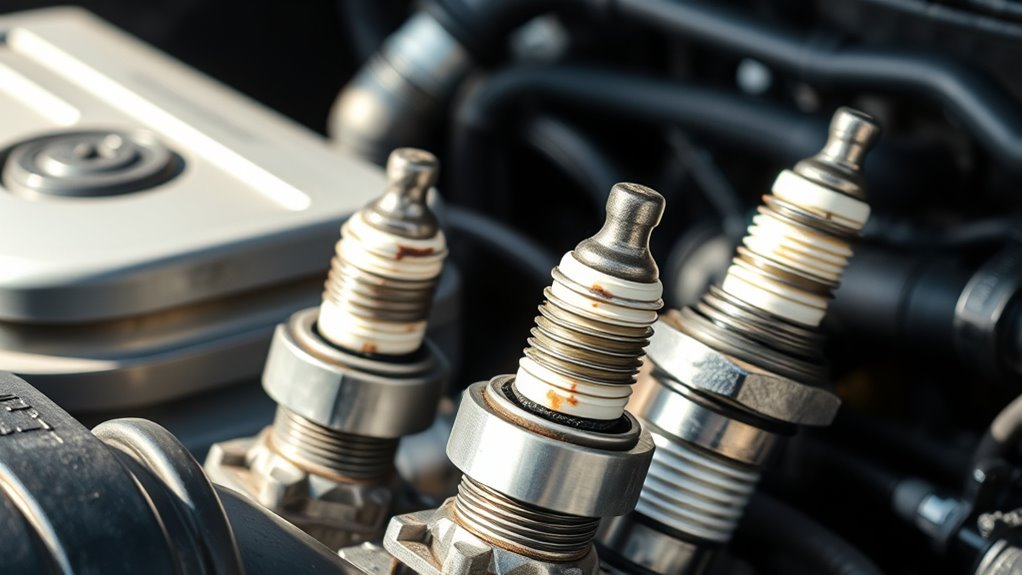
When spark plugs deteriorate, their ability to ignite the fuel-air mixture in your engine weakens, which directly impacts overall performance. Spark plug corrosion, often caused by moisture or buildup, hampers their ability to produce a strong, consistent spark.
Corrosion can cause misfires, rough idling, and reduced acceleration. Bad spark plugs also strain the ignition system, forcing it to work harder to ignite the fuel mixture. Over time, this added stress can lead to decreased fuel efficiency and increased emissions.
You might notice your engine running unevenly or struggling to reach prime power. If the spark plugs are badly worn or corroded, the engine’s ability to start smoothly diminishes.
Basically, compromised spark plugs disrupt the precise timing needed for combustion, resulting in a sluggish, less responsive drive. Staying on top of spark plug condition helps maintain your engine’s performance and lifespan.
Signs Your Spark Plugs Are Failing
As your spark plugs start to fail, you’ll notice certain signs that it’s time to replace them. One common sign is an engine misfire, which can cause your car to jerk or hesitate when accelerating.
You might also feel the engine running rough or sputtering, especially at idle or low speeds. Reduced fuel efficiency is another clue because worn spark plugs don’t burn fuel as effectively.
If your check engine light comes on, it could point to spark plug problems along with other issues. Additionally, having trouble starting your car or experiencing difficulty maintaining smooth operation suggests your spark plugs are failing.
Ignoring these signs can lead to more serious engine problems, so it’s best to address them quickly. Catching these symptoms early helps you replace spark plugs on time, saving you money and keeping your ride smooth and reliable.
How to Check If Your Car Is Still Safe for a Long Drive
Before heading out on a long drive, it’s important to do a quick safety check to make sure your car is in good shape.
Start with basic vehicle maintenance. Check your tire pressure with a gauge to ensure they’re properly inflated, because under- or over-inflated tires can cause problems on the road.
Check your tire pressure with a gauge to prevent issues while driving.
Proper tire pressure not only keeps you safe but also improves fuel efficiency and reduces the risk of blowouts.
Next, look for any obvious signs of damage or leaks. When you start the engine, listen for unusual noises to catch potential issues early.
Make sure all fluid levels—oil, coolant, and brake fluid—are adequate. If everything looks good and your maintenance is up to date, you’re more likely to have a safe trip.
Preparing Your Car for a Long Trip With Faulty Spark Plugs
If your car has faulty spark plugs but you still need to take a long trip, proper preparation can help prevent issues and keep you safe on the road. Start by inspecting your spark plugs—if they’re worn or damaged, think about replacing them before you leave. This can improve engine compression, which leads to better fuel efficiency and smoother driving during your trip.
Make sure your spark plugs are properly gapped and of the correct type for your vehicle. Also, check all fluid levels and tire conditions to ensure your car is reliable. It’s a good idea to carry essential tools and spare parts, including a spark plug socket and replacements, just in case something goes wrong.
Having your vehicle’s maintenance history on hand can help you remember what repairs have been done recently. Preparing your car thoroughly like this reduces the risk of unexpected breakdowns and helps keep your engine running smoothly, even if the spark plugs aren’t perfect.
Driving Techniques to Protect Your Engine With Bad Spark Plugs
To help protect your engine when you’re dealing with bad spark plugs, the best thing you can do is drive smoothly. That means accelerating and braking gently so you’re not putting extra stress on the engine—it’s a simple way to keep things running better for longer.
Also, try to avoid idling for long stretches. Sitting there with the engine running can actually put more strain on the system and make the performance issues worse. So, it’s all about being gentle with your driving habits until you can get the spark plugs fixed.
Gentle Acceleration and Deceleration
When driving with bad spark plugs, smooth and gradual acceleration and deceleration help reduce strain on your engine. Sudden changes can make misfires worse and cause more damage.
To protect your engine, accelerate slowly and avoid smashing the gas pedal.
Decelerate gradually by easing off the gas to prevent jolts.
Keep your speed steady to lessen engine stress.
And try to anticipate stops and starts, planning ahead for smoother progressions.
Using gentle driving techniques not only reduces misfires caused by bad spark plugs but also helps extend their lifespan.
Avoid Excessive Idling
Excessive idling puts unnecessary strain on your engine, especially when your spark plugs are already compromised. Idling takes up fuel without moving you forward, which hurts your fuel efficiency and can make spark ignition problems worse.
When you stay idling for too long, unburned fuel builds up and can cause your engine to run unevenly. To protect your engine, turn off the ignition if you’re stopped for more than a minute—like at long traffic lights or in traffic jams. This helps reduce the workload on your spark plugs and prevents further damage.
Keeping your engine running only when needed minimizes the risk of misfires and helps it perform better overall. Being mindful of your idling habits can help extend your engine’s life while also saving you money on fuel.
How to Prevent Overheating and Keep Your Engine Cool
To keep your engine from overheating, it’s a good idea to check your cooling system regularly. That way, you can catch any problems early on before they turn into bigger issues. It’s like giving your car a quick check-up to make sure everything’s working smoothly.
Also, don’t forget to use the right kind of engine fluids, especially coolant. Keeping the coolant at the correct level is super important because it helps transfer heat away from the engine. When everything is topped off and working properly, your engine stays cooler and runs better, helping you avoid costly repairs down the road.
Regular Cooling System Checks
Keep an eye on your tire pressure because underinflated tires increase strain and heat, impacting overall cooling efficiency. Also, verify that the radiator cap seals properly to prevent coolant loss.
Finally, ensure your cooling fans activate correctly and replace any worn or damaged hoses. Performing these checks regularly helps maintain ideal engine temperature and reduces stress, even when driving long distances with bad spark plugs.
Staying vigilant with these simple steps keeps your engine cooler longer and avoids costly breakdowns.
Use Proper Engine Fluids
Maintaining the right levels of engine fluids is key to preventing overheating and keeping your engine cool during long drives. Regularly check your radiator coolant, oil, and transmission fluids before you start your journey.
Using the proper engine fluids helps keep your engine temperature in check and prevents stress on your spark plugs, which might need replacing later. Keep your coolant at the recommended level and replace it as advised to maximize heat transfer.
Well-maintained fluids also boost fuel efficiency, helping you go further on less fuel. Don’t neglect fluid levels, especially if you notice the engine temperature rising.
Properly maintained fluids work together to prevent overheating, protect your engine, and keep it running smoothly during long trips.
What to Monitor During Your Trip to Catch Problems Early
While you’re driving, paying close attention to your vehicle’s indicators can help you catch problems early. Keep an eye on any unusual signs indicating your spark plug replacement might be needed soon. Use diagnostic tools if available, as they can reveal misfires or engine hesitation. Here are four items to monitor:
- Engine misfires or rough idling – a sign your spark plugs are failing.
- Check engine light – can indicate spark plug issues or other engine problems.
- Unusual exhaust fumes – black smoke or fuel smells may point to misfiring.
- Decreased fuel efficiency – worsening mileage suggests spark plug deterioration.
Staying alert helps you catch issues before serious damage occurs. If you notice anything abnormal, consider stopping for a quick check or delaying your trip until a mechanic can confirm the spark plugs are functioning properly. Using diagnostic tools during your trip can help identify early problems, saving you time and money.
Planning Routes and Breaks to Minimize Engine Stress
To keep your engine happy during your trip, try to choose routes that have smooth, gentle roads and steer clear of steep hills. It really helps to plan ahead and pick paths that aren’t too demanding on your vehicle.
Also, don’t forget to map out some rest stops along the way. These are great spots to take a break, stretch your legs, and give your engine a chance to cool down.
And while you’re at it, remember to schedule regular breaks throughout your drive. This not only helps prevent overheating but also keeps your ride running smoothly and comfortably.
Map Out Rest Stops
Have you thought about how planning your rest stops can save your engine during a long drive with bad spark plugs? Taking breaks at the right times can reduce engine stress and help you stay alert.
To make the most of your stops:
- Plan breaks every 2 to 3 hours to help prevent overheating.
- Pick rest areas near services like roadside assistance in case something goes wrong.
- Bring along snacks to keep your energy up without putting extra strain on the engine—heavy meals can be tough on it.
- Don’t drive for too long without a break. Use stops to check your vehicle’s health and watch for warning signs.
Choose Gentle Routes
Choosing the right routes can make a big difference in how your engine handles a long drive with faulty spark plugs. Pick scenic routes that keep traffic low to avoid stop-and-go conditions that can strain your engine.
Gentle routes with steady speeds help lessen stress on your ignition system, preventing more misfires or damage. Avoid busy highways and crowded areas where frequent braking and acceleration can throw off engine stability.
Instead, opt for roads with smooth traffic flow, gentle curves, and few stops. Maintaining a consistent speed puts less strain on your spark plugs and the engine overall.
Plan your trip to avoid high-traffic times and choose scenic, less congested roads. This leads to safer, smoother driving—even with bad spark plugs.
Plan for Break Durations
Since long drives with bad spark plugs can put extra strain on your engine, planning regular breaks is key to keeping things smooth. Breaks help cool the engine and prevent overheating, making your trip more comfortable.
When planning, try these steps:
- Schedule short breaks every 2-3 hours to stretch out and relax.
- During stops, enjoy some snacks to keep your energy up without overtaxing the engine.
- Use breaks to update your music playlist and keep boredom at bay, which helps reduce stress on your vehicle and mind.
- Choose scenic or quiet spots to let your engine cool and check your spark plugs if needed.
A well-structured route with the right break durations will keep your engine running steadily and make your trip more enjoyable.
When to Seek Professional Repairs After Your Trip
After your trip, pay close attention to how your vehicle feels and performs. If you notice electrical issues like flickering lights, difficulty starting, or irregular engine behavior, it’s time to see a professional.
Bad spark plugs can cause misfires that strain your vehicle’s electrical system, leading to more problems if you ignore them. Also, check your tires for uneven wear or low pressure, which might point to underlying engine issues caused by worn spark plugs.
If your vehicle struggles with acceleration or stalls unexpectedly, don’t wait to get expert help. A mechanic can diagnose the problem accurately and fix it, making your drives safer.
Addressing electrical issues and keeping your tires in good shape can prevent costly damage later on and improve your vehicle’s reliability. Don’t ignore these symptoms—early professional help keeps your car running smoothly, especially after long trips when stress on components is higher.
Frequently Asked Questions
Can Bad Spark Plugs Cause a Catalytic Converter Failure?
Yes, bad spark plugs can cause catalytic converter failure by allowing unburned fuel to enter the exhaust.
This excess fuel can overheat the converter and damage its internal parts. Since the catalytic converter is key to controlling emissions, failing spark plugs can harm your vehicle’s system.
This risk not only makes your ride less eco-friendly but can also lead to costly repairs later on.
Will Driving With Bad Spark Plugs Void My Vehicle Warranty?
Driving with bad spark plugs can impact your vehicle’s warranty, especially if they cause engine damage.
Typically, if you avoid neglecting maintenance like spark plug replacement, your warranty remains valid. However, if a failure from worn or damaged plugs leads to engine issues, warranty concerns could arise, and repairs might not be covered.
To prevent problems, get spark plug replacement promptly and keep detailed records to protect your warranty rights.
How Long Can I Drive Safely With Worn-Out Spark Plugs?
Think of your engine like a delicate dance; worn-out spark plugs are like out-of-step partners causing misfires. You shouldn’t drive long with worn-out spark plugs because it risks engine misfire and damage.
Typically, you can drive a few hundred miles, but it’s smart to get spark plug replacement promptly. Ignoring the signs may lead to poor fuel economy, rough running, and costly repairs.
Are There Temporary Fixes for Bad Spark Plugs During Long Trips?
Temporary fixes for bad spark plugs might include using ignition system cleaners or fuel additives, but these aren’t permanent solutions. You could also try gapping the spark plugs or applying a spark plug repair kit if available.
However, these are just quick fixes. The best approach is to plan for spark plug replacements as soon as possible during your long trip to guarantee your vehicle’s reliability and safety.
Do Bad Spark Plugs Affect Fuel Efficiency Significantly?
Driving with bad spark plugs is like trying to run a race with one shoe; your engine performance drops and fuel efficiency suffers. Bad spark plugs cause incomplete combustion, making your engine work harder, which increases fuel consumption.
They can also lead to higher emissions, impacting the environment. So, ignoring these signs puts you at risk of wasting fuel and damaging your vehicle’s performance over time.
Conclusion
Think of your car as a ship on a long voyage. If the spark plugs are faulty, it’s like patching a leak with tape—temporary and risky. Before setting sail, make sure your engine’s in good shape, monitor it closely, and plan your stops wisely.
With proper preparation and vigilance, you can navigate the journey safely. But remember, even the sturdiest ship needs a thorough inspection before crossing treacherous waters.
Trust your instincts and seek help if doubts arise. Safely driving long distances with bad spark plugs takes extra care, so stay alert and keep your engine in check.