What Do Bad Spark Plugs Sound Like During Engine Run-Up?
Many car owners know the frustration of mysterious engine noises during run-up, wondering if something’s wrong. Bad spark plugs are a common culprit, and you’re not alone in noticing strange sounds. Recognizing these can save you from bigger engine issues down the road.
When your spark plugs are bad during engine run-up, you might notice popping, sputtering, knocking, or misfiring sounds.
These noises often come from the engine as it struggles to fire properly, leading to rough acceleration and hesitation.
You may also hear irregular engine noises or backfires. If these symptoms sound familiar, keep going to learn more about how to identify and fix these issues before they cause further damage.
Key Takeaways
- Bad spark plugs often make popping, sputtering, or irregular knocking sounds when you start the engine.
- If your engine is misfiring, you might notice hesitations, rough idling, or stumbling, along with inconsistent noises.
- You could hear metallic knocking or pinging if the spark timing is off or the plugs are damaged.
- Sometimes, you’ll hear backfire sounds or popping noises during run-up because of incomplete combustion.
- Unusual noises that get worse at higher RPMs can point to fouled or worn spark plugs messing with spark delivery.
How Spark Plugs Impact Engine Idling and Performance
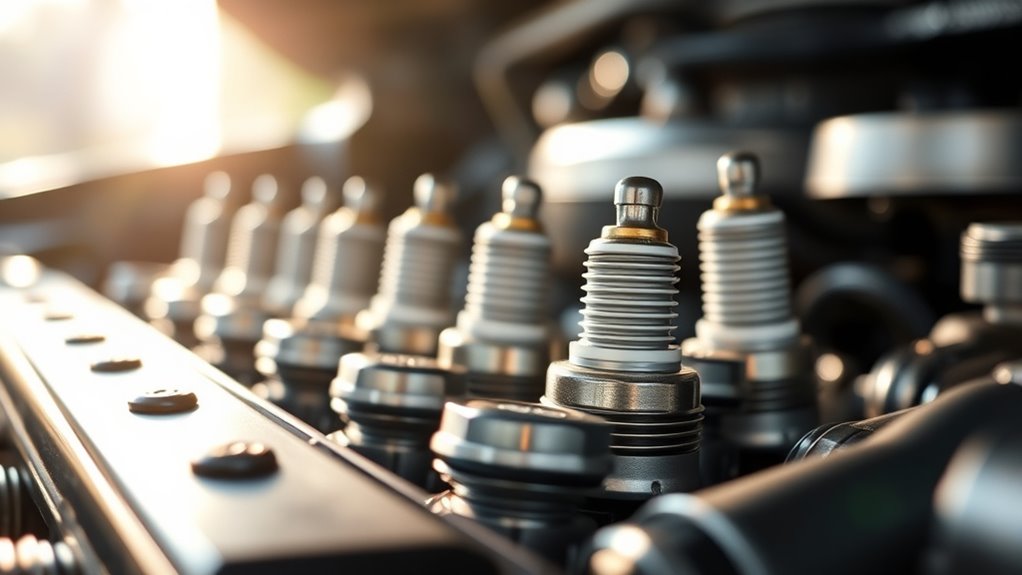
Have you ever noticed rough idling or hesitation when your engine is running? That’s often your spark plugs at work. The materials used in spark plugs, like copper, platinum, or iridium, affect how well they conduct electricity.
Better materials lead to a stronger, more consistent spark, which boosts engine performance. Proper ignition timing is just as important because it ensures sparks happen at the perfect moment for efficient combustion.
Higher-quality materials ensure a stronger spark, boosting performance and efficiency through precise ignition timing.
If ignition timing is off, your engine might sputter, hesitate, or even stall. Worn or damaged spark plugs can cause misfires, leading to uneven idling and less power.
On the other hand, high-quality spark plugs with the right materials and correct timing keep your engine running smoothly. This improves fuel economy and reduces emissions.
Regular inspection and timely replacements help keep your spark plugs working their best. Doing so prevents rough idling and hesitation caused by worn-out parts.
Good spark plug health directly affects your engine’s efficiency during idle and overall performance.
Common Sounds That Signal Bad Spark Plugs During Run-Up
You might notice your engine running unevenly when you start it up — like rough vibrations or strange noises. That’s often a sign that your spark plugs aren’t working quite right. Sometimes, you could also feel a hesitation or stumble when you try to accelerate.
Paying attention to these sounds and sensations is key. Catching the problem early can save you from more serious and costly repairs down the line. So, if something sounds off or feels unusual during your run-up, it’s a good idea to check those spark plugs.
Rough Idle Vibrations
Why do rough idle vibrations often point to a problem with your spark plugs during engine start-up? Poor engine combustion caused by bad spark plugs can lead to misfires, which then cause uneven vibrations. If your spark plugs are worn or dirty, they might not fire properly, resulting in rough idling.
Using a spark plug extension can help diagnose or access difficult plugs. But if the problem keeps happening, it’s usually a sign there’s an issue with spark delivery. These vibrations can feel like shudders or shaking when the spark plugs aren’t firing consistently.
Watch for signs like inconsistent engine response, sudden shakes during idle, hesitant acceleration, or rough engine burning during startup. These symptoms often indicate that a spark plug is failing to sustain steady combustion in your engine.
Unusual Engine Noises
These noises may happen because the spark isn’t igniting fuel properly, leading to uneven combustion. To check, start by inspecting the spark plugs for damage or fouling.
While you’re at it, examine the ignition coil connections, since faulty coils can cause similar sounds. If the coils look fine but the noises continue, replacing the spark plugs is usually the right move.
Ignoring these sounds can cause more engine problems, so don’t wait too long to inspect and fix your spark plugs.
Hesitation During Acceleration
During engine run-up, hesitation or delayed response when pressing the accelerator often indicates that your spark plugs aren’t firing properly. This can be caused by poor spark plug materials, worn electrodes, or incorrect ignition timing. You might notice the engine stalling or jerking during acceleration.
To prevent this, check these signs:
- Irregular engine response
- Rough acceleration
- Misfires or sputtering
- Reduced fuel efficiency
Poor spark plug materials or outdated designs can cause inconsistent spark delivery, especially if ignition timing isn’t synchronized correctly. When spark plugs fail to fire at the right moment, it impacts acceleration.
Regular inspection and timely replacement help protect engine performance and ensure smooth acceleration. Keeping your spark plugs effective and your ignition system precise makes a noticeable difference on the road.
Why Misfiring Sparks Cause Audible Engine Symptoms
Misfiring sparks disrupt the smooth flow of combustion in your engine, leading to irregularities that your ears can pick up. When a spark plug misfires, it can cause the engine to run unevenly, resulting in knocking or sputtering sounds during run-up.
This issue often stems from the ignition system, which includes components like the spark plug wires and ignition coil. Spark plug materials, such as platinum or copper, also influence how reliably your engine fires. If these materials wear out or get contaminated, misfires become more frequent, producing distinct auditory symptoms.
These misfiring events cause sudden, inconsistent sparks, creating recognizable noises like popping or backfires. You’ll notice that the engine doesn’t run smoothly, and these sounds usually increase during acceleration or load.
Fundamentally, misfires communicate their presence loudly through engine noise, alerting you that the ignition system or spark plug materials might need inspection or replacement.
What Rough Idling During Startup Tells You About Spark Plugs
Rough idling during startup often signals that your spark plugs are struggling to provide a consistent spark, especially when the engine is cold. Poor spark plug design can cause uneven firing, leading to uneven engine performance. You might notice the engine hesitates or sputters until it warms up.
Cold engine rough idling indicates spark plug issues causing uneven firing and performance problems.
This rough idling is also linked to how well your spark plugs transfer heat and support engine cooling. When plugs aren’t working properly, they can’t dissipate heat efficiently, which increases the risk of pre-ignition or fouling.
Key indicators include:
- Irregular engine sound or sputtering during start-up
- Engine hesitation or stalling shortly after start
- Increased emissions or fuel consumption
- Fouled, blackened plugs indicating improper combustion
Why Engine Backfires and Popping Noises Happen With Faulty Spark Plugs
When spark plugs fail to ignite the air-fuel mixture properly, unburned fuel can build up inside the combustion chamber. This excess fuel might ignite unexpectedly, leading to engine backfires and popping noises.
Faulty spark plugs made from low-quality materials often don’t produce a strong, steady spark. This increases the chance of incomplete combustion, which can cause these noises.
If your spark plugs aren’t compatible with your ignition coil, the risk of misfires grows. This can lead to irregular sparks and timing issues that cause unburned fuel to ignite suddenly.
When the spark isn’t timed right, unburned fuel can ignite abruptly, resulting in loud bangs or popping sounds. Worn electrodes or incorrect spark plug gaps make this problem worse by affecting the spark quality.
Pay attention to these noises—they’re a good sign of spark plug trouble. Replacing old spark plugs with high-quality ones and making sure they match your ignition coil can help reduce backfires and popping sounds.
Doing this will improve your engine’s performance and keep things running smoothly.
How Hesitation or Power Loss During Engine Run-Up Indicates Spark Plug Problems
Hesitation or a noticeable drop in power during engine run-up often signals spark plug issues. If your engine stumbles or struggles to gain RPM, it could point to faulty spark plugs affecting ignition. A bad spark plug can cause misfires, leading to uneven combustion.
Sometimes, the problem isn’t the plug itself but related components like the ignition coil or fuel injector, which stop delivering proper sparks or fuel. Watch out for these signs:
- Rough engine idle during run-up
- Sudden loss of acceleration
- Engine misfires that worsen at higher RPMs
- Increased exhaust fumes or soot
Problems with the ignition coil can cause weak sparks, while a clogged fuel injector affects fuel delivery—both mimicking spark plug issues. Inspecting these parts along with your spark plugs helps identify the real source of power loss and prevents further engine damage.
Recognizing Drops in Engine Power as a Sign of Bad Spark Plugs
A noticeable drop in engine power during acceleration is often a clear sign that your spark plugs might be failing. When materials like platinum or copper degrade, they can struggle to produce a strong spark, leading to misfires and power loss.
Incorrect ignition timing, whether caused by worn spark plugs or ignition system issues, can delay firing and reduce engine efficiency. If you feel sluggish acceleration or your engine struggles to pick up speed, bad spark plugs could be the problem.
These symptoms tend to happen gradually, so paying attention to how your vehicle responds during acceleration can help you catch the issue early. Regularly inspecting spark plug condition and ensuring proper ignition timing can prevent big power drops.
Knowing what to look for lets you diagnose problems before they cause more serious engine issues or breakdowns.
How to Tell Spark Plug Noise From Other Engine Sounds
Distinguishing spark plug noise from other engine sounds can be tricky, but paying close attention to the noise’s characteristics can help you identify the issue accurately. Spark plug problems often produce a distinctive knocking or pinging sound.
To tell it apart from other engine noises, consider a few points. Spark plug noise tends to be sharp and metallic, unlike the deeper rumble of exhaust or engine vibration.
It also usually occurs during specific engine speeds or loads, so note when the sound happens. The noise often seems to come from near the spark plugs or cylinder head.
Additionally, issues like spark plug coatings or engine oil contamination can cause inconsistent firing, making these sounds louder or more pronounced.
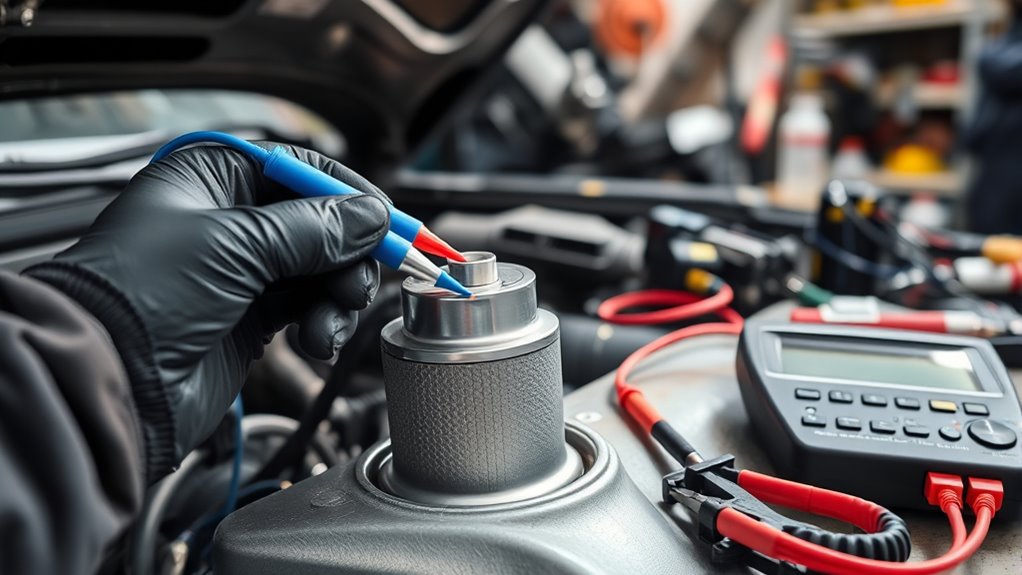
How to Test Your Spark Plugs to Confirm Problems After Hearing These Noises
To confirm whether your spark plugs are causing the noise, you’ll want to perform a simple test by inspecting them physically. First, turn off your engine and carefully remove the spark plugs.
Examine them for signs of wear, fouling, or damage, paying close attention to the spark plug materials like the electrode tip and ceramic insulator. Worn or carbon-fouled plugs can cause misfires and strange noises during engine startup.
Check the gaps; incorrect ignition timing can also lead to improper combustion and noisy operation. Make sure the gap matches your vehicle’s specifications. If the plugs are damaged or dirty, replace them.
When reinstalling, ensure the ignition timing is set correctly since improper timing can mimic spark plug problems. This inspection helps confirm if the noise is due to spark plug issues or if further testing is needed.
Tips to Prevent Spark Plug Failures and Spot Signs Early
Regular maintenance and keen observation can go a long way in preventing spark plug failures before they cause noticeable problems. Consistently checking your spark plugs helps keep your engine running smoothly. Listening closely to how your engine sounds can also help you spot issues early.
Here are some simple tips to keep your spark plugs in good shape:
- Regularly inspect spark plugs for signs of wear, corrosion, or damage.
- Change spark plugs at the recommended intervals, even if everything looks fine.
- Pay attention to unusual sounds during engine startup, as they can indicate spark problems.
- Watch out for rough idling, misfires, or performance drops—they’re often early warning signs.
Frequently Asked Questions
Can Bad Spark Plug Sounds Be Mistaken for Other Engine Issues?
Yes, bad spark plug sounds can be mistaken for other issues like a faulty ignition coil or problems within the combustion chamber.
You might notice misfires, knocking, or rough idling, which can be caused by various components.
Listening carefully is important because spark plug problems often produce knocking or sputtering, but similar symptoms can come from ignition coil failures or combustion chamber issues.
Getting a proper diagnosis helps you avoid unnecessary repairs.
Are Certain Engine Types More Prone to Noticeable Spark Plug Noises?
Some engine types, especially those with older ignition coils or loose valves, tend to be more prone to noticeable spark plug noises. You might notice a distinct ignition coil misfire or valve tap when the engine is running.
These sounds often point to worn spark plugs or other issues like ignition coil problems. Modern engines with advanced ignition systems usually run much quieter, but if you hear unusual noises, it’s a good idea to check your spark plugs, ignition coil, and valve clearances.
Doing so can help prevent bigger problems down the line and keep your engine running smoothly.
How Does Fuel Quality Influence Spark Plug Noise During Run-Up?
When fuel quality is off, it can cause spark plug noise during run-up, making your engine sound rough or misfiring. Poor-quality fuel or additives may reduce combustion efficiency, leading to inconsistent sparks.
Using high-quality fuel with proper additives helps ensure smooth combustion, minimizing noise. Think of it as giving your engine a good tune-up—clean, efficient fuel keeps your spark plugs working quietly and reliably, preventing issues before they start.
What Role Does Ignition Timing Play in Spark Plug-Related Sounds?
Ignition timing has a big impact on the sounds you hear from your spark plugs during engine run-up. If your ignition system sparks too early or too late, you’ll notice misfires, rough idling, and knocking noises.
Getting the timing right ensures sparks happen at the perfect point in the combustion cycle. This helps reduce noise and engine vibrations, making everything run smoother.
When the timing is off, bad spark plugs can make these sounds worse, making your engine feel uneven. Over time, this can even damage your ignition system.
Can a Vehicle’s Age Affect the Likelihood of Hearing Bad Spark Plug Sounds?
Ironically, as your engine gets older, you’re more likely to notice spark plug noise because worn plugs and gunk build-up can cause misfires and rough running.
Older engines tend to show more signs of bad spark plugs, making engine sounds a bit more erratic. So yes, vehicle age does affect the chances you’ll hear those unsettling spark plug sounds.
This highlights how regular maintenance is important to keep your engine running smoothly and quietly.
Conclusion
Think of your engine like a choir: each part must sing in harmony. Bad spark plugs are like off-key singers, causing misfires, popping sounds, or rough idling.
When your engine runs up, listen closely. Unusual noises like popping or sputtering are signs that the spark plugs aren’t firing properly. These sounds are the engine’s way of telling you something’s wrong.
Recognizing these warning signs early helps you fix the issue before it gets worse. Regular checks and timely replacements keep your engine singing smoothly.
For smooth performance, keep your spark plugs in good shape. Staying attentive to these sounds ensures your engine never misses a beat on the road.