How Should I Roll Up My Tonneau Cover During a Car Wash
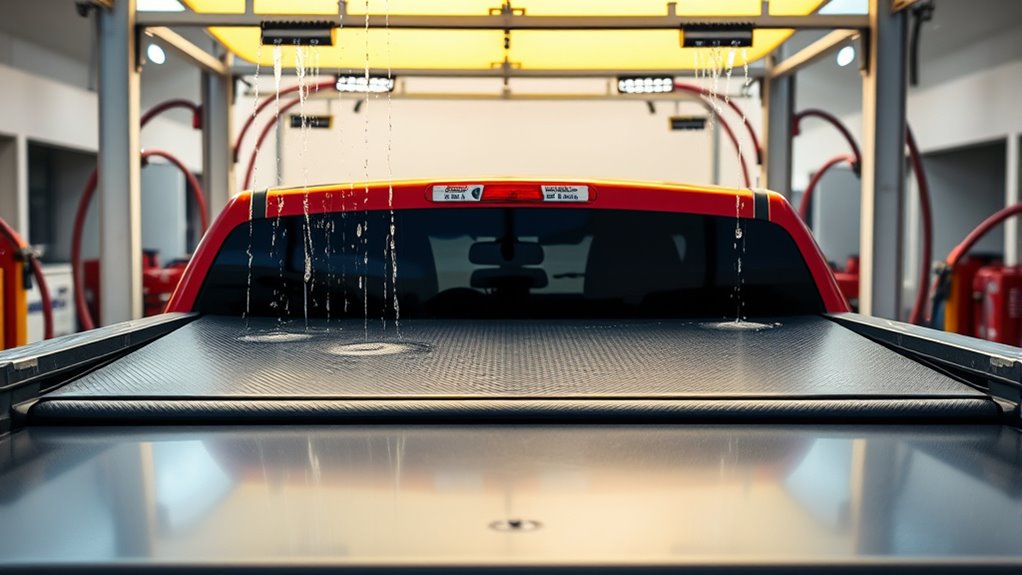
Many truck owners know the hassle of properly caring for their tonneau covers, especially during a car wash. It’s a common concern: how to protect this cover without causing damage or taking too much time. You’re not alone in wondering the best way to handle this.
To protect your tonneau cover during a car wash, gently roll it from the tailgate forward, avoiding excessive force or tight rolling that could damage the material. Secure the rolled cover with straps or built-in fasteners to keep it in place throughout the wash.
Be sure to remove debris and check for any damage beforehand. For more detailed tips on proper rolling techniques and caring for your cover, keep exploring this guide.
Key Takeaways
- Gently roll the cover from the tailgate forward to avoid damaging the material.
- Secure the rolled cover with straps or built-in mechanisms to keep it from unrolling during the wash.
- Remove any dirt, leaves, or debris before rolling it up to prevent scratches or damage.
- Roll the cover evenly without using too much force to avoid stretching or tearing.
- Make sure the cover is securely fastened before you start washing to keep it protected.
Why Protect Your Tonneau Cover During a Car Wash
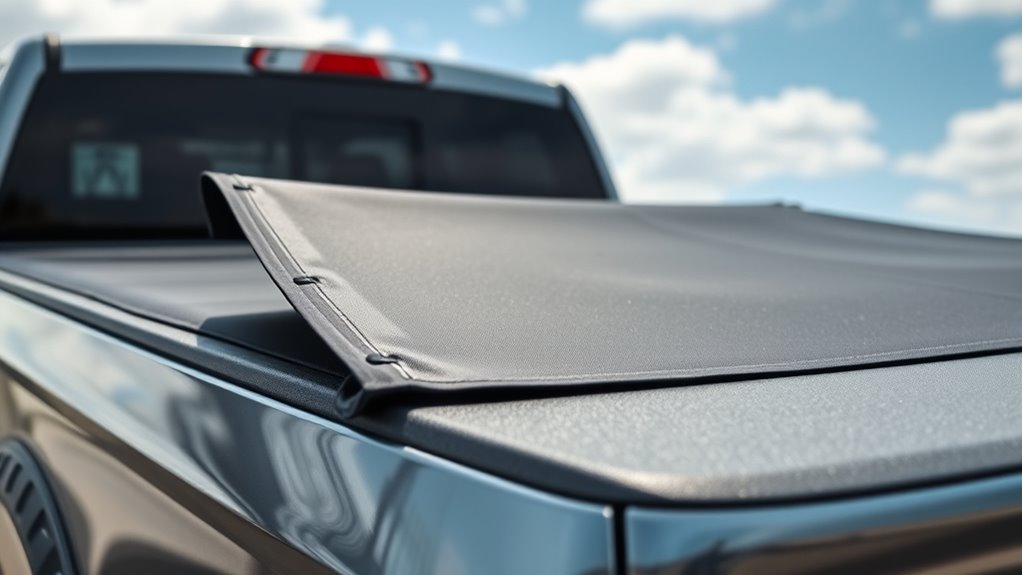
Protecting your tonneau cover during a car wash is important because it helps prevent damage and keeps it looking good. A well-fitted cover stays secure and avoids scratches or tears from harsh brushes or high-pressure water.
Weather resistance is key during washing because it keeps water from seeping in and damaging the material or the bed underneath. If your cover isn’t well-protected, strong cleaning tools might weaken seams or loosen fittings, leading to costly repairs.
Taking simple steps to shield your cover means it will last longer and stay weather-resistant, even with frequent washes. Proper techniques can help your tonneau cover stay in top shape and your truck looking sharp.
Understanding Different Types of Tonneau Covers
Understanding the different types of tonneau covers is key to choosing the right one for your needs. These accessories vary in design, material, and function, which affects how you’ll use and maintain your vehicle.
Soft covers are made from vinyl or fabric. They’re flexible and easy to roll up or fold, making them perfect for quick access and regular vehicle maintenance.
Soft covers made of vinyl or fabric for flexible, quick-access truck bed protection.
Hard covers are built from fiberglass, aluminum, or plastic. They offer better security and durability but tend to be heavier and a bit more complicated to handle.
Some covers roll up, fold, or retract to give you quick access to your truck bed. Knowing these features helps you pick a tonneau cover that fits your vehicle and lifestyle.
Choosing the right type ensures you protect your truck properly and keep it looking great over time.
How to Safely Roll Up Your Tonneau Cover During a Car Wash
Ever wonder how to keep your tonneau cover secure during a car wash? To do this safely, start by gently rolling the cover from the tailgate, making sure not to apply too much force that could cause damage.
Use light rinsing and mild cleaning solutions, avoiding high-pressure nozzles that might dislodge or harm the cover. Check your cover’s material beforehand—some, like vinyl or soft fabrics, need special care.
Be careful when rolling it up to prevent stretching or tearing. Secure the rolled-up cover with straps or built-in mechanisms so it doesn’t unroll during the wash.
Choosing the Best Method for Your Cover Type
Choosing the right method really depends on what your tonneau cover is made of, since different materials need different kinds of care. It’s a good idea to think about the best rollover techniques too, so you don’t accidentally damage it when you’re cleaning or storing it away.
And when it comes to washing your cover, using gentle techniques is key. That way, you can keep it looking good and in great shape for the long haul.
Tonneau Cover Material Types
What material your tonneau cover is made of really impacts its durability, look, and how easy it is to use. For example, vinyl is affordable and flexible, making it easy to roll up, but it might not hold up well in harsh weather over time.
Aluminum covers are sturdy and low-maintenance, offering great resistance to weather like rain and snow. That’s why they’re a popular choice for durability. Soft fabrics like canvas are lightweight and have various accessory options but may need more care during bad weather.
When choosing, think about your climate and how often you’ll use the rolling function of the cover. Hard covers tend to be more secure, while soft covers can be more convenient for frequent rolling up. Your decision affects how smoothly and easily you can handle the cover, especially during a car wash.
Recommended Rollover Techniques
Selecting the right rollover technique depends on your tonneau cover’s material and design, as well as how often you plan to access the bed.
If you have a soft cover, rolling from the tailgate forward is usually easiest, preventing damage during interior detailing or tire rotation.
Hard covers might require unfolding or folding in sections for quick access, avoiding unnecessary stress on hinges or seams.
Consistency matters; choose a method that allows you to roll up smoothly and securely without forcing or damaging the cover.
Proper technique guarantees your cover stays in good shape, making future access simple.
Always remove any debris before rolling to prevent scratches, and avoid forcing the cover to fit if it resists to prolong its lifespan and maintain its waterproof integrity.
Protecting Your Cover During Wash
Since different tonneau covers need specific care during washing, it’s important to use methods suited to your cover type to avoid damage.
For soft vinyl or fabric covers, gently rinsing with water and avoiding harsh brushes helps prevent tears or scratches. Hard, fiberglass, or aluminum covers might need a more careful cleaning with soft cloths and mild detergents.
When detailing the interior, keep contact with chemicals to a minimum to prevent warping or discoloration of the cover. It’s also smart to check your tire pressure beforehand to avoid uneven weight pressure stressing the cover while washing.
Make sure the cover is fully secured and rolled up if needed so it won’t flap or get caught in wash equipment. Proper care will help keep your cover looking great for longer.
Common Mistakes When Rolling Up Your Tonneau Cover
One common mistake people make when rolling up a tonneau cover is applying uneven pressure. This can cause creases, damage the material, or make the cover harder to open later.
Improper rolling can also scratch or scuff the surface, which compromises paint protection. Plus, if you don’t position the cover correctly, gaps might form, increasing drag and reducing fuel efficiency.
To avoid these issues, don’t rush the roll—this can lead to wrinkling or misalignment. Use smooth, even pressure instead of force, and take the time to clean and inspect the surface beforehand.
Finally, avoid rolling the cover too tightly, which stresses the material and hardware. These mistakes can cause unnecessary wear and tear, shortening your cover’s lifespan.
Correct rolling keeps paint protected and maintains a sleek, aerodynamic profile. It helps your vehicle stay more efficient and saves you fuel costs in the long run.
How to Detach Your Tonneau Cover Temporarily
Before you start detaching your tonneau cover, just take a moment to clear out your truck bed—you don’t want anything in the way. Once that’s done, go ahead and release the fasteners holding the cover in place.
Carefully lift the tonneau panel off, making sure to handle it gently so you don’t accidentally cause any damage. And there you go—your cover is temporarily out of the way!
Clear the Bed Area
Wondering how to prepare your truck bed for removal or maintenance? The first step is clearing the bed area to make sure you have smooth access and prevent any damage.
Start by removing any loose items, tools, or cargo that could scratch your luxury interior or block the cover. Check for debris or dirt that might interfere with the cover’s movement.
If you’re planning to keep the bed clear for cleaning or engine checks, double-check that nothing is blocking the attachment points. Be sure to secure any loose straps or accessories to avoid getting them damaged.
A clean, clutter-free space makes it easier and safer to detach your tonneau cover. That way, you’re ready for maintenance or to park your truck worry-free during a car wash.
Release Cover Fasteners
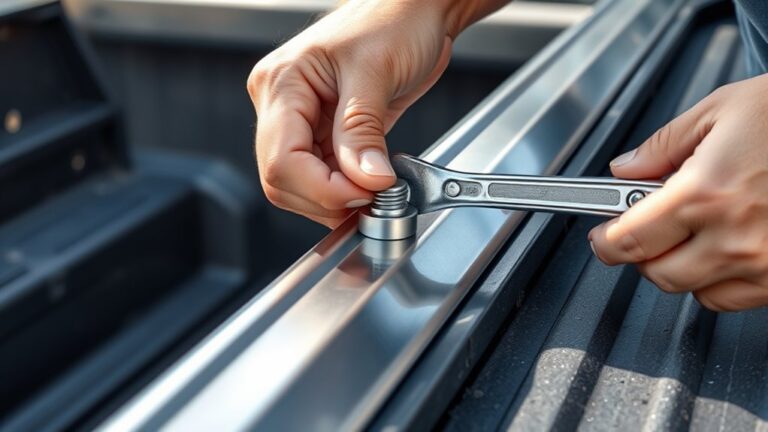
To temporarily detach your tonneau cover, start by locating and releasing the fasteners that secure it in place. These fasteners often include clamps or latches that hold the cover firmly on your truck bed.
Carefully unclip or unscrew them, making sure not to damage any decorative accents that improve the cover’s appearance. Since the cover color is a key visual element, handle it gently to avoid scratches or discoloration during removal.
Some fasteners may require you to loosen or slide them before detaching completely. Keep the hardware in a safe spot for reinstallation.
Carefully Remove Tonneau Panel
With the fasteners released, you can now carefully lift or slide the tonneau panel away from the truck bed. As you do, remember how important it is to match the color for a clean look later on.
Handle the panel gently to avoid damaging the fabric, especially if your cover uses reinforced material. Imagine gripping it firmly but carefully at the edges for control.
Slide it straight off to prevent putting unnecessary strain on the fasteners. Lay the panel flat in a clean, protected space to avoid scratches or dirt.
Check for any attachment points or hinges that might need maneuvering. This careful removal helps preserve your tonneau cover’s integrity, making reattachment easier and keeping the fabric durable for future use.
Cleaning and Maintaining Your Tonneau Cover After a Wash
After washing your tonneau cover, make sure to check it for any dirt, debris, or streaks you might have missed. Take a good look to ensure it’s really clean and still in good shape.
Always inspect your tonneau cover after washing to spot missed dirt or streaks and ensure it’s in great condition.
If your cover has leather parts, think about using a leather care product to keep those areas soft and protected from cracking. Regular cleaning helps prevent dirt and grime from building up and causing damage over time.
Also, if you do an interior detailing routine, don’t forget to clean around the cover area too. This helps prevent dirt from transferring to your cover when you open or close it.
To protect your cover from harsh UV rays, consider applying a suitable protectant if needed. Proper maintenance not only extends the life of your cover but also keeps it looking sharp.
Keeping up with regular cleaning and care will ensure your tonneau cover stays in top shape and ready to roll up whenever you need it.
Troubleshooting: Why Your Cover Won’t Roll Up Properly
Even if your tonneau cover looks clean and well-maintained, it might still have issues rolling up smoothly. These problems can come from wear, dirt buildup, or material fatigue, which can affect its durability. If the material isn’t flexible enough or has damage, it can make rolling difficult.
Sometimes, repeated use over rough conditions tests the cover’s durability, which can weaken its ability to roll seamlessly. This is especially true if it’s been used often.
Check for debris or dirt trapped in the roller mechanism, as this can cause resistance. Bent or misaligned roller bars can also make rolling difficult. Damaged or overstretched fabric might reduce flexibility, making it harder to roll up.
A build-up of grime or residue can impair movement, so cleaning the rollers and inspecting their alignment is often enough to fix minor issues. If the material has become too stiff or worn from extensive use, it might be time to replace it.
Proper maintenance can extend the lifespan of your tonneau cover and help ensure it rolls up easily whenever you need it.
When Should You Seek Professional Help for Tonneau Cover Repairs?
Sometimes, repair jobs go beyond what you can safely or effectively fix on your own. If you notice persistent issues like loud noise during rolling or poor ventilation improvement, it’s time to seek professional help. These problems can indicate internal damage or misalignment that DIY fixes won’t resolve.
Consider these signs:
| Issue | Possible Cause | When to Seek Help |
|---|---|---|
| Excessive noise | Worn-out latch or damaged roller | Get a professional assessment |
| Poor ventilation | Seal or drainage blockage | Call in an expert for repair |
| Cover not rolling smoothly | Bent track or faulty mechanism | See a professional to adjust it |
| Water leakage | Damaged seals or gaps | Schedule specialized repair |
| Cracks or tears | Material fatigue or impact damage | Consider replacement or professional fix |
Addressing these issues early helps restore noise reduction, ensures proper ventilation, and extends your cover’s lifespan. When in doubt, consult a specialist.
Final Tips to Keep Your Tonneau Cover in Top Shape
To keep your tonneau cover in top shape, regular maintenance is key. Proper care helps preserve its look and ensures safety.
Start by cleaning it regularly with gentle soap and water to remove dirt that can damage the material. Stay away from harsh cleaners that might cause discoloration or wear.
When rolling up or unrolling the cover, do it carefully to avoid tears or creases. Lubricate moving parts like latches and rails so everything works smoothly.
Store or cover your truck during bad weather to protect the cover and keep it looking sleek. Check for signs of damage or loose hardware each month and fix issues early.
These simple steps will help your cover stay stylish and functional, making it a reliable part of your vehicle.
Frequently Asked Questions
Can I Wash My Truck With the Tonneau Cover Fully Rolled Up?
Yes, you can wash your truck with the tonneau cover fully rolled up. Doing so helps protect its condition and ensures a thorough clean.
Rolling it up during washes can prevent water from pooling or causing damage, which is good for your tonneau cover’s durability.
Just make sure the cover is securely rolled, and avoid using high-pressure washers that could strain or damage the cover material.
Is It Safe to Use a Pressure Washer on My Tonneau Cover?
Did you know about 30% of tonneau covers are made from sensitive materials like vinyl or fabric? Using a pressure washer on your cover isn’t safe, especially with high pressure or a direct spray.
For effective cleaning, try gentle hand washing or use microfiber cloths instead. Always check what your cover is made of so you can pick the safest cleaning method and avoid damage.
How Do I Prevent Water From Leaking Under the Cover During Washing?
To prevent water from leaking under your tonneau cover during washing, make sure the seals are properly maintained. Regularly inspect and clean them to keep them effective.
If the seals are worn or cracked, replace them to prevent leaks. Keep the seals free of dirt and debris for the best water resistance.
When washing, start from the top and work your way down. Avoid using excessive pressure around the edges to prevent damage.
Additionally, tighten straps and check for tears or damage to the cover. Proper maintenance helps keep water out and your truck bed protected.
Will Rolling up My Cover Damage It Over Time?
No, rolling up your tonneau cover usually won’t damage it—unless you’re using the wrong technique.
Sometimes, mistakes like incompatible materials or using too much force can cause wear over time.
Handling it gently and following the manufacturer’s instructions is key.
If you’re careful, rolling it up during a wash is safe and helps prevent unnecessary tears or damage.
How Long Should I Wait Before Rolling the Cover Back Down After Washing?
You should wait at least 15-20 minutes after washing your truck before rolling the tonneau cover back down. This allows it to dry thoroughly. Proper maintenance includes regular cleaning, but always make sure it’s completely dry first.
Letting it dry fully helps prevent moisture buildup that can cause damage over time. During this drying period, you can gently adjust the cover to keep it in good shape.
Conclusion
By following these tips, you’ll keep your tonneau cover in tip-top shape and ready to handle whatever comes your way. Remember, a little maintenance goes a long way. Don’t let small issues snowball into bigger problems.
With proper care and cautious rolling during washes, you can extend your cover’s life and keep it looking sharp. Stay proactive, and your cover will serve you well.
Proper rolling during a car wash is key to protecting your tonneau cover. Take your time and be gentle to avoid any damage.
Keeping up with these simple steps ensures your tonneau cover stays durable and attractive longer. After all, regular care is the best way to preserve your investment.