Can You Reuse an Oil Filter?
Many car owners worry about saving money on maintenance but aren’t sure if they can reuse an oil filter. You’re not alone—it’s a common question with a lot of conflicting advice out there.
Reusing an oil filter is generally not recommended because filters are designed for single use to guarantee ideal protection.
When you attempt to reuse one, the filter’s material may weaken or clog, risking engine damage and increased wear.
Proper inspections can help you decide if reuse is feasible, but the potential risks outweigh the savings.
To keep your engine safe and efficient, familiarize yourself with best maintenance practices first—more details will guide you to the right choice.
Key Takeaways
- Oil filters designed for single use aren’t meant to be reused because they can lose filtration efficiency and might damage your engine.
- It’s important to visually check for damage, tears, or clogging before thinking about reusing an oil filter.
- Reusing filters can weaken the materials, break the seal, and let debris enter your engine.
- Even cleaning and inspecting them doesn’t guarantee they’ll work as well as new; manufacturers usually advise against reusing filters.
- Regularly replacing your filters is the best way to keep your engine protected, making reusing them unnecessary and risky.
Can You Reuse an Oil Filter? Pros and Cons
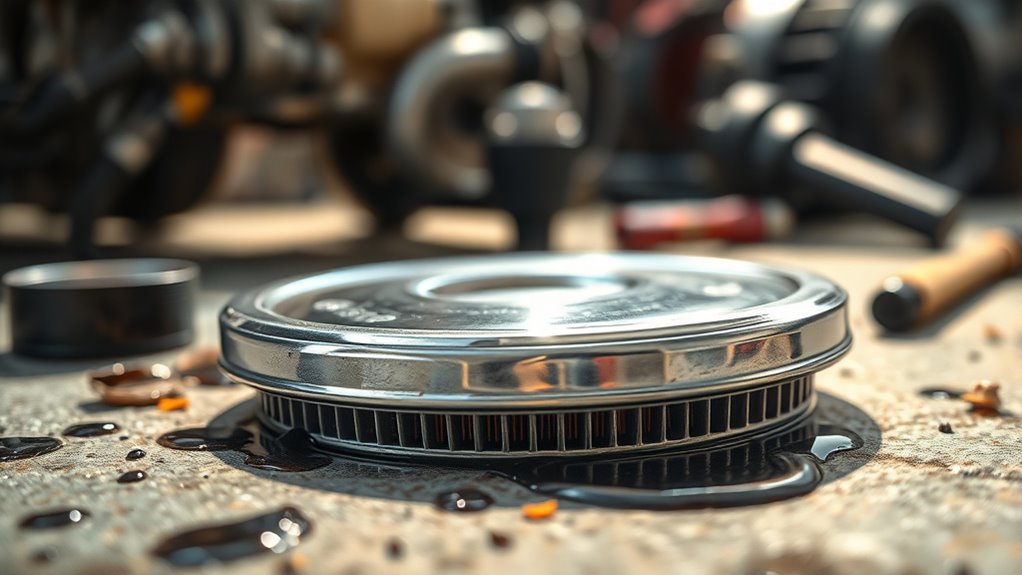
While it might be tempting to reuse an oil filter to save some money, it’s generally not a good idea. Oil filter manufacturing focuses on safety and effectiveness, and most filters are made to be used only once.
Reusing an old filter can lead to poor filtration, which might cause engine wear or damage. Reputable brands produce filters that meet strict standards, giving you reliable filtration for one-time use.
Cheaper or lesser-known brands might cut corners, but reusing their filters increases the chances of contaminants slipping through. Although it could seem cheaper upfront, any savings are often canceled out by potential engine problems and costly repairs later on.
Plus, a reused filter might not fit properly or could lose its sealing properties, leading to leaks. For the best engine health and peace of mind, it’s better to use a new, high-quality filter every time you change your oil.
How to Tell If Your Oil Filter Can Be Reused
Determining if your oil filter can be reused means closely inspecting its condition and performance. First, look at the filter materials; if the filter elements are worn, torn, or clogged with debris, it’s better to replace it.
Think about how long it’s been used. Most manufacturers recommend changing the filter every 3,000 to 5,000 miles. Check the seal or gasket—if it’s damaged or brittle, it’s best not to reuse it.
You can also explore recycling programs. Some facilities accept used filters, but they usually prefer filters in good condition for reuse or recycling.
To figure out if your filter is reusable:
- Examine the filter media for tears or too much dirt
- Check the gasket for damage or wear
- Review the manufacturer’s guidelines
- Confirm if recycling programs accept your specific filter
Risks of Reusing an Oil Filter (Engine Damage & Long-Term Effects)
Reusing an oil filter might seem like a save, but it can actually cause some serious problems for your engine. When you stretch out its use, the filter can’t do its job as well, which means more dirt and debris can get into your engine. Over time, this build-up can lead to increased wear and tear on engine parts.
If dirt keeps circulating around inside, it’s just a matter of time before it causes real damage or even leads to engine failure. Skipping on a new filter might seem like saving a few bucks now, but in the long run, it could end up costing you a lot more in repairs. So, it’s really best to stick with a fresh filter for each oil change.
Increased Engine Wear
Reusing an oil filter can lead to increased engine wear because the filter’s internal components may become clogged or damaged over time, reducing its ability to effectively trap debris. When the filter doesn’t work well, dirt and metal particles can get into your engine, causing premature wear.
This is especially true if you use synthetic oils, which can speed up filter clogging if you go beyond the filter’s recommended lifespan. As the filter’s efficiency drops, your engine has to work harder, putting more stress on key parts.
Reduced filtration efficiency allows more contaminants to circulate through your engine. Damaged filter components can break apart and enter engine channels, increasing the risk of damage.
Clogged filters also restrict oil flow, which means your engine isn’t getting proper lubrication. Long-term neglect like this can lead to more engine wear and costly repairs down the line.
Reduced Oil Filtration
Have you thought about how reduced filtration can quietly hurt your engine? When you reuse an oil filter, its ability to trap debris and contaminants drops, making maintenance less effective.
Over time, dirt and metal particles circulate freely, which can increase wear on engine parts. Reduced filtration means your engine isn’t getting clean oil to operate smoothly.
That can speed up damage and shorten your engine’s lifespan. Skipping proper filter changes might seem easier, but it risks letting harmful particles clog passages and cause long-term issues.
For a healthy engine, always follow the recommended oil filter replacement schedule. Proper maintenance not only protects your engine now but helps it run efficiently for years to come.
Potential Engine Failure
Ever wonder how reusing an oil filter can lead to serious engine failure? Reusing filters compromises the engine’s ability to keep contaminants out, risking buildup that can cause damage. This buildup can lead to decreased fuel efficiency as the engine works harder and may even hinder emission control systems, increasing pollution.
Long-term reuse can cause clogged or damaged filters, resulting in oil starvation and wear on engine parts. You might notice increased engine noise, overheating, or poor performance. These issues can cause expensive repairs or engine failure in the long run.
Avoid these risks by always replacing your oil filter with a new one during oil changes. Doing so guarantees maximum performance, better fuel economy, and adherence to emission standards.
Inspecting Your Oil Filter Before Reusing It
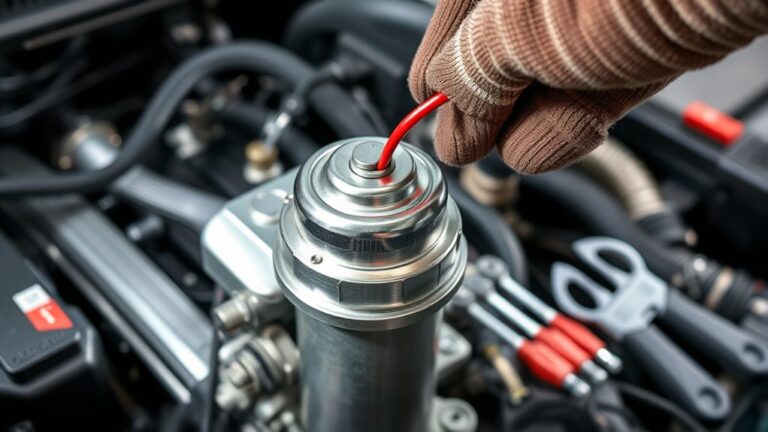
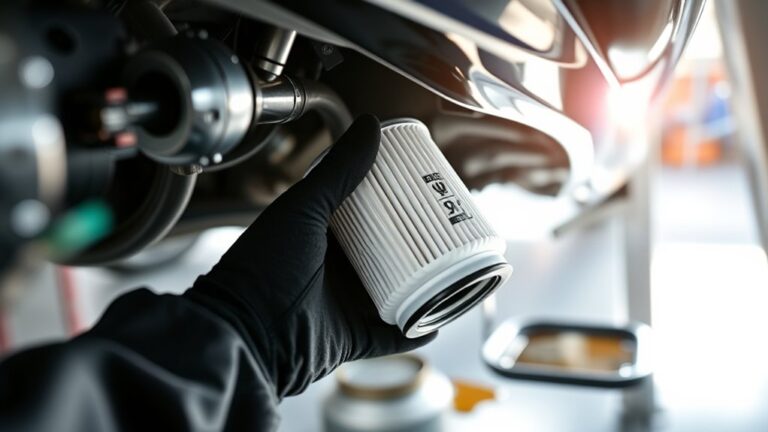
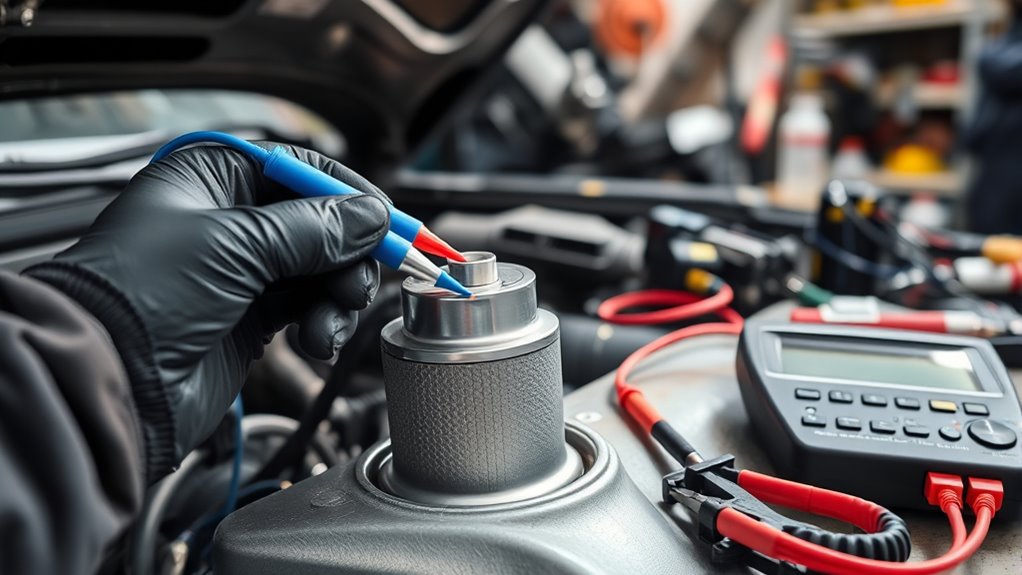
Before you decide to reuse your oil filter, take a good look at it first. Give it a thorough visual check for any cracks, dents, or bits of debris that might have gotten inside. It’s always better to catch any problems early on.
Make sure to inspect the seal carefully too. You want to confirm it’s still intact and doesn’t have any damage or signs of wear. If anything seems off or suspicious, it’s probably best to just replace the filter. That way, you avoid risking any engine issues down the line.
Visual Inspection Techniques
Inspecting your oil filter thoroughly before reusing it is vital to confirm it’s still effective and free of damage. A careful visual check helps guarantee the filter’s integrity and fit, considering oil filter compatibility with your vehicle. Follow manufacturer guidelines for inspection details, as they specify what signs of wear or damage to look for.
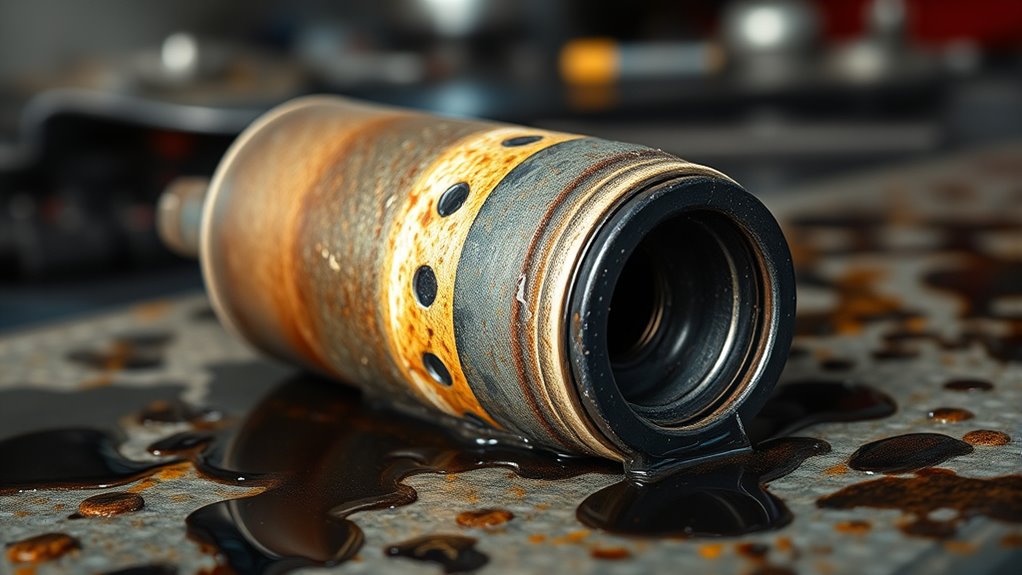
Key visual inspection techniques include checking for cracks, dents, or corrosion on the housing. Also, examine the gasket for tears or deformities and inspect the filter media for tears, excessive dirt, or clogging. Make sure all fittings and seal surfaces are intact and clean.
Performing these steps helps prevent failures that could lead to engine damage. It confirms the filter remains a reliable part of your vehicle’s maintenance routine.
Seal Condition Assessment
Evaluating the condition of the seal on your oil filter is essential because a damaged or compromised gasket can cause leaks, reducing the filter’s effectiveness and risking engine damage.
Before reusing, carefully inspect the seal for signs of deterioration such as cracks, tears, or flattening. Make sure the gasket stays pliable and is properly seated; a hardened or deformed seal won’t form a proper seal.
Check for compatibility with your oil filter, as mismatched seals can lead to leaks. If the gasket shows any damage or signs of wear, it’s best to replace the filter altogether.
A proper seal condition ensures a tight fit, preventing leaks and maintaining essential engine protection.
How to Properly Reuse an Oil Filter (Step-by-Step Guide)
Reusing an oil filter can save you money, but you need to follow some careful steps to make sure it’s safe and effective. Start by thoroughly cleaning it to remove old oil and debris, so it doesn’t clog when you reuse it.
Reusing an oil filter saves money but requires thorough cleaning and inspection for safety and effectiveness.
Inspect the filter for any damage or wear, and replace it if necessary. Before reinstalling, apply fresh engine lubricant to the gasket and sealing surfaces to prevent leaks.
Keep in mind that reusing a filter isn’t suitable for all vehicles or oil types, so always check if it’s compatible. When putting it back, tighten the filter to the manufacturer’s recommended torque to avoid over-tightening or leaks.
Regular inspection and maintenance are key to proper oil filter care. Here are the main steps to follow:
- Clean with a solvent, avoiding harsh chemicals
- Inspect for cracks or damage
- Replace the gasket if needed
- Reinstall with correct torque
When Should You Replace Instead of Reusing Your Oil Filter?
Although reusing an oil filter can save you some money, there are times when it’s better to replace it entirely. If the filter shows signs of heavy dirt, debris, or damage, reusing it isn’t worth risking your engine’s health.
A heavily clogged or torn filter can’t trap contaminants effectively, which can lead to engine wear. Plus, the environmental impact of reusing an old filter might outweigh the savings.
Manufacturers are now making more eco-friendly filters, and old filters can hide unseen bacteria or residues. Visualize your decision like this:
| Condition | Impact on Engine | Environmental Effect |
|---|---|---|
| Heavy dirt buildup | Reduced filtration | Increased waste |
| Torn or damaged | Leaks contaminants | More waste and pollution |
| Old age | Decreased efficiency | Larger environmental footprint |
| Persistent odors | Possible mold growth | Eco-concern |
| Unusual performance | Engine risks | Extra waste |
Replacing your filter helps your engine run smoothly and reduces environmental harm.
Are Reusing Oil Filters Worth the Time and Money?
Reusing oil filters might sound like a good way to save some money, but you really need to consider whether they’ll actually do their job well after cleaning. Sure, it might seem cheaper at first, but there are risks involved that could end up costing you more in the long run.
It’s worth thinking about whether those potential savings are worth the possible consequences for your engine’s health. Sometimes, sticking with new filters is the safer bet to keep everything running smoothly.
Effectiveness of Reuse
Many vehicle owners consider reusing oil filters to save money, but it’s important to ask if this really provides value. Reusing filters can weaken the filter’s materials over time and reduce how well it works.
Plus, proper recycling methods are crucial to make sure filters are disposed of safely and environmentally. Reusing filters might lower filtration quality, which could even damage your engine.
Durability depends on the filter’s design and how many times it’s reused. Some filters aren’t built to be used more than once, limiting their lifespan.
Recycling methods can help extend the life of filters and cut down on waste, but you need to clean them properly first. It’s worth carefully weighing the potential risks and benefits before deciding to reuse oil filters.
Cost Savings Potential
Trying to save money by reusing oil filters might seem like a good idea at first, but it’s important to weigh the potential cost benefits against the risks. Reusing filters can save money on parts and labor in the short term.
However, think about the environmental impact. Disposable filters add waste, and making new filters uses resources and energy. Reuse might cut costs initially, but if it causes engine damage or poor oil filtration, you could end up paying more for repairs later.
Plus, reusing filters properly—for cleaning and restoring them—may eat into any savings. Overall, the actual cost savings are often small once you consider the possible risks and environmental effects.
Risks of Reusing
While reusing oil filters might seem like a money-saver, it can really harm your engine’s health. Reusing filters can weaken the filter material, making it less effective at catching debris.
Over time, dirt and contaminants might bypass worn or damaged parts, speeding up engine wear and tear. Ignoring what the manufacturer recommends often means using parts not meant to be reused, which increases the chances of early filter failure.
Reuse can also lead to leaks or cracks, lowering oil pressure or causing oil leaks. Trying to cut costs now might lead to costly repairs later.
To keep your engine running smoothly, always follow the manufacturer’s advice and replace your filter as recommended. Using a new filter ensures proper oil flow and better engine protection.
Better Alternatives to Reusing Oil Filters for Saving Costs
Reusing oil filters might seem like a cost-effective solution at first, but it often leads to more expenses and potential engine damage in the long run. Instead, consider better options like regularly changing your oil and using quality filters designed for single use.
These proven methods ensure your engine stays clean and runs efficiently. You can also look into oil filter recycling programs in your area, which help reduce environmental impact by properly disposing of or reprocessing used filters.
Recycling minimizes waste and supports eco-friendly waste management practices. Moreover, investing in a reliable oil change service can save you money over time by preventing costly repairs caused by poor filtration.
While reuse might seem attractive initially, these alternatives promote better engine performance and environmental responsibility. By adopting proper disposal habits and choosing high-quality filters, you can balance savings with sustainability without risking damage.
What Mechanics Say About Reusing Oil Filters
- It may not trap contaminants effectively after reuse.
- The integrity of oil filter material can weaken.
- Manufacturing standards aim for quality control at initial use, not reuse.
- Reusing increases the risk of engine damage and costly repairs.
Final Tips: Keep Your Engine Safe When Reusing Oil Filters
To keep your engine safe when considering reusing oil filters, it’s important to follow some best practices and stay cautious about potential risks. Start by carefully inspecting the filter material; look for damage, corrosion, or clogging.
If the filter appears dirty or deformed, reusing it could harm your engine’s health. Always follow local recycling rules—dispose of used filters responsibly, especially if they still have residual oil.
When reusing a filter, make sure it’s cleaned and dried properly to prevent contaminants from circulating through your engine. Keep in mind that not all filters are meant for reuse, and some materials may break down over time.
If you decide to reuse an oil filter, do so cautiously, knowing the limitations and risks involved. Regularly check your engine’s performance and oil quality to spot issues early and avoid costly repairs later.
Frequently Asked Questions
How Long Can an Oil Filter Be Safely Reused?
You shouldn’t reuse an oil filter beyond its recommended lifespan.
Oil filter maintenance means replacing it during every oil change, which is usually every 3,000 to 5,000 miles or as your vehicle’s manual suggests.
Recycling oil filters is eco-friendly, but reusing one can lead to contamination and less effective filtration.
For the best engine health, always install a new filter instead of trying to reuse an old one.
Does Reusing an Oil Filter Void Vehicle Warranty?
Reusing an oil filter is like playing with fire; it risks voiding your warranty coverage because manufacturer policies typically require a new filter during each oil change.
When you reuse, you’re compromising the protection your vehicle’s warranty offers, exposing you to potential costs.
Stick to fresh filters to guarantee your warranty remains intact, and keep your vehicle running smoothly without the threat of warranty voidance.
Are There Specific Vehicle Types Suitable for Reusing Oil Filters?
Certain vehicle types, like older or vintage cars, might be more suitable for reusing oil filters. But you really need to consider oil filter compatibility and reuse restrictions.
Generally, models with simple engines or less demanding oil change schedules can handle reused filters. However, modern vehicles with complex systems often require new filters to ensure the best performance.
Always check your vehicle manufacturer’s guidelines to avoid potential issues. That way, you can make sure you’re following the right recommendations.
Can Reusing Oil Filters Affect Engine Fuel Efficiency?
Ever wonder if reusing an oil filter affects your engine’s fuel efficiency? Reusing an oil filter can harm your engine’s performance and make it less fuel-efficient over time.
Dirty or clogged filters block proper filtration, which forces your engine to work harder. This extra effort can lead to increased fuel consumption.
Don’t risk it—stick with replacing your oil filter regularly to keep your engine running smoothly and improve fuel economy.
What Are the Signs of an Oil Filter Failure After Reuse?
You’ll notice signs of oil filter failure after reuse, such as oil contamination or a deepening engine noise.
Filter degradation can cause inadequate filtering, leading dirt and debris circulating in your engine oil.
This may result in increased engine wear, reduced performance, or even overheating.
If you see metallic particles or sludge in your oil, it’s a clear sign that your oil filter has failed and needs replacement immediately.
Conclusion
Reusing an oil filter might sound like saving a few bucks, but it’s a gamble your engine shouldn’t take. Think of it as trying to wear the same shirt twice without washing. Dirt and debris can build up silently, risking costly engine damage down the line.
Instead, invest in a new filter. Your engine will breathe easier, and you’ll keep it running smoothly. Always trust the experts—your engine’s health is worth that extra step.