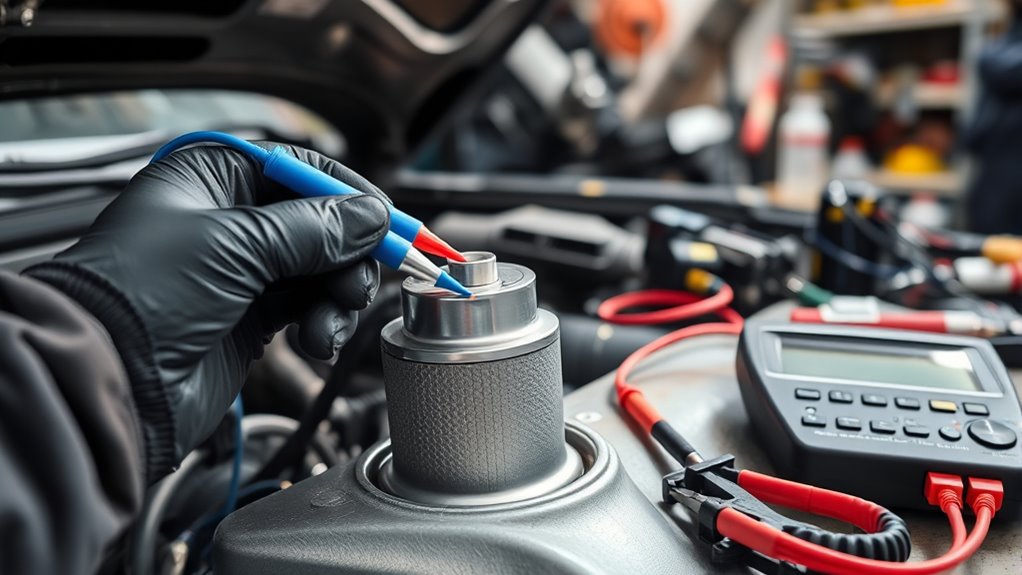
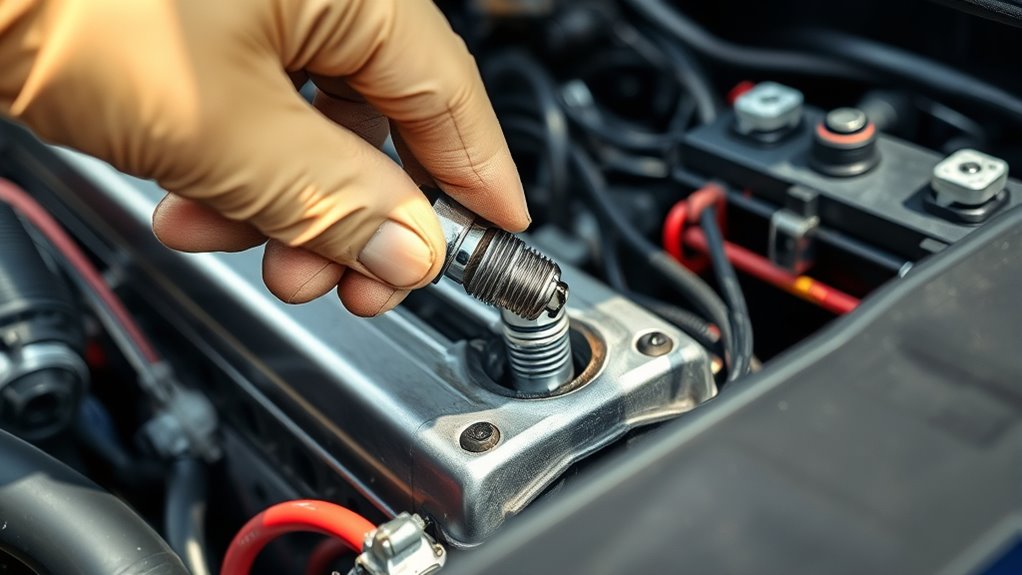
Do I Need to Disconnect the Battery When Changing Spark Plugs?
Are you tired of the hassle and confusion when it comes to changing spark plugs? You’re not alone—many vehicle owners find this task a bit intimidating, especially with all the safety concerns involved.
If you’re wondering whether you need to disconnect the battery when changing spark plugs, you’re in the right place.
You usually don’t need to disconnect the battery when changing spark plugs, especially on modern vehicles with advanced wiring systems.
However, it’s a good idea to disconnect the negative terminal first to reduce electrical risks, especially if you’re working near electrical components or on an older car.
Taking these precautions can prevent sparks, shorts, or damage.
To find out if your vehicle requires special steps, especially for specific models, keep exploring further.
Key Takeaways
- Modern vehicles often don’t need you to disconnect the battery when changing spark plugs, but always check the manufacturer’s guidelines.
- It’s a good idea to disconnect the negative terminal first to reduce electrical hazards while working.
- Disconnecting the battery can lower the risk of electrical shorts, sparks, and damage to electronic parts.
- Be sure to check your vehicle’s manual to see if you need to disconnect the battery.
- If you’re unsure or working on sensitive electronics, it’s safer to disconnect the battery before replacing the spark plugs.
What Are Spark Plugs and Why Do They Matter?
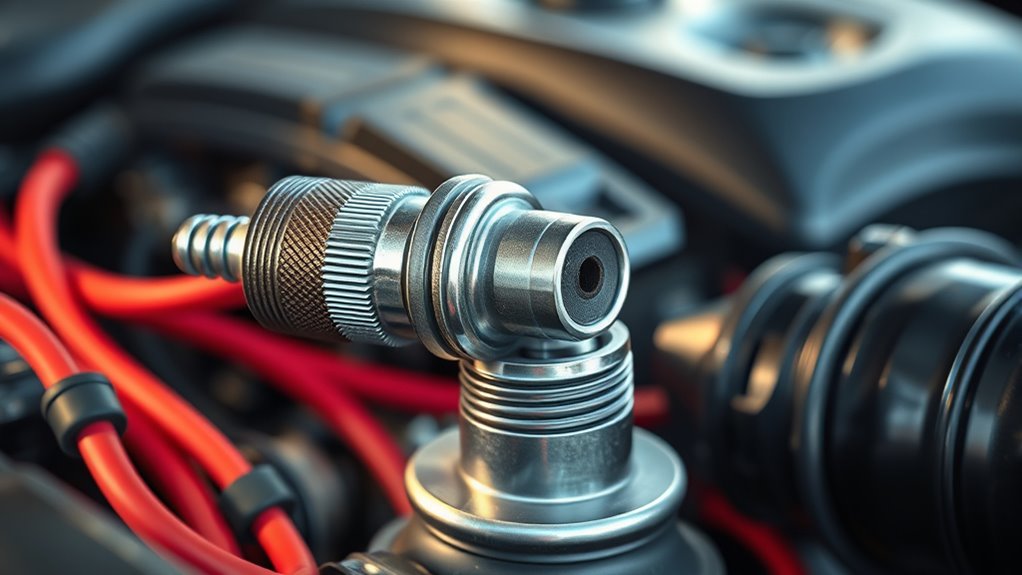
Spark plugs are small but essential parts of your vehicle’s engine. They ignite the air-fuel mixture to give your car the power it needs.
Their role is crucial because if the spark plugs aren’t working right, your engine won’t run smoothly or efficiently. When they get dirty or worn out, your engine might misfire, lose power, or burn more fuel.
Knowing how important spark plugs are can help you see why regular maintenance is key. Plus, issues like battery corrosion can impact your car’s electrical system, which in turn affects your spark plugs.
Corrosion around the battery terminals can cause poor electrical flow, leading to misfires or starting problems. That’s why keeping your battery terminals clean and tight is so important.
When your spark plugs work well and your electrical system is healthy, your engine runs reliably. So, understanding what spark plugs do and taking care of your electrical connections keeps your vehicle in top shape.
Do Modern Cars Require Removing the Battery to Change Spark Plugs?
Most modern cars don’t need you to remove the battery when you’re changing the spark plugs, mainly because their wiring systems have become a lot simpler. That said, it’s still a good idea to take safety precautions to avoid any electrical issues or accidental damage. Knowing how your vehicle’s wiring and overall design are set up can really help you figure out whether disconnecting the battery is necessary or not.
Battery Removal Necessity
You usually don’t need to remove the battery when changing spark plugs on modern cars. For battery maintenance and safety, disconnecting the battery isn’t necessary unless your vehicle’s manual says otherwise.
Modern car design minimizes the need to interfere with the electrical system during spark plug replacement. Most spark plug changes don’t directly impact your car’s electrical system.
Removing the battery might only be needed if you’re working on sensitive electronic parts or wiring. Always check your vehicle’s owner’s manual before starting any maintenance to see if disconnecting the battery is recommended.
Modern Vehicle Wiring
Because modern vehicles are designed with advanced wiring and electrical systems, removing the battery isn’t usually necessary when changing spark plugs. These systems protect sensitive electronics from voltage surges, reducing the risk of battery corrosion or damage during maintenance.
Many newer cars have built-in safety features and diagnostic ports that allow repairs without disconnecting the battery. This makes vehicle diagnostics easier and helps identify electronic issues faster.
However, if your vehicle’s wiring or electronic control units are especially complex, it’s a good idea to check the manufacturer’s guidelines. In most cases, working around the battery keeps the wiring harness intact and avoids unnecessary complications.
Safety Precautions Needed
Is it necessary to remove the battery when changing spark plugs in modern cars? Not always, but it’s really important to follow safety precautions. This helps protect you and ensures your battery stays in good shape.
Start by disconnecting the negative terminal first. This prevents electrical accidents and stops short circuits from happening. Make sure to work in a well-ventilated, dry area to reduce safety risks around electrical parts.
Use insulated tools whenever possible. This way, you’re less likely to spark or get shocked while working near electrical components. Many newer cars don’t need the battery removed, but disconnecting it keeps everything safer.
Always check your vehicle’s manual for specific instructions. Prioritizing safety makes the process safer and helps you avoid electrical hazards when replacing spark plugs.
Risks of Not Disconnecting the Battery During Spark Plug Replacement
Failing to disconnect the battery during spark plug replacement can lead to serious electrical issues. One major risk is battery corrosion, which happens if sparks or electrical shorts damage the battery terminals. Corrosion can weaken connections, causing electrical failures and costly repairs later on.
Moreover, not disconnecting increases the chance of accidentally triggering electrical components, potentially damaging sensitive electronics in your vehicle. You might try using alternative tools to skip safety steps, but this raises the risk of sparks or shorts. Such mishaps could even cause electrical fires or component failures.
Additionally, leaving the battery connected could cause the ignition or other systems to activate unintentionally, making the repair more complicated. Overall, ignoring this safety step exposes you to avoidable hazards, making the task more dangerous and costly.
Disconnecting the battery is a simple move that greatly reduces these risks and helps protect your vehicle’s electrical system.
When Should You Disconnect the Battery When Replacing Spark Plugs?
You should disconnect the battery before starting the spark plug replacement whenever you need to access the engine’s electrical system or work near sensitive components. This simple step helps prevent electrical shorts, sparks, and damage to your vehicle’s electronics.
Consider disconnecting the battery if your vehicle has an older, battery aging, which can increase the risk of electrical issues during maintenance. Also, if you’re upgrading to eco-friendly replacements that involve electrical modifications or sensitive sensors, it’s a good idea to disconnect the battery.
Disconnect the battery for older vehicles or when upgrading to eco-friendly, sensor-sensitive components.
You might want to do this if you’re working in a tight space where electrical sparks could ignite a fire or harm nearby parts. Disconnecting the battery keeps you and your vehicle safe and helps avoid costly damage.
Modern vehicles are more sensitive to electrical interference, so this step is more important than ever. If your battery is relatively new and in good shape, you might skip this step. Still, it’s always best to err on the side of caution when working with electrical systems.
Tools You Need Before Changing Your Spark Plugs
Before you dive in, make sure you’ve got all the right tools on hand. You’ll want to have the correct socket sizes for your spark plugs — it’s super important to use the right ones so you don’t strip or damage anything.
On top of that, it’s helpful to have a few extra hand tools like a torque wrench and some extensions. These will make the job a lot easier and help you get everything just right. Putting everything together before you start will definitely save you time and a bit of frustration down the road.
Necessary Socket Sizes
To successfully change your spark plugs, having the right socket sizes is essential. Most vehicles need a spark plug socket, usually 5/8 inch or 13/16 inch, with a rubber or foam insert to protect the ceramic insulator during removal.
Make sure you also have a deep socket to reach plugs deep in the engine bay and an extension bar for hard-to-access spots. A ratchet wrench is helpful for torque and control.
These tools come in handy when inspecting spark plugs for wear or signs of battery corrosion on terminals. Using the correct socket size prevents damage to your spark plugs or threads, making the job easier.
Having the proper sockets not only prevents damage but also saves you time and reduces frustration during maintenance.
Additional Hand Tools
Gathering the right hand tools is essential for a smooth spark plug change, especially since some tasks need more than just sockets. You’ll want a set of ratchets and extension bars to reach those hard-to-get plugs, plus a spark plug gap tool for accurate calibration.
Consider pliers for removing stubborn wires or boots, and a wire brush to clean corroded terminal connections. Prioritize battery safety by disconnecting the battery to prevent shocks, and include insulated gloves if needed.
Tool ergonomics matter too, so pick tools with comfortable handles for better control and less fatigue. This makes handling safer, helps you access tight spaces more easily, and reduces the chance of damaging delicate parts.
Having the proper tools prepared makes the job safer, quicker, and way easier.
How to Safely Disconnect the Battery (If Needed)
Disconnecting your vehicle’s battery is a simple way to prevent electrical issues or shocks while changing spark plugs. Doing it properly keeps your electrical system safe and prevents damage to sensitive parts. Here’s how to do it safely:
First, turn off your ignition and remove the keys. This avoids electrical arcing. Then, use a wrench to loosen the negative (-) battery terminal first, followed by the positive (+) terminal.
Carefully lift the cables away from the posts, making sure the terminals don’t touch to prevent sparks. Always disconnect the negative terminal first since it’s your vehicle’s main ground. When reconnecting, attach the positive terminal first, then the negative.
Be gentle with the battery cables and avoid letting them touch metal parts or each other while disconnected. Following these steps helps keep your battery safe and ensures proper electrical grounding during your spark plug change.
Step-by-Step: How to Change Spark Plugs Safely
Once the battery is safely disconnected, you can start to access the spark plugs. If necessary, remove the engine cover and locate the spark plug wires or ignition coils.
Be gentle when handling the wiring to avoid damage, and make sure to note their order for when you put everything back together.
Carefully disconnect each wire or coil, avoiding pulling on the wires directly to protect their integrity and keep the battery healthy.
Next, use a spark plug socket and ratchet to loosen each spark plug by turning counterclockwise with steady pressure.
Once they’re out, check the gap and overall condition of the plugs. Replace them if they’re worn or dirty.
Before installing new spark plugs, apply a light layer of anti-seize compound to the threads. Just avoid over-tightening to prevent damage.
Insert each spark plug by hand first, then tighten with a torque wrench if your car’s specifications call for it.
This helps ensure proper seating without risk of damage or safety issues during charging.
Finally, reconnect the wires or ignition coils in the reverse order, making sure everything is secure and properly aligned.
Common Mistakes to Avoid During Spark Plug Replacement
Being aware of common mistakes can save you time and prevent damage during spark plug replacement. One mistake is neglecting to disconnect spark plug wires properly, which can cause damage or misfires later. Always handle wires gently and note where they go.
Second, avoid rushing the engine cleaning process. Using too much cleaning solution or scrubbing aggressively can harm nearby parts. Clean the engine bay carefully before removing the old plugs.
Third, neglecting to inspect or replace spark plug wires when they’re worn can lead to poor engine performance. If wires have cracks or damage, don’t reuse them. Replace any damaged wires for best results.
Also, stepping on the gas to turn the engine on during replacement might seem quick, but it can cause electrical issues. Take your time and be gentle.
Make sure engine cleaning is thorough but gentle, and double-check the spark plug wires for damage. These steps help prevent common pitfalls and keep your engine running smoothly.
Additional Safety Tips for Spark Plug Maintenance
To stay safe during spark plug maintenance, always wear protective gloves and safety glasses.
Before working, confirm the battery terminals are disconnected to prevent accidental shocks or shorts.
When handling spark plug wires, be gentle to avoid damaging the insulation, which could cause electrical issues later.
Inspect the wires closely for any signs of wear or corrosion and replace them if needed to keep your engine running smoothly.
Keep your workspace clean and organized to avoid losing tools or dropping parts into sensitive engine areas.
Use insulated tools when working around electrical components, especially near the battery, to reduce the risk of sparks.
Double-check that all wires are reconnected correctly, matching each to its designated spark plug.
These precautions help minimize hazards, protect your vehicle’s electrical system, and ensure a safe, successful spark plug replacement.
Should You Do It Yourself or Call a Professional?
Changing spark plugs can be pretty straightforward if you know what you’re doing, but it’s super important to follow the right safety steps and have the proper tools on hand. If you’re comfortable with basic mechanical work and know your way around a car, you might be able to handle it yourself.
On the other hand, if you’re not confident dealing with electrical parts or don’t have the right gear, it’s probably a good idea to call in a professional. Sometimes, a small mistake can lead to bigger issues down the road, so it’s worth thinking about your experience and comfort level before jumping in.
Safety Considerations
Is handling your vehicle’s battery and spark plugs something you feel comfortable doing yourself? If not, think about the safety risks involved. Working with the battery can be dangerous because of potential corrosion, which might cause electrical shorts or sparks. Mishandling wiring can also damage the wiring itself, leading to future electrical problems.
To stay safe, always disconnect the battery properly to prevent accidental shorts. Check for signs of corrosion and clean the battery carefully. Handle wiring gently, avoiding pulling or bending wires too much. If you’re unsure about these steps or don’t feel confident in your skills, it’s best to call a professional. They have the experience to manage these risks properly, helping reduce the chance of injury or damage to your vehicle.
Skill and Equipment Needed
Handling your vehicle’s battery and spark plugs requires certain skills and tools. You should have a basic understanding of battery maintenance and electrical troubleshooting to avoid damaging sensitive components.
A socket set and spark plug socket are essential for removing and installing plugs, while a torque wrench ensures proper tightening. If you’re comfortable with basic engine work, replacing spark plugs can be straightforward.
However, if you lack experience, you might risk causing electrical issues or damaging the ignition system. In such cases, calling a professional is wise, especially since they have the expertise to handle complex electrical troubleshooting and ensure everything’s correctly reconnected.
Safety is paramount, so don’t underestimate the importance of the right skills and equipment before attempting this task yourself.
Frequently Asked Questions
Can Disconnecting the Battery Improve Spark Plug Replacement Safety?
Disconnecting the battery can improve spark plug replacement safety by preventing accidental electrical issues. It reduces the risk of electrical shorts or sparks that could damage the vehicle’s electrical system or cause injuries.
For better battery safety and peace of mind, it’s a good idea to disconnect the battery before working on ignition components. This simple step helps protect both you and the vehicle during the spark plug replacement process.
Does Disconnecting the Battery Affect Vehicle Computer Settings?
Disconnecting the battery can cause a minor, manageable reset, but it generally doesn’t harm your vehicle’s computer settings.
For battery safety, unplugging helps prevent electrical shorts or sparks.
If you’re worried about electronic resets, you might lose radio presets or custom configurations.
You can often avoid resets by using memory saver tools or checking your vehicle’s manual.
Are There Specific Vehicles That Always Require Battery Disconnection?
Some vehicles always require battery disconnection for safety and to avoid electrical issues during spark plug replacement.
While battery safety and charging procedures can vary, disconnecting the battery helps minimize risks of electrical shorts or damage to sensitive components.
Always check your vehicle’s service manual. For modern cars with sophisticated electronics, it’s best to disconnect the battery before working on spark plugs to prevent accidental damage and ensure safe, proper maintenance.
How Long Should I Wait After Disconnecting the Battery Before Working?
You should wait at least 10-15 minutes after disconnecting the battery before starting your DIY maintenance. This allows the vehicle’s electrical system to fully discharge, keeping things safe.
Waiting is like letting everything settle down—this helps you avoid surprises later. Always double-check that the battery’s disconnected before working on spark plugs or other electrical parts.
This way, you’ll have peace of mind and keep your project safe and smooth.
Can I Change Spark Plugs Without Disconnecting the Battery in Any Car?
Yes, you can change spark plugs without disconnecting the battery in most cars.
However, for safety and to prevent electrical issues, it’s a good idea to disconnect the battery if you’re working near sensitive electronics or doing alternator tests.
While sparks or short circuits are unlikely, disconnecting the battery helps protect your vehicle’s electrical system, especially during big repairs or upgrades.
Conclusion
In most cases, you don’t need to disconnect your battery when changing spark plugs, especially with modern vehicles designed for easier maintenance.
However, it’s a good idea to check your owner’s manual because some cars might require disconnecting the battery to prevent electrical damage or accidental engine start.
Taking safety precautions always reduces risks. But understanding your car’s specific needs and how spark plugs work can help you decide if doing it yourself is safe or if it’s better to call a professional.
When it comes to replacing spark plugs, knowing whether to disconnect the battery can make the process safer and easier.