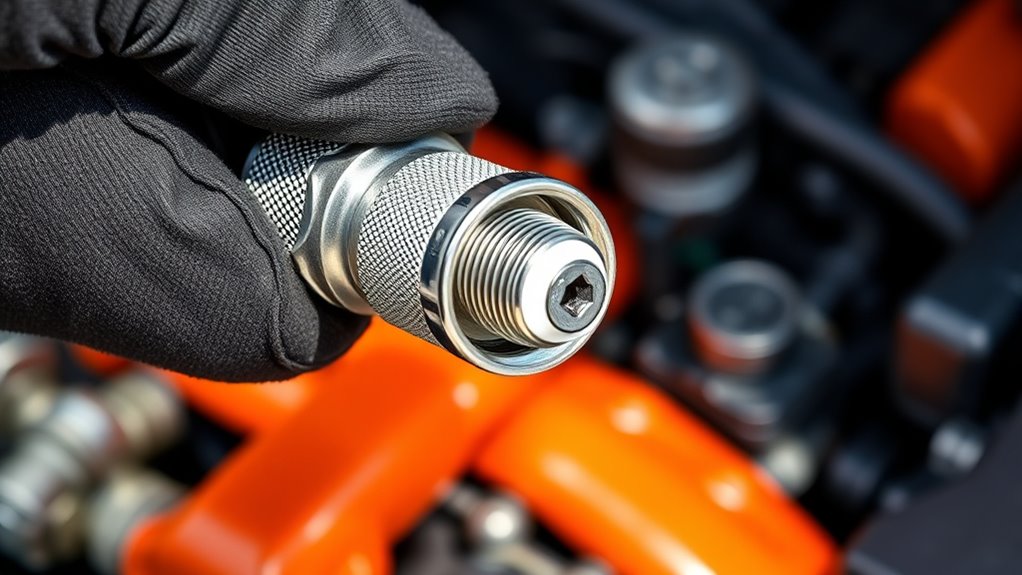
How to Replace Spark Plugs Using the Proper Socket Size
Replacing spark plugs might seem intimidating if you’re not familiar with the process, but you’re not alone—many people struggle with doing it correctly.
Whether you’re trying to improve your engine’s performance or just doing routine maintenance, getting the right tools makes a big difference.
Using the proper socket size for spark plugs is essential for a quick, secure, and damage-free replacement.
To replace spark plugs using the proper socket size, first check your vehicle’s manual for the correct specifications or measure your existing plugs with a caliper.
Choose a socket that fits snugly, typically 5/8 inch or 13/16 inch hex sizes, and attach it to a wrench with an extension.
Carefully remove the old plugs, then install the new ones by threading them in by hand and tightening with a torque wrench to the recommended setting.
Keep going for detailed tips to guarantee a smooth, secure fit and ideal engine performance.
Key Takeaways
- Check the vehicle owner’s manual to find the right spark plug size and specs before you start.
- Use a caliper to measure your existing spark plugs to make sure they match and are compatible.
- Pick a spark plug socket that fits snugly and matches the size and hex shape of the plug.
- When installing, use a torque wrench to tighten the new plugs to the manufacturer’s recommended torque.
- Look over the gaskets; clean or replace them if needed to make sure everything seals properly.
How to Find the Right Spark Plug Size for Your Vehicle
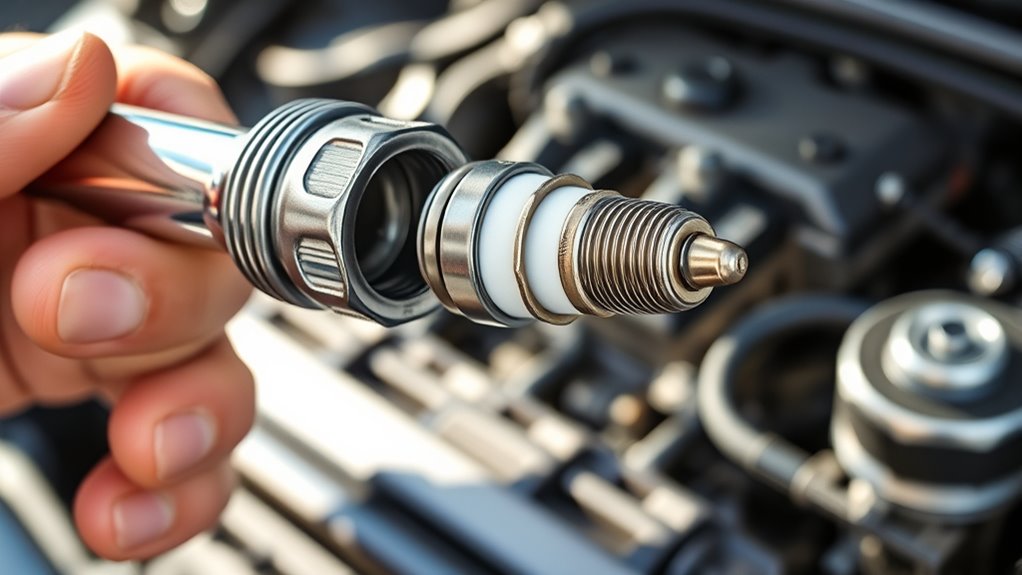
Are you unsure how to determine the correct spark plug size for your vehicle? The key is understanding spark plug dimensions and socket sizing.
First, check your owner’s manual or vehicle specifications to find the recommended spark plug size. This usually includes thread diameter, reach, and heat range.
Check your owner’s manual for recommended spark plug size, including thread diameter, reach, and heat range.
Once you have these details, measure the existing spark plug if you’re replacing one. Socket sizing is also important; you’ll need a socket that fits the hex part of the spark plug snugly.
Most spark plugs use a 5/8-inch or 13/16-inch socket, but it varies depending on your vehicle. Using the wrong socket size can strip the threads or make removal difficult.
Double-check the socket dimensions before starting, making sure it matches the spark plug’s hex size exactly. Correct measurement and socket sizing make replacing your spark plugs safer and easier.
What Tools Do You Need to Replace Spark Plugs Properly?
To replace spark plugs properly, gathering the right tools is the first step. You’ll need a socket wrench with the correct size spark plug socket—usually a 5/8-inch or 13/16-inch, depending on your vehicle.
An extension bar helps reach deep into the engine bay, making removal easier. A torque wrench guarantees you tighten the new plugs to the manufacturer’s specifications, which is essential for proper spark plug lubrication and ideal engine tuning.
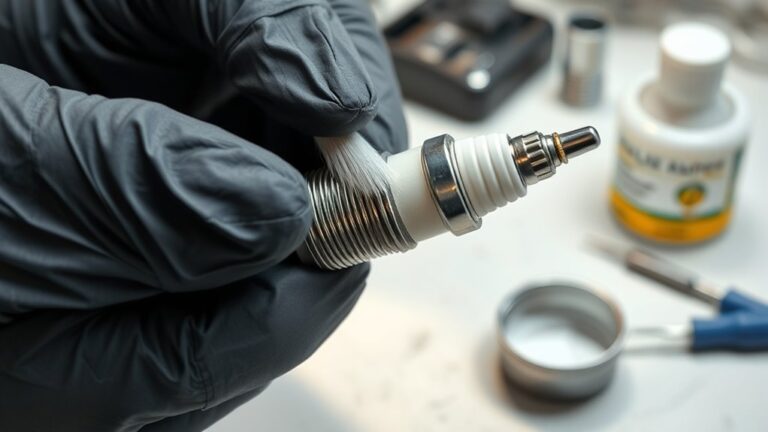
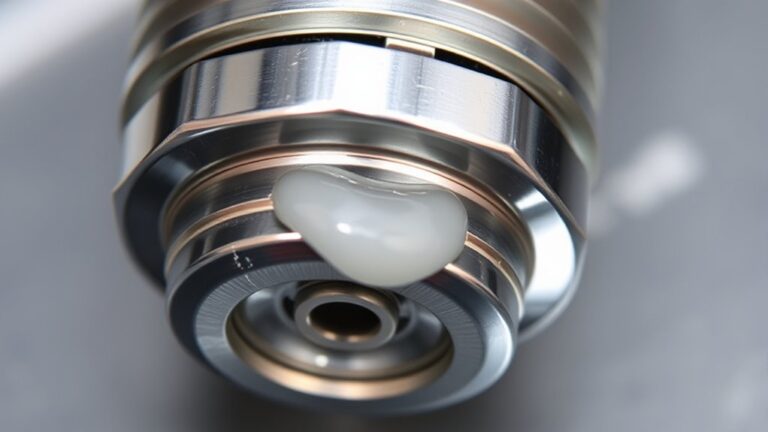
You might also want a rubber nozzle or anti-seize compound to prevent future seizing and make installation smoother. A spark plug gap tool is helpful for checking and adjusting the electrode gap before installing, which improves engine performance.
Finally, keep a clean cloth nearby to wipe away dirt and debris, avoiding contamination that could impact engine tuning. With these tools, you’ll be set to replace your spark plugs efficiently and keep your engine running smoothly.
How to Measure and Confirm the Correct Spark Plug and Socket Sizes
Before you get started, it’s really important to find out which spark plug is the right one for your engine. You can do this by checking the specifications in your vehicle’s manual or simply comparing it to the spark plug you already have. This way, you’ll make sure you’re using the correct size from the start.
Once you’ve identified the right spark plug, the next step is to choose a socket that fits it snugly. Make sure the socket isn’t too loose or too tight—just the right fit—to avoid any damage while you’re removing or installing the plug. Being precise with your measurements helps ensure everything goes smoothly.
Identifying the Right Spark Plug
How can you be sure you’ve got the right spark plug for your vehicle? Check the spark plug specifications, focusing on size, thread type, and heat range. Confirm the spark plug material—copper, platinum, or iridium—since it impacts ignition performance.
Use your vehicle’s manual or a parts database to match these details accurately. Here’s a quick reference:
| Spark Plug Type | Material | Correct Size (inch/mm) |
|---|---|---|
| Standard | Copper | 5/8″ or 14mm |
| Premium | Platinum | 13/16″ or 21mm |
| High-Performance | Iridium | 14mm |
| Extended Life | Double Platinum | 12mm or 0.45” |
Matching these details ensures your ignition performs well and keeps the engine running efficiently.
Selecting the Proper Socket Size
Choosing the correct socket size is key to making sure you get a proper fit when removing or installing spark plugs. First, check the spark plug’s hex size, which is usually 5/8 inch or 13/16 inch, but double-check with the manufacturer’s specs.
Using the right socket helps prevent damage to the spark plug or threads, especially if corrosion or rust has built up. Corrosion can make removal more difficult, so don’t guess—measure the hex with a caliper.
Make sure the socket fits snugly around the spark plug without slipping. Proper sizing keeps everything secure and avoids stripping or breaking the plug, ensuring the spark plug seats correctly for optimal engine performance.
Step-by-Step Guide to Removing Your Old Spark Plugs
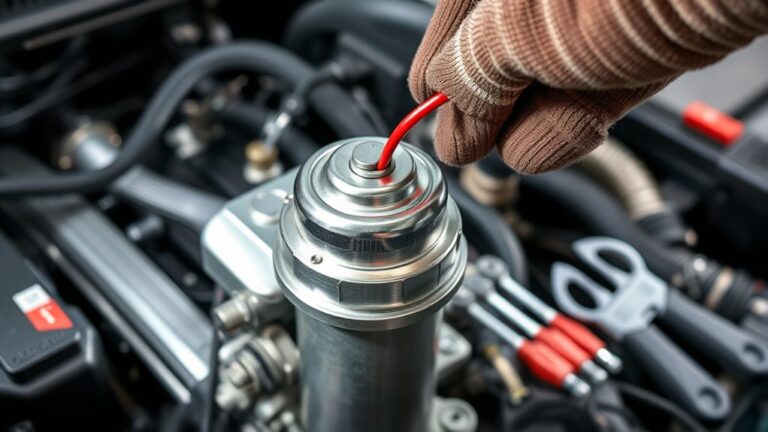
Removing your old spark plugs is pretty straightforward, but you should do it carefully to avoid damaging anything. First, disconnect the negative battery terminal to prevent electrical issues.
Next, locate the spark plugs. Keep in mind that access can vary depending on your engine. Carefully remove the spark plug wires or ignition coils, noting their positions for later.
Grab a spark plug socket with a ratchet and extension, then gently turn counterclockwise to loosen the spark plug. Watch out for corrosion, which can make removal trickier and risk damaging the porcelain or metal shell.
If a spark plug is stubborn, apply a little penetrating oil around its base and wait a few minutes. Use steady, even pressure to remove the old spark plug.
Once it’s out, inspect the electrode and ceramic for any damage or build-up. This helps you prepare for installing the new plugs.
How to Install New Spark Plugs Using the Correct Socket
Are you ready to install new spark plugs confidently? Using the correct socket size is key to ensuring your spark plugs are properly seated. This helps boost engine performance and makes your spark plugs last longer.
Choose a spark plug socket that fits snugly without needing force. This prevents damaging the porcelain insulator or electrode. Before installing, check that the socket’s rubber insert grips the spark plug securely to avoid slipping.
When fitting the new plug, thread it by hand first. This helps prevent cross-threading. Then tighten it gently with the socket. Be careful not to overtighten, as this can crack the ceramic or strip the threads.
Proper torque is essential for excellent spark plug function and engine health. After installation, double-check that the spark plug sits flush and is securely in place.
Using the right socket size and technique guarantees a tight, precise fit. This maintains your engine’s efficiency and keeps your spark plugs working their best for longer.
Mistakes to Avoid When Selecting and Using Spark Plug Sockets
Using the wrong spark plug socket or making mistakes during selection can cause damage or poor installation. Common errors include choosing tools that don’t match your spark plug size, which can strip threads or crack parts.
Avoid mismatched tools because they put unnecessary stress on components and might lead to costly repairs. Always double-check that your socket size matches your spark plug specifications.
Here’s a quick reference:
| Issue | Consequence |
|---|---|
| Using ill-fitting sockets | Cross-threading or damaging the spark plug |
| Mismatched tools | Stripped sockets or damaged threads |
| Not checking socket depth | Incomplete seating or difficulty tightening |
| Rushing selection | Poor fit, causing the socket to slip |
Pay close attention to sizing and compatibility to avoid these problems. Choosing the right socket and steering clear of common mistakes makes your spark plug replacement cleaner and safer.
How to Check if Your Spark Plug Fits Properly and Seals Correctly
How do you know if your spark plug fits just right and seals properly? Well, first, make sure you’re using the right socket size. It should fit snugly around the spark plug without forcing or stripping the threads—that’s key.
When you tighten the plug, give it a gentle pull to see if the seal feels tight and secure. And don’t forget to check the gasket—look it over for any signs of damage or wear. If it’s in good shape, you’ll get a proper seal.
Getting the fit and seal just right is super important to prevent leaks and keep your engine running at its best.
Correct Socket Size
Determining the right socket size for your spark plug is key to ensuring it fits properly and seals well. Picking the right size helps prevent damage and keeps the connection secure.
Measure the hex size of your spark plug or check your vehicle’s manual to find the correct fit. Keep in mind that spark plug sizes can vary slightly, so it’s a good idea to test the socket before fully installing.
The material of the socket also matters for durability. Chrome or composite sockets tend to resist corrosion better over time.
Here’s a quick reference for common socket sizes:
| Socket Size | Material | Best Use |
|---|---|---|
| 5/8 inch | Chrome | Standard spark plugs |
| 13/16 inch | Composite | High-performance engines |
| 14 mm | Steel | European vehicles |
| 21 mm | Alloy | Heavy-duty applications |
Using the correct size and quality socket ensures a proper fit and a lasting seal.
Check Seal Tightness
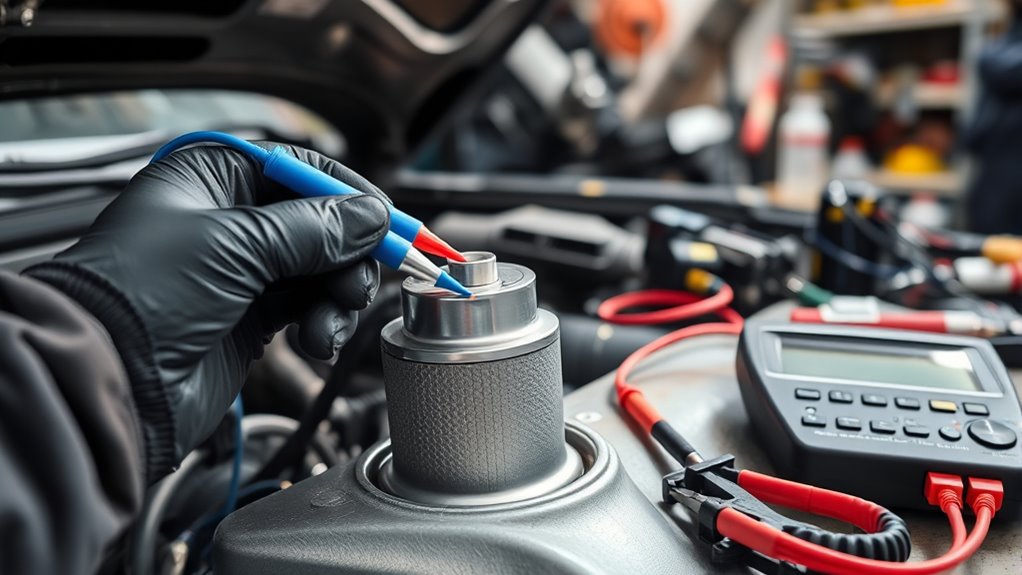
To make sure your spark plug is installed correctly and sealing well, start by tightening it gently by hand. Then, use a torque wrench to apply the manufacturer’s recommended torque.
Next, check if it fits snugly and seals properly. You should feel some resistance—that’s a sign it’s seated correctly. Look at the spark plug’s color; a consistent hue shows a good seal.
Keep in mind that spark plug materials can expand or contract a bit, which might affect the seal tightness. To double-check the fit and seal:
- Make sure there’s no gap between the spark plug and the cylinder head.
- Confirm it feels snug but not forced.
- Check for even contact to avoid uneven gaps.
- When tightening to the proper torque, listen for a firm “click.”
Getting the seal just right ensures your engine runs at its best and prevents leaks.
Inspect Gasket Condition
Inspecting the gasket condition is essential to guarantee your spark plug fits properly and seals effectively. You want to assess the gasket’s durability and overall condition, making sure it’s not cracked, torn, or worn down.
A damaged gasket can compromise seal integrity, leading to leaks and poor engine performance. Carefully examine the gasket’s surface for any signs of deterioration or deformation. If you see damage or deformation, replace it with a new one to keep the seal tight.
Ensuring the gasket is in good shape helps prevent compression leaks, misfiring, or reduced fuel efficiency. Remember, a well-maintained gasket supports optimal engine performance, so don’t skip checking its condition when installing or inspecting your spark plugs.
Benefits of Using the Correct Socket Size for Spark Plug Maintenance
Using the correct socket size for spark plug maintenance ensures you can remove and install plugs smoothly without causing damage. This precision helps keep the spark plug in good shape, including its color, which shows how well your engine is running.
When you use the right spark plug driver, you lower the chances of stripping threads or cracking the ceramic insulator. A properly-sized socket applies the right amount of force, protecting your spark plugs from unnecessary damage.
Benefits include:
- Confidence that your spark plugs are seated correctly, helping prevent misfires.
- Preservation of the spark plug’s integrity, especially the ceramic and electrode.
- Less risk of stripping threads or damaging the spark plug threads.
- Faster, easier maintenance, saving you time and effort.
Choosing the right socket size helps you work precisely, which means your spark plugs last longer and your engine runs better. Using proper tools makes spark plug maintenance less stressful and more effective.
What to Do If Your Spark Plug Does Not Seat or Fit Correctly?
Have you ever tried to install a spark plug only to find it won’t seat properly? This issue could be caused by corrosion or damaged threads.
First, remove the partially installed plug and inspect the threads inside the cylinder head. If you see corrosion or debris, carefully clean it with a thread brush or compressed air.
If the threads are damaged, you might need a thread repair kit or a Helicoil insert to restore proper fit. Avoid forcing the spark plug, as cross-threading can cause more damage.
If the spark plug still doesn’t fit correctly after cleaning and repair, consider replacing it with a new one. Ensuring the threads are clean and intact helps it seat properly, preventing misfires and engine problems.
Taking these steps keeps your engine running smoothly and helps avoid costly repairs down the line.
Why Using the Right Socket Size Saves Time and Prevents Engine Damage
Using the right socket size makes a big difference. It fits the spark plug perfectly, which keeps you safe and stops the threads from getting stripped or damaged. When you’re using the correct size, you’ll find that the job goes much more smoothly and quickly. It honestly saves you time in the long run.
Plus, choosing the right socket helps protect your engine from expensive repairs. It prevents you from accidentally damaging parts or messing up the threads, so everything stays in good shape. In short, grabbing the right socket isn’t just about convenience — it’s about keeping your engine happy and avoiding unnecessary headaches.
Proper Fit Ensures Safety
Why is selecting the correct socket size so essential when replacing spark plugs? Using the right fit ensures safety and keeps your engine running smoothly. An ill-fitting socket can slip, damaging the spark plug or stripping threads, which can lead to costly repairs. Plus, the spark plug color and ignition timing depend on proper installation; forcing the wrong socket risks misalignments that affect engine performance.
Here’s why proper fit matters:
- Prevents slipping, reducing injury risk.
- Protects spark plug integrity.
- Maintains accurate ignition timing.
- Ensures the right spark plug color indicates healthy operation.
Choosing the correct socket makes your job safer, faster, and helps guarantee *ideal* engine performance.
Minimizes Thread Damage
Choosing the correct socket size is essential because it directly prevents damage to the spark plug threads during removal and installation. Using a socket that fits properly ensures compatibility with the spark plug, which helps prevent stripping the delicate threads.
An ill-fitting socket can slip or bite into the metal, leading to costly repairs or the need to replace the spark plug entirely. When you select the right size, torque is distributed evenly, protecting the threads from excessive force.
Consistent socket compatibility also allows for smooth engagement and disengagement, minimizing the chance of cross-threading or damaging the spark plug or cylinder head. Proper fit not only saves time but also keeps engine components intact, avoiding unnecessary repair costs.
Accelerates Replacement Process
A proper socket size not only protects your spark plug threads but also speeds up the replacement process. Using the right tool minimizes frustration and ensures you’re working efficiently. With the correct socket sizing, you avoid slipping or stripping the spark plug, preventing costly repairs.
This saves you time by reducing the chance of damaging threads, which keeps the engine running smoothly. It also speeds up removal and installation, so you spend less time on each cylinder.
Maintaining spark plug integrity is crucial because proper gap and fit are key for ignition timing. Choosing the right socket prevents engine misfires or performance issues caused by improperly fitted plugs, safeguarding ignition timing and engine health.
Using the right socket directly contributes to faster, safer spark plug replacements, so you get your engine back on track quickly.
Frequently Asked Questions
Can Using the Wrong Socket Size Damage My Engine?
Using the wrong socket size can damage your engine by stripping the spark plug or causing corrosion, making removal difficult. It also affects socket wrench compatibility, increasing the risk of slippage and damage to spark plug components.
Always use the correct socket size to prevent damage to the spark plug and engine parts. A proper fit not only reduces the chance of corrosion but also ensures efficient removal.
How Often Should I Replace My Spark Plugs?
Think of your engine like a well-tuned orchestra. Your spark plugs are the conductors.
You should replace your spark plugs every 30,000 to 50,000 miles, depending on your vehicle’s spark plug lifespan and manufacturer recommendations.
Following a proper maintenance schedule guarantees smooth performance and helps prevent costly repairs.
Keep an eye out for signs like misfires or reduced fuel efficiency.
Staying vigilant will keep your engine humming like a finely tuned symphony.
What Are Signs of a Faulty or Worn Spark Plug?
If your engine misfires, struggles to start, or idles roughly, these can be signs of a faulty spark plug. You might also notice that your fuel efficiency has dropped and that ignition troubleshooting is needed.
Worn spark plugs can cause poor acceleration and higher emissions. It’s a good idea to check them regularly for any signs like oil fouling, cracks, or erosion.
Replacing worn sparks helps keep your engine running smoothly, improves fuel economy, and prevents further ignition issues.
Is It Necessary to Apply Anti-Seize Compound on Spark Plugs?
Imagine you’re changing your spark plugs to keep your engine running smoothly. Applying anti-seize compound isn’t always necessary, but it can offer some real benefits.
It helps prevent galling and makes future removals much easier. Using the correct spark plug torque is also important to avoid damaging the threads.
A case study showed that applying anti-seize helped keep spark plugs in good shape over time, especially under high temperatures. This ensures consistent performance and lowers the risk of thread damage.
Are There Safety Precautions to Consider When Replacing Spark Plugs?
You should always prioritize spark plug safety and tool safety when replacing spark plugs. Wear gloves and safety goggles to protect your eyes and skin from debris or accidental sparks.
Make sure your vehicle is off and cooled down before you start to prevent burns. Use the correct tools carefully to avoid damaging parts.
Following safety precautions helps prevent injuries and makes the process smoother and safer. Always work in a well-lit, ventilated area for added safety.
Conclusion
Using the right socket size for your spark plugs isn’t just about fitting; it’s about protecting your engine’s health. Many folks think any socket will work, but that can lead to cross-threading or damage.
When you pick the correct size, you’re ensuring a snug fit that lasts. It’s a simple step that makes a big difference in the long run.
So, next time you’re under the hood, remember—a proper socket size isn’t just a tool. It’s your car’s best friend for a smooth, safe spark plug replacement.