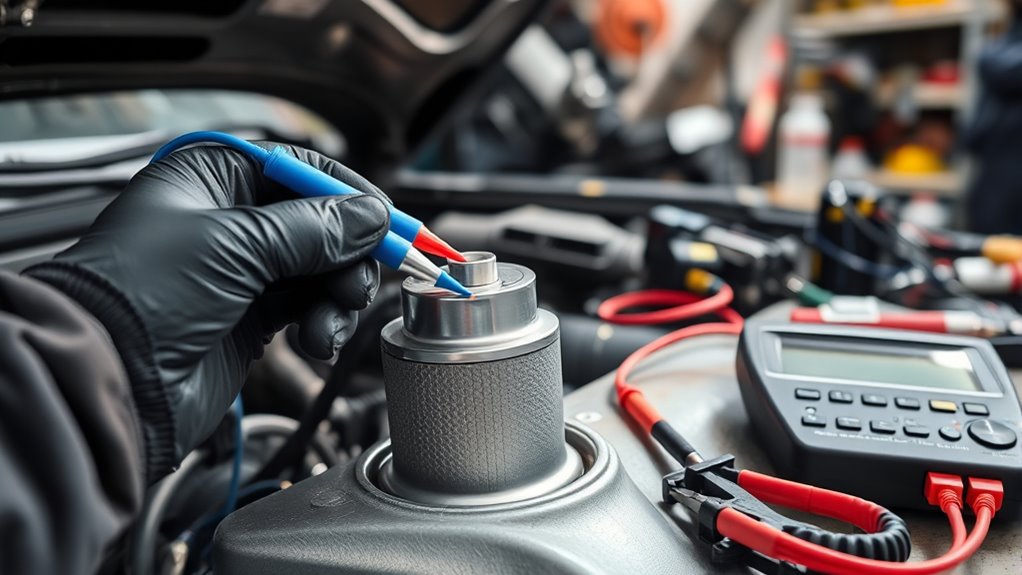
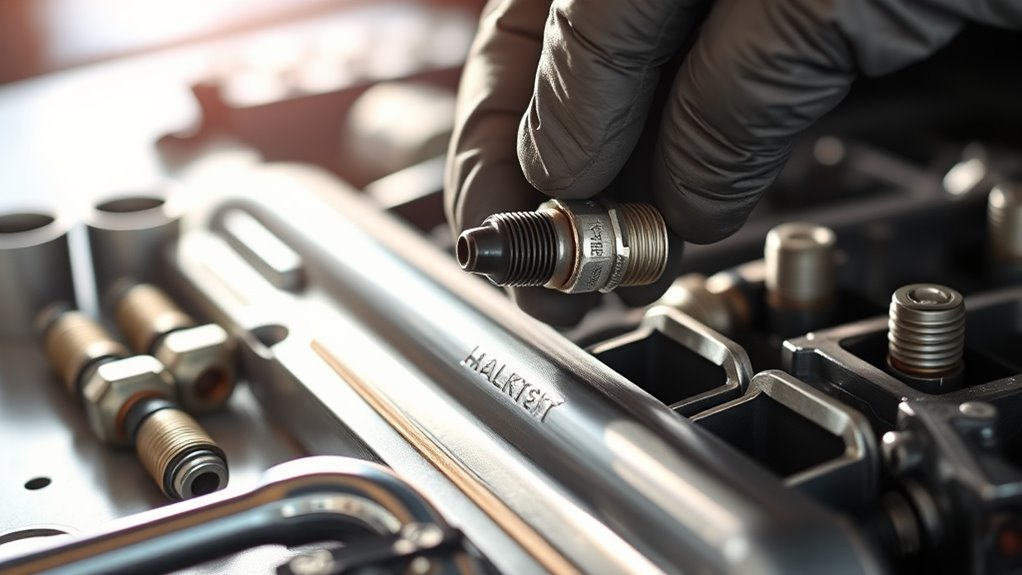
How to Fix Spark Plugs in Five Simple Steps
Troubleshooting spark plugs can be frustrating—many drivers struggle with uneven engine performance or rough idling. If you’re tired of these issues and want to keep your engine running smoothly, fixing your spark plugs is a great place to start. Don’t worry if you’re new to car maintenance; with a few simple steps, you can handle this task yourself.
To fix your spark plugs in five simple steps, first, gather the necessary tools like a socket, ratchet, and new plugs.
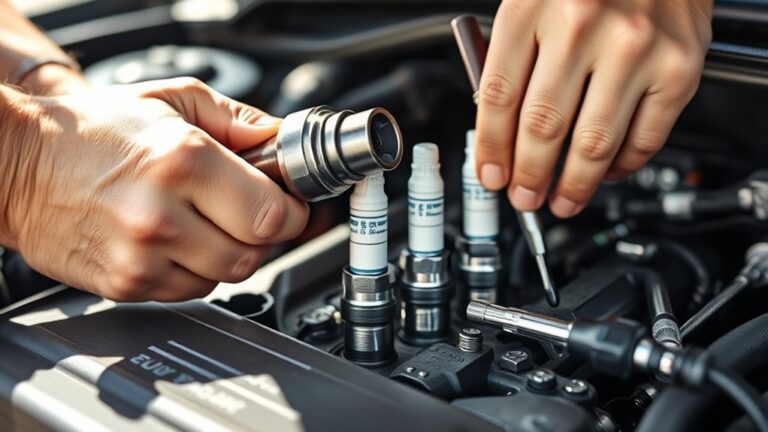
Then, safely disconnect the old spark plugs by removing the engine cover and loosening them with your socket.
Check if they need replacement or cleaning, and install new or cleaned plugs, tightening them to the correct torque.
Finally, reconnect everything, start your engine, and see how it performs.
If you want a smooth-running engine, there’s more to learn about proper maintenance.
Key Takeaways
- First, turn off your engine, disconnect the battery, and find the spark plugs following your vehicle manual.
- Carefully remove the old spark plugs using a spark plug socket and ratchet.
- Take a good look at the spark plugs for signs of wear, fouling, or cracks. If needed, replace them.
- Check the gap on the spark plugs and adjust it to match the manufacturer’s specs.
- Put in the new or cleaned spark plugs, tighten them to the right torque, and reconnect the ignition system.
Recognize the Symptoms of Failing Spark Plugs
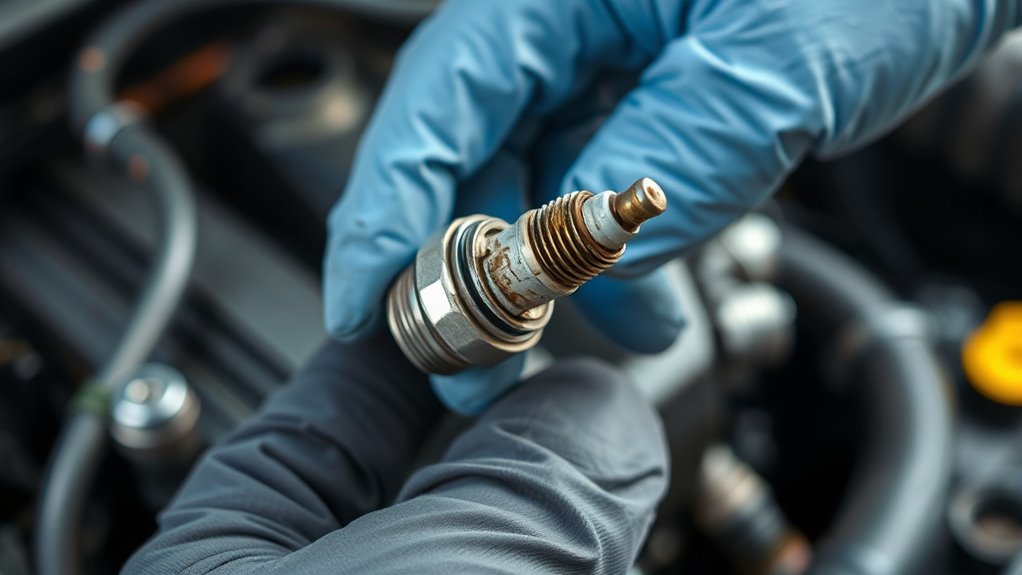
Failing spark plugs often give telltale signs that something’s wrong with your vehicle’s ignition system. Knowing how to recognize these signs helps you catch problems early.
Over time, the spark plug lifecycle naturally leads to wear and buildup, causing symptoms like misfires or rough idling. You may notice your engine has difficulty starting or runs unevenly.
Spark plug wear causes misfires, rough idling, and difficulty starting your engine.
A loss of acceleration or reduced fuel efficiency can also point to worn spark plugs. Moreover, you might see engine hesitation during acceleration or experience a noticeable increase in emissions.
Pay attention to the smell of gasoline, as a rich fuel mixture might be a sign of spark plug issues. Regular symptom identification ensures you catch early signs of failing spark plugs before they cause serious engine damage.
If you notice these symptoms, it’s time to inspect or replace your spark plugs to keep your engine running smoothly.
Understand Why Spark Plugs Are Crucial for Your Engine’s Performance
Spark plugs play an essential role in your engine’s performance by igniting the air-fuel mixture inside each cylinder. They ensure efficient combustion, which directly impacts your vehicle’s power and smoothness.
A well-functioning ignition system relies heavily on good spark plugs to produce a strong, consistent spark. When spark plugs wear out, your engine may misfire, reduce fuel efficiency, and struggle to run smoothly.
| Aspect | Impact on Performance |
|---|---|
| Ignition system | Sparks the air-fuel mixture |
| Fuel efficiency | Affects how well fuel is burned |
| Power output | Determines engine’s power |
| Emissions | Influences exhaust emissions |
| Engine smoothness | Ensures steady operation |
Understanding why spark plugs matter helps you see how they keep your engine running smoothly and efficiently. Properly functioning spark plugs save you money and hassle in the long run.
Gather Your Tools and Supplies for Spark Plug Replacement
Before you get started with replacing your spark plugs, it’s a good idea to gather all the tools you’ll need. This usually includes a ratchet, a spark plug socket, and an extension. Having these on hand will make the process a lot smoother.
You’ll also want to make sure you have the right replacement parts—like new spark plugs and some anti-seize compound. It’s always better to be prepared so you don’t have to stop in the middle of the job.
And don’t forget about your safety gear! Grab some gloves and eye protection to keep yourself safe and comfortable while working on your vehicle. Once you’ve got everything ready, you’re good to go!
Essential Tools Needed
Gathering the right tools is key to making your spark plug replacement smooth and hassle-free. Knowing the spark plug’s history is helpful because it shows you why it’s important.
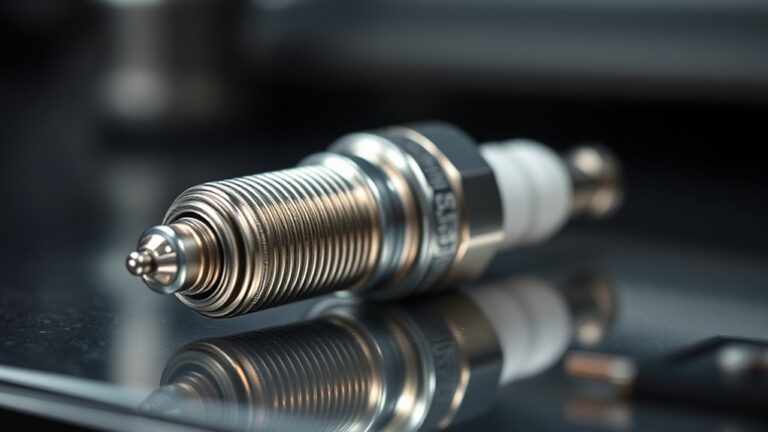
Being aware of materials like copper, platinum, or iridium can guide your approach and choice. To get started, you’ll need a spark plug socket, ratchet wrench, and an extension bar to reach those tight spots.
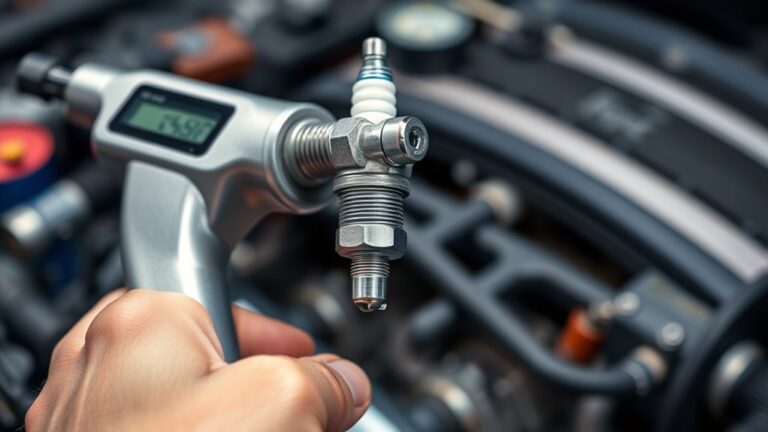
A torque wrench is important to tighten the plug properly so you don’t damage it. You might also want a gap gauge to check that the electrodes are set just right.
Having a wire brush or socket cleaner can help clear away corrosion or debris. Making sure you have these tools at hand will make the process quicker and help keep your engine running smoothly.
Required Replacement Supplies
To start your spark plug replacement, you’ll need to gather some supplies. Make sure you have new spark plugs that match your vehicle, along with a spark plug socket and a ratchet wrench.
You might also want a torque wrench to tighten the plugs properly. It’s a good idea to keep some anti-seize compound and dielectric grease nearby. They help with proper installation and prevent future issues.
A wire brush or spark plug cleaner can make cleaning the area easier. Having these essentials ready will make the whole process faster and smoother.
Double-check your vehicle’s manual for exact part numbers and torque specs. Being prepared with the right supplies makes your spark plug replacement much more efficient and successful.
Safety Gear Checklist
Have you checked that you have all the necessary safety gear before starting your spark plug replacement? Proper safety gear keeps you protected and helps prevent accidents.
Here’s what you need:
- Protective gloves – They shield your hands from dirt, sharp edges, and hot surfaces.
- Eye protection – Safety goggles or glasses are essential to guard your eyes from debris, dust, or splashes.
- Work gloves or protective clothing – To avoid scrapes and keep your skin safe from chemicals or grease.
Make sure all these items are within reach before you begin. Wearing the right safety gear ensures you can work confidently and safely through each step of replacing your spark plugs.
Locate and Access Your Spark Plugs Safely
First off, find the engine cover and gently lift or remove it so you can get to the spark plugs. It’s best to have the right tools on hand, like a spark plug socket and ratchet, to remove any fasteners without a fuss. Once you’ve cleared away any obstacles, you’ll be able to safely reach the spark plugs for checking or replacing them.
Find Engine Cover
Ever wonder how to safely access your spark plugs? It all starts with finding the engine cover. Usually, it’s made of plastic and sits on top of the engine.
Next, prepare for engine cover removal by disconnecting any clips or screws holding it in place. Once you remove it, you’ll have clear access to the spark plug area.
Here’s what you need to do:
- Find the bolts or fasteners securing the engine cover.
- Use the right tools to carefully remove the cover.
- Keep track of all clips and fasteners so nothing gets lost.
This step ensures you can access the spark plugs properly without damaging anything. Removing the engine cover is simple but essential for a safe spark plug replacement.
Use Proper Tools
Before attempting to replace your spark plugs, it’s essential to gather and use the proper tools to do the job safely and efficiently. You’ll need a spark plug socket, ratchet wrench, extensions, and possibly a torque wrench for proper tightening.
Using the right tools prevents damage and guarantees you can access your spark plugs safely, especially when dealing with tight spaces. Proper tools also help you avoid common misfire issues caused by incorrectly installed spark plugs.
Keep in mind that a spark plug’s lifespan varies, but regular maintenance with the correct tools ensures longevity. If you’re not using the right equipment, you risk damaging the spark plugs or engine components.
Always work carefully and methodically to maintain your engine’s performance and ensure safety.
Check Your Spark Plugs’ Condition to Decide What’s Next
To figure out what’s next for your spark plugs, you need to inspect them carefully. Look for signs like wear, deposits, or corrosion, which tell you if they’re still working well.
Inspect your spark plugs regularly for wear, deposits, or damage to keep your ignition system efficient.
Spark plug lifespan can vary, but most last between 30,000 to 50,000 miles. If your ignition isn’t running smoothly, worn-out spark plugs might be the cause.
Here are three key things to check:
- Electrode Wear: If the electrodes are rounded or eroded, it’s time to replace them.
- Deposits: Black, oily, or ash-colored buildup shows fouling or possible oil leaks.
- Cracks or Damage: Cracks in the porcelain or other damage mean you should replace the spark plug.
Checking these helps you decide if your plugs just need cleaning or if they’re ready for a full replacement.
A good inspection ensures your ignition system stays efficient and helps your spark plugs last longer.
Choose the Right Replacement Spark Plugs for Your Vehicle
When you’re picking out replacement spark plugs, it’s really important to make sure they match your vehicle’s specific model. I mean, you wouldn’t want to end up with the wrong size or heat range, right? So, take a look at your engine’s specs to figure out exactly what size and type of plugs you need.
Getting the right plugs isn’t just about making your engine run smoothly; it can also save you from potential problems down the line. So, it’s worth taking a little extra time to double-check what your vehicle actually requires.
Compatibility With Vehicle Model
How do you guarantee you’re choosing the right spark plugs for your vehicle? The key is understanding compatibility with your vehicle model. First, check your owner’s manual for specifications on spark plug type and size.
Second, consider your vehicle diagnostics data; some models need specific plugs to maximize fuel efficiency. Third, verify the spark plug’s heat range and gap to ensure it matches your engine’s requirements.
Failing to select compatible spark plugs can reduce fuel efficiency and compromise engine performance. Always cross-reference with the manufacturer’s guidelines or consult an expert if you’re unsure.
Properly matched spark plugs help maintain ideal fuel combustion, supporting better economy and smooth operation for your vehicle.
Correct Engine Specifications
Knowing your vehicle’s specific engine requirements is essential for selecting the right spark plugs. Your engine might have unique needs based on customizations or modifications, so always check the manufacturer’s specifications.
This includes looking at the correct heat range, gap size, and electrode design. Engine customization can influence which spark plug works best, so avoid generic options. When choosing replacement spark plugs, consider trusted spark plug branding to guarantee quality and longevity.
Using the wrong specifications or subpar branding can lead to misfires, reduced fuel efficiency, and engine damage. Always verify your engine’s technical requirements and choose spark plugs that meet or exceed those standards for superior performance.
Proper matching is key to a smooth, reliable engine operation.
Remove and Replace Spark Plugs Step-by-Step
Before you begin removing and replacing spark plugs, make sure your engine is cool to prevent burns and damage. Here’s a simple step-by-step guide to help you out.
First, disconnect the battery to avoid accidental sparks. Find your spark plugs in the engine bay, and keep in mind that different materials might need specific tools.
Next, remove the ignition coils or covers. Use a spark plug socket and ratchet to carefully unscrew each spark plug. Be gentle so you don’t damage the delicate ceramic insulator.
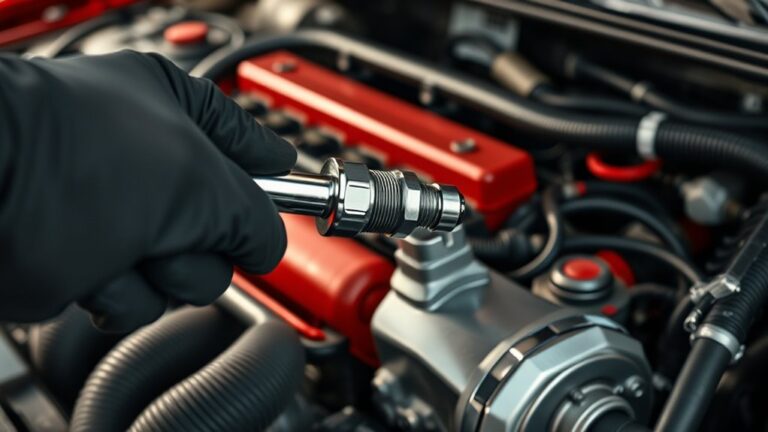
Then, check and replace the spark plugs. Look for signs of wear or damage. If you need new ones, make sure they match your engine’s specifications. Tighten them properly but avoid over-torquing to keep the ignition system working well.
Following these steps helps make the removal and replacement smooth, keeps your ignition system running properly, and extends the life of your spark plugs.
Tighten Spark Plugs Properly to Avoid Future Problems
To guarantee your engine runs smoothly and prevent damage, it’s essential to tighten spark plugs to the correct specifications. Proper torque prevents the threads from stripping or cracking, especially if the spark plug is older, which can become fragile over time. Use a torque wrench and follow your vehicle’s manual for the right pound-feet measurement.
Over-tightening can distort the threads or damage the cylinder head, leading to misfires or ignition timing issues. Under-tightening causes poor contact, which can lead to engine hesitation and difficulty starting.
Remember, spark plug age matters—older plugs may need to be tightened more carefully to avoid breaking. Once tight, check your ignition timing to ensure the spark plugs fire at the *ideal* moment.
Properly tightened spark plugs promote consistent ignition, engine performance, and fuel efficiency, helping you avoid future problems and costly repairs.
Test Your Engine and Troubleshoot Common Issues
Testing your engine and troubleshooting common issues helps ensure your vehicle runs reliably and efficiently. Regular checks can catch problems before they become major headaches.
Start by inspecting engine performance, looking for signs like misfiring or rough idling. These might be signs of issues with your spark plugs or ignition timing. If your engine isn’t running smoothly, it’s worth investigating.
Watch out for irregular fuel efficiency, especially if your miles per gallon drop suddenly. This can often point to faulty spark plugs or ignition problems that need attention.
Use diagnostic tools to scan for error codes related to ignition or fuel delivery. These scans can help pinpoint the exact issue faster, saving you time and guesswork.
If you notice trouble accelerating or your engine stalls, your spark plug timing might be off. Irregular fuel consumption is another clue pointing to ignition system trouble.
Regularly testing and troubleshooting keeps your spark plugs and ignition system in sync, helping your engine run smoothly and efficiently. Addressing issues early prevents more serious damage down the line.
Maintain Your Spark Plugs for Continued Smooth Performance
Maintaining your spark plugs is key to keeping your engine running smoothly and efficiently. Regular care improves fuel economy and makes sure your ignition system is working at its best.
Keep an eye on the condition of your spark plugs—make sure they’re clean, properly gapped, and free from carbon buildup. When your plugs are well-maintained, your vehicle starts easier and runs more smoothly.
Here’s a quick reminder of some key maintenance tips:
| Tip | Why It Matters | When to Do It |
|---|---|---|
| Check the gap regularly | Ensures proper ignition timing | Every 30,000 miles |
| Clean spark plugs if dirty | Prevents misfires | During routine checks |
| Replace worn-out plugs | Maintains fuel economy and power | Every 30,000-50,000 miles |
| Use quality spark plugs | Improves ignition system reliability | During replacement |
| Keep terminals tight | Ensures a consistent spark | During your check-ups |
Staying on top of this maintenance keeps your ignition firing correctly, boosts fuel efficiency, and helps your engine perform at its best.
Frequently Asked Questions
How Often Should I Replace My Spark Plugs?
You should replace your spark plugs based on their lifespan and the recommended replacement intervals. For most vehicles, that’s usually between 30,000 to 50,000 miles.
Keep an eye on how your engine performs, including fuel efficiency and any strange misfires. Regular maintenance can prevent problems and help your spark plugs last longer.
Check your vehicle’s owner’s manual for specific guidance. When you notice signs of wear, it’s best to replace them promptly so your engine keeps running smoothly.
Can I Replace Spark Plugs Myself if I’M a Beginner?
Yes, you can replace spark plugs yourself if you’re a beginner, especially with DIY maintenance.
Make sure you have the right tools, like a spark plug socket and a torque wrench. Follow safety precautions and check your vehicle’s manual for specific details.
Take your time, work carefully, and don’t rush. With patience and the right tools, you’ll gain confidence and save money on repairs.
What Are the Signs of Incorrectly Gapped Spark Plugs?
Imagine your engine whispering for help—that’s a sign of incorrectly gapped spark plugs. You might notice misfires, a rough idle, or reduced fuel efficiency.
When the gap measurement is off, it can cause ignition timing issues and misfires, which leads to poor performance. Keep an eye on the spark plug gaps and make sure they match your vehicle’s specifications.
Properly gapped plugs help with smooth ignition timing, preventing engine hesitation and helping your engine run better overall.
Are There Differences Between Platinum, Copper, and Iridium Spark Plugs?
Yes, there are differences between platinum, copper, and iridium spark plugs. The material of the spark plug impacts its durability and performance.
Platinum and iridium spark plugs tend to last longer because their electrodes are more robust. Copper plugs, on the other hand, offer better conductivity, which helps with initial ignition.
Copper spark plugs have a simple, solid electrode design. Meanwhile, platinum and iridium plugs feature fine-wire electrodes that improve efficiency and spark stability, making them better suited for different vehicle needs.
How Do I Dispose of Old Spark Plugs Responsibly?
You should dispose of old spark plugs responsibly by participating in local recycling programs or following proper disposal methods.
Check with your local waste management or recycling centers to see if they accept spark plugs, since they contain metals that can be recycled.
Avoid throwing them in the trash, as this can harm the environment. Proper disposal helps ensure valuable materials are reused and prevents environmental contamination.
Conclusion
Replacing your spark plugs is a quick way to boost your car’s performance and fuel efficiency. Did you know worn spark plugs can reduce your engine’s power by up to 30%?
By following these simple steps, you can make sure your engine runs smoothly and lasts longer. Taking regular care of your spark plugs not only saves you money on repairs but also keeps you safer on the road.
Don’t wait. Your engine will thank you for maintaining your spark plugs regularly!