How Do You Replace Velcro on Your Tonneau Cover in 10 Steps?
Dealing with a worn or damaged Velcro on your tonneau cover can be frustrating. You want your cover to stay securely in place, but over time, the Velcro bands wear out or lose their grip. You’re not alone—many people struggle with reattaching or replacing Velcro to keep their truck beds protected and looking good.
Luckily, replacing Velcro can be straightforward with a bit of patience and the right steps.
To replace Velcro on your tonneau cover, start by carefully removing the old strips using a scraper, heat if needed, and thoroughly clean the surface with alcohol or soap. Measure and mark the spots for the new Velcro, then attach the strips firmly, ensuring proper alignment. Test the grip to confirm it’s secure.
Regularly maintain the Velcro by cleaning and replacing worn strips.
Keep going and explore step-by-step instructions for a perfect install.
Key Takeaways
- Carefully remove the old Velcro using a scraper or heat to loosen the adhesive, making sure you don’t damage the surface.
- Clean and dry the area thoroughly with isopropyl alcohol so the new Velcro will stick properly.
- Measure, mark, and align the new Velcro strips precisely to ensure they fit snugly along the right spots.
- Attach the Velcro strips firmly, press them in place, and let the adhesives cure for the best bond.
- Test the grip strength, and then keep the Velcro clean and maintained to keep your tonneau cover secure for the long run.
Why Replacement Velcro on Your Tonneau Cover Is Important
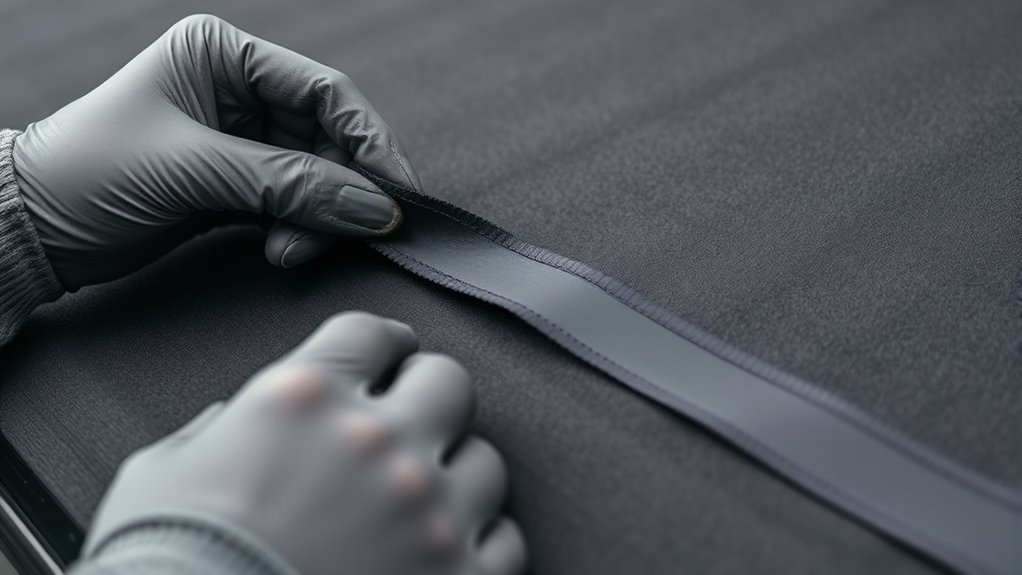
Have you ever noticed how worn or damaged Velcro can compromise the security of your tonneau cover? When Velcro loses its strength, it can cause your cover to shift or even come loose, putting your cargo at risk.
Replacing the Velcro guarantees maximum durability, so it functions as intended. This not only keeps your cover secure but also prevents potential damage from exposure, dirt, or debris in your truck bed.
Replacing Velcro ensures strength and protection for your truck bed from dirt and damage.
New Velcro also makes your tonneau cover look better by offering a clean, seamless appearance. Old, frayed Velcro can make your truck appear neglected and hurt its visual appeal.
Replacing it restores the cover’s neat look, giving your vehicle a well-maintained vibe. Overall, timely Velcro replacement keeps your tonneau cover secure, reliable, and visually appealing, protecting your investment and your cargo.
Tools and Materials You Need for Velcro Replacement
Updating your tonneau cover with new Velcro is pretty straightforward, but you’ll want to have a few key tools on hand. Grab some scissors, a cleaning cloth, and maybe a utility knife — these will help you with the removal and installation.
As for the Velcro itself, make sure you pick the right type. Whether you go for sew-on or adhesive-backed Velcro depends on what your cover needs. Having everything ready before you start will make the whole process a lot easier and less frustrating.
Essential Tools Overview
Wondering what tools you’ll need for a successful velcro replacement on your tonneau cover? You’ll want a few essential items: a clean cloth or cloths for surface prep, rubbing alcohol or a suitable cleaner to remove dirt and residue, and a squeegee or plastic scraper to guarantee smooth adhesion.
A utility knife or scissors helps trim new velcro if necessary. Using high-quality adhesive or hooks guarantees your replacement lasts and keeps the velcro working well.
You might also consider alternative fastening options if you’re looking for a different style or easier installation. Safety gloves are recommended to protect your hands during cleaning and handling.
With these tools on hand, you’ll be ready to replace your velcro efficiently. This will secure your tonneau cover properly and extend its durability.
Replacement Velcro Types
When selecting replacement velcro for your tonneau cover, it’s important to choose the right types to guarantee a secure and lasting fit. Velcro manufacturing offers various options, including nylon and polyester hook-and-loop fasteners, each with different durability levels.
Consider the environmental impact by opting for eco-friendly velcro made from sustainable materials. This helps reduce waste and is better for the planet.
Some velcro types are designed specifically for outdoor use. They resist water, UV rays, and temperature changes, which helps them last longer.
Make sure the adhesive backing is strong enough to withstand weather conditions without degrading over time.
How to Carefully Remove Old Velcro From Your Tonneau Cover
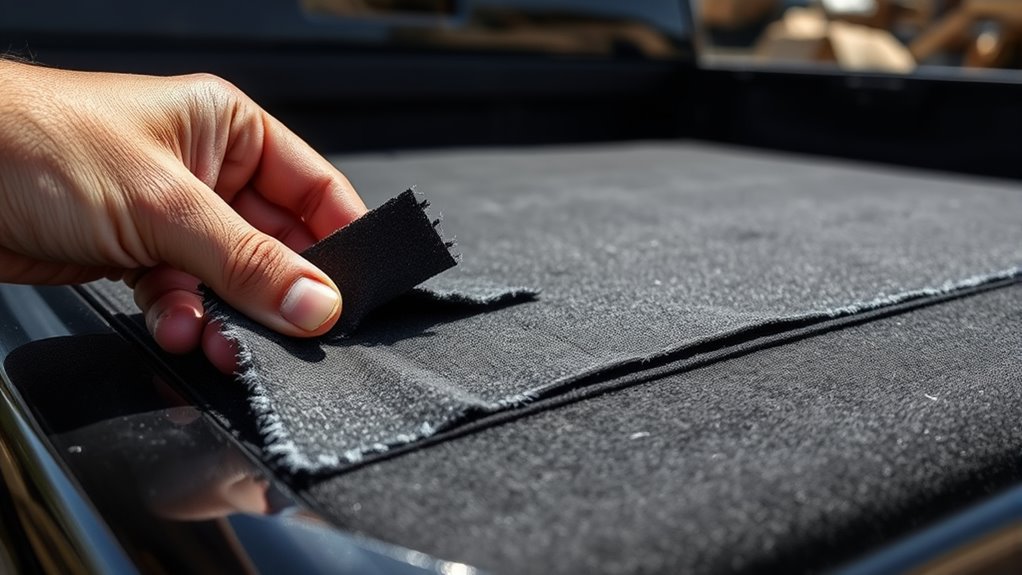
Before you start peeling off the old Velcro, make sure to gather tools like a plastic scraper or a credit card. This helps avoid damaging your tonneau cover’s surface.
Carefully lift the Velcro edge, applying gentle pressure. This prevents tearing the fabric and keeps everything intact.
Since Velcro durability varies, some adhesive might be stubborn. Take your time and work slowly through the process.
Use the scraper or credit card to gently lift and work along the seam. Avoid sharp tools that could scratch or damage the cover.
For stubborn adhesive, applying a bit of heat with a hairdryer can soften it. This makes removal much easier.
Remember, removing the old Velcro cleanly is key for reattachment or trying a different fastening option. Rushing can cause damage or leave residue behind.
Work slowly and methodically, making sure all remnants are gone. This helps keep the cover in good shape and ready for the new fastening.
A careful approach sets the stage for a smooth Velcro replacement or installing a different fastener without any issues.
Cleaning the Surface Before Installing New Velcro
Before putting on new Velcro, it’s a good idea to clear off any dirt, dust, or debris from the surface first. You want to make sure everything’s nice and clean so the Velcro sticks properly.
Grab a cleaning agent suitable for the material and give the surface a good wipe to remove any grease or stubborn dirt. Once you’re done, let it dry completely — this way, you’ll get the best possible grip and the Velcro will stay secure for longer.
Remove Debris and Dust
Begin by thoroughly cleaning the surface where you’ll be attaching the new Velcro to guarantee a secure bond. Remove any loose debris, dust, or dirt using a cloth or brush.
Dust prevention is vital because dust and debris can weaken Velcro durability, causing it to peel away prematurely. Confirm the surface is completely clear, as even small particles can interfere with adhesion.
Take your time to inspect the area, especially corners and edges, where dust tends to accumulate. Once the area is clean and dry, the new Velcro will adhere more effectively, providing a stronger hold.
Properly prepping the surface now ensures your replacement Velcro stays secure over time, improving the overall longevity of your tonneau cover’s fastening system.
Use Appropriate Cleaning Agents
Using the right cleaning agents is essential to guarantee the surface is properly prepared for Velcro installation. Proper cleaning ensures the Velcro adheres securely, which directly impacts its durability.
Avoid harsh chemicals that could damage the surface or reduce Velcro durability. Instead, opt for gentle cleaners like isopropyl alcohol or a mild soap solution.
These cleaning agents effectively remove dirt, grease, and residues that can interfere with adhesion. Make sure to scrub thoroughly, paying attention to corners and textured areas.
Residue left behind can weaken the Velcro’s grip over time, so thorough cleaning is vital. When done, let the surface be free of contaminants to ensure the Velcro bonds tightly, maximizing its lifespan and holding power.
Allow Surface to Dry
After thoroughly cleaning the surface, it’s important to let it dry completely before installing the new Velcro. Proper preparation means making sure there’s no moisture that could interfere with adhesion.
You can use air drying in a well-ventilated area or wipe the surface with a clean, dry cloth. Using a hairdryer on a low heat setting can also speed up the process, especially if the surface feels damp or humid.
Avoid rushing this step because moisture can weaken the Velcro’s grip or cause it to peel over time. Giving it enough time to dry ensures a secure bond and a smooth installation.
How to Choose the Best Velcro for Your Tonneau Cover
Choosing the right Velcro for your tonneau cover might seem simple, but not all Velcro is created equal. You’ll want to prioritize durability so it can handle weather exposure and regular use without falling apart.
Heavy-duty Velcro with a strong hook and loop side will give you better longevity. Also, pay close attention to the adhesive strength; it should securely bond to your truck bed without peeling or failing over time.
Look for Velcro designed for outdoor or automotive use because these typically offer better durability and stronger adhesives. It’s smart to pick options that resist moisture and dirt so they stay effective in tough conditions.
When shopping, check product reviews and specs to make sure you’re getting reliable, high-quality Velcro that can handle different weather and repeated use.
Measuring and Marking Velcro Placement Accurately
First, grab your tape measure and carefully measure the spots where you want to attach the Velcro. This helps make sure everything is precise. Once you’ve got your measurements, use a pencil or fabric chalk to mark those spots clearly—that way, you won’t forget where they are.
After you’ve marked everything, take a moment to double-check your marks. Make sure they line up nicely and are in the right spots before you start attaching anything. It’s a small step that can really save you from having to redo things later!
Use a Measuring Tape
Using a measuring tape is crucial to make sure the Velcro is placed accurately on your tonneau cover. Correct measurements help with proper alignment, which is important for both accuracy and the material’s durability over time.
A sturdy measuring tape helps you find the exact placement points and keeps measurements consistent. This prevents misaligned sections that could lead to leaks or wind noise. Take your time to measure carefully, noting distances from fixed points like the tailgate or bed rails.
Being precise during this step avoids unnecessary rework and helps maintain the integrity of the material. Using a reliable measuring tool reduces errors and ensures your Velcro sticks securely. This way, you’ll improve the overall performance and lifespan of your tonneau cover.
Mark Velcro Positions
Once you have your measurements, the next step is to mark the exact spots for the Velcro on your tonneau cover. Being precise here will ensure everything lines up correctly and the Velcro lasts longer. Use a fabric marker or chalk to lightly mark these spots—avoid permanent marks that might damage the material.
Keep in mind that good marking is essential if you want to consider other fastening options later on. Here are some key points to think about:
- Space out the points evenly along the edges for a balanced look.
- Mark both on the cover and the truck bed to make sure they line up perfectly.
- Use a straight edge to keep your lines straight and consistent.
- Double-check your measurements before marking so everything stays accurate.
Proper marking helps keep your cover secure and makes sure the Velcro stays effective over time.
Double-Check Alignment
After marking the Velcro placement points, double-check your measurements to make sure everything lines up perfectly.
Confirm that the Velcro color matches the original so it looks uniform, especially if you’re only replacing a section. Measure the Velcro thickness to ensure it fits comfortably with the tonneau cover material, avoiding gaps or bulges.
Use a ruler or tape measure to check the distance between each mark and compare it to the corresponding Velcro piece. Verify the alignment along the entire edge of the cover, making sure the Velcro strips will connect smoothly when closed.
Accurate measurements help prevent misalignment and frustration later on. Taking your time to double-check ensures the new Velcro secures the cover properly and looks professional.
How to Install and Secure New Velcro Strips Properly
To guarantee your new Velcro strips stay secure and function properly, it’s essential to install them correctly. First, pick Velcro made from high-quality materials, preferably from trusted Velcro brands, to ensure durability. Proper surface prep is key—clean and dry the area thoroughly before applying.
Ensure durability by choosing high-quality Velcro and preparing surfaces thoroughly before installation.
Next, measure and cut the strips straight, aligning with where you want them to be placed. Here are the steps to follow:
- Peel off the backing of the Velcro strip to expose the adhesive.
- Firmly press the Velcro onto the clean, dry surface, making sure there are no bubbles or wrinkles.
- Apply consistent pressure for at least 30 seconds to strengthen the bond.
- Let the adhesive cure for a few hours before use to maximize holding power.
Proper installation ensures a secure fit and makes the most of Velcro’s quality and branding. This leads to better performance and easy removal when needed.
Testing Your Velcro to Ensure a Secure Fit
How can you be sure your Velcro is holding securely? First, test the connection by gently pulling apart the two strips. If they separate easily, you might need to press them more firmly or try a different spot.
During manufacturing, Velcro branding guarantees the quality and strength of the fastener, but individual strips can vary depending on the product. After installation, run your hand along the strips to make sure they’re flush and well-adhered.
You can also close and reopen the Velcro a few times to check for a consistent grip. Proper testing helps prevent it from coming loose when you’re using the cover.
Keep in mind that the durability of Velcro depends on its quality, which comes from the manufacturing process. If it still feels loose after testing, try re-securing it or replacing the strip.
Ensuring a tight fit will help the life of your tonneau cover and keep a secure seal in place.
Common Velcro Problems and How to Fix Them
Even with proper installation and testing, Velcro can still face common issues that weaken its effectiveness. These problems often come from the quality of the Velcro or how long it’s been used. Knowing these issues helps you fix them quickly.
Here are some common Velcro problems and how to fix them:
- Loss of Adhesion. The adhesive backing might weaken over time. You can replace it with a stronger adhesive tape or reattach it with industrial-strength glue.
- Fuzz and Debris Buildup. Dirt and fibers can clog the hooks or loops, making Velcro less grip-friendly. Regularly clean with a brush or compressed air to keep it working well.
- Losing Grip with Age. Velcro hooks or fibers can bend or wear out over time. Straighten the hooks or swap out worn strips to restore grip.
- Poor Manufacturing Quality. Cheap Velcro from certain brands might break down faster. It’s better to choose well-known brands that make reliable Velcro.
Fixing these issues helps keep your Velcro functional and durable, even if problems pop up.
Tips to Maintain Your Velcro and Extend Its Life
Regular maintenance is key to keeping your Velcro functioning properly and extending its lifespan. To check if your Velcro is compatible with your tonneau cover accessories, regularly inspect the hooks and loops for dirt, debris, and wear.
Clean Velcro using a soft brush or a toothbrush to remove dirt that can hinder its grip. Avoid harsh chemicals that might degrade the fabric. When cleaning, gently pull apart the hooks and loops to dislodge any material caught inside.
Store your tonneau cover in a clean, dry place when you’re not using it. This helps prevent mold or deterioration. If the Velcro starts losing its stickiness, think about replacing it early to avoid further damage.
Regularly checking and maintaining your Velcro not only makes it last longer but also keeps your tonneau cover secure. Proper care ensures your Velcro stays compatible with your cover accessories, giving you a reliable seal and continuous protection.
Frequently Asked Questions
How Often Should I Replace My Tonneau Cover Velcro?
You should replace your tonneau cover Velcro when you notice signs of wear like fraying or loss of grip that affect its durability.
Typically, Velcro lasts about 1-3 years, depending on usage and environmental exposure. Regularly inspect it to make sure it still provides a secure seal.
Replacing Velcro when needed helps maintain your tonneau cover’s lifespan and keeps your truck bed protected, preventing leaks and damage.
Can I Use Adhesive-Backed Velcro Instead of Sew-On Types?
Yes, you can use adhesive-backed velcro instead of sew-on types. It’s a quick and easy fix, especially if sewing isn’t an option. Just make sure both surfaces are clean and dry before applying.
Press firmly to ensure good adhesion. Keep in mind that adhesive-backed velcro might not be as durable as sew-on, so check it regularly. Replace it when needed for the best hold.
Will Replacing Velcro Affect the Waterproofing of My Cover?
Replacing Velcro can slightly affect your cover’s waterproof integrity if you’re not careful. But if you use waterproof or sealed Velcro, the impact is minimal.
Keep in mind, Velcro’s lifespan might decrease with frequent replacements or exposure to harsh elements. This can also influence waterproofing.
To keep your cover as waterproof as possible, make sure you apply the Velcro properly. Avoid gaps and go for waterproof options meant for outdoor use.
How Do I Prevent Velcro From Collecting Dirt and Debris?
You can prevent Velcro from collecting dirt and debris by regularly cleaning it with gentle brushing or a lint roller.
Use focused cleaning methods like removing debris with tape or compressed air to keep it working well.
If dirt keeps building up, consider using alternatives like snap fasteners or tie-downs that are less prone to gathering debris.
Regular maintenance helps keep your Velcro’s adhesive qualities intact and keeps your tonneau cover functioning smoothly.
Is There a Specific Grade of Velcro Recommended for Outdoor Use?
Think of outdoor Velcro as a sturdy bridge between your gear and the elements. For durability, you want to pick high-grade outdoor Velcro.
These grades are specifically made to handle moisture, sun, and dirt, so your tonneau cover stays secure season after season.
Look for Velcro labeled “industrial strength” or “marine grade”—these are designed with tougher, weather-resistant materials that won’t fall apart outdoors like regular Velcro.
Conclusion
Replacing Velcro is like giving your tonneau cover a fresh pair of shoes. It guarantees a snug fit and keeps everything secure. When I replaced mine, I was amazed at how much better my cover performed, just like a well-fitted shoe supports every step.
With the right tools and a little patience, you’ll have your cover secure in no time. Think of this upgrade as investing in your truck’s protection. It’s a small change that offers big peace of mind.
Replacing Velcro on your tonneau cover is a simple way to improve its performance and durability. Plus, it’s an easy fix that makes a noticeable difference in how your cover functions.
So don’t hesitate. Making this small update can extend your cover’s life and keep your truck looking sharp. It’s a quick upgrade that’s well worth the effort.