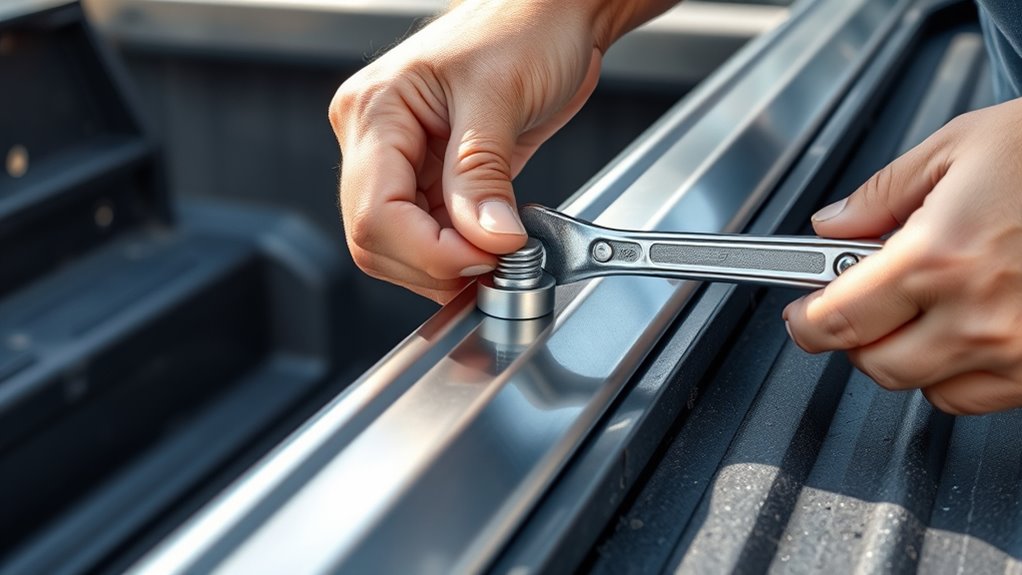
How to Remove Tonneau Cover Rails in Seven Easy Steps
Removing tonneau cover rails can sometimes feel like a hassle, especially if you’re not sure where to start or run into rusted bolts. You’re not alone—many truck owners struggle with this task, but with a bit of patience and the right approach, you can do it yourself.
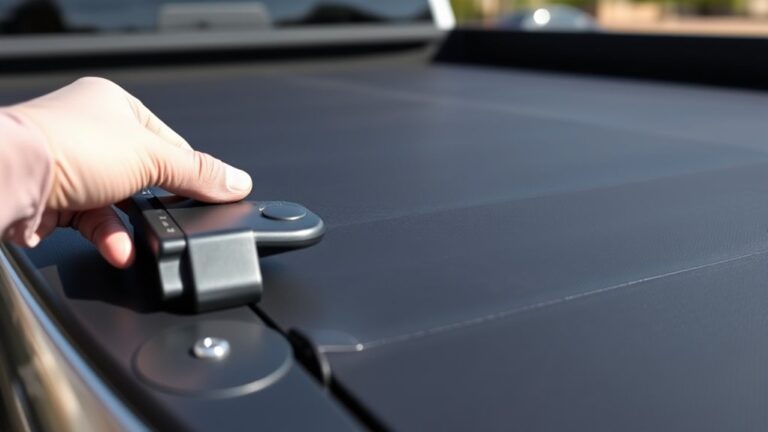
To remove tonneau cover rails, start by inspecting them for rust, damage, or obstructions. Gather your tools like screwdrivers, a socket wrench, and gloves. Carefully loosen and remove all fasteners, using penetrating oil on rusted bolts if needed. Carefully detach the rails, clearing out broken clips or debris.
Once removed, clean your truck bed and inspect for damage. For detailed guidance on each step and tips, continue exploring the full process.
Key Takeaways
- Gather your tools like screwdrivers, socket wrench, and safety gear before you get started. It’s always better to be prepared.
- Take a good look at the fasteners, clips, and see if there are any damage or rust spots on the rails. It’s helpful to document what you find.
- Loosen and remove all fasteners carefully. If some parts are stuck or rusted, spray them with penetrating oil and give it a bit of time before trying again.
- Gently detach the rails, making sure you don’t damage the truck bed or any remaining hardware during the process.
- Once the rails are off, give the truck bed a thorough cleaning and inspection. Now’s a good time to prep it for a new cover or any custom modifications.
Why You Might Need to Remove Your Tonneau Cover Rails
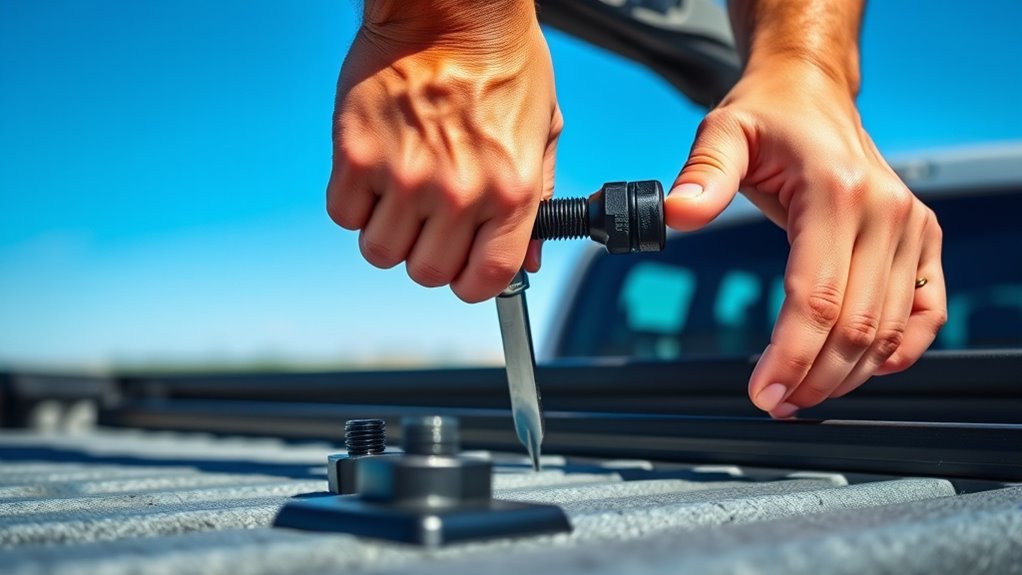
There are several reasons you might need to remove your tonneau cover rails. Maybe you’re doing some tool maintenance or fixing damage, and you need access to the truck bed.
Removing the rails makes it easier to clean or replace worn-out parts. You might also need to upgrade or swap the rails if they’ve become rusted or bent, which could affect safety.
Removing rails simplifies cleaning, replacement, and upgrading for safer, better-functioning truck bed accessories.
Before you start, double-check that you have the right tools and follow safety precautions to avoid injuries or damaging your vehicle. Removing the rails can also prepare your truck for a new tonneau cover or other modifications.
Knowing why you’re removing the rails will help you focus on safety and gather the right tools, making the process go smoothly. Whether it’s for maintenance, repairs, or upgrades, understanding your reason keeps things efficient and safe.
Always remember, safety precautions and proper tool use are key to removing the rails without any problems.
How to Check Your Rails for Damage or Rust
First off, grab a good look at your rails and see if there’s any rust, dents, or cracks. It’s a good idea to use a flashlight to shine into those tricky spots where you can’t see clearly — sometimes things hiding in the shadows are easy to miss.
Next, gently tap along the surface of the rails. This helps you listen for any weak spots or signs of damage that might not be obvious just by looking. If you do find rust or any kind of damage, it’s best to clean or repair those areas before you go on to remove the rails. That way, everything stays in good shape and you avoid bigger problems down the road.
Visual Inspection Techniques
To effectively check your tonneau cover rails for damage or rust, start with a thorough visual inspection. Begin by examining the rails for color coding, which can hint at potential problems.
Look for areas where paint has chipped or faded, as these spots often indicate underlying corrosion or damage. Pay close attention to signs like bubbling paint, dents, or cracks.
These clues suggest structural issues that could weaken the rail’s integrity. Also, check for irregular discoloration, which might be rust or other damage.
Use a flashlight if needed to see shaded or hard-to-reach areas better. A careful visual scan helps you spot problem spots early, making maintenance or removal easier and more effective.
Rust Detection Methods
Detecting rust on your tonneau cover rails involves a close inspection using both visual cues and tactile methods. Look for discoloration, bubbling paint, or flaking paint protection, which can indicate rust formation.
Run your fingers along the rails to feel for rough patches, as rust often changes the surface texture. Use a flashlight to spot any tiny rust spots that might be hard to see in low light.
If you find signs of rust, take a closer look to assess how bad the damage is. You can also use small power tools, like a drill with a wire brush, to gently test for deeper rust underneath the surface.
Dealing with rust early helps prevent costly repairs and keeps the structural integrity of your rails intact.
Damage Assessment Tips
Inspecting your tonneau cover rails for damage or rust requires a systematic approach. Start by examining the surface for chips, cracks, or peeling paint, which could compromise paint protection.
Look closely at welds and edges for rust spots or corrosion, especially in areas exposed to moisture. Feel along the rails for warping, dents, or loose fittings that might affect custom fittings or stability.
Check for signs of oxidation or pitting, which indicate internal rust. Also, inspect mounting points to ensure they remain secure.
Addressing damage early helps prevent further deterioration and keeps your rails in good shape. Regular inspections save you money and help catch issues before they get worse.
This way, your truck stays protected and looks sharp.
Gather Your Tools and Supplies Before You Start
Before you start removing the tonneau cover rails, it’s important to gather all the necessary tools and supplies. Being prepared makes the process smoother and helps protect your truck’s paint.
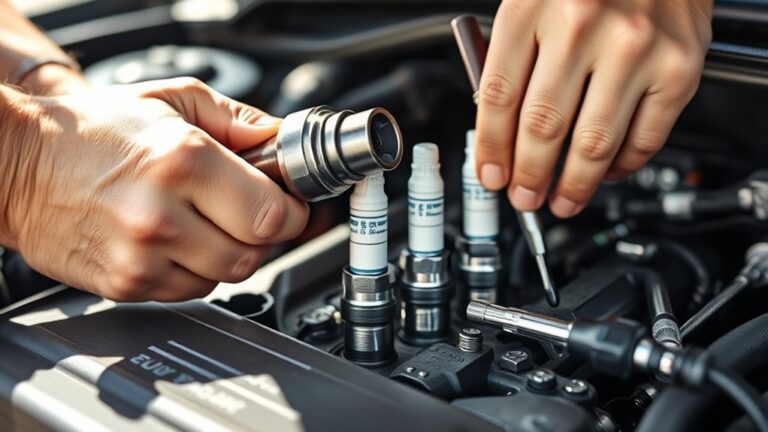
Collect essentials like screwdrivers, a socket wrench, painters tape, and gloves. These tools will help you carefully remove fasteners without damaging the paint or bed.
| Tools | Supplies | Safety Tips |
|---|---|---|
| Phillips screwdriver | Masking tape | Wear gloves to avoid cuts |
| Socket wrench | Painter’s tape | Work in a well-ventilated area |
| Pry tool | Rust remover (if needed) | Keep tools organized |
| Gloves | Clean cloths | Disconnect the vehicle battery if necessary |
| Safety glasses | Pen and paper (for notes) | Use proper lifting techniques |
Having these tools ready reduces the risk of accidents and helps keep your truck in good shape during removal.
How to Loosen and Remove Fasteners Safely
Start by finding all the fasteners holding the tonneau cover rails. Once you’ve located them, check what type they are—screws, bolts, or clips—since each needs a different removal approach. Use the right tools, like screwdrivers or socket wrenches, and loosen them carefully.
Apply steady pressure as you turn to prevent damaging the surrounding area. Remember, different fasteners require specific tools for safe removal, so pick the right one.
Loosen the fasteners gradually to avoid stripping threads or causing damage. Keep the fasteners organized, whether you’re planning to reuse or dispose of them. And always turn counterclockwise unless marked otherwise.
Dealing With Rusted or Stuck Fasteners
When fasteners become rusted or stuck, applying force without preparation can lead to stripping or damaging the surrounding area. To keep your rail durable and avoid costly repairs, use proper fastening techniques.
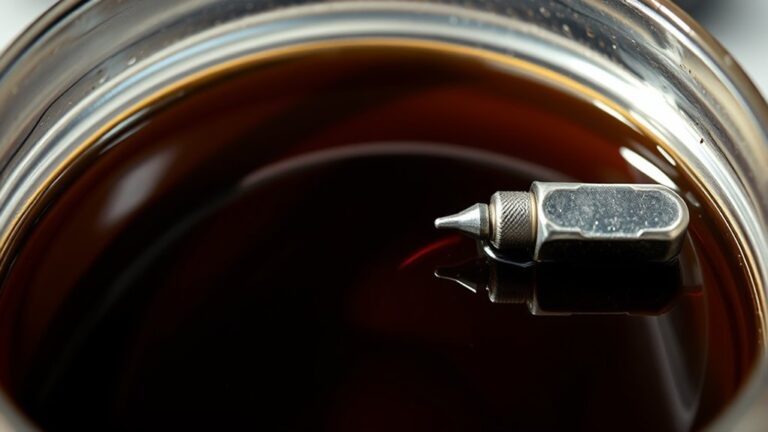
Start by soaking the rusted fasteners with a penetrating lubricant like WD-40. Let it sit for 10-15 minutes to loosen the corrosion. Tap lightly around the fastener with a hammer to help the lubricant penetrate deeper.
Use the correct size screwdriver or socket to avoid stripping the head. Applying steady, even pressure helps prevent damage. If a fastener still won’t budge, gently heat it with a heat gun to expand the metal slightly and make it easier to loosen.
Removing the Rails From Your Truck Bed Frame
When you’re taking the rails off your truck bed frame, it’s important to handle those fasteners carefully so you don’t end up damaging anything. Make sure you’ve got the right tools on hand — whether it’s a wrench or screwdriver — and take your time. Applying steady, gentle pressure will help you detach the fasteners without stripping or breaking them.
If you work slowly and cautiously, you’ll make the job much easier and more successful. That way, you can remove the rails safely and efficiently without any headaches.
Removing Fasteners Carefully
Carefully removing the fasteners is key to avoiding damage to your truck bed or the tonneau cover rails.
Identify the different fastener types—like bolts, screws, clips, or rivets—as each needs a specific removal approach.
Use the right tools, such as a screwdriver or pry tool, to help prevent stripping or breaking the fasteners.
Keep these tips in mind:
- Recognize the fastener types to choose the proper removal method
- Apply steady pressure to avoid damaging nearby materials
- Use penetrating oil if the fasteners are rusted or stuck
- Work systematically so you won’t lose small parts
Detaching Rails Safely
To detach the rails from your truck bed frame safely, start by making sure all fasteners are completely removed to prevent any damage. Using proper fastening techniques reduces the risk of stripping or damaging the bolts or rivets.
Carefully inspect the rail area for clips, screws, or bolts, and take your time during removal. If you encounter resistance, double-check for hidden fasteners to avoid forcing the rails loose. Keep track of all hardware for future reinstallation or maintenance.
Proper rail maintenance ensures the longevity of your tonneau cover system and keeps your truck bed secure. Once all fasteners are removed, gently wiggle the rails to loosen them, preventing damage to the bed or the rails themselves.
This careful approach guarantees safe, damage-free removal.
Handling Rust, Obstructions, and Broken Clips
Rust, obstructions, and broken clips can make removing tonneau cover rails tricky, but dealing with these issues quickly makes the job easier. To handle rust, spray penetrating oil and gently tap to loosen corroded bolts. For obstructions, carefully clear away debris or dirt that might get in your way, making sure not to damage nearby parts.
Broken clips need to be removed carefully to avoid damage, often with needle-nose pliers or screwdrivers. Remember, taking your time, applying gradual force, and checking each clip’s condition can prevent breakage. Always wear gloves to guard against rust and sharp edges, eye protection to keep debris out, and ensure the truck bed is stable before starting.
To make this process smoother, start by assessing how severe the rust is before trying to force anything off. Use the right tools for stubborn clips and apply lubricant steadily on rusted bolts. Most importantly, prioritize safety to keep injuries at bay.
Cleaning and Preparing Your Bed After Removing the Rails
After you take the rails off, make sure to clear out any leftover debris and dirt from the truck bed. It’s a good idea to give it a good look over to spot any damage or spots that might need fixing — like rust spots or scratches. Taking care of these issues early on can help keep your truck bed in good shape, especially if you’re planning to install a new cover or just want it to stay in top condition.
Clear Debris and Dirt
Removing the tonneau cover rails can leave behind dirt, leaves, and debris in the bed that could cause rust or damage if left behind. To prevent this, thoroughly clear out the area. Use a brush or shop vacuum to remove loose dirt, then wipe down the surface with a damp cloth.
This step is essential for garage organization and interior cleaning, helping your truck bed stay in top condition.
Consider these points:
- Remove loose debris to prevent rust buildup
- Clear out hidden dirt from corners and seams
- Use a vacuum for efficient cleaning
- Keep your workspace organized for next steps
Taking the time to clean now protects your bed’s integrity and makes future maintenance easier.
Inspect and Repair Bed
Once you’ve cleared away loose debris and dirt from the bed, it’s time to closely inspect the area for any signs of damage or corrosion. With the cover removal complete, examine your truck bed carefully, focusing on the metal surface and around mounting points.
Look for rust, dents, or scratches that may need attention before installing a new cover or leaving it open. If you find rust, sand it down and treat it with a rust inhibitor. Small dents can sometimes be hammered out or filled with body filler.
Make sure the bed is smooth and clean so any future cover installation or use will be secure. Proper inspection and minor repairs help maintain your truck bed’s integrity and prepare it for its next use.
Tips for Installing New Rails or Upgrading Your Cover
Before installing new rails or upgrading your cover, it’s important to verify the mounting areas are clean and free of debris, as this helps the hardware fit securely. Clean surfaces also prevent dust or dirt from affecting the tonneau cover paint, keeping your finish sleek.
When upgrading, consider bed liner compatibility to avoid issues with fit and protection. Ensuring proper alignment helps maintain the integrity of your truck bed and prevents leaks. Use these tips for a smooth installation:
- Match the new rails with your specific tonneau cover model
- Check that the paint on your rails complements or matches your bed liner
- Verify the durability of materials for long-term performance
- Use anti-corrosion hardware to fight rust and wear
Following these steps helps you achieve a professional look, prolongs the lifespan of your upgrade, and keeps your truck’s style and functionality intact.
Common Problems When Removing Rails and How to Fix Them
When you try to remove tonneau cover rails, you might face some common problems that can make the job tricky. One of the most typical issues is rust or corrosion around the fasteners, which can make bolts or screws really hard to loosen. To prevent damaging the rails or your truck, take a moment to relax and apply penetrating oil to these spots first.
Sometimes, you’ll come across broken or stripped fasteners, which can really complicate things. In these cases, using the right tools, like bolt extractors or pliers, can make a big difference. Also, watch out for structural damage caused by improper maintenance, like over-tightening or forcing parts off.
Always work gently and steadily, making sure to check for hidden screws or clips. Keep in mind that rushing or forcing can damage the mounting points, so take your time and follow proper removal procedures. Recognizing these common issues and using correct techniques will help make the process smoother and keep your truck’s bed intact.
Frequently Asked Questions
Can I Remove Tonneau Cover Rails Without Damaging My Truck Bed?
Yes, you can remove tonneau cover rails without damaging your truck bed if you take your time. Just be careful and gentle throughout the process.
Using the right tools is key to avoiding scratches or dents. Carefully follow a step-by-step approach to make the removal smooth.
Patience is important. Check each connection before you disconnect anything, and take your time to prevent any damage.
It’s also a good idea to look at the manufacturer’s instructions if you have them. Working slowly and carefully helps keep your truck bed protected.
Are Special Tools Required to Remove Different Types of Tonneau Cover Rails?
Removing tonneau cover rails isn’t rocket science, so you don’t need special tools for every type. Your rail removal techniques mainly depend on the design, but basic tools like screwdrivers, wrenches, or pliers usually get the job done.
Some rails might need specific tools just to handle clips or bolts, but most are removable with simple hand tools. Just take a look at the attachment points first!
How Do I Prevent Rust From Forming After Removing the Rails?
To prevent rust after removing tonneau cover rails, start by applying a rust inhibitor or primer to the exposed metal surfaces right away. This helps create a barrier that keeps moisture from reaching the metal.
Make sure the area is clean and dry, especially if you’ve been in a damp environment. Regularly check the spots for rust or corrosion, and if you see any early signs, address them promptly.
You can also keep your truck bed in good shape by applying a protective coating or wax over the area. This adds an extra layer of defense against moisture and rust, helping your truck stay rust-free longer.
Is It Necessary to Replace or Repair the Bed Liner After Removal?
Did you know that over 70% of truck beds develop rust within five years if not properly maintained?
After removing tonneau cover rails, you might want to think about replacing your bed liner to keep your truck in good shape.
Without a proper liner, rust prevention is tougher, which can lead to more corrosion over time.
Replacing or repairing the bed liner protects against moisture, scratches, and debris, helping your truck stay in top condition for years to come.
Can I Reinstall the Same Rails Later or Upgrade to Different Ones?
Yes, you can reinstall the same rails later or upgrade to different ones if you want. During the reinstallation, make sure you clean and inspect the bed rails thoroughly for rust prevention.
Keep in mind that upgrading might require additional hardware or adjustments. Saving the original rails can make reinstallation easier.
Proper rust prevention techniques will help maintain their condition and last longer over time.
Conclusion
Now you’re a seasoned rail remover, armed with tools and a victory dance for each rusted bolt conquered. Picture yourself as the hero rescuing your truck bed from the tyranny of stubborn fasteners, ready to upgrade or just enjoy the open air.
Soon, your bed will gleam like a clean-shaven boss after a shave—smooth, sleek, and free of rails. And remember, even in DIY battles, patience is your best tool, minus the duct tape.