
How Tight Should Spark Plugs Be in 10 Steps
Getting your spark plugs tightened just right can feel tricky. Many car owners struggle with getting the perfect torque, worried about damaging their engine or causing misfires. You’re not alone—properly tightening spark plugs is essential for your vehicle’s health and performance.
To tighten your spark plugs properly, start by checking your vehicle’s manufacturer specs for torque settings. Use a spark plug socket and a torque wrench to tighten by hand first, then set the wrench to the specified torque.
Tighten gradually and smoothly—avoid over-tightening or under-tightening. Signs of incorrect tightness include cracks or engine misfires.
If you want to learn the exact steps and tips for a perfect installation, keep exploring these details.
Key Takeaways
- Always check your vehicle’s owner manual or the manufacturer’s specs for the right torque setting.
- Use a calibrated torque wrench to tighten the spark plugs to the recommended torque.
- Start by hand-threading the spark plug to avoid cross-threading, then switch to the torque wrench.
- Tighten the spark plugs gradually and smoothly, making sure not to over-tighten and cause damage.
- After tightening, double-check the torque to ensure they’re secure and properly fitted without risking thread damage.
Why Proper Torque Matters When Installing Spark Plugs
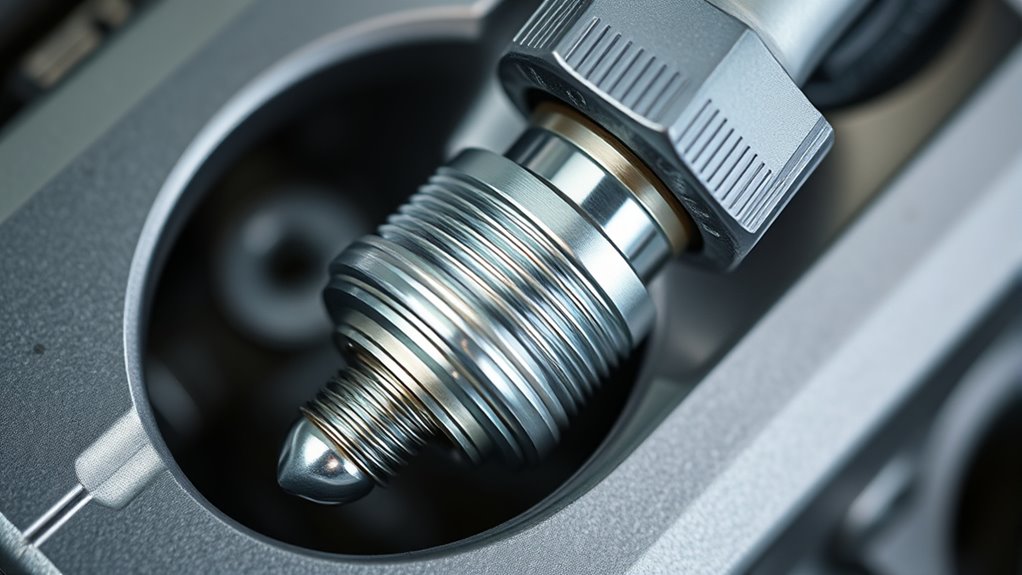
Proper torque is essential when installing spark plugs because overtightening or undertightening can cause significant engine issues. The spark plug design plays a crucial role in guaranteeing a secure fit and peak performance.
Proper torque ensures spark plugs fit securely, preventing damage and ensuring optimal engine performance.
If you tighten too much, you risk damaging the ceramic insulator or stripping the threads, which can lead to costly repairs. On the other hand, too little torque can cause the plug to loosen over time, leading to misfires or poor combustion.
Correct torque guarantees the ignition system functions smoothly, providing reliable sparks for efficient engine operation. When you apply the right amount of torque, you promote a strong seal that prevents leaks and maintains consistent electrical contact.
Remember, each engine and spark plug type may require a specific torque setting. Paying attention to proper torque helps protect the spark plug design and keeps your ignition system running effectively.
This step is vital for maintaining engine health and performance.
How to Find the Correct Spark Plug Torque Specs
To find the correct spark plug torque specs for your vehicle, start by checking the owner’s manual or the manufacturer’s specifications. Proper torque ensures a tight fit and can prevent issues like corrosion or damage from heat cycling.
If you don’t have the manual, look online or visit manufacturer websites for your specific make and model. Correct torque settings consider factors like engine temperature changes and the risk of over-tightening or under-tightening.
Here are key steps to follow:
- Verify the exact torque specs for your spark plugs.
- Keep in mind special conditions like heat cycling, which can affect how tight they should be.
- Use the right tools and avoid guessing because improper torque can cause damage like corrosion or gasket failure.
Always double-check the specs to keep your spark plugs performing well and lasting longer.
Tools Needed for Proper Spark Plug Installation
When it comes to installing spark plugs properly, having the right tools makes all the difference. You’ll want a good socket wrench and a spark plug socket, of course. Make sure your torque wrench matches your vehicle’s specifications so you can tighten the plugs just right—neither too loose nor too tight. Using the proper tools not only helps you get a good seal but also keeps you from damaging the plugs or the engine during the process.
Essential Hand Tools
When you’re installing spark plugs, having the right hand tools makes all the difference. You need tools that match the spark plug design for a secure fit and maximum engine efficiency.
First, a spark plug socket with a rubber insert helps grip the plug without damaging it. Second, a socket wrench or ratchet gives you the advantage and control during installation.
Third, a torque wrench ensures you tighten spark plugs to the manufacturer’s specifications. This prevents under- or over-tightening.
Having these essential hand tools guarantees you install spark plugs correctly, maintaining proper contact and preventing damage. With the right tools, you can focus on applying the correct tightness, keeping your engine running smoothly and efficiently.
Torque Wrench Specifications
Using a torque wrench with the correct specifications is essential for installing spark plugs properly. Different spark plug materials like copper, platinum, or iridium require specific torque settings to avoid damage or poor conductivity.
Check your vehicle’s manual to find the recommended torque, usually measured in foot-pounds (ft-lb). Using the right torque ensures proper sealing and prevents over-tightening, which can hurt ignition timing and spark plug life.
Many torque wrenches are adjustable, so make sure yours is calibrated correctly before you start. Proper torque helps maintain consistent ignition timing, resulting in optimal engine performance.
Always tighten the spark plugs in a gradual, crisscross pattern. Stop when you reach the specified torque to guarantee a secure fit and reliable ignition function.
Preparing Your Engine for Spark Plug Replacement
Before you get started, make sure you have all the tools you’ll need handy, and double-check that your engine is compatible with the new spark plugs. It’s always a good idea to take some safety precautions first—like disconnecting the battery and putting on gloves—to keep things safe and straightforward. This way, your spark plug replacement will go smoothly without any hiccups.
Gather Necessary Tools
Gathering the right tools is key to a smooth spark plug replacement. You’ll need specific tools suited for your engine’s spark plug materials and design.
Start with a spark plug socket that fits your plug’s size. Some designs may need a deep or magnetic socket for easier access. Keep a ratchet wrench and extension bar handy to reach tight spots comfortably.
Prepare anti-seize compound and a torque wrench to ensure proper tightness based on your spark plug’s specs. Knowing your spark plug materials helps you choose the right tools and handle them safely.
Understanding the spark plug design helps you select the correct socket and accessories. With these tools, you’ll avoid damaging delicate components and make sure everything’s installed properly.
Check Engine Compatibility
Have you checked if your engine is compatible with spark plug replacement? Start by inspecting the spark plug color; a healthy plug usually has a light brown or tan hue. If it shows black soot or excess oil, your engine might have underlying issues that need fixing before you replace the plugs.
Check your vehicle’s owner manual to see if the spark plug materials, like platinum or iridium, match what the manufacturer recommends. Using the right materials helps prevent premature wear and ensures proper performance.
Make sure your engine’s specs and the type of replacement spark plugs are compatible to avoid damage. Proper compatibility guarantees efficient combustion and helps you achieve the correct spark plug torque. Confirming these details now will save you time and prevent potential engine trouble later.
Ensure Proper Safety Measures
Ensuring proper safety measures is essential before you start replacing your spark plugs. You want to protect yourself and your engine from harm.
First, disconnect the negative battery cable to prevent electrical shocks. Next, wait for your engine to cool completely, especially since corrosion can cause stubborn deposits, making the process trickier.
Finally, gather all necessary tools and inspect the spark plugs for corrosion or damage. This preparation helps avoid slips or damaging threads.
Here are the key steps to follow:
- Disconnect the battery to avoid electrical hazards.
- Cool down your engine to prevent burns and ease removal.
- Inspect spark plugs and surrounding components for corrosion or wear.
Step-by-Step Guide to Tightening Spark Plugs Correctly
Tightening spark plugs properly is essential to prevent leaks or damage, so make sure you follow the right steps. First, choose the correct socket and extension for your spark plugs, keeping in mind the material—brass, platinum, or iridium—as they may need different torque levels.
Before installing, check the manufacturer’s recommended torque specifications for your engine. Carefully thread the spark plug into the hole by hand to avoid cross-threading. Then, use a torque wrench set to the specified value.
Always verify torque specifications and hand-thread spark plugs carefully to prevent cross-threading before tightening with a torque wrench.
Turn the wrench steadily, avoiding over-tightening, which can damage the ceramic insulator or the cylinder head. Once you’ve reached the right torque, stop immediately. Properly tightened spark plugs help ensure the best engine performance because they create a tight seal and prevent leaks that could cause misfires.
Always double-check the torque with a torque wrench to make sure the installation is consistent and accurate.
Common Mistakes When Installing Spark Plugs
Installing spark plugs might seem straightforward, but many overlook common mistakes that can affect engine performance. These errors can shorten spark plug life and reduce efficiency.
First, using the wrong type or size of spark plug can cause poor fit and combustion issues. Always double-check the specifications before installation.
Second, neglecting to clean the threads or not using anti-seize properly can lead to cross-threading or plugs getting stuck, making future replacements tough.
Third, over-tightening spark plugs can damage threads or crush the gasket, causing leaks and misfires. Be sure to tighten to the manufacturer’s recommended torque.
These mistakes can cause uneven firing, lower fuel economy, and faster engine wear. To avoid them, handle threads carefully and double-check your settings.
How to Use a Torque Wrench Properly
To get the best results, it’s important to set your torque wrench to the right torque specifications for your spark plugs. This ensures you’re tightening them just enough without going overboard.
When you’re using the wrench, make sure you’re holding it comfortably and in the correct position. This helps you apply even pressure, so the plugs are tightened accurately. With a bit of practice, you’ll avoid both damaging the plugs and leaving them too loose.
Proper Torque Settings
Using a torque wrench correctly is key to making sure your spark plugs are tightened to the manufacturer’s specs. Proper torque depends on things like spark plug material and heat range.
Over-tightening can damage ceramic insulators or strip threads, while under-tightening might cause leaks or misfires. Always check your vehicle’s manual or spark plug chart for the right torque value.
Make sure your torque wrench is properly calibrated before using it. For the best results:
- Turn the wrench smoothly and steadily to avoid uneven tightening.
- Use the right socket size designed for your spark plugs.
- Double-check your readings to ensure you’ve hit the specified torque.
This way, your spark plugs stay secure without risking damage, especially since heat ranges can expand or contract differently during engine operation.
Correct Wrench Position
When positioning your torque wrench, make sure it’s aligned properly with the spark plug to apply even pressure. Proper alignment is key because the spark plug design can affect how you apply torque best.
Ensure the wrench’s socket fits snugly without slipping. This helps prevent uneven tightening. Hold the wrench with a firm, steady grip and keep it perpendicular to the spark plug to spread the force evenly.
Also, think about the engine temperature. A cold engine might need a different approach than a hot one because of metal expansion. Avoid forcing the wrench or turning at an angle, as that could damage the spark plug or strip the threads.
Correct wrench positioning ensures precise torque and keeps the spark plug working properly.
Signs Your Spark Plugs Are Too Tight or Loosened
Ever wondered how to tell if your spark plugs are too tight or too loose? The signs can be subtle but are important for your ignition system’s health. First, check the spark plug’s appearance. If it looks cracked or damaged around the ceramic insulator, it may have been overtightened, causing stress.
Second, listen for misfires or a rough engine running. Loose plugs can cause inconsistent sparks, which hurts your performance. Finally, if you find it hard to remove the spark plug later, it’s a sign it might have been tightened too much from the start. Over-tightening can strip threads and lead to costly repairs.
On the flip side, loose plugs can cause poor contact. This results in weak ignition and reduced fuel efficiency. Always aim for a snug fit—tight enough to stay secure but not so tight that you damage the ceramic or threads.
Proper torque protects your spark plug’s appearance and keeps your ignition system running smoothly.
Troubleshooting Spark Plug Tightening Issues
On the flip side, under-tightening lets gaps widen, which means poor spark delivery and lower fuel efficiency. Start by checking for corrosion or soot buildup around the plug. If it’s stuck because of rust, spray some penetrating oil and gently loosen it—forcing it out might damage the threads.
Replacing corroded plugs keeps your engine running smoothly and improves ignition. Always use a torque wrench to tighten the plugs to the manufacturer’s specs. Both too tight and too loose can hurt your engine’s performance.
Proper tightening seals leaks, prevents corrosion, and keeps your engine at its best. Regular inspections and adjustments ensure your engine runs efficiently and helps save fuel over time.
Tips for Maintaining Proper Spark Plug Torque Over Time
Maintaining proper spark plug torque over time is key to keeping your engine running smoothly and efficiently. If the torque is too loose, it can lead to corrosion and misfires; if it’s too tight, you risk damaging the threads or shortening the spark plug’s lifespan.
To keep everything in check, make sure to regularly check and re-torque your spark plugs based on your vehicle’s specifications—especially after installing new ones or doing major engine work.
Always use a torque wrench for accurate tightening and avoid over-tightening, which can cause damage.
Also, keep the area around the spark plugs clean and dry to prevent corrosion that could loosen the plug or impact performance.
These simple steps help your spark plugs stay secure and functional over time, which can save you money and prevent engine problems caused by corrosion or improper torque. Proper maintenance keeps your vehicle running at its best.
Frequently Asked Questions
Can Over-Tightening Damage the Spark Plug or Engine?
Over-tightening can damage your spark plug or engine. When tightening spark plugs, especially ones made of platinum or iridium, applying too much torque can crack the ceramic insulator or strip the threads.
Always use a properly calibrated torque wrench to ensure you’re applying the right amount of torque. This helps prevent damage from over-tightening and keeps your engine running smoothly.
Doing so also makes sure the spark plug fits securely, avoiding costly repairs down the line.
What Are the Risks of Under-Tightening Spark Plugs?
Leaving spark plugs under-tightened is like opening a door to mischief—rattling, poor performance, and potential engine damage. You risk causing loose connections that can lead to misfires or even stripped threads, especially depending on the spark plug materials.
Using the right torque wrench types helps prevent this. It’s essential to tighten spark plugs to the manufacturer’s specs to ensure reliable ignition, prevent leaks, and protect your engine from costly repairs.
How Often Should Spark Plug Torque Be Checked?
You should check your spark plug torque during every spark plug replacement, which usually happens every 30,000 to 50,000 miles.
Use torque tools to ensure you’re tightening them properly, so you avoid under- or over-tightening.
Regularly inspecting the torque can help prevent issues like misfires or damage to the spark plugs.
After replacing the spark plugs, double-check the torque to make sure they stay secure and work well.
This simple step can extend the lifespan of your spark plugs and keep your engine running smoothly.
Do Different Engine Models Require Varied Torque Settings?
Absolutely, different engine models require different torque specifications. Think of it like trying to fit a square plug into a round hole—engine compatibility is key.
The right torque depends on your specific engine. Ignoring it can cause damage or lead to misfiring, which nobody wants.
Always check your vehicle’s manual or manufacturer guidelines for the correct torque settings. Not following this can result in costly repairs or even engine failure.
Can Improper Torque Affect Engine Performance or Fuel Efficiency?
Improper torque can negatively affect your engine’s performance and fuel efficiency. If spark plugs aren’t tightened correctly, it can cause issues like poor ignition timing, misfires, or leaks.
Using the right torque ensures a proper seal, especially with different spark plug materials like copper or platinum, which have different heat tolerances. Keeping the torque consistent helps maintain ideal ignition timing.
This, in turn, improves fuel economy and can prevent potential engine damage. So, always tighten your spark plugs to the manufacturer’s recommended torque for optimal performance.
Conclusion
Getting your spark plugs just right is like tuning a fine instrument. You need the perfect balance for smooth performance.
By following these steps and avoiding overtightening or under-tightening, you’ll keep your engine running efficiently and avoid costly damage.
Remember, precision matters, so take your time and use the right tools.
With a bit of care, your spark plugs will perform like a well-oiled machine.
This will keep your car running reliably mile after mile, especially when your spark plugs are tightened to the correct torque.