How to Fix the Service Shifter in Your Jeep Cherokee in Three Steps
Dealing with a service shifter warning in your Jeep Cherokee can be pretty frustrating. You’re not alone—many owners struggle with this issue, wondering what’s wrong and how to fix it quickly. Luckily, fixing the service shifter doesn’t have to be complicated if you follow a few simple steps.
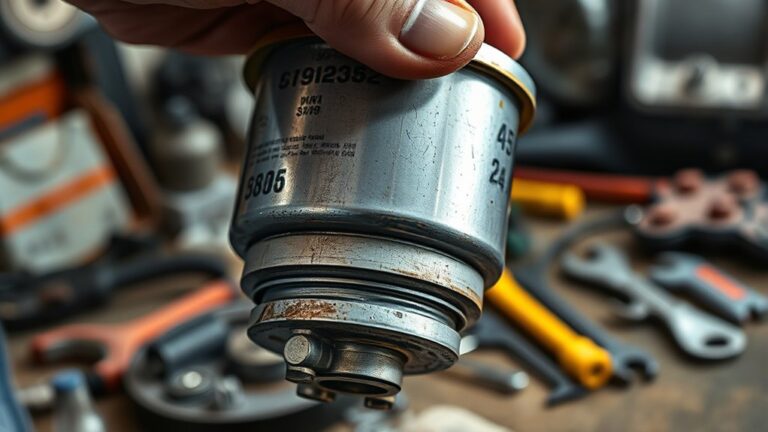
To fix the service shifter in your Jeep Cherokee, start by inspecting the shift interlock system and sensors for dirt, damage, or loose wiring. Use diagnostic tools to check for error codes to get a clear picture of what’s going on.
Next, verify the transmission linkage and sensor operation. Adjust or replace any damaged components you find.
If these steps don’t solve the problem, there might be electrical or mechanical issues that require professional help. Keep reading for more detailed troubleshooting tips to get your Jeep back on the road smoothly.
Key Takeaways
- Inspect and clean the shift sensor and the area around it to get rid of dirt, debris, and corrosion.
- Check the shift linkage to make sure it’s properly aligned and moves smoothly.
- Test electrical connections and sensors for continuity, then repair or replace any faulty parts.
- Reset the shift interlock system by disconnecting the battery and following the reset procedure.
- If things still aren’t working, it’s a good idea to ask a professional for help. They can diagnose electrical or mechanical issues with specialized tools.
Why Your Jeep Cherokee Shows a Service Shifter Message
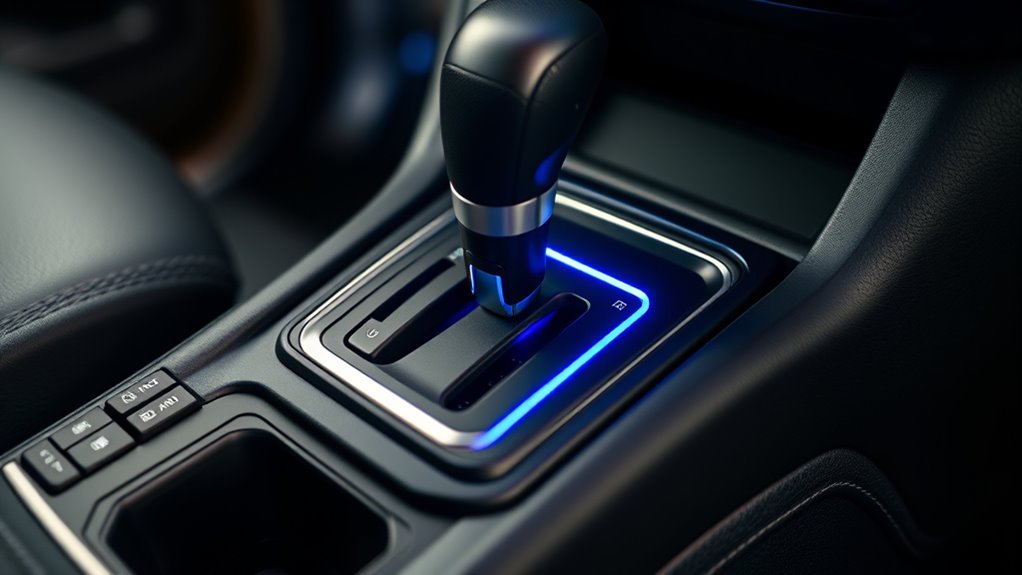
Your Jeep Cherokee might display a “Service Shifter” message because of problems with the transmission shift interlock system or the electronic control module.
This warning often appears when there’s an issue with gear engagement, which can happen if interior components are dirty or if engine maintenance is neglected.
Dust, dirt, or debris inside the gear shift area can disrupt sensors and trigger the warning.
Ignoring engine maintenance can also lead to electrical problems that affect the control system.
Regularly cleaning the interior helps prevent dirt from interfering with the shift interlock mechanism, and staying on top of engine care keeps electrical parts functioning properly.
Sometimes, a loose or corroded wiring connection causes this message as well.
Knowing these common causes can help you figure out whether the problem is related to cleanliness or engine health.
Addressing these issues can prevent false alerts and keep your transmission shift system running smoothly.
How to Diagnose the Cause of the Service Shifter Issue
Diagnosing the cause of a “Service Shifter” message requires a step-by-step approach to pinpoint whether the issue is electrical, mechanical, or sensor-related. Start by performing advanced diagnostics and scanning your vehicle’s computer for error codes that can indicate specific problems.
These codes can help you identify faulty sensors, wiring issues, or software glitches affecting the shift system. Next, check the gear calibration because if it’s off, the message might appear even if everything else seems fine.
Use a diagnostic tool to verify the calibration and ensure it matches what the manufacturer recommends. Also, inspect the shift interlock system and related electrical parts for signs of damage or wear.
Doing a thorough diagnostic process helps you find the real cause of the problem, saving time and avoiding unnecessary repairs. Once you know whether it’s electrical, mechanical, or sensor-related, you can confidently proceed with the right fix.
How the Shift Interlock System Works in Your Jeep Cherokee
The shift interlock system in your Jeep Cherokee is a safety feature that prevents shifting out of the Park position unless certain conditions are met. When you press the brake pedal, it signals the system to release the gear selector, letting you shift into Drive or Reverse. This is closely connected to your vehicle’s transmission, so it helps prevent accidental movement while parked.
Here’s how it works:
| Condition | What Happens |
|---|---|
| Brake pedal pressed | Interlock releases, and the gear selector moves |
| Ignition on | Allows gear changes when the brake is applied |
| Foot removed from brake | Locking mechanism engages again |
This system ensures safety by stopping accidental shifts and depends on sensors and the gear selector working properly. Knowing this can help you understand what might cause issues if your Service Shifter message appears.
How to Check the Transmission Shift Linkage for Damage or Misalignment
When the shift interlock system isn’t working right, it’s often due to issues with the transmission shift linkage. First, find the linkage, which connects the gear shifter to the transmission.
Look over the linkage for any visible damage, bends, or worn parts. If you spot something off, it could be why your gears aren’t engaging properly.
Next, move the shifter through its gears while watching the linkage. It should move smoothly with no resistance or too much play.
If the linkage looks misaligned, you’ll need to adjust it. Make sure it lines up perfectly with each gear position. Proper alignment helps ensure smooth shifts and prevents the service shifter light from coming on.
After making adjustments, take your vehicle for a test drive to make sure everything is working correctly.
How to Diagnose the Shift Indicator Sensor in Your Jeep
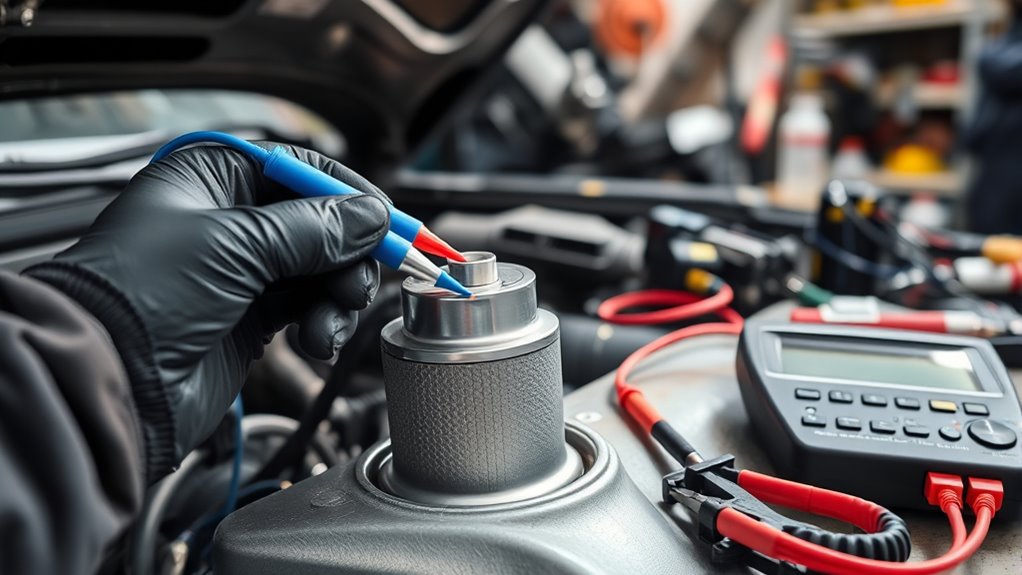
Wondering if the shift indicator sensor might be causing your Jeep Cherokee’s service shifter message? First, check the sensor’s connection. Loose or corroded wires are common issues.
Use a multimeter to test the sensor’s voltage. A faulty reading suggests it’s time for repair or replacement. Keep in mind, diagnosing this sensor can sometimes point you toward eco-friendly options like aftermarket parts that boost durability or compatibility.
Picture this:
- Connecting a scan tool to retrieve error codes specific to the shift position sensor
- Locating the sensor on the transmission or shifter assembly
- Inspecting for physical damage or debris blocking the sensor’s operation
- Considering aftermarket parts designed for longer lifespan and better performance
Accurately diagnosing the shift indicator sensor can save you from unnecessary repairs and help you keep your Jeep running smoothly. Plus, it encourages eco-friendly practices and upgrades.
How to Safely Reset the Shift Interlock System
Ever notice your Jeep Cherokee won’t shift out of Park even when you press the brake? That’s often because of the shift interlock system, which can get stuck if the gear isn’t properly lubricated or if the shift knob isn’t durable enough.
To reset it safely, start by turning the ignition to the Off position. Find the small reset hole near the shift console, sometimes hidden under a plastic panel.
Insert a paperclip or similar tool and press gently for a few seconds to discharge any electrical glitches. Before doing this, make sure the shift knob is in good condition since a worn or loose shift knob can cause issues.
Once reset, turn your ignition back to On and test shifting out of Park. Proper lubrication and a durable shift knob can help prevent the system from sticking again, keeping your shifting smooth and safe.
Common Problems Causing the Service Shifter and How to Fix Them
One common reason your Jeep Cherokee might show the Service Shifter message is issues with the shift interlock solenoid or switch. When this part isn’t working right, the dashboard shows an error related to gear selection, stopping you from shifting properly.
Problems often include a broken or stuck shift interlock solenoid, which prevents gear changes. A faulty switch might send incorrect signals to the transmission, causing issues. Wiring problems can disrupt communication between components, leading to errors.
A stuck shift solenoid or faulty switch can block gear changes and cause shifting errors.
Dirty or damaged sensor contacts can also affect gear detection, making the system unsure of what gear you’re in. These issues interfere with proper gear engagement, triggering error messages on the dashboard and making shifting difficult.
To troubleshoot, start by inspecting wiring connections, then test the solenoid if needed. Replacing sensors that don’t work properly can also help. Recognizing these common issues helps you figure out why the Service Shifter message appears.
Fixing the root cause will get your Jeep back on the road smoothly and prevent future problems.
How to Repair or Replace the Shift Interlock and Sensor
If you’re looking to repair or replace the shift interlock and sensor, the first thing you want to do is figure out which parts aren’t working right. Once you know that, you can start by carefully removing the shift interlock assembly. Just be gentle so you don’t accidentally damage any of the nearby parts.
After that, you can swap out the faulty sensor system with a new one. Make sure you install it properly and connect everything correctly so it works smoothly again.
Identifying Faulty Components
When diagnosing issues with your Jeep Cherokee’s shifter, start by inspecting the shift interlock mechanism and the sensor that communicates with the transmission. Faulty components here often cause the Service Shifter message. Look for signs like a loose connector, corrosion, or broken parts.
Check the sensor for damage or misalignment, and make sure the wiring is intact. Also, inspect the brake fluid level—low fluid can affect how the interlock works.
Confirm that the engine coolant isn’t leaking or contaminated, as that can influence sensor performance. Be on the lookout for corrosion or dirt buildup on the sensor, which can impair signals.
These visual cues can help you identify whether the shift interlock or sensor is faulty before moving on to repair or replacement.
Removing the Shift Interlock
Next, access the center console or gear shifter area by removing panels or trim as needed. Carefully disconnect the shift interlock cable or actuator, which is linked to the gear shifting mechanism.
Keep in mind that the interlock system is connected to the transmission fluid levels and the gear position sensor. Check that your transmission fluid is at the right level.
Once the interlock is disconnected, you can adjust or remove it completely for inspection or replacement. Be gentle to avoid damaging nearby parts, and keep track of screws and pieces for reassembly.
Replacing the Sensor System
If your Jeep Cherokee’s shift interlock isn’t working properly, replacing the sensor system often fixes the problem. You’ll need to locate the sensor, usually near the gearshift, and disconnect the wiring.
Remove the faulty sensor, then install the new one securely. Keep in mind that a working sensor can impact your vehicle’s fuel efficiency and overall performance, just like regular tire rotations improve handling.
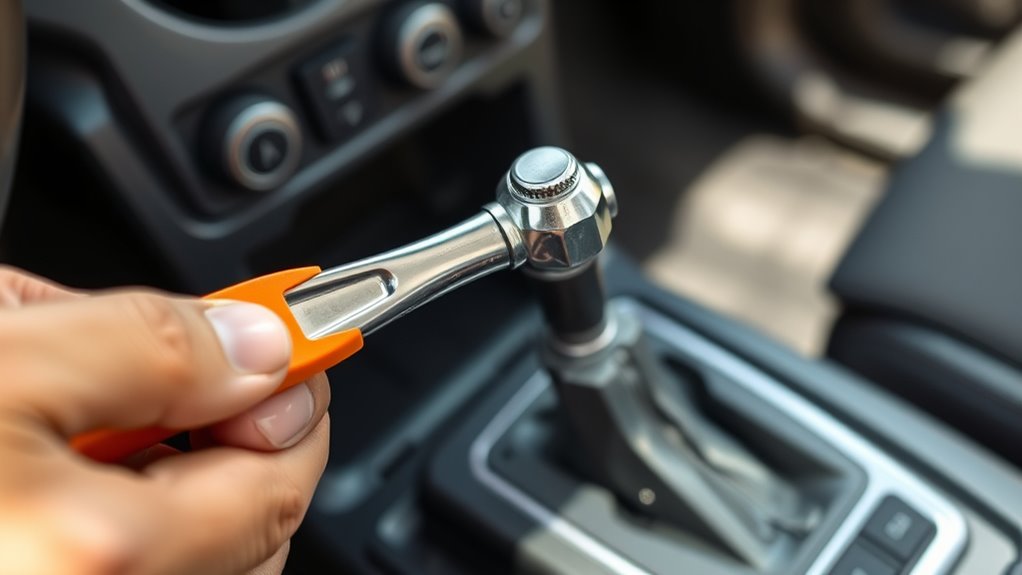
Imagine disconnecting the wiring harness without damaging it, then carefully removing the old sensor with a screwdriver or socket wrench. Next, align the new sensor precisely where the old one sat.
Finally, test the shift interlock after installation to make sure everything works properly. Replacing the sensor restores the shift interlock, avoids further service alerts, and helps ensure a smooth drive.
When to Seek Professional Help for Your Jeep’s Shifter Issue
Recognizing when to turn to a professional is crucial if your Jeep Cherokee’s shifter problems persist or worsen despite your attempts to fix them. If your shifter remains stuck or won’t shift into gear, it’s a clear sign you need expert help. Troubleshooting issues related to automotive electronics, like the shifter’s wiring or sensors, can be complex and may require specialized tools.
If you notice any unusual brake system behavior while manipulating the shifter, that’s a safety concern needing a professional diagnosis. Ignoring these signs could compromise your vehicle’s safety and cause further damage.
A qualified mechanic can accurately diagnose the root cause, whether it’s a faulty sensor, wiring issues, or problems with the brake system that interact with the shifter mechanism. Don’t delay getting help if simple fixes don’t solve the problem — safety and your vehicle’s health are at stake.
Tips to Prevent Future Service Shifter Problems
Regular maintenance and mindful habits can help prevent future shifter problems in your Jeep Cherokee. Keeping the interior well-maintained ensures smooth shifting and reduces wear on the shifter assembly. Plus, practicing good driving habits can boost fuel efficiency and lessen strain on your vehicle’s parts.
To prevent issues, consider these tips:
- Regularly clean and lubricate the shifter and surrounding interior parts
- Check for and fix any signs of interior wear or damage quickly
- Avoid abrupt shifts or aggressive driving that stresses the transmission
- Keep your tires properly inflated and your engine tuned for better fuel economy
Following these simple steps helps protect your shifter and keeps your Jeep running smoothly. By focusing on interior care and mindful driving, you can lower the chances of future problems and enjoy a more reliable, fuel-efficient ride.
Frequently Asked Questions
Can a Low or Dead Battery Cause the Service Shifter Message?
Yes, a low or dead battery can cause the service shifter message to appear in your Jeep Cherokee. Battery issues can mess with electrical sensors and systems that communicate with the transmission, triggering error messages.
When your battery isn’t providing enough power, it can interfere with sensors’ signals. This might make the vehicle think there’s a problem with the shifter. Keeping your battery healthy often resolves these electrical sensor-related alerts.
Is There a Specific Tool Needed to Replace the Shift Interlock Sensor?
Yes, you’ll need a specific replacement tool for the shift interlock sensor. Usually, a small flat-head screwdriver or trim removal tool is best for disconnecting the sensor safely without causing damage.
Some vehicles might require a specialized shift interlock removal tool, like a pin or hook, to carefully pry the sensor free. Using the wrong tools can cause damage, so make sure you have the correct one before starting.
How Long Does It Typically Take to Repair the Service Shifter Issue?
Fixing your service shifter typically takes about one to two hours, depending on how complicated the electrical issues are. During this time, it’s a good idea to run battery diagnostics to make sure power is flowing smoothly, just like a well-oiled engine.
Electrical problems can be a tangled web, but quick diagnosis and repairs can help you avoid delays. So, set aside some time, stay focused, and you’ll have your Jeep’s shifter back on track faster than you might think.
Are There Any Known Recalls Related to the Service Shifter on Jeep Cherokees?
Yes, there have been recalls related to the service shifter on Jeep Cherokees. These recalls often involve digital diagnostics that identify issues affecting brake safety, ensuring your vehicle’s systems work correctly.
If your Jeep is part of a recall, the manufacturer typically offers free repairs. Check your vehicle identification number (VIN) online or contact your dealer to verify if your Jeep is affected and schedule necessary repairs promptly.
What Steps Should I Take if the Shifter Becomes Completely Stuck?
If your gear shift is completely stuck, don’t panic. Stay calm and act quickly. First, check your owner’s manual for emergency procedures.
Then, carefully try to move the shifter while pressing the brake. If it still won’t budge, it’s best to call a professional for transmission repair.
For now, avoid forcing the gear shift. Trying to force it could cause more damage and turn a simple fix into a costly problem.
Conclusion
If you ignore the Service Shifter message, your Jeep could turn into a stubborn mule refusing to move, leaving you stranded like a statue in the middle of nowhere.
By following these simple steps, you’ll restore your vehicle’s spirit and get back to adventures in no time. Think of it as giving your Jeep a much-needed boost of life — a tiny fix that keeps your mountain of memories rolling smoothly!
Dealing with the Service Shifter issue in your Jeep Cherokee doesn’t have to be complicated. A quick fix can make all the difference, helping your vehicle run smoothly again.