How to Open the Gas Cap on Jeep Cherokee in 10 Simple Steps
Many Jeep Cherokee owners find themselves frustrated when trying to open the gas cap, especially if they’re not familiar with the process or if the cap is stuck. You’re not alone—this is a common issue that many people struggle with.
Luckily, opening the gas cap isn’t complicated once you know what to do.
To open the gas cap on your Jeep Cherokee, locate it behind the rear passenger door, usually with a cover or small door.
If it’s a screw-on type, twist it counterclockwise to loosen.
For quick-release caps, press the center button or latch.
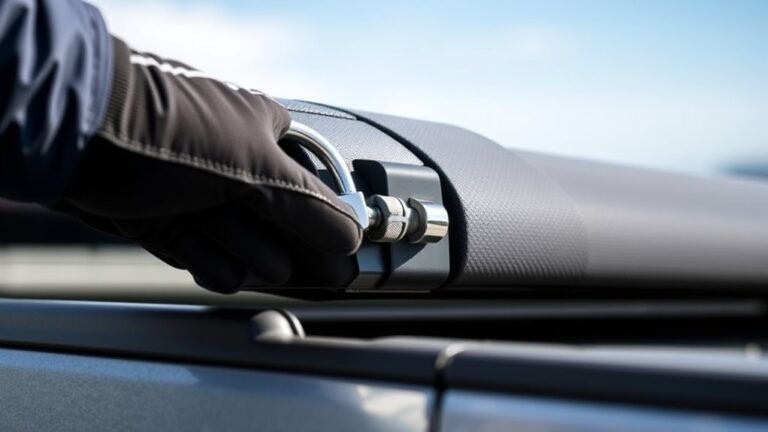
If it’s a locking cap, use your key to release it first. Make sure it’s fully open, and if you experience issues, there are simple troubleshooting tips to try. Continue to get detailed steps and helpful advice.
Key Takeaways
- Find the gas cap, which is on the side behind the rear passenger door.
- If your Jeep has a release latch or button, use it to open the cap cover.
- Turn the screw-on cap counterclockwise to unscrew and take it off.
- For capless systems, just insert the fuel nozzle and refuel.
- After you’re done, tightly secure the cap or close the cover to keep everything safe.
Where to Find the Gas Cap on Your Jeep Cherokee
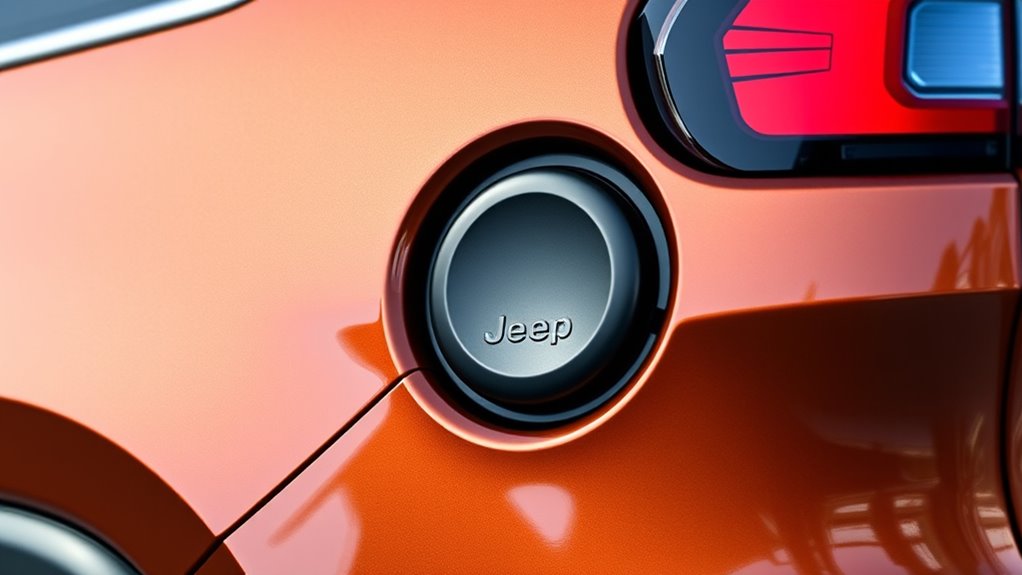
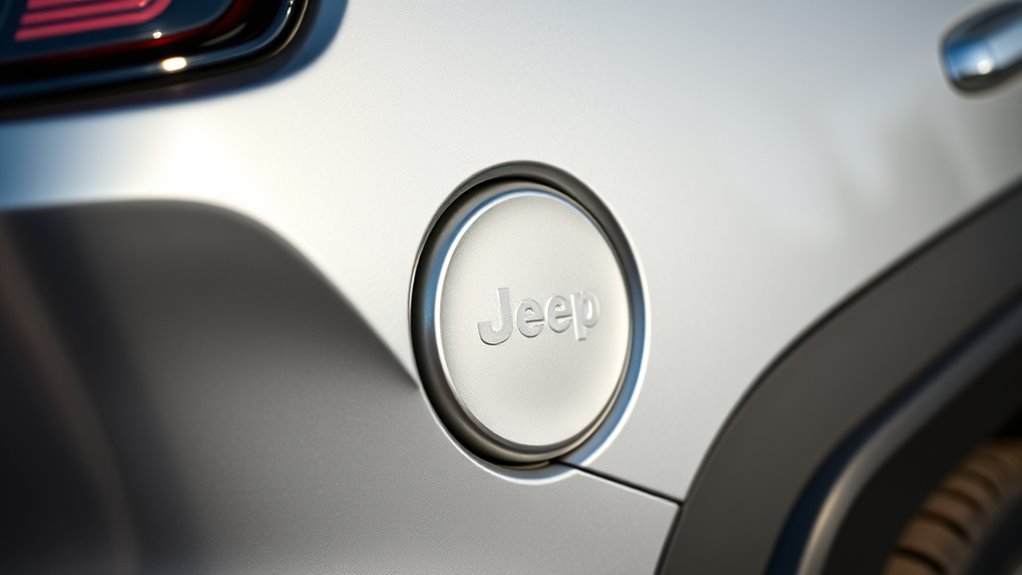
Ever wonder where exactly the gas cap is on your Jeep Cherokee? It’s usually on the side of the vehicle, behind the rear passenger door. Look for a small door or cover—that’s where you’ll find the gas cap.
In most models, it’s a threaded cap that you can unscrew by hand. Knowing the exact spot helps you avoid frustration and protects your ignition system.
When you open the gas cap, you keep dirt and debris out of the fuel tank, which can affect your fuel efficiency. A sealed cap also helps your emission systems work properly.
This keeps harmful emissions in check and makes sure your vehicle stays compliant with regulations. Getting familiar with this spot makes refueling quick and hassle-free.
Next time you fill up, take a moment to be sure you’re opening the right cover on your Jeep Cherokee.
Types of Gas Caps on Your Jeep Cherokee Explained
Your Jeep Cherokee may be equipped with different types of gas caps that seal the fuel tank and help prevent fuel evaporation or contamination. Understanding these types helps ensure vehicle safety and maintain good fuel efficiency.
The most common is the screw-on gas cap, which you twist to close tightly. It provides a reliable seal when properly secured, helping prevent fuel leaks and ensuring safety.
Some models have a locking gas cap, offering extra security against theft or tampering. This type adds an extra layer of safety for your vehicle.
Others use a quick-release or tethered cap, making refueling quick and easy while still maintaining a secure seal.
Recently, some models feature a capless fuel system, which removes the traditional cap altogether. These systems automatically seal after refueling, boosting fuel efficiency by reducing evaporation.
Knowing the specific type on your Jeep Cherokee helps you handle it properly, keeping safety high and fuel economy optimal.
How to Open the Gas Cap on Your Jeep Cherokee
Opening the gas cap on a Jeep Cherokee is simple, but the steps can differ a bit based on the type of cap you have. Most caps are either screw-on or quick-release.
To get the best fuel efficiency and help the environment, make sure the cap is tightly closed after you’re done fueling.
| Cap Type | Opening Method |
|---|---|
| Screw-on | Twist counterclockwise until it’s loose |
| Quick-release | Press the center button or latch |
| Locking Cap | Use the key or release mechanism |
| Flip-top Cap | Flip open the cover |
| Capless System | Insert and twist to open or close |
Always double-check that the cap’s seal is secure to prevent leaks or fumes. Proper sealing not only keeps fuel efficient but also minimizes emissions and helps protect the environment.
Troubleshooting When You Can’t Open Your Gas Cap
When a gas cap refuses to open, it’s often due to dirt, debris, or a misaligned latch, which can make the mechanism sticky or jammed. Don’t force it, as this could damage the cap or the filler neck. Instead, try gently cleaning around the cap with a cloth to remove any grime or buildup.
Sometimes, a slight wiggle or jiggling can realign the latch and free the mechanism. If the cap still won’t budge, check for any damage or corrosion that might be causing the issue. Remember, a properly functioning gas cap is essential for maintaining fuel efficiency and ensuring emissions control.
A loose or improperly sealed cap can lead to fuel vapors escaping, affecting your vehicle’s performance and violating emissions standards. If your efforts don’t resolve the problem, consider replacing the cap to prevent further issues and keep your Jeep Cherokee running smoothly.
Safety Precautions When Opening Your Gas Cap
Since releasing a gas cap can sometimes release fuel vapors or create sparking hazards, it’s important to take proper safety precautions. Fuel vapors are flammable and can affect your vehicle’s emission control system, impacting fuel efficiency and emissions.
Releasing the gas cap can release flammable vapors, so always prioritize safety and proper procedures.
To stay safe, always turn off the engine and avoid smoking nearby. Handle the gas cap carefully to prevent spills that could lead to dangerous fumes. Be sure to work in a well-ventilated area, especially in enclosed spaces.
Wear gloves to avoid contact with fuel. Keep a fire extinguisher nearby in case of emergencies. Avoid inhaling fuel vapors directly.
Make sure the gas cap is fully replaced to maintain emission control. Check for signs of fuel leaks after opening or closing the cap.
Following these precautions guarantees safe access to the gas cap while supporting your Jeep Cherokee’s fuel efficiency and emission standards.
How to Fix a Stuck or Jammed Gas Cap
A stuck or jammed gas cap can be frustrating, but you can often free it without causing damage by trying a few careful techniques.
First, gently twist the cap back and forth to loosen any corrosion or dirt that might be causing the jam. If it still won’t budge, grab a clean cloth to improve your grip and prevent slipping.
Sometimes, applying a small amount of penetrating oil around the threads can help loosen rust or debris. Be patient and avoid using too much force, as that could strip the threads or damage the seal.
A properly functioning gas cap is really important for maintaining your Jeep Cherokee’s fuel efficiency and emission controls. Keeping the threads clean and lubricated can prevent future sticking issues.
This way, your vehicle will run smoothly and efficiently. Remember, a good gas cap helps retain fuel vapors and supports emission standards.
How to Properly Close and Secure Your Gas Cap
When you’re closing your gas cap, just make sure it’s lined up correctly and turns smoothly as you tighten it. You’ll want to listen for that satisfying click—that’s your signal that it’s securely in place.
And don’t forget to take a quick look at the seal around the cap. Make sure it’s not cracked or damaged because a good seal helps prevent leaks and keeps your vehicle running smoothly.
Ensure Proper Alignment
Ensuring proper alignment when closing your gas cap is important for a secure seal. If it’s not aligned correctly, fuel can leak, and it might reduce your vehicle’s fuel efficiency. It can also cause emissions problems.
To get the best fit, make sure the cap threads match the opening before turning. Tighten the cap firmly until you hear a click, which means it’s securely in place. Misalignment can also trigger the check engine light.
Check the threads for debris or damage before you close the cap. Turn it clockwise until it clicks securely in place. Be careful to line up the cap properly to avoid cross-threading.
Keep the gas cap clean and free from dirt. This helps it seal better and stay in good condition. Also, double-check that it’s fully seated for the best seal and to keep everything working smoothly.
Click Sound Confirmation
Once you’ve aligned the gas cap properly, turn it clockwise until it clicks. That click sound means it’s securely closed. It helps keep your vehicle’s fuel efficiency in check.
When the cap is properly secured, it prevents fuel vapors from escaping. This is important for emissions control and keeping your engine running smoothly.
A properly closed cap also reduces the chances of the check engine light coming on due to vapor leaks. Make sure you turn it fully until you hear that definitive click.
Not securing the cap tightly can lead to fuel evaporating and higher emissions, which can hurt your vehicle’s performance. Always double-check for that click to ensure your Jeep Cherokee’s fuel system stays tight and emissions are under control.
Check Seal Integrity
To check the seal integrity of your gas cap, make sure it sits evenly against the opening and that the rubber gasket isn’t damaged or worn out. Proper seal checks are key to preventing leaks and keeping your vehicle running efficiently.
If the seal isn’t tight or shows signs of wear, fuel vapors can escape, which might trigger warning lights or affect how your car performs.
Make sure you tighten the cap until you hear a click. Next, inspect the rubber gasket for cracks, tears, or deformation.
If the gasket is damaged, it’s best to replace the gas cap. Also, clean the cap and gasket to remove dirt and debris.
Finally, reinstall the cap securely to prevent any leaks. Regular seal checks help keep your Jeep Cherokee running smoothly and fuel-efficient.
Signs Your Gas Cap Might Need Replacement
If your Jeep Cherokee’s Check Engine light comes on or if you notice an unusual smell near the fuel area, your gas cap might be loose, damaged, or faulty. A worn or damaged cap can compromise your vehicle’s fuel system, leading to reduced fuel efficiency and poor emission control.
You might also see difficulty sealing the cap properly or notice it doesn’t click when you tighten it. These issues can allow fuel vapors to escape, which affects your vehicle’s environmental performance. Over time, cracks, warping, or broken seals can make the gas cap less effective, prompting these warning signs.
Ignoring these signs can lead to decreased fuel economy and increased emissions, potentially causing your vehicle to fail emissions tests. Replacing a faulty gas cap is a simple fix that helps restore ideal fuel efficiency and ensures your emission control system functions properly.
Regular inspection can prevent minor issues from turning into costly repairs. If you notice any of these signs, it’s a good idea to check or replace your gas cap sooner rather than later.
Tips for Easier Gas Cap Access on Your Jeep Cherokee
Accessing the gas cap on your Jeep Cherokee can sometimes be tricky, especially in tight spaces or awkward angles. To make it easier, try these tips. Make sure the area around the cap is clear of debris and dirt. This helps with proper sealing, which keeps your fuel efficiency and emissions in check.
Clearing debris around the gas cap ensures a proper seal, boosting fuel efficiency and reducing emissions.
Use a flashlight if visibility is poor, and think about getting a gas cap removal tool made for tight spots. When opening the cap, turn it slowly to avoid damaging the threading, which can cause leaks and emissions problems.
Keep the gas cap clean and regularly check for cracks or damage. If the cap feels stuck, gently wiggle it instead of forcing it. Practicing these simple steps can prevent contamination and help preserve your vehicle’s fuel efficiency and emissions control.
With these tips, accessing your Jeep Cherokee’s gas cap will be smoother and less stressful.
FAQs About Jeep Cherokee Gas Cap Maintenance and Replacement
Got questions about your Jeep Cherokee’s gas cap? You’re not alone! Many drivers wonder about issues like leaks or trouble sealing the cap properly. These problems can sometimes cause warning lights to turn on or even lead to emissions issues, so it’s important to pay attention.
Knowing when to replace or maintain your gas cap is pretty straightforward. If you notice the cap isn’t sealing tightly, or if it’s cracked or damaged, it’s probably time for a new one. Regularly checking your gas cap can help keep your vehicle running smoothly and prevent unnecessary check engine lights.
We’ll go over some helpful tips to make sure your gas cap stays in good shape and answer some common questions you might have. Don’t worry – taking care of your gas cap is easier than you think!
Common Gas Cap Issues
Many Jeep Cherokee owners run into common issues with their gas caps that can trigger warning lights or cause engine problems. These issues often stem from the style of the gas cap or where the fuel tank is located, making it tricky to secure it properly.
Some frequent problems include cracked or broken gas caps, loose or poorly tightened caps, worn rubber seals, clogged vent holes, and cross-threaded or damaged threads. These issues frequently cause the Check Engine light to come on.
Always make sure your gas cap matches the right style for your Jeep Cherokee and is properly tightened to create a good seal. A damaged cap or one that doesn’t fit well can mess with fuel system pressure or allow emissions to escape.
Replacement and Maintenance Tips
Keeping your Jeep Cherokee’s gas cap in good shape is key for the best vehicle performance and emissions control. Regularly check the cap for cracks, wear, or damage. Replace it if needed to keep your fuel efficiency running at its best.
A faulty gas cap can cause fuel vapors to escape, which affects emissions and might turn on warning lights. When you replace the cap, go for an OEM or a high-quality aftermarket option that fits your model perfectly.
Make sure to tighten the cap securely to prevent leaks, but don’t over-tighten as that could damage the threads. Regular maintenance like this helps keep your fuel system running smoothly.
It also helps save fuel and reduces emissions over time. If you notice your check engine light staying on or smell fuel, check or replace the cap promptly. This will keep your Jeep Cherokee running smoothly and efficiently.
Frequently Asked Questions
Can I Use Any Gas Cap for My Jeep Cherokee?
You can’t just use any gas cap for your Jeep Cherokee; it needs to be a specific type to fit properly and keep everything working smoothly.
When you’re fueling up, make sure to pick the right cap to avoid spills and accidents. Using the wrong one can lead to issues down the line.
If security is a concern, look for a cap with theft prevention features to keep your fuel safe and stop gas cap theft.
Always check your owner’s manual for the correct cap. That way, you ensure safety, proper sealing, and compatibility.
How Often Should I Replace My Jeep Cherokee’s Gas Cap?
Think of your Jeep Cherokee’s gas cap as a gatekeeper—worthy of regular check-ups. You should replace it if it’s cracked, damaged, or doesn’t seal properly, usually every few years.
This keeps your engine running smoothly, boosts fuel efficiency, and helps meet emission standards. Regularly inspecting and replacing your gas cap ensures your vehicle performs at its best.
It also prevents leaks that could harm the environment or cost you money. Staying on top of this small part can make a big difference for your car’s health.
What Tools Are Needed to Open a Stuck Gas Cap?
To open a stuck gas cap, you usually don’t need any tools. Try turning it counterclockwise with your hand, and sometimes giving it gentle pressure helps loosen it up.
If it’s really stubborn, you can use a rubber glove for a better grip or try a strap wrench. Regular fuel tank maintenance can help prevent this problem.
If the gas cap gets damaged, think about replacing it. Always handle it carefully to avoid causing any damage.
Are There Different Opening Mechanisms for Older and Newer Jeep Cherokees?
Did you know that Jeep Cherokee models from 2002-2013 mainly have a screw-on gas cap, while newer models feature a capless design? Yes, newer Jeep Cherokees use a push-to-open fuel door for better fuel tank safety and convenience.
How Can I Tell if My Gas Cap Is Properly Sealed?
To tell if your gas cap is properly sealed, make sure it’s twisted firmly until it clicks, which means it’s securely closed.
Check for any signs of fuel odors or the “check engine” light, as these could indicate venting problems.
If your cap is damaged, it’s a good idea to replace it, especially if it’s covered by your gas cap warranty.
A well-sealed cap helps keep the fuel tank vented properly, preventing evaporation leaks and emission issues.
Conclusion
Now that you know exactly how to open your Jeep Cherokee’s gas cap in just 10 simple steps, you’re practically a mechanic superhero! Just remember, tackling this task is as easy as pie—no need to fear any pesky obstacles.
Keep your gas cap in tip-top shape, and it’ll serve you well on many adventures. With this knowledge, you’re ready to conquer your vehicle’s fueling needs like a champ.
And don’t forget, mastering how to open the gas cap on your Jeep Cherokee keeps your vehicle running smoothly and safely.