How to Gap Iridium Spark Plugs in Seven Easy Steps
Many car owners find themselves struggling with maintaining their iridium spark plugs, especially when it comes to gap adjustments. You’re not alone—getting the perfect gap can feel tricky, but it’s totally doable with a simple step-by-step approach.
To gap iridium spark plugs in seven easy steps, first gather tools like a feeler gauge, socket, and wire brush. Check your vehicle’s manual to find the correct gap size, then carefully remove and inspect your spark plugs.
Measure the gap with a feeler gauge, and if needed, gently bend the ground electrode to adjust it to the right size. Recheck the gap for accuracy before installing.
Keep an eye on maintenance tips to guarantee your engine runs smoothly; more details ahead.
Key Takeaways
- Gather the right feeler gauge, spark plug socket, and any other tools you’ll need before you start.
- Carefully remove the iridium spark plug using a socket wrench to avoid damaging it.
- Measure the gap by slipping the feeler gauge between the electrodes to see if it matches the specs.
- Gently bend the ground electrode if needed to adjust the gap to the manufacturer’s recommended setting.
- Recheck the gap to make sure it’s just right, then put the spark plug back in properly.
Why Properly Gapping Iridium Spark Plugs Matters for Your Engine
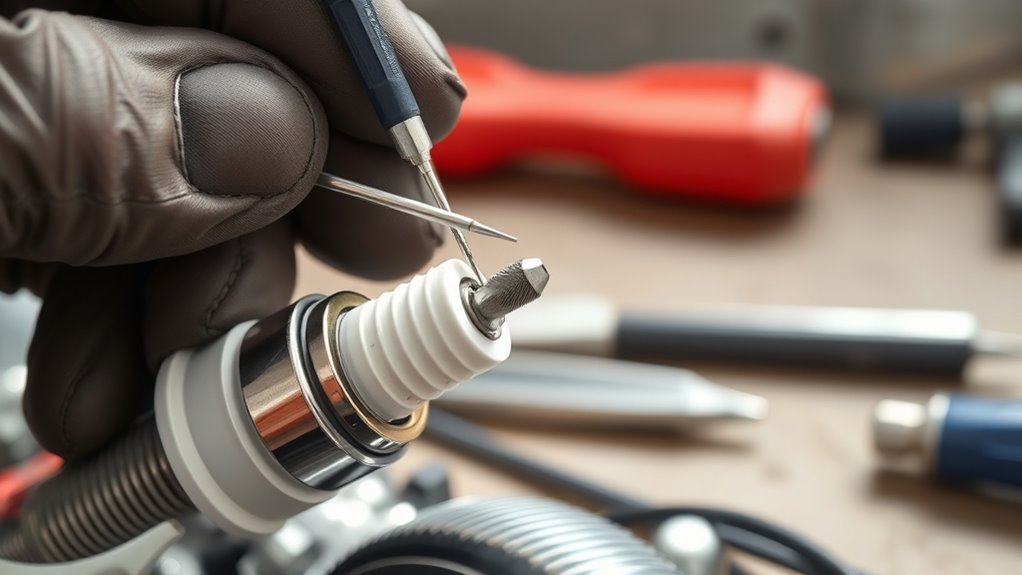
Properly gapping iridium spark plugs is essential because it directly influences your engine’s performance and efficiency. When your spark plugs are correctly gapped, you ensure ideal ignition performance, which allows your engine to run smoothly and respond quickly.
If the gap is too wide or too narrow, spark plug longevity suffers. It puts unnecessary strain on the ignition system, leading to misfires or uneven combustion.
Proper gapping guarantees consistent spark delivery, which leads to better fuel efficiency and reduced emissions. Maintaining the right gap also helps prevent premature wear and extends the life of your iridium plugs.
When you keep the gap precise, you’re supporting reliable engine operation and getting the most out of iridium’s durability and resistance to erosion.
In the end, paying attention to spark plug gapping isn’t just a small task; it’s a key step in keeping your engine running at its best.
Tools Needed for Gapping Iridium Spark Plugs
To gap iridium spark plugs accurately, you’ll want to have a few basic measuring tools and gap gauges on hand. Using the right tools ensures you can make precise adjustments without having to guess or guesswork. Nothing beats having those proper tools to get the job done right the first time.
It’s also a good idea to keep a few simple hand tools nearby for removing and installing the plugs. Things like a socket wrench, a spark plug socket, and maybe a little anti-seize can really make the process smoother and more straightforward.
Necessary Measuring Tools
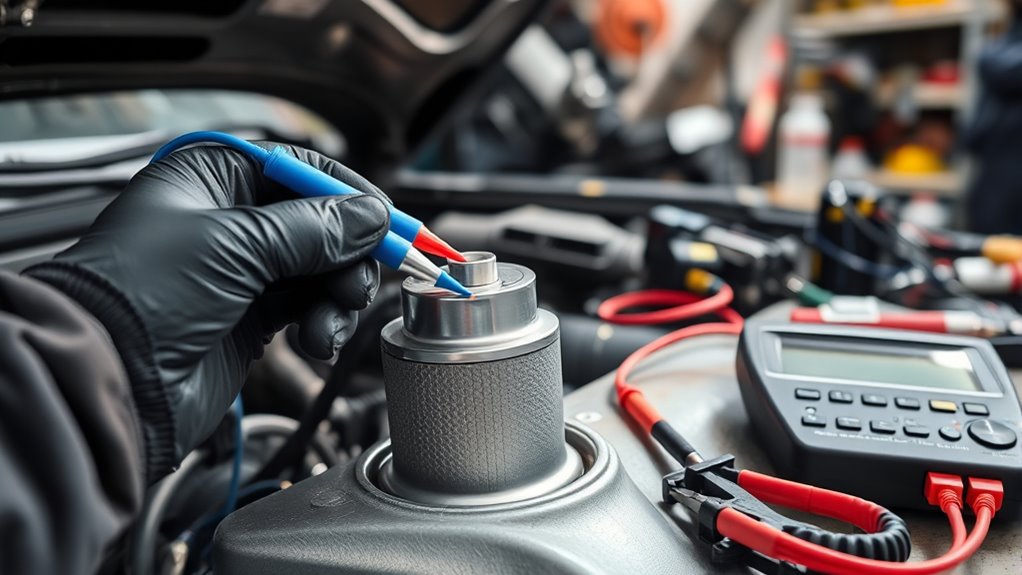
Have you gathered the necessary measuring tools before you start gapping your iridium spark plugs? You’ll need a reliable feeler gauge to measure the spark plug gap accurately, making sure it matches the manufacturer’s specifications.
A spark plug cleaner or brush can help remove debris or coatings that might interfere with accurate gap measurement. Using the right tools is important because even small misadjustments can affect engine performance.
A high-quality, calibrated feeler gauge offers precise readings, helping you avoid damaging the delicate iridium materials. Accurate measurement ensures your spark plug works efficiently, promoting smooth engine performance and better fuel economy.
Without these tools, you risk misjudging the gap, which could compromise your engine’s power and longevity.
Essential Gap Gauges
When gapping iridium spark plugs, choosing the right gap gauges is key for accurate measurements. You want a high-quality, calibrated feeler gauge that can precisely check the electrode alignment.
Since iridium plugs often have delicate coatings, it’s important to avoid damaging them during gapping. Look for fine-leaf feeler gauges that can measure small gaps accurately, so you don’t bend or chip the electrode.
Using gauges with clear, easy-to-read markings helps you set the right gap without guesswork. Keep your gauges clean and free from debris to avoid false readings.
Proper gauges help maintain the electrode’s integrity and protect the spark plug coatings. This way, you’ll ensure maximum performance and longevity of your plugs.
Basic Hand Tools
A set of basic hand tools is all you need to accurately gap iridium spark plugs. You’ll want a socket wrench with a spark plug socket to remove and handle the plugs safely.
A wire brush helps clear any spark plug corrosion around the electrodes, guaranteeing a good connection. A gap feeler gauge is essential for measuring the gap precisely.
Pliers can help with minor adjustments. Keep in mind, a damaged or improperly gapped plug can cause engine misfires.
Proper tools prevent accidental damage and ensure consistent results. Using these simple tools, you’ll maintain the integrity of your spark plugs and optimize engine performance.
With the right hand tools, you can achieve accurate gapping and avoid issues like spark plug corrosion that lead to misfires.
Understanding the Correct Gap Size for Your Vehicle
Understanding the correct gap size for your vehicle’s iridium spark plugs is key to getting the best engine performance. The gap influences ignition timing, spark strength, and fuel efficiency.
If the gap is too wide or narrow, your engine might misfire or run poorly. To find the right gap, start by checking your vehicle’s owner manual or repair guide for the recommended specifications.
Take a look at the spark plug electrode; the gap is the small space between the center and ground electrodes. Proper ignition timing depends on having the correct gap, affecting how quickly the spark ignites the fuel-air mixture.
Use a suitable gap tool to compare and set the gap precisely to the manufacturer’s specs. Always match the gap size to your vehicle’s requirements to ensure optimal ignition timing, efficient combustion, and smooth engine performance.
Getting the gap right will help your engine run at its best and prevent issues caused by incorrect spark plug gaps.
How to Check the Current Gap on Your Iridium Spark Plugs
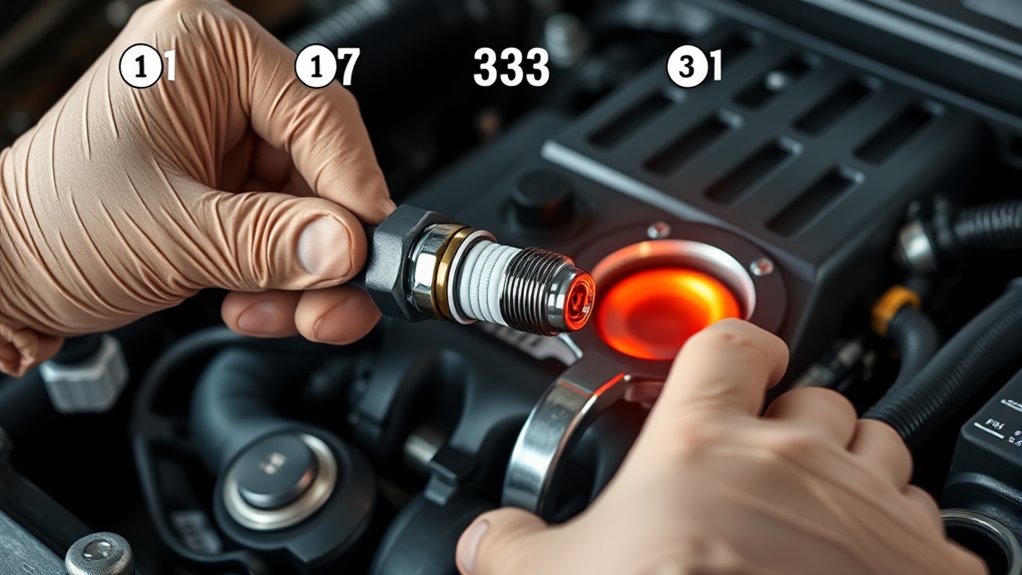
To check the current gap on your iridium spark plugs, start by carefully removing each plug from your engine using a spark plug socket and ratchet.
Once removed, examine the spark plug’s electrode. Although iridium is durable, it can still wear or get damaged, affecting ignition timing.
To measure the gap, you’ll need a feeler gauge. Slide it between the center and ground electrode; it should go in with slight resistance.
Use a spark plug chart to confirm the correct gap size for your vehicle. If the gap is too wide or narrow, you’ll need to adjust it carefully without damaging the iridium tip.
Insert the feeler gauge into the gap; it should slide in with slight resistance. Always check the gap regularly to ensure proper ignition timing, efficiency, and engine performance.
Be cautious—iridium is harder but more brittle than other materials, so handle your spark plugs gently.
Step-by-Step Guide to Gapping Your Iridium Spark Plugs
Gapping iridium spark plugs accurately ensures your engine runs smoothly and gets good fuel economy. To do it right, just follow these simple steps:
- Identify the correct gap: Check your vehicle’s manual for the right gap size based on your spark plug style and engine needs.
- Measure the gap: Use a feeler gauge to carefully measure the distance between the center and ground electrode.
- Adjust the gap: If needed, gently bend the ground electrode until it matches the recommended measurement. Be careful not to damage the iridium tip.
- Recheck the gap: Measure again to make sure it matches the specified gap and adjust if necessary.
Following these steps helps keep your spark plugs in good shape, which boosts engine performance and ensures smooth combustion. Proper gapping isn’t just about fit — it’s crucial for the efficiency and lifespan of your spark plugs.
Common Mistakes to Avoid When Gapping Spark Plugs
Even though gapping spark plugs might seem straightforward, several common mistakes can harm their performance and lifespan. One mistake is misalignment—bending or forcing the gap can damage the electrode or insulator.
Neglecting corrosion prevention is another issue. Dirty tools or spark plug surfaces can lead to rust or corrosion, which affects the gap and ignition. Using gentle, precise movements helps prevent misalignment.
Keeping your tools clean and dry also prevents corrosion. Avoid applying excessive force, as it can break the ceramic or electrode. Always use proper gapping tools for safety.
Make sure to follow the manufacturer’s specs. Ignoring these can reduce engine efficiency and cause problems. Take your time to get the gap right for optimal engine performance.
How to Recheck and Adjust the Gap for Accuracy
Before rechecking and adjusting the spark plug gap, make sure you’re working with clean, dry tools and a spark plug that’s free of corrosion. This helps ensure accurate measurements and prevents damage.
Different spark plug materials, like iridium, affect how the gap holds over time and can impact engine performance.
To verify and adjust the gap correctly, follow these steps:
- Use a precise feeler gauge that matches the specified gap size, usually around 0.4-0.6 mm.
- Gently slide the gauge between the center and ground electrodes, checking for a snug fit.
- If the gap is too wide, carefully bend the ground electrode inward. If it’s too narrow, straighten it outward.
- Recheck with the gauge to confirm the adjustment is precise.
Regularly rechecking your spark plug gap helps keep your engine running at its best and extends the life of iridium spark plugs.
Tips for Maintaining Proper Spark Plug Gaps Over Time
To keep your iridium spark plugs working at their best, you should regularly check and maintain their gaps. Even though iridium is durable, gaps can shift over time because of engine vibrations and wear.
Consistently maintaining the gap helps keep the ignition timing just right, which leads to better combustion. Make sure to check the gap with a gap tool, especially after installing new plugs or if your engine feels rough.
Be careful not to over-tighten the plugs, as that can damage the delicate iridium tip and affect how well they fit. Regular gap checks and careful handling can really extend the lifespan of your spark plugs.
Use the right tools to keep the gaps accurate without deforming them. Following these tips will help keep your spark plug gaps properly set, improve engine efficiency, and ensure reliable ignition.
Proper maintenance of gap settings supports smooth engine operation and longer-lasting spark plugs.
When to Replace Your Iridium Spark Plugs and Re-Gap Them
Regularly checking your spark plug gaps helps guarantee excellent engine performance, but there comes a point when the plugs themselves need to be replaced. Knowing when to do this depends on factors like spark plug longevity and wear.
Consider replacing your iridium spark plugs if you notice:
- Poor fuel efficiency that wasn’t an issue before
- Difficulty starting your engine or inconsistent idling
- Visual wear or damage on iridium spark tips, such as erosion or cracks
- Aging beyond the recommended interval, typically after 60,000 miles or as specified by your vehicle’s manual
Re-gapping iridium spark plugs is beneficial, but it can’t fix worn or damaged iridium spark tips. When these signs appear, replacing the plugs ensures peak performance and preserves their spark plug longevity. Regular maintenance keeps your engine running smoothly and prevents costly repairs down the line.
Troubleshooting Iridium Spark Plug Gapping Issues
When you notice engine misfires, rough idling, or poor acceleration, gapping issues with your iridium spark plugs might be the cause. Incorrect gaps can shorten spark plug lifespan, causing them to wear out faster or fail to produce a strong spark.
Misfiring or rough idling could be due to incorrect iridium spark plug gaps affecting performance.
This also affects how the ignition system works, leading to inefficient combustion and potentially damaging other ignition parts. To troubleshoot, start by inspecting the spark plug gap with a good feeler gauge.
If the gap isn’t within the recommended range, carefully re-gap or replace the plug. Check for signs of fouling or carbon buildup, which can indicate misfiring caused by improper gap or worn plugs. Always make sure all the spark plugs have the same gap.
Maintaining proper gapping helps extend the life of your spark plugs and keeps the ignition system running smoothly. Addressing these issues quickly can save you from more costly repairs later on.
Frequently Asked Questions
Can Gapping Iridium Spark Plugs Damage Their Delicate Tip?
Gapping iridium spark plugs won’t damage their delicate tip if you’re careful, thanks to their high Iridium durability.
However, applying excessive force or using improper tools can harm the spark tip sensitivity. You should gently measure and adjust the gap with a proper gauge.
Avoid bending the electrode abruptly, as it can weaken the spark tip or compromise performance. Always proceed cautiously to maintain the plug’s integrity.
How Often Should I Recheck and Re-Gap Iridium Spark Plugs?
You should recheck and re-gap iridium spark plugs every 30,000 miles or if you notice issues like a rough idle or misfires.
Electrode wear can change the gap over time, so regular inspection helps keep your engine running smoothly.
Keep an eye on your plugs, especially if you drive in tough conditions, and adjust the gap as needed to prevent poor fuel economy or engine damage.
Are There Specific Gapping Tools Recommended for Iridium Plugs?
Think of the gapping tools as precision instruments, just like a jeweler’s, perfect for spark plug materials like iridium. For gapping techniques, use a dedicated spark plug gap tool designed for fine adjustments, since iridium plugs are fragile.
Avoid using pliers or makeshift tools, which can damage the fine electrode. A proper tool guarantees accurate gap measurements, helping your iridium spark plug perform effectively and last longer.
Does Gapping Affect Fuel Efficiency or Engine Performance?
Gapping iridium spark plugs really impacts engine efficiency and overall performance. Getting the right spark plug gap ensures sparks happen at the right distance, which helps combustion.
When your gaps are correct, your engine runs smoother, uses less fuel, and gives better power. On the other hand, incorrect gaps can cause misfires, lower fuel economy, and sluggish performance.
Can Improper Gapping Cause Engine Misfires or Starting Issues?
Did you know that improper spark plug gap can cause up to a 20% decrease in fuel efficiency?
If your spark plugs aren’t correctly gapped, it can definitely lead to engine misfires or starting issues.
This also affects spark plug durability and disrupts ignition timing, causing rough starts and uneven engine performance.
Always double-check the gap to keep your ignition timing precise and prevent misfires, so your engine runs smoothly.
Conclusion
Don’t worry if gapping your iridium spark plugs seems tricky at first. It’s actually a simple skill that can save you money and keep your engine running smoothly.
By following these easy steps, you’ll ensure your plugs fire perfectly, boosting performance and fuel efficiency. Even if you’re new to this, taking your time and double-checking the gaps can prevent costly problems later on.
You’ve got this. Just a few minutes now can improve your engine’s health for miles to come. Properly gapping your iridium spark plugs is quick and easy—helping you get the most out of your vehicle.