5 Steps to Add Transmission Fluid to Your Jeep Cherokee
Many Jeep Cherokee owners find themselves unsure about maintaining their transmission properly, especially when it comes to adding transmission fluid. You’re not alone—this can feel confusing or intimidating, but keeping your transmission in good shape is simpler than you think.
To add transmission fluid to your Jeep Cherokee, start by preparing your vehicle. Make sure it’s on a flat surface, the engine is cool, and the area around the transmission is clean.
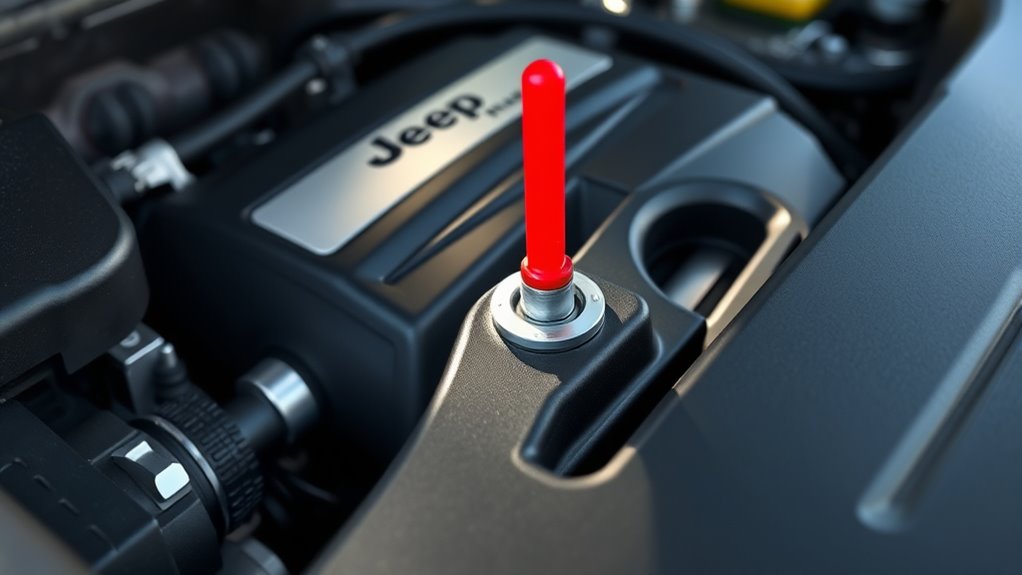
Locate the dipstick near the back of the engine bay. Start the vehicle to warm the fluid, then turn it off to check the level.
Use the correct fluid type and add gradually through the fill port, checking levels carefully. Keep your transmission in good shape by following these steps closely, and more tips await.
Key Takeaways
- Park your vehicle on a flat surface, turn off the engine, and let it cool down before you start.
- Locate the transmission dipstick near the back of the engine bay, close to the transmission.
- Remove the dipstick, clean it off, then fully reinsert it before pulling it out again to check the current fluid level.
- Add transmission fluid slowly through the fill port or the dipstick tube, using a clean funnel to avoid spills.
- After adding fluid, recheck the level to make sure it’s within the recommended range.
How to Prepare Your Jeep Cherokee Before Adding Transmission Fluid
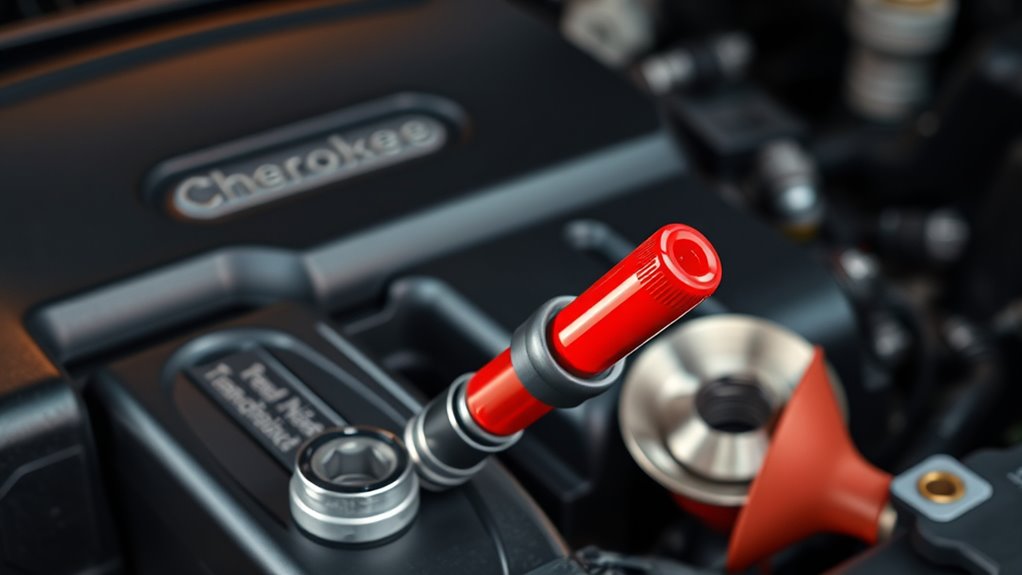
Before you add transmission fluid to your Jeep Cherokee, careful preparation is essential. Start by inspecting the transmission seals for any signs of leaks or damage, as faulty seals can cause fluid leaks or contamination. Verifying these seals are intact helps prevent fluid contamination, which can impair transmission performance.
Next, make sure the vehicle is parked on a flat surface and the engine is cool to avoid burns and guarantee accurate fluid levels. Remove any debris or dirt around the transmission area to prevent dirt from contaminating new fluid.
Park on a flat surface, ensure the engine is cool, and clear debris to prevent contamination during fluid addition.
It’s critical to use the correct type of transmission fluid specified in your owner’s manual. Properly preparing your Jeep helps avoid unnecessary issues later, such as fluid leaks or contamination, which can lead to transmission damage.
Taking these steps guarantees your transmission will perform smoothly and extends its life, making the fluid addition process efficient and effective.
How to Locate the Transmission Dipstick and Check Your Fluid Level
Wondering how to check your Jeep Cherokee’s transmission fluid level? First, find the transmission dipstick, which is usually near the back of the engine bay close to the transmission seal.
Park on level ground and start the engine. Let it run until warm, then shift through all gears to circulate the fluid.
Turn off the engine and open the hood to access the dipstick. Pull it out and wipe it clean with a rag.
Reinsert the dipstick fully, then pull it out again to check the fluid level. It should be within the marked lines on the dipstick.
Check the fluid color too—healthy transmission fluid is bright red and almost see-through. If it’s dark, brown, or smells burnt, it’s time to add or replace it.
Always verify that your transmission seal isn’t leaking and that the fluid level is accurate before proceeding.
Choosing the Right Transmission Fluid for Your Jeep Cherokee
Using the correct type of transmission fluid supports effective transmission maintenance. This helps avoid costly repairs and keeps your vehicle performing well. Always check your owner’s manual for the recommended fluid type, whether it’s synthetic or conventional, and follow the specified viscosity.
Mixing incompatible fluids can lead to poor shifting, overheating, or even transmission failure. Keep in mind that different model years or transmission types might need different fluids, so verify compatibility before you buy.
Using the right transmission fluid is a simple but vital step to keep your Jeep Cherokee running smoothly, maximize its efficiency, and protect your investment over time.
Step-by-Step: Safely Adding Transmission Fluid to Your Jeep
Once you’ve confirmed you’re using the correct transmission fluid for your Jeep Cherokee, it’s time to add the fluid safely. Start by locating the transmission fluid dipstick or fill port, usually found near the engine.
Before adding any fluid, make sure your vehicle is on a level surface to get an accurate reading. Carefully remove the dipstick or fill cap to avoid creating fluid contamination.
Use a clean funnel to pour the transmission fluid into the fill port slowly, stopping periodically to check the level. Overfilling can harm your transmission system, so add fluid gradually.
Keep an eye on the transmission fluid level to ensure it reaches the recommended mark. Remember, adding too much can cause fluid foaming, while too little can lead to poor shifting.
Always work in a clean environment to prevent dirt or debris from entering the system, which could compromise the transmission and lead to fluid contamination.
Tips to Maintain Proper Transmission Fluid Levels and Prevent Future Issues
To keep your Jeep Cherokee running smoothly, regularly monitoring and maintaining your transmission fluid levels is essential, even if you don’t notice any immediate issues. Consistent transmission maintenance helps prevent costly repairs and extends your vehicle’s lifespan.
Regularly check and maintain your Jeep Cherokee’s transmission fluid to prevent costly repairs and ensure long-lasting performance.
Make fluid monitoring a routine part of your vehicle checks, ideally every 30,000 to 60,000 miles or as specified in your owner’s manual. Look for signs like slipping gears, delayed shifting, or unusual noises, and check the fluid’s color and smell.
If the fluid is dark, dirty, or has a burnt odor, it’s time for a fluid change. Always use the recommended type of transmission fluid. Keeping levels topped off and following a regular maintenance schedule will help prevent future transmission problems.
Proper fluid management keeps your Jeep’s transmission lubricated, cool, and functioning efficiently. This not only saves you time and money but also ensures your vehicle runs reliably for years to come.
Frequently Asked Questions
How Often Should I Check My Jeep Cherokee’s Transmission Fluid?
You should check your Jeep Cherokee’s transmission fluid at least every 30,000 to 60,000 miles or once a year to stay on top of maintenance.
When you check it, look at the fluid color comparison. Healthy fluid should be pink or red and transparent.
If it’s dark, cloudy, or has a burnt smell, you need to replace or add fluid quickly. This helps prevent damage and keeps shifting smooth.
What Signs Indicate My Transmission Fluid Needs to Be Changed?
You’ll notice signs like fluid contamination, which can make your transmission fluid look dark or gritty. Transmission overheating might also occur, causing sluggish shifting or strange noises.
If you experience slipping gears, delayed engagement, or a burning smell, it’s probably time to change your fluid. Regular checks help catch these issues early before they cause more damage.
Keeping an eye on your transmission fluid helps prevent costly repairs. Addressing these signs quickly will keep your Jeep Cherokee running smoothly and extend your transmission’s lifespan.
Can I Use a Different Type of Transmission Fluid Temporarily?
You can’t really get away with using a different transmission fluid temporarily, as fluid compatibility and temperature considerations are vital. Mixing incompatible fluids can lead to shifting issues or damage.
If you’re in a pinch, choose a fluid that closely matches the specifications in your owner’s manual. Be cautious about operating your Jeep in extreme temperatures.
Ultimately, sticking to the recommended fluid guarantees smooth, reliable performance.
How Long Does It Take for Transmission Fluid to Settle After Adding?
After adding transmission fluid, it usually takes about 10 to 15 minutes for the fluid to settle fully. This can vary depending on the fluid’s viscosity and the transmission’s temperature.
To get an accurate reading, keep the vehicle running with the engine warm but not overheated. Make sure the transmission is in park or neutral.
This helps the fluid circulate properly and reach the right level. Giving it some time ensures you get an accurate measurement.
Are There Any Risks of Overfilling the Transmission Fluid?
Overfilling your transmission fluid risks fluid contamination and transmission overheating, which can cause expensive damage.
Imagine a clogged filter struggling to circulate excess fluid, leading to buildup and heat. Too much fluid increases pressure, risking leaks and component failure.
Always check fluid levels carefully. An overfilled transmission hampers performance and longevity, so follow manufacturer guidelines and avoid adding too much to keep your Jeep’s transmission healthy.
Conclusion
Maintaining the correct transmission fluid level isn’t just about avoiding costly repairs; it’s about making sure your Jeep Cherokee runs smoothly and reliably for years.
Think of your vehicle as a mirror reflecting your care and attention. Neglect a small detail, and it could cause bigger problems down the road.
By regularly checking and maintaining your transmission fluid, you’re not just extending your vehicle’s life. You’re also embracing the truth that consistent care pays off in the long run.
When it comes to your Jeep Cherokee, keeping the transmission fluid at the right level is key to keeping everything running seamlessly.