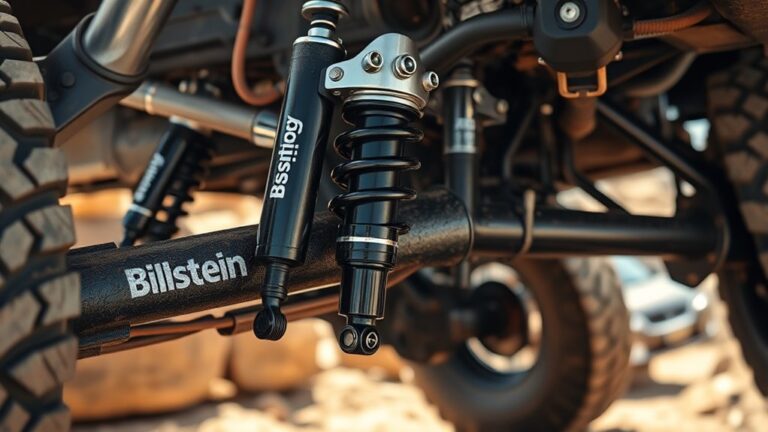
What Do Bad Shocks Cause in Vibration?
Dealing with unexpected machinery vibrations can be stressful and costly. If you’ve noticed sudden jolts or strange noises, you’re not alone—many people struggle with this problem.
Bad shocks are often the culprits, causing more damage than you might realize. Bad shocks cause sudden, high-intensity vibrations that can damage your machinery over time.
They produce impact spikes, increase overall vibration levels, and can lead to misalignment, wear, and fatigue of critical components.
Repeated shocks weaken parts and reduce system stability, risking costly failures. Detecting these vibrations early is essential to prevent long-term damage.
If you want to understand how to identify and manage bad shocks effectively, keep exploring the details below.
Key Takeaways
- Bad shocks cause sharp spikes and increased amplitude in vibration signals, indicating impact events and potential component damage.
- They lead to sustained high vibrations, which reduce system stability and speed up wear on parts like bearings and mounts.
- Repeated shocks mess with lubrication, causing irregular vibrations and raising the risk of fatigue cracks and component failure.
- Misdiagnosing shocks can hide underlying issues, leading to ongoing damage and higher repair costs.
- Proper monitoring and maintenance, including damping solutions, help prevent vibration-related damage from bad shocks.
What Are Bad Shocks and How Do They Happen in Machinery?
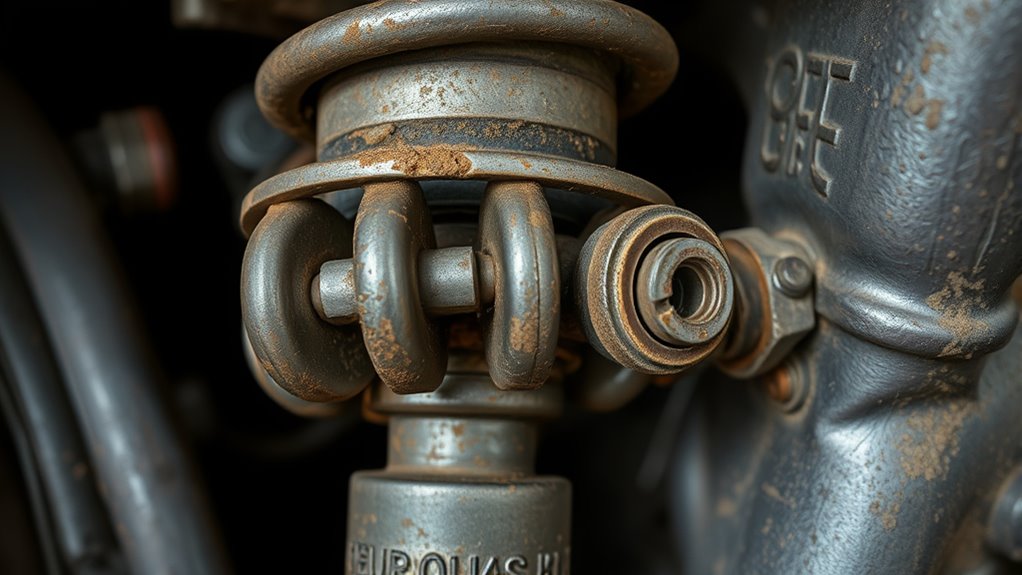
Bad shocks are sudden, intense jolts or impacts that happen when machinery suddenly changes in motion or load. These shocks often come from unexpected hits, quick starts or stops, or sudden changes in weight.
Bad shocks cause sudden jolts from unexpected impacts, quick starts, stops, or load changes in machinery.
To avoid damage, using shock absorbers and vibration control methods is key. When shocks occur, they cause excessive vibrations that can weaken parts over time.
Knowing how these shocks happen helps you better protect your equipment. Mechanical systems are especially at risk during heavy loads or quick accelerations.
Often, poorly designed or worn-out parts can’t absorb the energy from these impacts, leading to damage. Proper shock absorption tools like dampers, isolators, or resilient mounts can reduce the severity.
Vibration mitigation techniques also help by limiting how much energy is transferred through the machine, preventing long-term harm.
Recognizing the sources and effects of bad shocks helps improve machinery lifespan and keeps operations running smoothly.
How Do Bad Shocks Show Up in Vibration Data?
When machinery experiences shocks, these sudden impacts often show up as distinct patterns in vibration data. You’ll see sharp, high-intensity spikes that stand out from normal operation signals.
If shock absorption isn’t enough, these vibration signals become more noticeable, making shocks easier to spot. Impacts often push vibration readings beyond typical levels, flagging something abnormal.
Consistent high-amplitude spikes indicate energy from shock waves traveling through the machine’s structure. Even if shocks are partially absorbed, leftover vibrations can make detection tricky.
Monitoring vibration thresholds helps you tell the difference between regular vibrations and those caused by bad shocks. When thresholds are suddenly or repeatedly exceeded, it’s a clear sign that shock effects are showing in the data.
What Are the Immediate Effects of Bad Shocks on Machinery Vibration?
When a bad shock hits the machinery, you’ll instantly notice a sudden spike in vibration levels. It’s like the machine is jolted, and that extra shake tells you something’s not quite right. These immediate changes mean the equipment is under quite a bit of stress at that moment.
You’ll probably also see the machine becoming a bit unstable or wobbly, making it harder to keep things running smoothly. Spotting these quick effects is super important because it lets you take action right away before things get worse or cause more serious damage.
Increased Vibration Levels
Immediately after shocks happen, you’ll see a big jump in vibration levels within the machinery. This spike happens because shock absorption parts get overwhelmed, making vibration damping less effective.
High vibrations speed up wear on components and can make the system less stable. Keep in mind that shock absorption might get compromised, so it can’t cushion impacts as well.
Excessive vibrations can cause bearings and mounts to fatigue faster, increasing the risk of damage. Poor vibration damping means high-frequency vibrations stick around longer.
If vibrations stay high for too long, it can damage critical parts, leading to costly repairs. Recognizing these immediate effects helps you act quickly to prevent bigger problems.
Addressing the rise in vibrations is key to keeping your equipment running smoothly and safely.
Equipment Operational Instability
Bad shocks directly undermine machinery stability, causing it to operate unpredictably. When shocks happen, they disrupt lubrication efficiency, which can lead to improper lubrication of key components.
This results in increased wear and a higher risk of component failure. You might notice irregular vibrations and sudden changes in machine performance, making it tough to keep things stable.
Shocks can also cause misalignment and loosen fasteners, making equipment even less stable. The immediate outcome is a decline in reliable operation, so you’ll need to monitor and adjust machinery more often.
Over time, repeated shocks damage the mechanical structure, increasing instability and shortening your equipment’s lifespan. Addressing shocks quickly helps restore operational stability and avoids costly downtime.
How Do Repeated Shocks Cause Long-Term Damage?
Repeated shocks put continuous stress on a vehicle’s suspension components, slowly weakening their structure over time. This constant impact wears down the shock absorption and vibration damping systems meant to protect your car.
Repeated shocks gradually degrade suspension parts and diminish ride comfort and safety over time.
As a result, parts like springs, bushings, and struts develop fatigue and cracks, increasing the chance of failure. Over many impact cycles, metal parts can become brittle, leading to expensive repairs and unsafe driving conditions.
Key points to remember:
- Repeated shocks cause ongoing wear on suspension parts.
- Weak shock absorption lessens ride quality and safety.
- Vibration damping becomes less effective, making vibrations worse.
- Long-term damage speeds up with continued exposure to shocks.
Without proper maintenance, your vehicle’s ability to handle future impacts drops. Repeated shocks don’t just cause discomfort—they threaten the long-term health of your suspension system, so early diagnosis and repairs are crucial.
What Are the Risks of Misdiagnosing Shocks in Vibration Analysis?
Misdiagnosing shocks during vibration analysis can have serious consequences because it causes your mechanic to overlook or misidentify underlying suspension issues.
If a shock wave is mistaken for a minor problem, your mechanic might not address the root cause, which can lead to continued vibration and further damage. Incorrect diagnosis can also cause ineffective vibration damping, which is essential for a smooth ride.
When bad shocks aren’t correctly identified, they might be replaced unnecessarily or left in place, making the problem worse over time. Misdiagnosis makes it harder to tell different shock types and their effects apart, increasing the risk of missing dangerous suspension wear.
This mistake can lead to increased vehicle vibrations, poor handling, and safety hazards. Ultimately, accurately diagnosing shocks is key to preventing long-term damage. Poor diagnosis not only affects ride quality but can also lead to costly repairs down the line.
How Do Bad Shocks Lead to Machinery Failures?
When machinery experiences bad shocks, it tends to vibrate more than it normally would. This extra vibration puts a lot of stress on different parts of the machine. Over time, that stress can cause the components to wear out faster than they should, and if you don’t catch it early, it can lead to early failures.
Plus, these shocks can cause misalignment and even physical damage to the machinery. All of that adds up and raises the chances of costly breakdowns down the road. So, it’s really important to keep an eye on those shocks to prevent bigger issues later on.
Increased Vibration Levels
Have you ever wondered how worn shocks can cause machinery to vibrate abnormally? When shock absorption diminishes, vibrations increase beyond normal thresholds, leading to operational issues.
Bad shocks fail to absorb shocks effectively, resulting in transmitted vibrations that magnify in machinery components. This escalation can create:
- Excessive movement and instability
- Increased stress on bearings and mounts
- Reduced equipment precision
- Higher risk of component fatigue
As vibrations rise past acceptable limits, machinery becomes prone to early failures. Proper shock absorption keeps vibrations in check, ensuring the system doesn’t reach damaging levels.
When shocks deteriorate, vibrations escalate. That’s why it’s essential to monitor vibration thresholds regularly to prevent costly breakdowns.
Accelerated Wear and Tear
When shock absorbers wear out, the vibrations they allow can speed up the deterioration of key machinery parts. Without good shock absorption, these vibrations get worse, putting more stress on components.
This increased vibration can cause parts like bearings and gears to wear out faster, reducing the machine’s lifespan and raising maintenance costs. Poor shock absorption also creates stress points that weaken the overall structure.
Over time, continuous exposure to these damaging vibrations can lead to cracks or fractures, risking sudden failures. Regularly maintaining or replacing shocks helps keep vibrations in check, protecting your equipment from early wear and tear.
Misalignment and Damage
Misaligned or worn-out shock absorbers can cause machinery components to move unexpectedly, leading to misalignment. This puts stress on bearings, shafts, and gears, which speeds up damage.
Vibrations from bad shocks can also mess with lubrication, causing more friction and wear. Plus, they might disrupt the cooling system, leading to overheating and further issues.
To prevent failure, watch for signs like increased vibrations that disrupt proper alignment, lubrication breakdown from constant shocks, cooling system leaks, or uneven wear patterns indicating misalignment.
Fixing these problems quickly helps keep your equipment in good shape and avoids costly repairs or breakdowns. Regular shock maintenance and monitoring are key to controlling vibrations and protecting your machinery.
How Can You Detect Bad Shocks Using Vibration Monitoring Techniques?
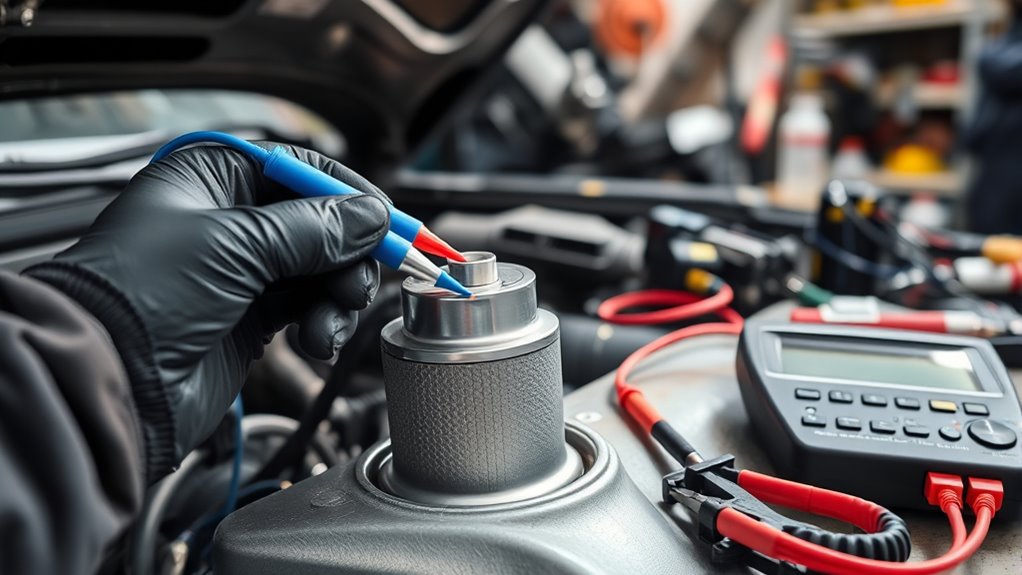
Vibration monitoring techniques provide an easy way to spot bad shocks in your vehicle. By analyzing vibration data, you can catch issues with shock absorption early before they cause bigger problems.
Vibration analysis involves using sensors to measure the frequency and amplitude of vibrations during operation. When shocks are faulty, they often produce unusual vibration patterns or higher levels of certain frequencies.
You can use portable or stationary vibration sensors to monitor these signals in real-time or during routine checks. Look for inconsistent vibrations, increased amplitude, or weird frequency spikes—these might mean your shock absorbers aren’t working right.
Consistent vibration analysis helps pinpoint where and how severe the bad shocks are. This way, you can maintain your shocks properly and avoid further damage. Regular monitoring keeps your ride smooth, comfortable, and reduces the chance of mechanical issues down the line.
What Strategies Can Help Prevent and Minimize the Impact of Bad Shocks?
To help prevent and lessen the impact of bad shocks, it’s a good idea to stay on top of regular equipment maintenance. By checking your gear frequently, you can spot potential problems early before they turn into bigger issues.
Also, using the right shock absorption techniques, like installing high-quality dampers, can really make a difference. These dampers act as cushions, softening the vibrations before they can cause any damage. Combining regular maintenance with proper shock mitigation methods helps keep your equipment running smoothly and reduces those vibration-related headaches.
Regular Equipment Maintenance
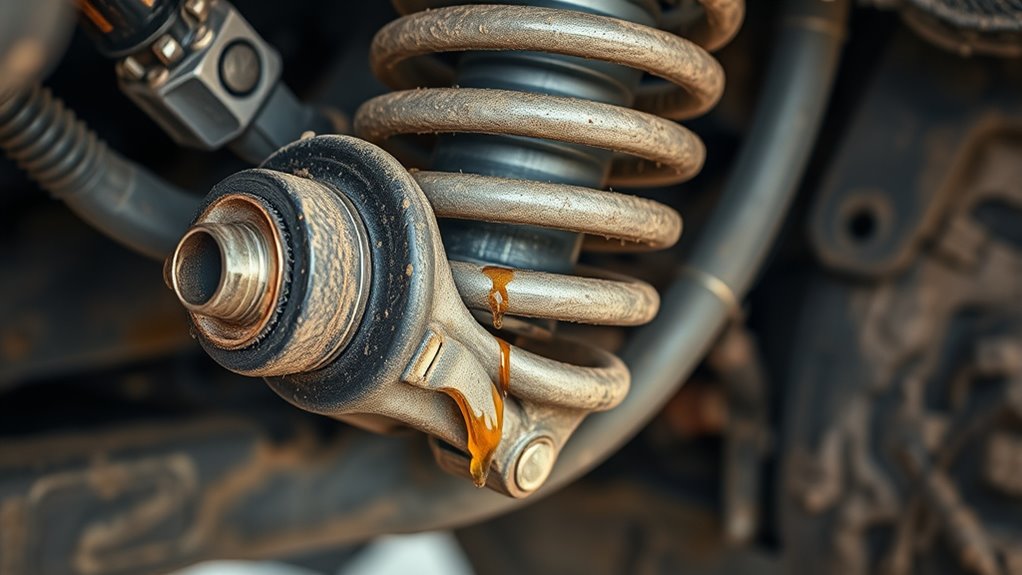
Inspect your shocks regularly for leaks, wear, or damage to catch issues early. Keep suspension parts lubricated and replace worn-out components promptly. This way, you maintain ideal shock absorption and vibration damping, leading to a smoother ride and less stress on your vehicle.
Check for leaks and damage often. Replace worn or damaged shocks as soon as you notice them. Keep suspension components lubricated and tighten loose bolts and fittings regularly.
Proper Shock Absorption Techniques
Implementing proper shock absorption techniques can significantly reduce the impact of bad shocks on your vehicle’s performance. Focus on maintaining effective vibration damping by choosing quality shock absorbers suited to your vehicle’s load and driving conditions.
Regularly inspect and replace worn-out shocks to ensure peak performance. Using additional measures like anti-vibration mounts or rubber bushings can further improve vibration damping.
Practice driving habits that minimize sudden jolts, such as avoiding potholes and uneven terrain when possible. Proper shock absorption also involves keeping suspension components clean and in good condition to prevent unnecessary stress.
When installed correctly, these strategies help reduce vibrations caused by bad shocks, protecting your vehicle’s structure, improving ride comfort, and extending its overall lifespan.
Why Is Proper Maintenance Key to Managing Shock-Induced Vibrations?
Proper maintenance is essential for controlling shock-induced vibrations because neglected shocks and suspension components can quickly become ineffective or damaged, leading to increased vibrations and potential vehicle instability.
Regular maintenance prevents shock failure, reduces vibrations, and ensures vehicle stability and safety.
When shocks are well-maintained, they effectively absorb shocks and provide vibration damping, ensuring smoother rides and reducing stress on other parts. Regular inspections help catch signs of wear early before issues worsen.
If you ignore maintenance, vibrations can escalate, making driving uncomfortable and posing safety risks. To keep shock absorption and vibration damping at their best, check for leaks or fluid loss regularly.
Replace worn-out shock absorbers promptly, tighten any loose suspension components, and routinely inspect suspension parts for damage or corrosion. Focusing on these steps guarantees your shocks perform well.
This minimizes shock-induced vibrations and helps protect your vehicle’s stability. Proper maintenance isn’t just about comfort; it’s also vital for safety and long-lasting performance.
Why Recognizing Bad Shocks Is Critical for Machinery Reliability?
Recognizing bad shocks is vital because they directly threaten machinery reliability. When shocks happen unexpectedly, they overload the shock absorption systems meant to protect components, which can cause increased wear or even failure.
Vibration damping mechanisms help reduce these shocks’ impact, but only if you can spot signs of potential failure early. By understanding the importance of bad shocks, you can take preventive steps before costly breakdowns occur.
Monitoring vibration patterns helps you detect abnormal signals that point to shock damage or ineffective damping. Spotting these early ensures you maintain proper damping, which prevents excessive strain on machine parts.
This proactive approach helps keep your equipment working smoothly and lasts longer. Recognizing bad shocks early allows you to act quickly, preserving your machinery’s integrity, reducing downtime, and saving money on repairs or replacements.
Ultimately, catching these shocks early is a key part of keeping your machinery reliable and running efficiently.
Frequently Asked Questions
Can Bad Shocks Cause Changes in Machinery Noise Levels?
Bad shocks can definitely cause changes in machinery noise levels. When shock absorption decreases because of worn or damaged shocks, vibrations aren’t dampened properly, and that can lead to louder noises.
This reduction in noise reduction efficiency means you might hear clunking, rattling, or whining sounds while the machine is running. Basically, when shocks are compromised, vibrations turn into increased noise.
That’s a sign you need to check them and replace if necessary. Doing so can help restore smooth, quieter operation and prevent further damage.
How Do Bad Shocks Affect the Lifespan of Machine Components?
Bad shocks reduce shock absorption, which means your machine components face more impact and stress.
This extra strain speeds up material fatigue, making parts weaken and wear out faster. Over time, these problems shorten the lifespan of your components, leading to costly repairs or replacements.
Regularly inspecting and maintaining shocks helps keep proper shock absorption. This practice ultimately extends your machinery’s durability and keeps it running safely and efficiently.
Are Certain Machinery Types More Susceptible to Damage From Shocks?
Yes, some machinery types are more vulnerable to damage from shocks. Equipment without good shock absorption and vibration damping features struggles with sudden impacts.
Sensitive instruments, precision machinery, and high-speed equipment are especially at risk. Regularly check and maintain shock absorption systems to reduce damage chances.
This helps keep your equipment running smoothly and extends its lifespan. Proper damping also cuts down vibration stress, protecting your machinery from costly repairs.
What Role Does Shock Magnitude Play in Vibration Deterioration?
Shock magnitude acts like a punch to your machinery, increasing vibration deterioration. When shocks are stronger, they do more damage over time.
Higher shock magnitudes make shock frequency more impactful, which can overwhelm impact resilience and lead to more wear and tear. Strong shocks can displace components or degrade insulation, speeding up the deterioration process.
Basically, the bigger the shock, the faster vibration problems get worse. This can weaken equipment durability and hamper performance. Managing shock levels is crucial for keeping machinery running smoothly and extending its lifespan.
How Quickly Can the Effects of Bad Shocks Become Evident?
You’ll notice the effects of bad shocks fairly quickly, often within a few days or weeks, especially if shock absorption and vibration damping aren’t working well. Poor shocks don’t cushion impacts properly, leading to more vibrations that can stress parts over time.
You might feel a bumpier ride or hear strange noises early on. The more you’re exposed to these issues, the faster wear can happen. Addressing the problem right away helps avoid serious damage and keeps your vehicle driving smoothly and safely.
Conclusion
Understanding bad shocks is vital because they can cause early machinery failure and costly repairs. Did you know that shock-related damage accounts for up to 30% of mechanical breakdowns?
By monitoring vibrations and conducting proper maintenance, you can detect shocks early and prevent long-term damage.
Staying proactive guarantees machinery reliability, reduces downtime, and saves you money in the long run.
Don’t overlook shocks because they can make the difference between smooth operation and unexpected failure.
Pay attention to shocks to keep everything running smoothly and avoid costly surprises.