Why Is My Jeep Not Starting Despite Has Power
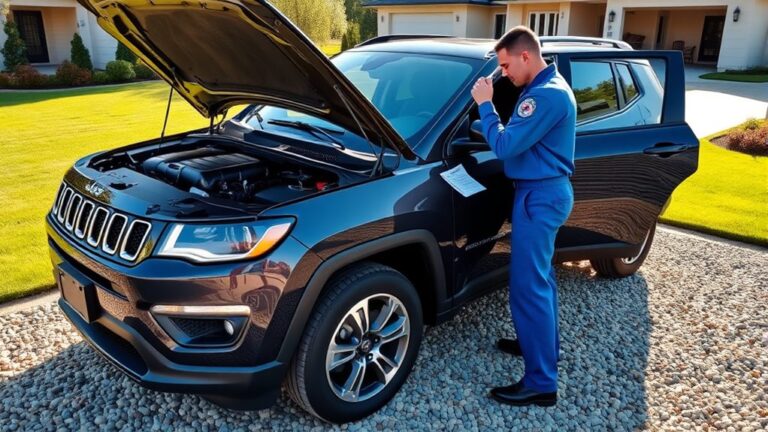
Having your Jeep refuse to start can be incredibly frustrating, especially when you know it has power. You’re not alone—many Jeep owners struggle with starting issues that don’t seem to make sense at first.
If your vehicle isn’t turning over despite a powered engine, it’s understandable to feel stuck, but don’t worry. There are some common culprits to check.
If your Jeep has power but won’t start, the problem might be with the ignition system, fuel delivery, or the starter motor. Check for corrosion or loose connections on the battery and cables first. Then, inspect spark plugs, ignition coils, and fuses.
Listen for fuel pump noise and verify the relay is functioning. If these basic checks don’t resolve the issue, exploring other components can help. There’s more to uncover if you keep exploring.
Key Takeaways
- The starter motor might be faulty or not engaging properly, even if you have power.
- The ignition switch or relay could be defective, stopping the engine from turning over.
- Fuel delivery issues, like a failed fuel pump or clogged filter, can prevent the engine from starting, even with power.
- Spark plugs or ignition parts might be worn out or damaged, leading to misfiring or no ignition at all.
- Faulty sensors or a malfunctioning immobilizer system could block the engine from starting, even when the electrical power is there.
Start by Checking Your Jeep’s Battery and Electrical Connections
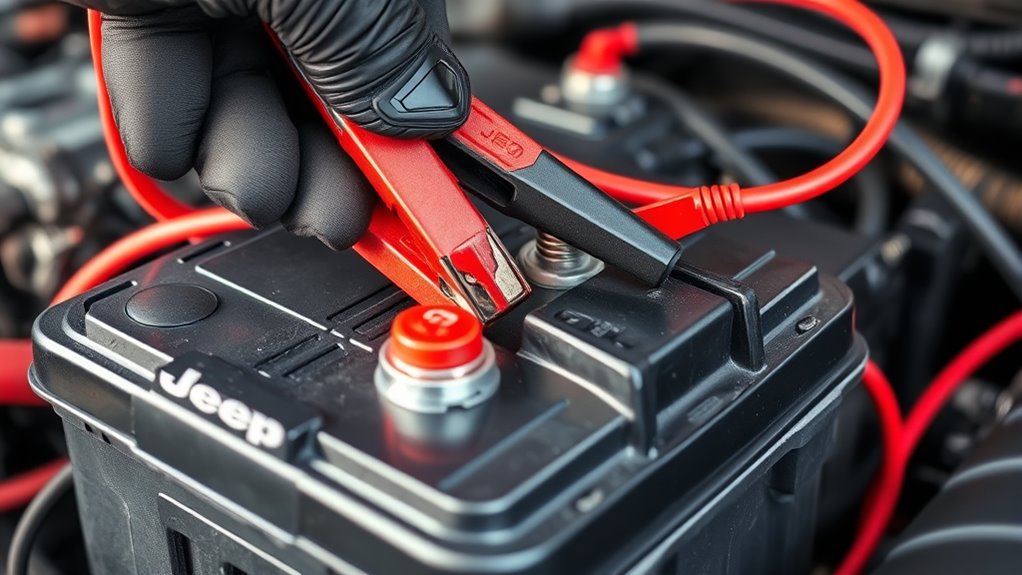
Before exploring more complex issues, start by inspecting your Jeep’s battery and electrical connections. Open the cargo space to access the battery easily, especially if your model has a rear-mounted battery.
Look for signs of corrosion or loose terminals, as these can prevent your vehicle from starting even if the interior lighting turns on. Check that the battery cables are tightly connected and free of dirt or rust.
If your Jeep’s interior lighting works but other electrical components won’t, it could mean a weak or dead battery. You might also want to examine the wiring for any damage or fraying that could cause electrical issues.
Sometimes, a simple jump start can reveal a faulty battery, especially if the connections are secure but weak. Making sure all connections are clean, tight, and free of corrosion helps ensure your electrical system works properly.
This increases the chances that your Jeep will start without any trouble.
Is Your Ignition System Faulty? How to Test It
If your Jeep has power but still refuses to start, the ignition system might be the culprit. To test it, first turn the key to the “on” position without starting the engine. If the dashboard lights up and your accessories work, the ignition switch is likely fine.
If your Jeep has power but won’t start, the ignition switch may still be fine.
Next, try to start the engine; if it doesn’t ignite, listen for a clicking sound. No sound could mean a faulty ignition relay or switch. You can also check the spark plug wiring or ignition coil for damage or corrosion.
Off-road suspension and turbochargers put extra strain on your engine’s electrical systems, so it’s important to verify these components aren’t interfering with ignition signals. Make sure all connections are secure and check that no fuses related to the ignition are blown.
Testing these parts step-by-step helps you pinpoint issues, so you avoid replacing parts unnecessarily and get your Jeep back on the road faster.
Could Your Fuel Pump or Delivery Be the Problem?
Is your Jeep still not starting? It might be time to take a closer look at the fuel pump. One thing you can do is listen for that familiar humming noise when you turn the key—if you don’t hear it, the pump might not be working right.
Also, don’t forget about the fuel delivery system itself. Problems like clogged filters or broken lines can stop fuel from reaching the engine. So, it’s worth checking those parts out too, to see if they might be the reason your Jeep isn’t firing up.
Fuel Pump Functionality Check
A failing fuel pump is a common reason why a Jeep might crank but not start. To check if it’s working, listen for a humming sound near the fuel tank when you turn the key to the “on” position—no sound could mean a faulty pump.
Feel the fuel lines; they should be firm and not soft or collapsing. If the pump isn’t delivering fuel, vapor lock can happen, especially in hot weather, and it prevents proper fuel flow.
Make sure the fuel filter isn’t clogged, as that can mimic pump failure. If you suspect the pump, try testing the voltage at the pump connector or use a fuel pressure gauge to see if your system is getting proper pressure.
A quick check like this can save you from replacing parts unnecessarily.
Fuel Delivery System Issues
When your Jeep isn’t starting despite having power, issues within the fuel delivery system could be the culprit. A malfunctioning fuel pump or clogged fuel filter can prevent fuel from reaching the engine, leading to startup failure.
You might notice engine overheating because improper fuel flow causes misfires or uneven combustion. Also, if your brake system is compromised, it may stall the engine or prevent it from running efficiently as a safety measure.
Check for signs like sputtering, difficulty starting, or stalling shortly after startup. Ensuring your fuel pump is working correctly and that fuel lines are clear can resolve these issues.
Promptly addressing fuel delivery problems can save you from further engine damage and keep your Jeep running smoothly.
How to Diagnose a Bad Starter Motor in Your Jeep
Diagnosing a bad starter motor in your Jeep involves paying close attention to its signals and behavior. If your engine doesn’t turn over or makes a grinding noise when you turn the key, the starter could be the culprit.
Check your engine oil levels first; low oil can cause struggles in engine components that might mimic starter issues. Also, verify your tire pressure is proper if you notice odd vibrations or difficulty starting, as uneven load distribution can affect engine performance.
Listen for clicking sounds when turning the ignition; repeated clicks often indicate a faulty starter solenoid or motor. If the engine cranks slowly or not at all with a fully charged battery, it’s a sign the starter may be failing.
Use a voltmeter to test the voltage at the starter when attempting to start. Consistent lack of power or weird noises while starting suggests you should consider replacing your starter motor.
Are the Main Relay and Fuses Causing the No-Start Issue?
After ruling out a faulty starter motor, the next step is to examine the main relay and fuses. These components are essential for delivering power to your Jeep’s ignition system.
The main relay controls the flow of electrical current from the battery to critical systems like the fuel pump and ignition. If it’s faulty or sticking, your Jeep might have power but still won’t start.
Check the fuse box for blown fuses, especially those connected to the ignition or fuel system. Without proper voltage, key components can’t operate correctly.
Inspect the fuses visually; if any are burnt or broken, replace them. To test the main relay, swap it with a spare or use a multimeter to check for continuity.
Fixing issues with the main relay and fuses can often resolve a no-start problem caused by electrical supply issues.
Could Security or Immobilizer Systems Be Preventing Your Jeep From Starting?
Security or immobilizer systems can sometimes be the reason your Jeep won’t start, even if the battery and electrical system are fine. These advanced security features are made to prevent theft by blocking the engine from starting without the correct key or fob signal.
If there’s an issue with the immobilizer, your Jeep’s computer may not recognize your key, which stops the engine from turning over. You might notice a flashing security light on the dashboard indicating a problem.
Sometimes, these problems happen because of a dead key fob battery, a damaged transponder, or a malfunction in the immobilizer system itself. Resetting your key or trying a spare fob can often help fix the issue.
If the problem continues, you might need a professional to check out the immobilizer system. Remember, while security systems are key for theft prevention, they can be frustrating if they malfunction or don’t recognize your key.
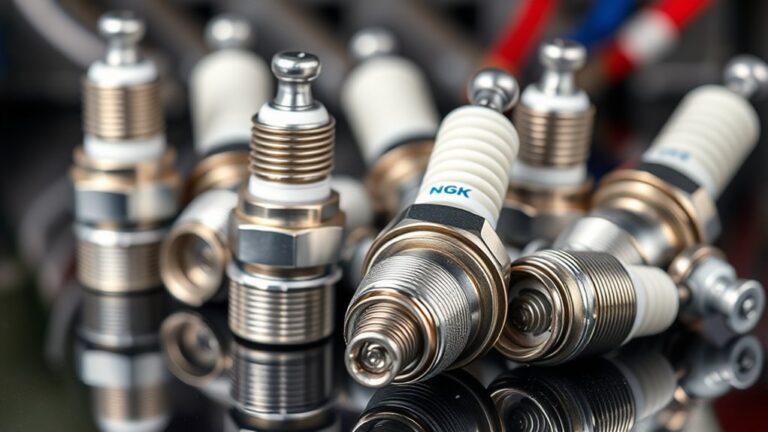
Inspecting Spark Plugs and Ignition Coils : Are They Working Properly?
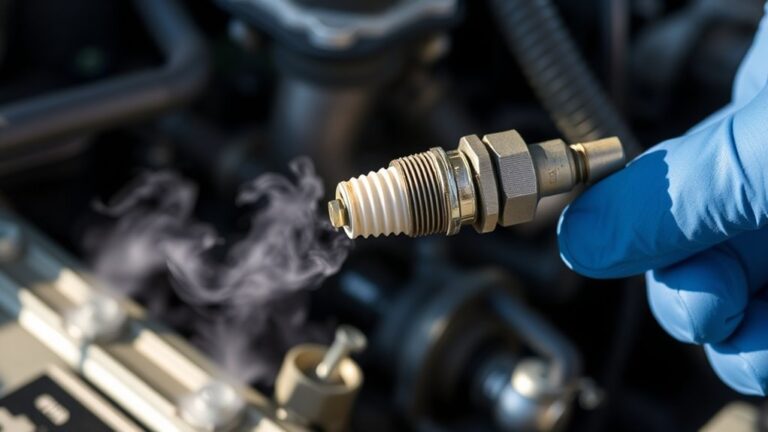
If your Jeep isn’t starting, it might be a good idea to take a look at the spark plugs first. Check them out for any signs of wear, like corrosion or cracks—that could be a clue that they’re not working as they should.
While you’re at it, don’t forget to test the ignition coils too. You want to make sure they’re producing a strong, consistent spark. Having all these parts working properly is key to starting your vehicle reliably and avoiding future headaches.
Signs of Worn Plugs
Worn spark plugs and failing ignition coils are common reasons your Jeep might not start, even if the battery has power. Worn plugs often show visible signs like excessive carbon buildup, corrosion, or erosion of the electrode tip. These issues cause incomplete combustion, which can lead to rough idling or engine misfires.
If the plugs are quite worn, your engine may overheat more easily because it struggles to burn fuel efficiently. You might notice poor acceleration, higher fuel consumption, or difficulty starting the vehicle. When inspecting, check for gaps that are wider than the manufacturer’s specs.
Ignition coil problems can also contribute to starting issues, but worn plugs are usually the main culprit. Addressing these problems quickly can prevent further engine damage and help get your Jeep running smoothly again.
Testing Ignition Coils
To determine whether your ignition coils are working properly, you’ll need to perform some specific tests to check their electrical performance. Start by inspecting the coil for any signs of damage or cracks.
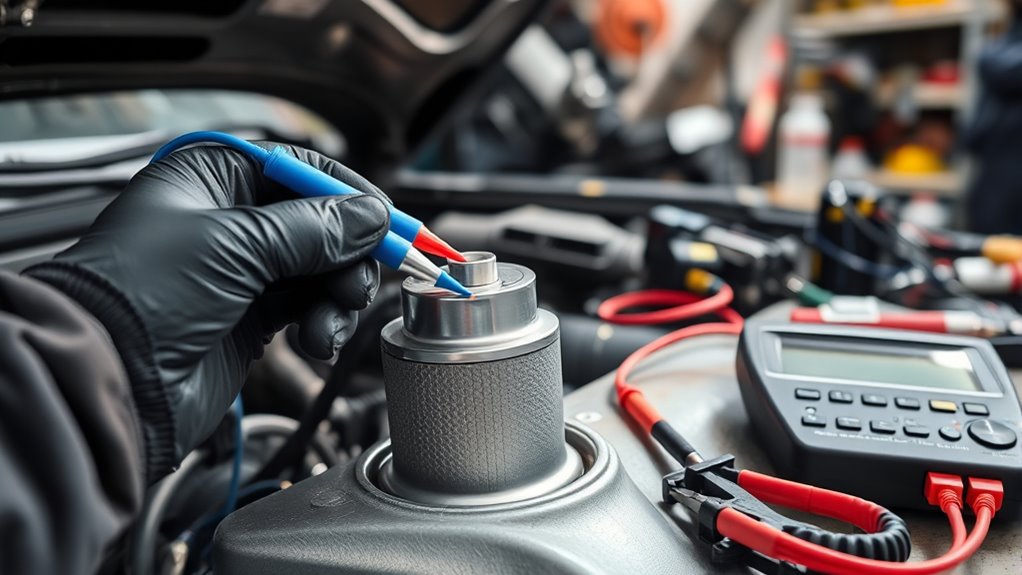
Next, use a multimeter to check the primary and secondary resistance, making sure to compare the readings with your vehicle’s specifications. If the numbers are off, the coil might be faulty.
Also, ensure your engine cooling system is functioning correctly because overheating can affect ignition performance. If the cooling system isn’t working well, it could lead to issues.
Additionally, low transmission fluid levels can cause electrical problems that indirectly impact the ignition system. Keep an eye on fluid levels to prevent such issues.
Here’s a quick overview of the tests you should perform:
| Test | Purpose |
|---|---|
| Resistance check | Verifies coil’s electrical integrity |
| Visual inspection | Detects physical damage or cracks |
| Spark test | Ensures sparks are strong and consistent |
Using Diagnostic Tools to Read Error Codes
For example, if there’s a problem with wheel alignment sensors or brake fluid levels, the codes will show you where the problem is. Sometimes, a faulty wheel alignment sensor can trigger the anti-lock brake system, which might prevent your Jeep from starting.
Low brake fluid can set off warning lights or faults that disable the ignition for safety reasons. By interpreting these error codes, you can narrow down the cause without guessing. This saves time and helps target repairs more effectively.
Keep in mind, some error codes point to minor issues, while others indicate major problems. Using a diagnostic tool gives you a clear starting point, guiding you to fix the problem and get your Jeep back on the road.
What to Do if Your Jeep Still Won’t Start After These Checks
If your Jeep still won’t start, the first thing to do is take a good look at the battery connections. Make sure they’re tight and that there’s no corrosion or dirt messing with the connection. Sometimes, a simple clean-up or tightening can do wonders.
Next, you’ll want to check out the starter circuit. Look for any visible damage or loose wires that might be preventing the engine from turning over. If everything looks okay there, then it’s time to move on to the fuel system to see if fuel is actually reaching the engine. Confirm that your fuel lines and filter are clear and working properly—sometimes the problem is as simple as a clog or a empty tank!
Check Battery Connections
Even if your Jeep’s dashboard lights come on, loose or corroded battery connections can still prevent the engine from starting.
Start by inspecting the battery terminals. Look for any corrosion or dirt buildup that might hinder a good connection.
Make sure the cables are tightly secured because even a small looseness can cause starting problems.
While you’re checking the connections, take a moment to look at your windshield wipers. If they move sluggishly or unevenly, it could be a sign of an electrical issue linked to the battery connection.
Also, check your tire tread, as poor contact or corrosion can sometimes mimic battery connection problems.
Cleaning corrosion with a wire brush and tightening the connections might restore power and help your Jeep start smoothly again.
Inspect Starter Circuit
When your Jeep still won’t start after checking the battery connections, it’s time to inspect the starter circuit for potential issues. Start by testing the starter relay and wiring for any damage or loose connections.
If you’re using a remote keyless system, verify the key fob’s battery is working properly, as a malfunction could prevent the starter from engaging. Also, check the ignition switch and starter solenoid for faults.
While inspecting, confirm your wheel alignment isn’t causing misalignment issues that could interfere with components linked to the starter circuit.
If everything seems intact but the problem persists, you might need a professional diagnosis. Inspecting these elements can help pinpoint if the starter circuit is failing and guide you toward the right fix.
Evaluate Fuel System
Could the fuel system be the culprit behind your Jeep’s failure to start? First, check if your fuel is old; fuel oxidation over time can cause poor combustion. If the fuel has degraded, you’ll need to refill with fresh gas.
Also, inspect the fuel tank sealing for leaks or cracks, which can prevent proper fuel flow or cause air to enter the system. A faulty seal can lead to difficult starting or stalling.
Verify the fuel filter isn’t clogged, restricting fuel delivery. It’s also a good idea to listen for the fuel pump’s humming noise when you turn the key. If it’s silent, the pump might be faulty.
Properly sealed and fresh fuel are critical to keeping your engine running smoothly and starting reliably.
When to Call a Professional for Jeep Starting Problems
Knowing when to call a professional is essential if your Jeep struggles to start despite having power. If you’ve checked the battery, fuel, and spark but still face issues, it’s time to seek expert help.
Ignoring these signs can lead to more costly repairs and frustrating breakdowns. Consider contacting a mechanic if you notice dashboard warning lights or strange noises.
Moreover, if your Jeep refuses to start after a routine road trip or troubleshooting feels beyond your basic skills, professional assistance is necessary.
A technician can diagnose complex problems like electrical faults or sensor failures effectively. Remember, some issues require specialized tools and knowledge—so don’t risk further damage.
Being proactive helps ensure your vehicle remains reliable for daily use or upcoming adventures, especially when planning long trips or exploring new routes without setbacks.
Frequently Asked Questions
Could a Clogged Fuel Filter Be Preventing My Jeep From Starting?
Yes, a clogged fuel filter can prevent your Jeep from starting because it restricts fuel flow to the engine. When the fuel system isn’t delivering proper fuel, your engine struggles to ignite.
Even if your battery health is good, a blocked fuel filter disrupts the necessary fuel supply, causing starting issues.
Regularly checking and replacing your fuel filter helps ensure your fuel system functions correctly and prevents starting problems.
How Do I Know if My Jeep’s Neutral Safety Switch Is Faulty?
You can tell if your Jeep’s neutral safety switch is faulty if it stalls, hesitates, or won’t start even with a good battery.
Check for signs like battery corrosion around terminals, which could affect connections. Also, see if the ignition switch feels loose or doesn’t turn smoothly.
If these issues exist, the switch might be malfunctioning, preventing proper starting. Consider replacing it to resolve the problem.
Can a Defective Crankshaft Position Sensor Cause Starting Issues?
A defective crankshaft position sensor can definitely cause starting issues in your Jeep. Without a properly functioning sensor, your engine control module can’t determine the engine’s position, which affects spark plug firing.
Even if your battery connection is solid, a faulty sensor can disrupt starting. Check the sensor first if your Jeep cranks but won’t start, and make sure your spark plugs aren’t contributing to the problem.
Is It Possible for a Bad Timing Belt to Prevent Engine Startup?
A bad timing belt acts like a doomed metronome, not synchronizing your engine’s heartbeat. If it’s broken, the engine’s valves and pistons fall out of sync, preventing startup altogether.
Coupled with signs like engine overheating or low oil pressure, it signals a critical failure. Without the timing belt, your engine can’t breathe or circulate oil properly, making your Jeep refuse to start—like a conductor losing the rhythm.
What Role Do Relays Play in Jeep Starting Problems?
Relays are essential for starting your Jeep because they control the flow of power to key parts. When a relay fails, your vehicle might not start, even if you have power.
Corrosion on the battery terminals or a faulty ignition switch can also cause starting issues. Make sure to check for battery corrosion and ensure the ignition switch works properly. These problems can interfere with relay operation and keep your Jeep from starting.
Conclusion
If your Jeep still won’t start after these checks, don’t assume it’s your fault or that repairs are too complicated. Many problems are simple fixes or diagnostics you can do yourself.
But if you’re unsure or the issue keeps happening, it’s always best to call a professional. Relying on an expert ensures your Jeep gets the right repairs, saving you time and money, and helping you get back on the road faster.
When your Jeep isn’t starting despite having power, knowing when to seek professional help is key.