What Causes the Rough Idle From Bad Spark Plugs
If your car is idling roughly or stalling unexpectedly, you’re not alone. Many drivers struggle with engine performance issues caused by something as simple yet frustrating as bad spark plugs. These small components play a huge role in your vehicle’s smooth operation, so their deterioration can make your drive uncomfortable and unpredictable.
Rough idle from bad spark plugs happens because worn or faulty plugs can’t ignite fuel consistently, causing misfires and uneven engine performance. Electrode erosion, deposits, or incorrect gaps prevent proper sparking, leading to incomplete combustion.
This disruption makes your engine run rough, stall, or hesitate at idle. If you want to understand how to identify and fix these issues, you’ll find useful tips that can help maintain smoother engine operation.
Key Takeaways
- Worn or eroded electrodes produce weak or inconsistent sparks, which can cause misfires and make the engine rough at idle.
- Carbon buildup or deposits can insulate the electrodes, impairing proper ignition and leading to rough running when idling.
- Incorrect spark plug gap or improper installation can disrupt optimal combustion, resulting in an uneven engine idle.
- Faulty ignition wires or coils weaken spark delivery, causing misfires and unstable engine running when the car is idling.
- Engine issues like poor fuel quality or contamination can worsen spark problems, making the rough idle symptoms more noticeable.
What Is the Role of Spark Plugs in Engine Idle?
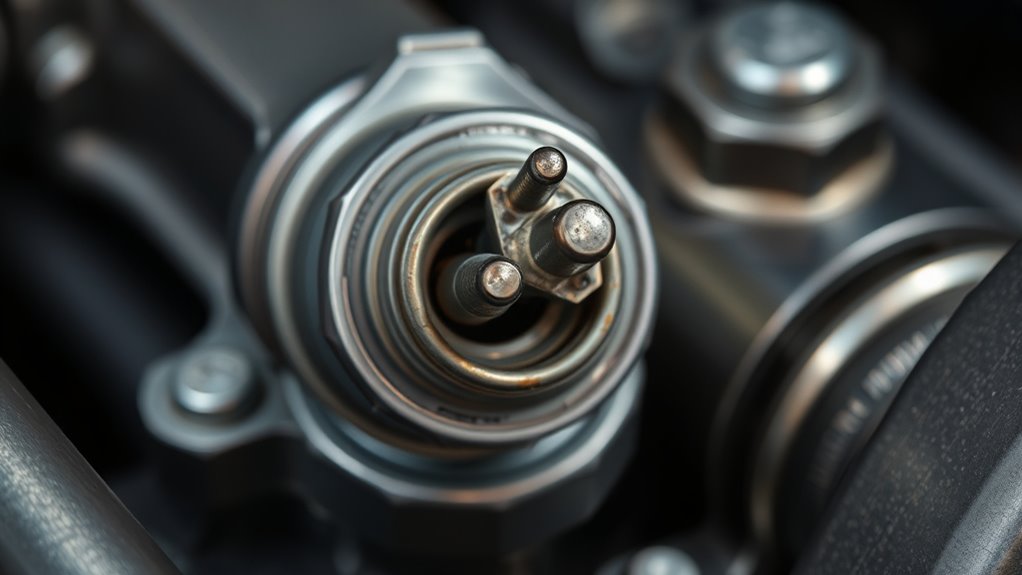
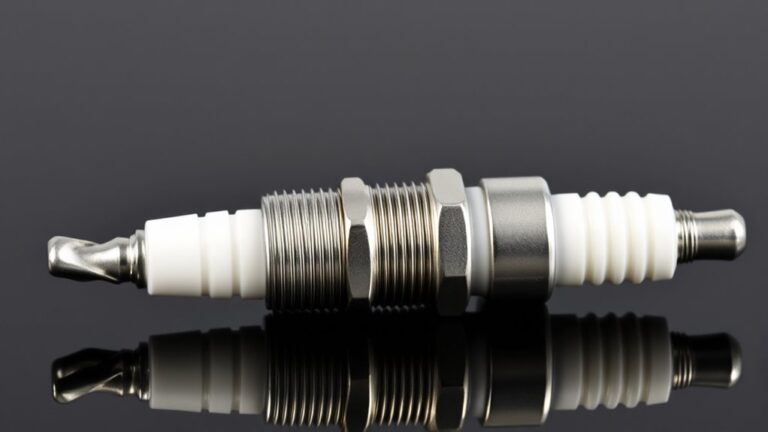
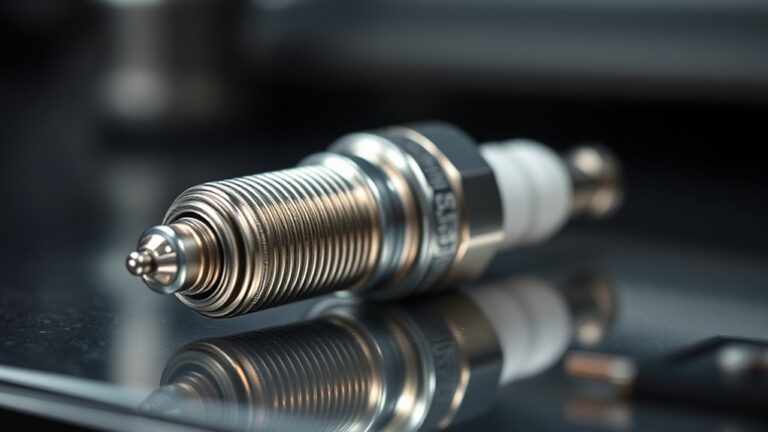
Spark plugs are key to keeping your engine running smoothly at idle by igniting the air-fuel mixture in each cylinder. The materials used in spark plugs, like copper, platinum, or iridium, affect their durability and performance, ensuring consistent sparks.
A good spark plug manufacturer designs these parts to withstand high heat and vibrations, which are common when your engine is idling. When they work properly, spark plugs produce a strong, reliable spark that ignites the fuel efficiently and helps your engine maintain a steady idle.
If spark plugs are made from cheaper materials or aren’t designed well, they can cause misfires, irregular combustion, or rough idling. Their main job is to deliver a precise spark at just the right moment to keep the engine running smoothly.
How Do Worn Spark Plugs Cause Rough Idling?
Over time, spark plugs can wear out, which affects their ability to ignite the air-fuel mixture consistently. Different materials like copper, platinum, or iridium wear at different rates, but all can become less effective over time.
When spark plugs are worn, their electrodes may erode or corrode, making it harder to produce a strong spark. This weak spark can lead to inconsistent ignition inside the combustion chamber, causing misfires.
Misfires mean some cylinders don’t fire properly, making the engine rough at idle. Worn spark plugs may also cause delayed sparks, so the air-fuel mixture isn’t ignited at the right moment, which disrupts smooth engine operation.
All of these problems add up, leading to rough idling, vibrations, stalling, or hesitation during idle because the spark plugs aren’t producing a reliable spark.
Signs Your Spark Plugs Are Causing Engine Troubles
If your engine feels like it’s hesitating or stuttering when you press down on the gas pedal, it could be a sign that your spark plugs are acting up. You might also notice that your car is gulping more fuel than it normally does, which isn’t typical.
Paying close attention to these little signs can really help you catch spark plug issues early on. That way, you can get them sorted out before they turn into bigger, more expensive engine problems.
Engine Hesitation During Acceleration
This hesitation can lead to decreased fuel efficiency since your engine wastes fuel trying to make up for incomplete combustion. Bad spark plugs can also disrupt emissions control, causing your vehicle to produce more pollutants.
If you notice your engine stalling or hesitating when you press the gas pedal, it’s probably time to check or replace your spark plugs. Properly functioning spark plugs help ensure consistent ignition, so your engine accelerates smoothly and maintains good fuel economy and emissions standards.
Noticeable Increase in Fuel Consumption
When your spark plugs aren’t firing correctly, your engine has to work harder to generate power, which often means using more fuel.
Worn or fouled spark plug materials, like electrodes and insulators, cause inefficient combustion. This forces your engine to burn extra fuel to make up for incomplete burning.
Bad spark plugs can also mess up engine cooling, leading to overheating and other performance problems. As your engine struggles to run smoothly, it burns more fuel to compensate for missed sparks and incomplete combustion.
You might notice this as a sudden drop in fuel economy, especially if your driving habits haven’t changed. Replacing old spark plugs with quality ones can restore proper ignition, improve cooling, and help save money on fuel while preventing further engine issues.
Common Causes of Spark Plug Damage and Wear
Spark plug damage and wear often come from prolonged use or poor maintenance. Over time, the metal electrodes can erode or get fouled, which makes the spark less efficient and can lead to misfires. Deposits from oil or carbon buildup also insulate the electrodes, hurting performance.
Choosing the wrong spark plug, especially if it’s not compatible with your ignition coil, can cause electrical arcing or weak sparks, speeding up wear. Frequent misfires or incomplete combustion put extra strain on the plugs, making them wear out faster.
Excessive engine heat can cause the insulator to crack or brown, which impacts how well the plug works. If you don’t inspect your plugs regularly and replace them when needed, these issues tend to get worse and can lead to rough idling or engine stalls.
Using high-quality plugs designed for your vehicle’s ignition coil can help extend their lifespan and keep your engine running smoothly. Proper maintenance and matching the right components are key to avoiding premature spark plug failure.
How Incorrect Spark Plug Installation Affects Engine Performance
If your spark plugs aren’t installed the right way, you might notice your engine isn’t running as smoothly as it should. For example, if you tighten them too much or not enough, it can cause misfires, which definitely mess with the engine’s performance. Also, using the wrong gap setting on the plugs can lead to rough idling, making your engine sound and feel choppy.
Another thing to keep in mind is your wiring. If the connections aren’t secure or are faulty, the spark might not be delivered properly, which can cause the engine to run unevenly or even stall. Basically, proper installation and correct wiring are key to keeping your engine running smoothly and efficiently.
Improper Torque Leading Misfires
Proper torque during spark plug installation is essential because overtightening or undertightening can lead to misfires. If you tighten the spark plug too much, it can damage the threads or crush the gasket, causing leaks and inconsistent spark delivery.
Conversely, not tightening enough may result in poor contact with the combustion chamber, leading to misfires and rough idling. The material of the spark plug, like ceramic or metal components, can also influence how torque impacts durability.
Manufacturing defects such as flawed threads or faulty electrodes can make issues worse when torque isn’t applied correctly. This increases the risk of misfire. Always follow the manufacturer’s recommended torque specs to ensure proper seating.
Proper installation helps maintain correct spark plug performance, reducing rough idling and keeping the engine running smoothly.
Incorrect Gap Causing Roughness
Incorrectly gapping your spark plugs can lead to rough engine performance because the gap controls how well the spark ignites the air-fuel mixture. When the gap is too wide or too narrow, it can cause misfires, hesitation, or rough idling.
Different spark plug materials like copper, platinum, or iridium need specific gaps for optimal performance. Using the wrong gap can affect how long the plug lasts and how well emissions are controlled.
An incorrect gap can also mess with proper combustion, which increases emissions and lowers fuel efficiency. Here’s a quick guide to the correct gaps:
| Spark Plug Material | Recommended Gap | Effect of Incorrect Gap |
|---|---|---|
| Copper | 0.028-0.060 in | Misfires, rough idle, poor efficiency |
| Platinum | 0.035-0.060 in | Irregular combustion |
| Iridium | 0.035-0.060 in | Increased emissions |
Keeping the correct gap is key to smooth, reliable engine performance.
Faulty Wiring Connection Risks
Faulty wiring connections can significantly affect engine performance by messing with the electrical flow to your spark plugs. When the wiring is poor, sparks can be weak or inconsistent, causing misfires and rough idling.
A faulty electric ignition system can make spark timing unreliable, leading to incomplete combustion. Loose or incorrectly connected wires may delay or advance spark timing, which impacts how smoothly your engine runs.
Over time, this can cause rough running, reduced power, and higher emissions. Proper wiring ensures that the spark plugs fire at just the right moment to optimize combustion.
Avoid taking shortcuts during installation, and always double-check your wiring connections. Good wiring practices help keep the spark timing correct, which is essential for a smooth-running engine and reliable performance.
How Ignition System Problems Lead to Uneven Idling
When the ignition system isn’t working smoothly, it can cause your engine to run unevenly or rough at idle. A faulty ignition coil may produce inconsistent sparks, which can lead to misfires and rough idling.
If the coil weakens or fails, it doesn’t deliver enough energy to ignite the fuel-air mixture properly. Similarly, a damaged or worn spark plug wire can cause weak or uneven sparks, disrupting the combustion process.
Loose or cracked spark plug wires also increase the chance of misfiring, making the engine idle rough and unsteady. These ignition issues stop the spark plugs from firing consistently, leading to uneven combustion cycles.
As a result, your engine may rev irregularly or stall at idle. You might notice a rougher run or hesitation when pressing the accelerator. Fixing ignition coil problems and replacing damaged spark plug wires can bring back a smoother, more stable idle and improve engine performance.
The Effect of Fuel Quality on Spark Plug Longevity
Poor fuel quality can really shorten the life of your spark plugs. Contaminants or low-grade fuel can cause fouling, uneven wear, and misfires.
One big factor is fuel additives. If not chosen carefully, they can leave deposits on your plugs, reducing efficiency and causing rough idling.
Ethanol effects are also important. Higher ethanol levels can lead to corrosion and residue buildup, especially in older engines.
These deposits make it harder for your spark to fire properly, which can cause misfires and damage your spark plugs faster.
To keep your spark plugs in good shape, consider using fuel with the right additives for your vehicle. Avoid high-ethanol blends if you can.
Regularly check and replace contaminated plugs, and always buy fuel from reputable sources.
Good fuel quality helps your spark plugs work smoothly, lasts longer, and keeps your engine running steadily.
How to Diagnose Bad Spark Plugs During Inspection
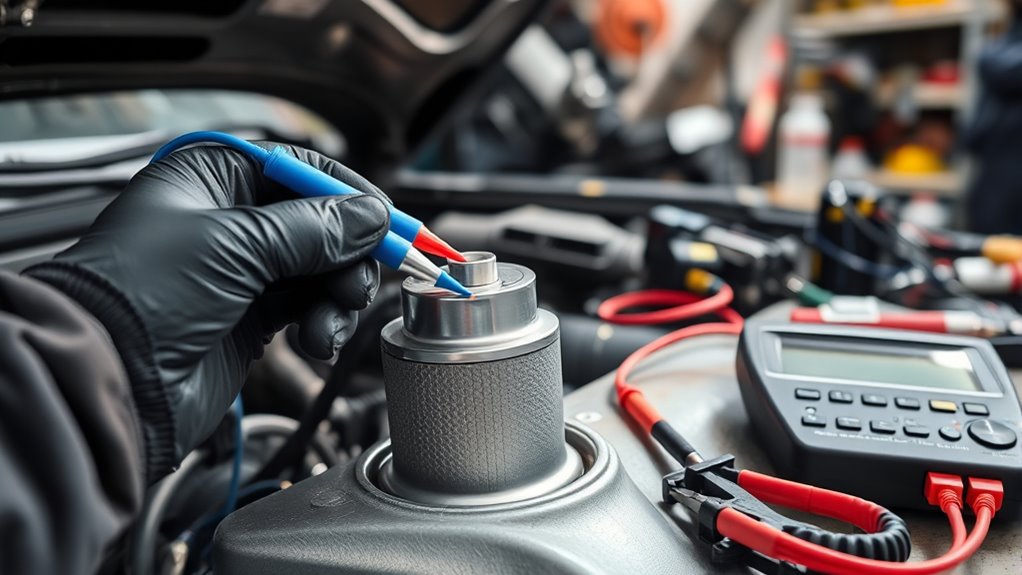
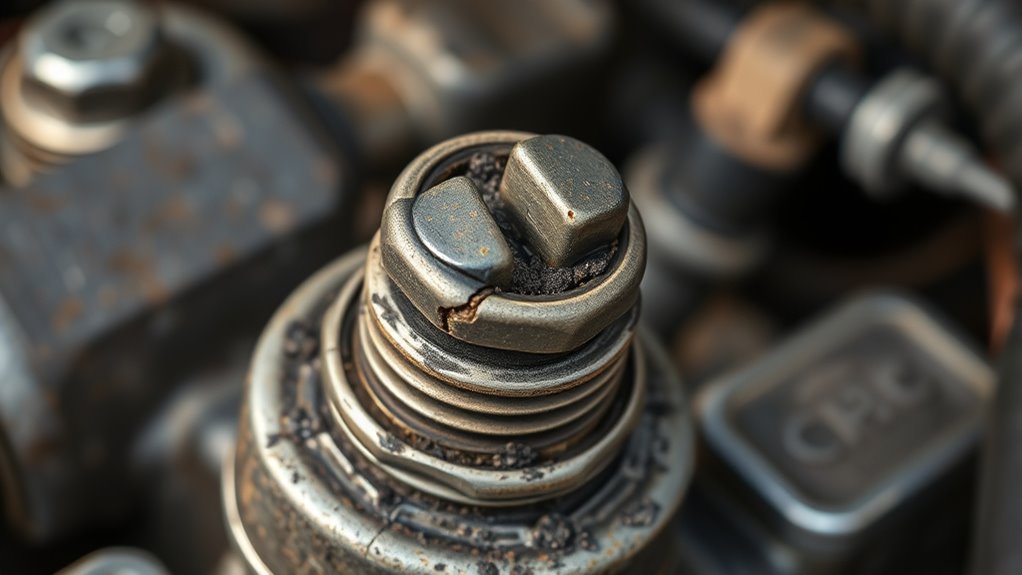
To figure out if your spark plugs are giving you trouble during a quick inspection, start by giving them a good look. Check for any signs of carbon buildup, cracks, or erosion on the electrode—that stuff can really mess with performance.
Then, take a moment to measure the spark plug gap. Make sure it matches your vehicle’s specifications because if the gap is off, it could lead to rough idling or misfires.
Just doing these simple checks can really help you figure out if your spark plugs are the culprit behind your engine issues.
Visual Inspection Techniques
Curious about how to spot bad spark plugs during a visual inspection? Start by checking the spark plug’s surface for any signs of wear or damage.
Look for issues related to manufacturing and design that can cause rough idling. Here’s what you should check:
- Electrode wear or erosion, which can indicate it’s time to replace the plug and can affect spark performance.
- Deposits or build-up, often caused by poor fuel combustion or oil leaks.
- Cracks or chips in the ceramic insulator, which can compromise insulation and lead to misfires.
- Fouling or residue from oil, fuel, or carbon deposits that lead to inefficient firing.
Checking Spark Plug Gap
After inspecting the spark plugs visually, the next step is to check the gap between the center and side electrodes. Use a gapping tool to measure this gap accurately. An incorrect gap can cause misfires and rough idling, so make sure it matches the manufacturer’s specifications.
Over time, corrosion or electrode erosion can widen or narrow the gap, which can hurt engine performance. Buildup around the electrodes might also mean it’s time to replace the spark plug.
If the gap is too wide or narrow, carefully bend the side electrode to adjust it. Proper clearance ensures a strong spark, helping your engine run smoothly.
Regularly checking and maintaining the correct gap is key to diagnosing and preventing issues caused by bad spark plugs.
Do Driving Habits Accelerate Spark Plug Failures?
Your driving habits can significantly affect how long your spark plugs last, especially if you often accelerate aggressively, brake suddenly, or take short trips.
These driving styles put extra strain on your ignition system, causing your spark plugs to wear out faster. Skipping regular inspections or delaying replacements can speed up the process even more.
To help your spark plugs last longer, try to accelerate and decelerate gently. Avoid short trips that prevent the engine from warming up properly. Regular maintenance checks and using the right spark plugs for your vehicle also make a big difference.
Tips to Maintain Spark Plugs for a Smoother Idle
Maintaining your spark plugs properly is key to guaranteeing a smooth idle and preventing rough running issues. To get the most out of your spark plugs, check them regularly for signs of wear or carbon buildup.
Keeping your spark plugs in check ensures smooth engine performance and prevents rough idling issues.
Replace them at the manufacturer’s recommended interval to avoid misfires and poor engine performance. Keeping the engine temperature in check also helps preserve spark plug condition—an overheating engine can cause premature wear.
Use the correct spark plug type and gap size specified for your vehicle. If they show light fouling, clean your spark plugs with a wire brush. Make sure they’re properly torqued during installation.
Good ignition system maintenance, like replacing worn ignition wires and coils, also supports spark plug health. Following these tips helps reduce the risk of rough idling caused by bad spark plugs and keeps your engine running smoothly longer.
Proper maintenance saves you money and keeps your vehicle performing reliably.
Frequently Asked Questions
Can Affected Spark Plugs Harm Other Engine Components?
Yes, affected spark plugs can harm other engine components. Poor ignition from bad spark plugs can cause misfires and rough idles, which strain your ignition system.
This added stress may damage ignition coils or wiring over time. The compromised engine performance also leads to inefficient fuel burning, putting extra pressure on your catalytic converter and exhaust system.
Addressing spark plug issues promptly helps protect your engine and keep it running smoothly at its best.
How Often Should Spark Plugs Be Replaced for Smooth Idling?
Think of your engine as a finely-tuned orchestra; to keep it harmonious, replace your spark plugs before they become tarnished.
Generally, spark plug lifespan falls between 30,000 to 50,000 miles, but check your vehicle’s manual for specific replacement intervals.
Regularly replacing your spark plugs ensures smooth idling, improves fuel efficiency, and prevents misfires that could harm other engine parts.
Don’t wait too long. Timely replacement keeps your engine running like a well-composed symphony.
Are There Specific Spark Plug Types Better for Rough Idling?
Certain spark plug types, like iridium or platinum, often perform better for rough idling because they’re more durable and provide a more efficient spark.
This is especially true when paired with the correct plug gap. Make sure to select a spark plug material that’s suited for your engine and set the plug gap accurately.
Properly maintained spark plugs help reduce misfires and rough idling. That leads to smoother engine performance and better fuel efficiency.
What Tools Are Needed to Check Spark Plug Condition?
To check your spark plug condition, you’ll need a spark plug socket, a ratchet wrench, and a spark plug gap gauge.
Use the socket and ratchet to carefully remove each spark plug for inspection. Look for signs of wear, carbon buildup, or damage.
You can also perform emission diagnostics to see if your spark plugs are working correctly. Regular inspection helps keep your engine running smoothly and efficiently.
Can Sensor Issues Mimic Spark Plug-Related Rough Idling?
Sensor malfunction can definitely mimic spark plug-related rough idling. When sensors like the mass airflow sensor or oxygen sensor fail, they send incorrect data to your engine control unit, causing idle irregularities.
These issues can lead to misfires and uneven running, similar to bad spark plugs. So, if you experience rough idling, don’t just check the spark plugs—inspect your sensors too, since their malfunction can produce similar symptoms.
Conclusion
To keep your engine running smoothly, pay close attention to spark plug issues. Regularly inspect and replace worn or damaged plugs to prevent rough idling caused by bad spark plugs.
Avoid aggressive driving habits that speed up spark plug wear and tear. Proper maintenance will help your engine stay smooth and responsive.
Make sure to keep the timing correct, use quality fuel, and install everything properly. These steps will prevent poor performance and a rough idle.
By staying on top of spark plug health and avoiding neglect, you’ll reduce engine hesitation and misfires. Good spark plug habits are key to avoiding rough idle from bad spark plugs.