What Are the Signs a Bad Fuel Injector Causes a Misfire
Are you noticing your car isn’t running as smoothly as it used to? Dealing with engine issues can be frustrating and worry-inducing. Many people struggle with rough idling or poor acceleration, wondering what’s going on under the hood.
If your fuel injector is bad, you’ll notice misfires, rough idling, and poor acceleration. You might also smell fuel, see leaks, or experience decreased fuel efficiency.
Engine vibrations, hesitation during throttle response, and strange noises can also point to injector problems. These issues happen because clogged or damaged injectors disrupt proper fuel delivery.
Keep an eye out for these signs, as understanding them can help you catch problems early and learn more about fixing your engine.
Key Takeaways
- Engine misfires, especially during acceleration or at idle, can be a sign of a faulty fuel injector.
- Rough idling or inconsistent engine behavior are common indicators of a bad injector causing misfire.
- You might notice decreased fuel efficiency and higher emissions because of improper fuel delivery.
- Fuel leaks or a strong smell of fuel could point to injector issues that might lead to misfiring.
- Unusual engine noises like knocking or tapping may suggest fuel delivery problems caused by failing injectors.
How Do Fuel Injectors Cause Engine Misfires?
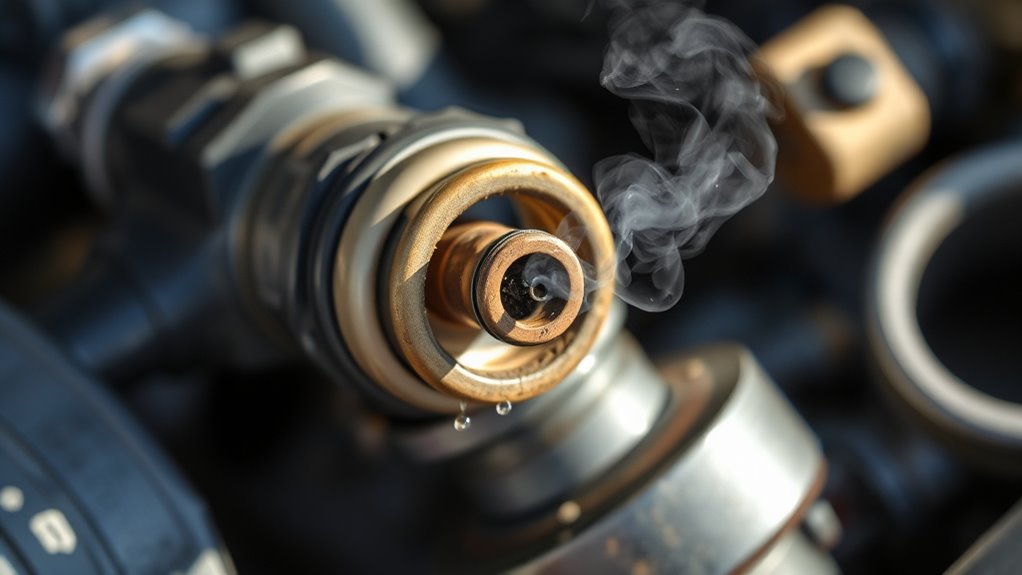
Fuel injectors are responsible for delivering the right amount of fuel into your engine’s combustion chambers, but when they start to fail or clog, they can cause engine misfires. Poor fuel injector maintenance or issues within the fuel injection system can disrupt proper fuel flow, leading to uneven combustion.
Faulty or clogged fuel injectors disrupt fuel flow, causing engine misfires and uneven combustion.
If a fuel injector doesn’t deliver enough fuel, the air-fuel mixture becomes too lean, causing cylinder misfires. Conversely, if it’s delivering too much fuel, your engine may run too rich, which can also cause misfires.
Clogged injectors restrict fuel flow, creating rough idling and hesitation. Faulty injectors can also cause inconsistent spray patterns, preventing proper combustion.
Over time, buildup or corrosion hampers injector function, making misfires more likely. Keeping up with fuel injector maintenance and ensuring fuel injection systems are clean helps prevent these issues, maintaining smooth engine performance and avoiding misfire problems caused by faulty fuel delivery.
Signs Your Fuel Injector Might Be Bad (Look for These Symptoms)
When a fuel injector starts to fail, you’ll probably notice certain signs that something’s wrong. Misfires, rough running, or poor acceleration are common clues.
You might also see decreased fuel efficiency or strange noises from the engine. Performing fuel pressure tests can help figure out if the injector isn’t delivering the right amount of fuel.
Fuel injector cleaning might temporarily boost performance, but it won’t fix the underlying issue. Other signs include hesitation during acceleration or trouble starting the vehicle.
Paying attention to these symptoms early can help prevent further damage. Regular inspections, like fuel pressure testing and cleaning, can catch problems before they cause serious engine trouble.
Recognizing these signs early allows you to take action, such as replacing or repairing the faulty injector, keeping your engine running smoothly.
How to Recognize Rough Idling and Engine Hesitation
Rough idling and engine hesitation are often early warning signs of fuel delivery issues, like faulty fuel injectors. When injectors aren’t calibrated properly or get clogged, they don’t deliver fuel consistently, which can cause the engine to stumble or hesitate during acceleration.
Rough idling and hesitation often signal fuel injector problems needing attention.
You might notice the engine shaking or running roughly at idle, especially when it’s cold or hot. Changes in engine temperature can affect fuel vaporization and injection efficiency, making symptoms worse or better.
Poor fuel injector calibration can lead to uneven fuel spray, causing rough starts or uneven engine behavior. If your vehicle hesitates or idles roughly, pay attention to how it responds to temperature changes—warming up or cooling down can influence the symptoms.
Recognizing these signs early can help prevent more serious engine problems. Also, understanding how engine temperature impacts injector performance is key to diagnosing the issue accurately.
Unusual Engine Noises and Vibrations That Signal Trouble
You might hear some knocking or tapping noises coming from your engine—that’s usually a sign that there’s some trouble with how your fuel is being delivered. It’s not something to ignore, because it could lead to bigger issues down the line.
And if your car feels excessively vibrating when you’re idling, that’s another clue that something’s not quite right—possibly your fuel injector isn’t working as it should. Keep an ear out for these noises and feel for any unusual shaking; catching these signs early can help prevent more serious damage later on.
Knocking or Tapping Sounds
A knocking or tapping sound from your engine often signals an issue with the fuel injector or related components. This noise can come from design flaws or improper calibration of the injectors, leading to uneven fuel delivery.
When injectors malfunction, the engine tries to compensate by misfiring, which causes sharp, rhythmic tapping sounds. It might also mean the fuel mixture isn’t right, stressing the engine parts.
Poorly calibrated injectors can cause cylinder misfires, creating consistent knocking noises. A failing fuel injector may produce irregular timing, leading to unpredictable engine sounds.
Spotting these noises early can help prevent more serious damage. To fix the problem, you should inspect for signs of injector wear or misalignment. Consider issues with design or calibration.
Getting a proper diagnosis will ensure your engine performs efficiently and smoothly.
Excessive Vibrations During Idle
Unusual engine noises and vibrations during idle can mean your fuel injectors aren’t working properly. If your car shakes or feels rough when idling, it could be a sign of a failing fuel injector affecting smooth operation.
Over time, fuel injectors wear out, which causes uneven fuel flow and engine imbalance. Here’s a quick look at common vibrations you might notice:
| Vibration Type | Possible Cause |
|---|---|
| Mild shake | Clogged or leaking fuel injector |
| Rough idle | Ignition or fuel delivery issue |
| Excessive shake | Worn-out fuel injector or engine misfire |
| Vibrations at specific RPM | Dirty or blocked fuel injector |
| Persistent jitters | Neglected maintenance tips |
Keeping up with regular maintenance is key. Use quality fuel and schedule injector cleaning to help prevent these vibrations and extend your fuel injector’s life.
Poor Fuel Economy and Higher Emissions? Here’s What It Means
Noticing that your vehicle is burning more fuel than it used to? That could be a sign that something’s wrong with the fuel injector. When the injectors aren’t working properly, they might not deliver the right amount of fuel, making your engine work harder than it needs to.
And it’s not just about your wallet—bad fuel injectors can also lead to higher emissions. That’s not great for the environment, and it’s often a sign your engine isn’t running as smoothly as it should be.
If you catch these signs early, you can avoid bigger engine problems down the line. Plus, keeping your fuel injectors in good shape helps your car run efficiently and saves you money in the long run.
Reduced Fuel Efficiency
Have you noticed a sudden drop in your vehicle’s fuel mileage? Reduced fuel efficiency often means your fuel injector isn’t working properly.
When injectors fail, they deliver uneven or insufficient fuel, which hurts your vehicle’s fuel economy. This makes your engine work harder and use more fuel than it should, increasing your costs.
Poor fuel atomization also affects emission control, leading to higher pollutant emissions. Some signs to watch for include:
- Erratic acceleration
- Engine stalling
- Rough idling
- Increased fuel consumption
If you see these symptoms, it’s likely your fuel injector needs attention. Addressing it quickly can help restore efficiency and keep emissions in check.
Increased Pollution Levels
Wondering why your vehicle’s emissions seem higher than usual? A bad fuel injector can cause increased pollution levels by improperly delivering fuel into the engine, leading to incomplete combustion. This results in smog-forming emissions and higher levels of harmful pollutants.
Regular fuel injector cleaning can help restore proper spray patterns and improve combustion efficiency. Also, consider fuel quality—using cleaner fuel reduces deposit buildup that can impair injector function.
When injectors malfunction, inefficient fuel burning releases more hydrocarbons and CO2, contributing to pollution. Addressing these issues quickly benefits the environment and keeps your engine running smoothly.
If you notice higher emissions, get your fuel injectors checked and cleaned. Doing so reduces pollution and helps maintain your vehicle’s performance.
Fuel Odors and Leaks: Is Your Fuel Injector Failing?
A strong fuel odor or noticeable leaks beneath your vehicle can clearly indicate that your fuel injector might be failing. When it doesn’t work properly, extra fuel can leak or vaporize, creating that persistent smell.
This issue could also lead to fuel pooling around the engine bay, which is a safety concern. A leaking injector can also increase your fuel costs, especially if you use different fuel types with varying prices.
Keep an eye out for these warning signs before they turn into bigger problems. Visible fuel leaks or puddles under the vehicle, for example, are a clear red flag.
You might also notice a strong smell of fuel around the engine or inside the vehicle. Unusual engine behavior, like misfires or rough idling, can also be signs of a failing injector.
Another clue is increased fuel expenses due to inefficient combustion. Addressing these signs early can help prevent engine damage or even fire risks.
Staying attentive to fuel odors and leaks not only saves you money but also keeps your vehicle running smoothly and safely.
How to Diagnose Fuel Injector Problems With Tools and Tests
Diagnosing fuel injector problems accurately requires the right tools and tests to quickly and effectively pinpoint issues. Start with a fuel pressure test using a fuel pressure gauge to see if the injectors are delivering the right amount of fuel.
Next, do a visual check for leaks or clogs that could mess with the spray pattern. You can also listen to the injectors with a mechanic’s stethoscope; clicking sounds usually mean they’re working properly.
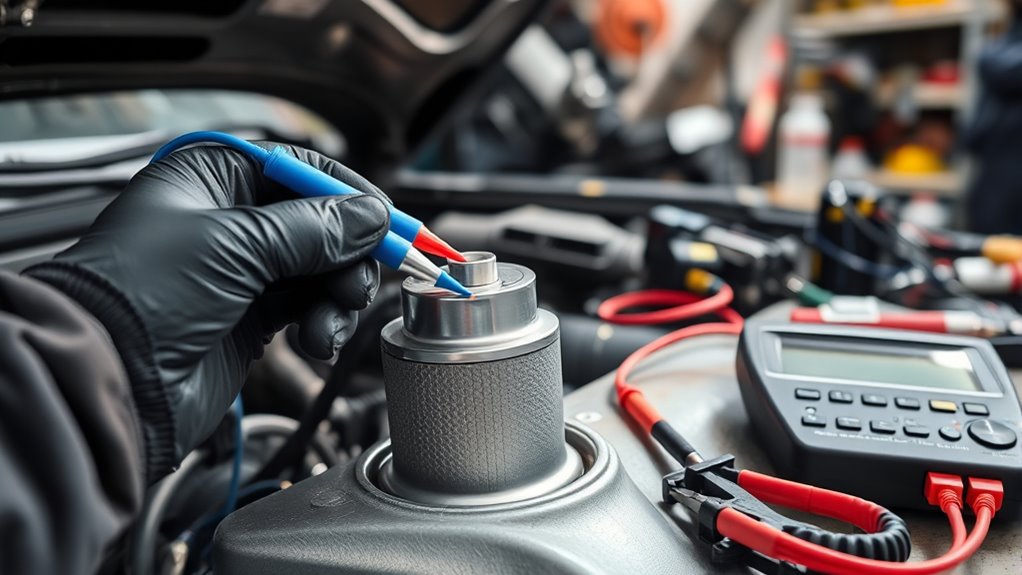
For a more detailed look, use a multimeter to check each injector’s electrical resistance and make sure it matches the manufacturer’s specs. Cleaning the injectors can also help identify if deposits are causing blockages.
It’s a good idea to test the fuel quality too, to rule out contaminated fuel that might affect injector performance. If these tests show a problem, cleaning or replacing the injectors might be necessary.
Using the right diagnostic tools helps ensure thorough troubleshooting and effective repairs, getting you back on the road faster.
What Causes Fuel Injectors to Fail? Common Issues Explained
Fuel injectors can fail due to a range of common issues that disrupt their proper operation. Over time, wear and tear, poor fuel quality, or carbon buildup can impair their performance. Problems with injector design, like inadequate sealing or narrow spray patterns, may cause uneven fuel delivery or sticking. Debris and deposits from contaminated fuel hinder efficient atomization.
Neglecting proper injector cleaning techniques can lead to clogs that block fuel flow. Common causes of failure include contamination and debris clogging the injectors and impairing spray precision. Corrosion from moisture or poor fuel quality can damage internal parts.
Electrical issues, such as faulty wiring or solenoids, also affect operation. Skipping regular maintenance and not cleaning injectors can cause buildup that ultimately leads to failure. Understanding these issues helps you diagnose problems early and keep your engine running smoothly.
What Should You Do If You Suspect a Faulty Fuel Injector?
If you notice signs like rough idling, poor acceleration, or increased fuel consumption, it’s essential to act promptly. The first step is to have your fuel injector calibration checked.
Proper calibration ensures your injectors deliver the right amount of fuel and can often resolve minor issues without replacing components. If calibration doesn’t improve performance or if the injector is damaged, replacement procedures are necessary.
Replacing a fuel injector involves disconnecting the battery, removing engine components for access, and carefully swapping out the faulty injector. Make sure to use the correct replacement parts and follow manufacturer guidelines closely.
After installation, it’s important to test the new injector to confirm proper operation. This might include running diagnostics or a brief test drive. Addressing fuel injector problems early helps prevent further engine issues and keeps your vehicle running smoothly and efficiently.
When to Seek Professional Repair or Replacement for Your Fuel Injector
Knowing when to seek professional repair or replacement for your fuel injector can save you time and prevent further engine damage. If your engine keeps misfiring, starts to have trouble idling, or you notice a big drop in performance, it’s a good idea to get some expert help.
Ignoring these signs can lead to bigger issues with your fuel system and cost you more in repairs. Look out for consistent engine hesitation or a rough idle even after basic maintenance. That’s a red flag.
You should also consider professional help if you smell strong fuel odors or see leaks near the fuel injector. These are clear signs something’s not right. A persistent check engine light related to the fuel system is another indicator.
If your fuel efficiency drops and doesn’t get better with simple fixes, it’s likely your fuel injector is acting up. Getting a professional diagnosis ensures proper testing and repairs, keeping your engine healthy.
Quick action on these symptoms not only saves you money but also helps your vehicle run smoothly. Don’t wait too long—early attention can prevent costly damage down the road.
Frequently Asked Questions
Can a Bad Fuel Injector Cause Engine Stalling?
Yes, a bad fuel injector can cause engine stalling. When fuel injection diagnostics show faulty injectors, they can flood the engine or starve it of fuel, leading to stalls.
If you notice your car stalling unexpectedly, it’s important to consider replacing the injectors promptly. Regular maintenance and timely replacements help keep your engine running smoothly.
Addressing injector problems early can save you from costly repairs down the line and ensures your vehicle stays reliable.
How Long Do Fuel Injectors Typically Last?
Think of fuel injectors as the heartbeats of your engine. They typically last between 50,000 and 100,000 miles.
How long they last depends on factors like quality and maintenance. Most injectors stay good for about 5 to 7 years.
Using quality fuel and doing routine upkeep can help extend their life. This keeps your engine running smoothly without misfires or stalls.
Is There a Way to Clean or Repair a Faulty Injector?
You can often clean or repair a faulty fuel injector through professional fuel injector cleaning services, which remove buildup and restore efficiency.
DIY cleaning kits are available, but they may not be as effective. For severe issues, repairing faulty injectors might involve replacing internal parts or the entire unit.
Consulting a mechanic guarantees proper diagnosis and, if needed, the best approach, whether cleaning or replacing, to keep your engine running smoothly.
Are Certain Vehicles More Prone to Fuel Injector Problems?
Did you know that some vehicle models, especially those from European and Asian manufacturers, are more prone to fuel injector issues? You might find that certain vehicles, like older models or those with high mileage, often experience injector problems.
If your car’s under warranty coverage, repairs are typically covered. But it’s a good idea to stay vigilant because specific makes and models tend to develop these problems more frequently throughout their lifespan.
Can Dirty or Clogged Fuel Injectors Affect Other Engine Components?
Dirty or clogged fuel injectors can seriously affect other engine components. Fuel contamination introduces debris that can clog injectors and cause corrosion over time, damaging your fuel system.
This build-up reduces fuel flow, leading to poor engine performance and misfires. Contaminated fuel can also cause wear in parts like spark plugs and oxygen sensors.
All of this makes your engine less efficient and can lead to costly repairs if you don’t address it quickly.
Conclusion
If you notice rough idling, poor acceleration, or increased fuel bills, your fuel injectors might be failing. Think of them as the engine’s gatekeepers—when they clog or leak, misfires are likely to happen.
While some symptoms can look like other issues, trust your instincts. Regular maintenance and quick diagnosis can save you from costly repairs down the line.
Remember, catching injector problems early isn’t just smart—it’s essential for keeping your engine running smoothly and efficiently. If you suspect bad fuel injectors causing a misfire, don’t wait to get it checked out.