How to Release the Parking Brake on Jeep Grand Cherokee in 7 Simple Steps
Many Jeep Grand Cherokee owners have been there—struggling to release the parking brake, unsure if they’re doing it right or worried about damaging their vehicle. You’re not alone; figuring out the correct steps can sometimes feel confusing, especially if you’re new to the vehicle.
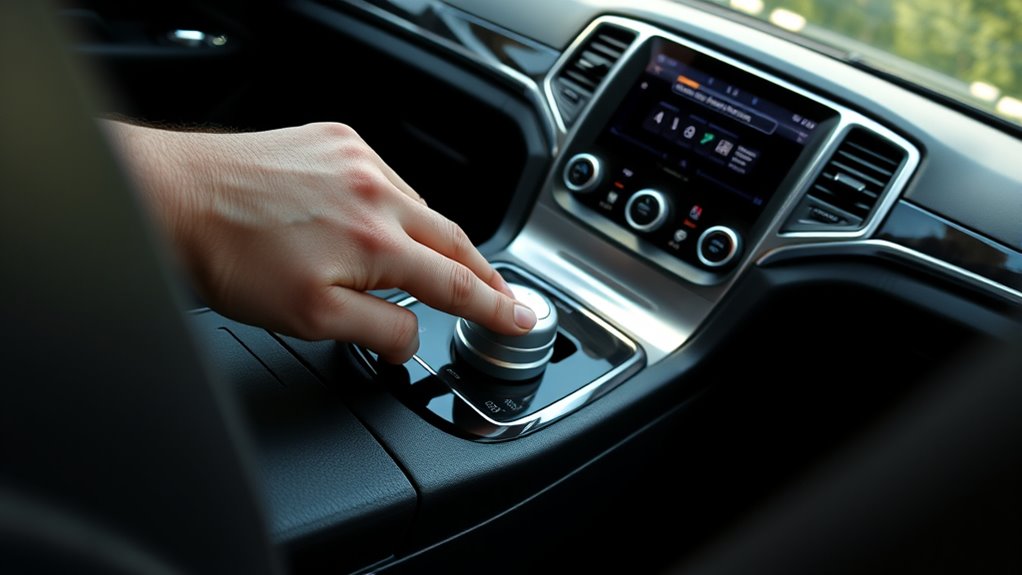
To release the parking brake on your Jeep Grand Cherokee, make certain your vehicle is on a flat surface and fully stopped. For an electronic brake, press and hold the brake pedal, then push the release button or switch while the dashboard light turns off.
If it’s a mechanical brake, lift or push the lever firmly until it releases. If you want to prevent issues and keep your brake working smoothly, continue exploring these simple steps.
Key Takeaways
- Make sure your vehicle is fully stopped and in “Park” before you try to release the parking brake.
- If your Jeep has mechanical brakes, just lift or push the lever to disengage the parking brake.
- For electronic brakes, press and hold the brake button until the dashboard light shows that the brake is released.
- Check that nothing is blocking or obstructing the parking brake lever or switch.
- Finally, confirm that the brake system is ready to go — there should be no warning lights or alerts on the dashboard.
How to Safely Prepare Your Jeep Grand Cherokee Before Releasing the Parking Brake
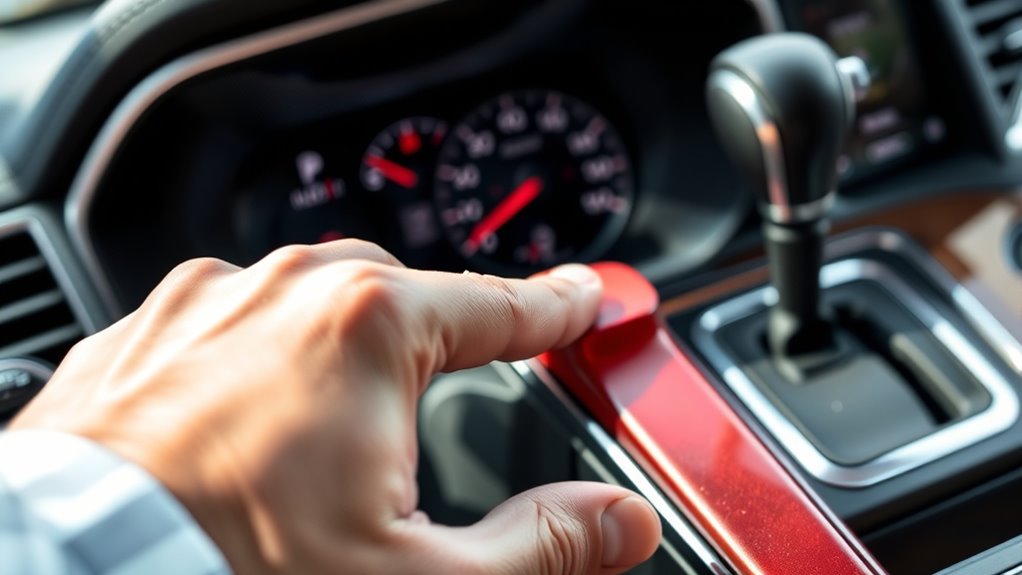
Before releasing the parking brake on your Jeep Grand Cherokee, make sure the vehicle is safely prepared. Checking this first helps prevent accidents or unintended movement.
Start by ensuring your vehicle is on a flat, stable surface. This keeps everything balanced while you work. Gently press the brake pedal if needed, and double-check that your transmission is in “Park.”
Make sure the parking brake is fully engaged, not partially applied. This helps keep the vehicle steady. Clear any obstacles around the parking brake lever so you can access it easily.
Keep your foot on the brake pedal before you release the parking brake. Doing this adds an extra layer of safety and keeps the vehicle from rolling.
Taking these steps ensures your vehicle stays secure once the brake is released. It’s worth the extra time to do it right. Prioritizing parking brake safety keeps both your vehicle and you safe.
Step-by-Step: How to Release the Parking Brake on Your Jeep Grand Cherokee
Wondering how to smoothly release the parking brake on your Jeep Grand Cherokee? First, make sure your vehicle is fully stopped and parked on a flat surface.
Gently press the brake pedal and find the parking brake lever or switch. If your Jeep has an electronic parking brake, press and hold the brake button until it releases. Usually, a dashboard light will turn off once it’s released.
For mechanical brakes, lift or push the lever to disengage it. To keep your parking brake working well and looking good, check its calibration now and then—especially after repairs or adjustments.
Proper calibration makes sure the brake releases completely, preventing unnecessary wear or sticking.
Signs Your Parking Brake Needs Adjustment or Service
If you notice your parking brake isn’t holding your Jeep Grand Cherokee securely or requires a lot of force to engage or release, it might need adjustment or service.
Malfunctions often cause uneven braking, slipping, or make it hard to apply the brake fully. You might also hear squeaking or grinding noises when engaging or releasing it.
Malfunctions can cause uneven braking, slipping, and squeaking when engaging or releasing the brake.
These signs show that your brake adjustment techniques may have become ineffective over time, impacting overall safety.
If the brake pedal feels loose or you have to pull the handle unusually high or hard, it’s probably time for a brake adjustment.
Regular maintenance can help prevent more costly repairs later on. Ignoring these signs can compromise your vehicle’s parking stability, so don’t wait to have it checked by a professional.
Getting proper adjustment restores safety and makes sure your parking brake works whenever you need it.
What to Do If Your Parking Brake Won’t Release
If your parking brake isn’t releasing, the first thing you want to do is see if anything’s blocking the mechanism. Sometimes, debris or some mechanical issue can jam it up. It’s a good idea to give it a quick look and clear out any obstructions.
Next, check the brake fluid level. If it’s low, that could be why the brake isn’t working right. Make sure the fluid is topped up to the proper level. Sometimes, these simple steps can fix the problem, and you might not even need to visit a mechanic.
Check for Mechanical Obstructions
Sometimes, a mechanical obstruction can prevent the parking brake from releasing properly. Debris or rust can block the brake mechanism and cause it to stick.
To check for this, carefully inspect the parking brake linkage and cables under the vehicle or inside the cabin. Look for obvious signs of debris, corrosion, or damage that might hinder movement.
Gently try to free any visible obstructions with pliers or a wire brush, but don’t force the parts, as that could cause damage. Make sure all components are properly aligned and move freely.
Inspect Brake Fluid Level
After checking for mechanical obstructions, it’s a good idea to inspect the brake fluid level because low fluid can prevent the parking brake from releasing properly.
Start by locating the brake fluid reservoir under the hood, usually near the back of the engine bay. Remove the cap and look at the fluid’s color and level against the marked indicators.
Check that the brake fluid is clean and at the correct level, which is usually between the “MIN” and “MAX” marks. If the fluid is low, top it up with the right type of brake fluid for your Jeep Grand Cherokee.
Keep in mind that old or contaminated brake fluid can cause issues, so consider flushing and replacing it if needed. Maintaining proper brake fluid levels helps ensure the parking brake works smoothly.
Tips to Keep Your Parking Brake Working Smoothly
Keeping your parking brake functioning smoothly involves regular maintenance and prompt attention to issues. Understanding its history helps you appreciate how it’s evolved to fit your Jeep Grand Cherokee’s specific needs.
Modern systems are designed for vehicle compatibility, so *making sure* parts are right for your model is essential. Regularly inspect the parking brake cable and mechanism for corrosion or wear, which can affect performance.
Keep the parking brake lever or pedal clean and lubricated to prevent stiffness. Test the brake regularly, especially before long trips or in winter weather, as extreme conditions can affect how it works.
Always follow the manufacturer’s recommendations for maintenance, including any adjustments or replacements. Maintaining your parking brake ensures it releases smoothly when needed and holds securely when engaged.
Consistent care prevents unnecessary strain on other braking parts and helps your system last longer. This saves you time, money, and keeps everything working safely.
When Should You Seek Professional Help for Parking Brake Issues?
While regular maintenance can handle many parking brake issues, there are times when you should see a professional. If your parking brake feels loose or doesn’t keep your vehicle secure, it might need calibration, which requires special tools and expertise.
Likewise, if you hear unusual noises when applying or releasing the brake, that could indicate a problem that needs a professional diagnosis. Persistent trouble releasing or engaging the brake, or if the warning light stays on, are signs you should seek help.
Trying to fix these issues yourself might make things worse or compromise safety. A qualified technician can properly diagnose and fix complex parking brake problems, keeping your vehicle safe and reliable.
Frequently Asked Questions About Parking Brake Maintenance on Jeep Grand Cherokee
Got questions about taking care of your Jeep Grand Cherokee’s parking brake? You’re not alone! Lots of owners want to know what common issues to watch out for and how to fix them. Being aware of the signs that your brake might be failing and knowing a few simple maintenance tips can save you from costly repairs down the line. So, let’s go through some of the most frequently asked questions to help you keep your brake system in great shape.
Common Parking Brake Issues
Parking brake issues are common on the Jeep Grand Cherokee and can be pretty frustrating if you don’t deal with them. One typical problem is the emergency brake not releasing fully, which can happen because of worn cables or low parking brake fluid levels.
You might notice the brake pedal or handle feels loose or sticks, making it harder to engage or release the brake smoothly.
Another common issue is rust or dirt buildup, which can block the proper functioning of the brake components. If you experience any of these problems, don’t ignore them.
| Issue | Solution |
|---|---|
| Emergency brake won’t release | Check parking brake fluid and top off if needed |
| Sticking parking brake cable | Lubricate or replace the cable |
| Brake pedal feels loose | Inspect and adjust brake components |
| Brake warning light is on | Have a mechanic diagnose brake fluid or electrical issues |
Maintenance Tips and Tricks
Regular maintenance of your Jeep Grand Cherokee’s parking brake is essential to guarantee it functions smoothly and reliably. To keep it in top shape, check the interior customization features that may affect accessibility and operation.
Regularly inspect the parking brake mechanism for dirt, debris, or corrosion, and clean or lubricate it as needed. Remember, proper tire pressure supports overall braking performance, so maintain your tires at the recommended PSI.
This helps prevent uneven wear on brake components and ensures balanced stopping power. If you notice any stiffness or unusual resistance when applying or releasing the parking brake, don’t ignore it—address these issues promptly.
Routine checks and adjustments assure you from costly repairs later and help keep your Jeep running smoothly.
Signs of Brake Failure
Understanding the signs of brake failure is crucial for keeping your Jeep Grand Cherokee safe to drive.
If your brake feels spongy or unresponsive, it’s a sign there could be a problem that needs immediate attention.
Watch for warning lights on your dashboard, especially those related to brakes or parking mechanisms.
Unusual noises like grinding or squealing when you engage or release the parking brake can also indicate issues with brake components.
If your vehicle pulls to one side when braking, it might mean the brake system or parking mechanisms are compromised.
A burning smell or brake fluid leaks are clear signs of brake failure.
Recognizing these signs early helps you prevent accidents and costly repairs, keeping your Jeep safe and reliable.
Frequently Asked Questions
Can I Release the Parking Brake Manually if the Electronic System Fails?
Yes, you can manually release the parking brake if your electronic system fails.
Look for the manual release lever or access point, usually under the dashboard or center console in your Jeep Grand Cherokee.
Use the right tool or follow the instructions in your owner’s manual to disengage the brake. This manual release lets you move your vehicle temporarily until the electronic system gets repaired.
Always take safety precautions when performing this action to avoid any accidents or damage.
Is There a Specific Parking Brake Fluid or Lubricant Recommended?
You don’t need a specific parking brake fluid or lubricant recommendation for the Jeep Grand Cherokee. Generally, the parking brake system uses standard brake fluid, but check your owner’s manual to confirm the recommended type.
For lubrication, use a high-quality, silicone-based brake lubricant to ensure smooth operation and prevent corrosion. Avoid using generic or multipurpose lubricants, as they might damage the components or compromise safety.
How Often Should I Inspect My Parking Brake System?
Did you know that regular maintenance can prevent 80% of parking brake failures?
You should inspect your parking brake system at least once every six months, or more often if you use it frequently.
Routine inspections help catch worn cables, rust, or loosened parts before they become big problems.
Staying on top of this keeps your parking brake reliable when you really need it.
It also helps reduce the risk of accidents and costly repairs down the line.
Can Wrong Parking Brake Adjustment Cause Transmission Issues?
Wrong parking brake adjustment can cause transmission issues, especially if the parking brake isn’t properly calibrated. If it’s too tight, it can put extra strain on your transmission when shifting out of park.
Conversely, if it’s too loose, you might experience unexpected engagement or movement. Regular parking habit maintenance and proper parking brake calibration help prevent these problems, ensuring smooth operation and extending your vehicle’s lifespan.
Are There Differences in Releasing the Parking Brake Between Models Year-Wise?
You’ll find that model compatibility and brake system differences affect how you release your Jeep Grand Cherokee’s parking brake.
For older models, you might need to manually release it using a lever or pedal.
Newer models often have an electronic switch instead.
Always check your specific year’s manual, since some models have unique procedures.
These variations are due to differences in brake systems, so following the correct steps helps ensure a smooth, safe release every time.
Conclusion
Whether you’re troubleshooting or just tuning up, taking timely, tender care of your parking brake keeps your Jeep Grand Cherokee’s grip in great shape.
Regular checks, prompt adjustments, and proper maintenance prevent problems and prolong performance.
By understanding signs, steps, and solutions, you’re empowering yourself to guarantee your vehicle stays safe, secure, and smoothly steering through every surprise encounter.
So, stay proactive, preserve peace of mind, and enjoy your drive—deliberately, dependably, and damage-free.
Mastering how to release the parking brake on your Jeep Grand Cherokee ensures a smooth and safe driving experience every time.